Harnessing the Power of Quotes to Navigate Major Life Changes

I have always been a quote collector.

I used to store my collection on a USB stick (luckily, these sticks managed to store more and more data, as my collection dramatically increased, over the years.) I often use quotes in my articles and my books – in Embracing Change – in 10 Minutes a Day I added a whole chapter about quotes.

Recently I decided to add my collection to my website, so that my readers may benefit too (and because it increases traffic to my website ;D ) I didn’t just want to add an endless list of other people’s words, I wanted to show you how you can use quotes to make your life easier, so I am in the process of dividing my quotes into themes, and as I publish each theme, I explain how quotes can be used as insight giving questions, motivating affirmations or revealing journal prompts.

“I love quotations because it is a joy to find thoughts one might have, beautifully expressed with much authority by someone recognized wiser than oneself.” — Marlene Dietrich

As you may know, after having to figure out how to survive a variety of MAJOR life changes myself, sometimes several at the same time, I have developed a system of coping with the worst of what comes my way, and quotes have always been an important part of this system.

Major life changes can often feel overwhelming, leaving us searching for guidance, comfort, and strength. Whether it’s a career shift, redundancy, retirement, illness, loss, or a significant relationship change, these moments challenge us to adapt and grow. In these times of uncertainty, quotes can serve as powerful tools to help us navigate the complexities of change. They give us impactful grains of wisdom that often resonate on a deeply personal level, offering insight, encouragement, and a renewed sense of purpose.

Quotes have the unique ability to distil complex emotions and experiences into a few words that can shift our perspective. When faced with a major life change, a well-chosen quote can remind us that we are not alone in our struggles and that others have faced similar challenges—and emerged stronger on the other side. For example, the words of Nelson Mandela, “It always seems impossible until it’s done,” can motivate us to keep moving forward even when a situation feels insurmountable.

Moreover, quotes can act as a mental anchor, helping us stay grounded and focused amid the chaos of change. Repeating a meaningful quote can serve as an affirmation, reinforcing positive thoughts and creating a resilient mindset. Quotes can remind us of the importance of perseverance, no matter how many setbacks we meet.

Incorporating quotes into our daily lives during times of transition can also give us a sense of direction. Whether we write them down, post them in visible places, or meditate on them during quiet moments, these words can serve as daily reminders of our inner strength and potential for growth. They encourage us to view change not as an obstacle but as an opportunity to learn, adapt, and become more resilient.

Ultimately, the power of quotes lies in their ability to inspire and uplift us, providing clarity and comfort when we need it most. As we navigate major life changes, these words of wisdom can guide us through uncertainty, offering the support we need to move forward with courage and confidence. So, the next time you find yourself facing a daunting transition, turn to a quote that resonates with you—it might just be the spark that lights the rest of your way.

Introducing My Life-Saving Quote Collection

This collection is a curated set of quotes that have guided me through some of life’s most challenging moments. Each quote in this collection holds special significance, offering wisdom, comfort, and inspiration when I needed it most, even so, some agree with more than others. These quotes have served as beacons of hope, helping me navigate uncertainty and find strength during difficult times. I hope they resonate with you as much as they have with me, providing the encouragement and clarity you need to face whatever life throws your way.

Themes

Starting a business as an Introvert and an Empath

Understanding the Unique Challenges


Recently, I read that “starting a business is a daunting task for anyone, but for introverts who are also empaths, it can feel impossible. The unique combination of introvert and empath in one mind, presents a distinct set of challenges that require careful handling. Yet, with the right approach, introverts/empaths can turn their sensitivity into a superpower, creating thriving businesses that reflect their values and strengths.”

Very glad to read that, and very relieved to know that I am not the only one who found it a challenge to start a business juggling these two personality traits.

Meet my new friend Sarah, an introverted empath who is passionate about holistic coaching. For years, Sarah dreamed of leaving the corporate world and starting her own life coaching business. She envisioned helping her clients find a balance between their personal and professional lives, much as she did herself. However, as she began to take the first steps toward her entrepreneurial dream, Sarah encountered unexpected hurdles that stemmed from her nature as an introvert and an empath:

1. Emotional Overload and Energy Drain

One of the primary challenges Sarah faced was emotional overload. As an empath, she deeply felt the emotions of her clients, which could be overwhelming. Introverts often recharge through solitude, but running a business requires constant interaction, networking, and decision-making, all of which drain their energy very rapidly.

I know exactly how that feels. I kept burning myself out, and I couldn’t understand why that was happening.

Sarah’s solution was to establish clear boundaries and structure her day to include regular breaks. She also learned to schedule client meetings during times when she felt most energetic, ensuring she could be fully present without depleting her reserves.

2. Networking and Self-Promotion Challenges

Networking events, essential for business growth, were particularly daunting for Sarah. The thought of mingling with strangers, promoting her services, and engaging in small talk (one of introverts’ pet hates) felt exhausting and intimidating. Her natural inclination was to avoid these situations, but she knew that building connections was crucial for her business.

Sarah coped with this problem by embracing digital networking. Platforms like LinkedIn allowed her to connect with potential clients and collaborators without the immediate pressure of face-to-face interaction.

My solution looks something like this: I decide beforehand what I want to achieve: mindfully making a small number of meaningful connections that I can follow up later, rather than spreading myself too thin.

3. Decision-Making and Self-Doubt Difficulties

As an empath, Sarah often second-guessed her decisions, worrying about how they would affect others. This self-doubt made it difficult for her to make confident business decisions, from setting prices to enforcing policies. Her introverted nature compounded this, as she preferred to avoid confrontation and maintain harmony.

To counteract this, Sarah found herself a mentor and joined a community of like-minded (introverted) entrepreneurs. These external sources of support provided her with valuable feedback and encouragement, helping her to trust her instincts and make decisions that aligned with her values. I found several useful groups to join on Facebook.

4. Maintaining Work-Life Balance

The empathic trait of wanting to help others can lead to over-commitment and burnout. Sarah found herself constantly overextending herself to accommodate clients, leaving little time for self-care. Balancing her desire to serve with the need for self-preservation was a delicate undertaking.

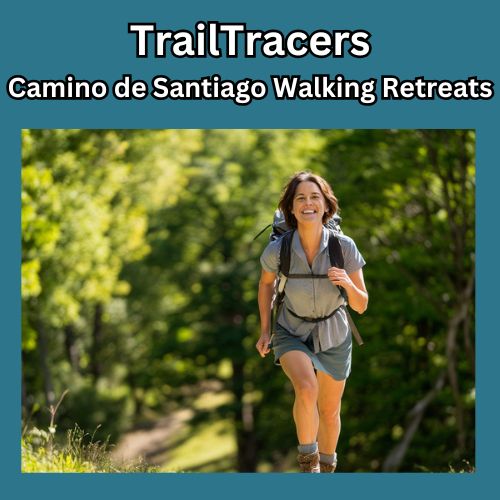
As establishing a holistic work/life balance was exactly what Sarah was trying to help her clients with, and failing miserably to do so herself, she decided to attend one of my Manifest Your Next Chapter retreats, to rest and review her approach. Walking the Camino de Santiago gave her the time she needed to reflect, and in the evening we discussed strategies that she may, as an introvert and an empath implement to achieve balance in her own life.

When she got home, Sarah implemented strict boundaries and self-care routines. She scheduled “me time” into her calendar just as she would with any other important appointment. This not only helped her recharge her batteries but also ensured she could offer the best possible service to her clients.

Sarah’s ability to deeply understand and empathise with her clients became one of her greatest business assets. She could intuitively grasp their needs and concerns, allowing her to offer tailored and compassionate services that resonated deeply.

While Sarah struggled with traditional networking, her approach to building authentic, meaningful connections led to loyal clients and a strong word-of-mouth referral base. Her clients appreciated her genuine care and commitment, which set her apart from more transactional business relationships.

Sarah’s empathetic nature translated into thoughtful, client-centered business practices. Her decisions, guided by empathy and integrity, fostered trust and loyalty. This approach also attracted clients who valued ethical and conscientious service providers.

Understanding the need for a peaceful, nurturing work environment, Sarah designed her wellness coaching space to be a sanctuary for both herself and her clients. This environment not only supported her own well-being but also enhanced her clients’ experiences, making her services even more appealing.

Take-Away

By recognizing and addressing the unique challenges of being an introvert as well as an empath, aspiring business owners can turn these traits into strengths that set them apart in the business world. Starting a business may require extra effort and unconventional strategies, but the potential rewards are immense. By embracing our unique qualities, setting clear boundaries, and seeking supportive networks, we can create thriving businesses that reflect our values. Sarah’s story proves that with the right approach, introverts-and-empaths can not only succeed but also excel in the entrepreneurial landscape.

. “Strength doesn’t come from what you can do. It comes from overcoming the things you once thought you couldn’t.” — Rikki Rogers

In addition to the Camino de Santiago retreats that I host at my little French farm southwest of Bordeaux, I have also created 7 online courses, ex. The Purpose Protocols, The Roadmap to Resilience – from Burnout to Brilliance Protocol and The Change Careers without Starting from Scratch – each course is available with or without one-to-one support. To stay in contact, I invite you to subscribe to my newsletter, you’ll get immediate access to my free life crisis quiz.

The Essential Traits of a Transformational Retreat Host

Mastering the Art of Hosting Transformational Retreats: Combining Personal Insight, Professional Skills, and Practical Abilities

Sometimes, as retreat hosts and leaders, we often get lost in the details of everything we want to share with our guests. We know we can help them, we know we can change their lives for the better. We invest huge chunks of our time in planning our retreats, choosing the location to compliment the theme of the retreat, finding the perfect accommodation with the most appealing services, employing the best chefs and making sure the menu caters for all diets AND supports our own view of healthy eating habits, in making sure we get our message across during a variety of carefully curated activities, workshops, discussions etc….et puis voilà! we have created a fully transformational retreat that we are sure our guests need.

So why are so many guests and potential guests objecting that «less is more?»

Let’s start with the word « guest. » I host my retreats at my 200-year-old half-timbered farmhouse in the unspoilt and largely unexplored southwest of France. The people who come to my retreats are guests, house guests, in my home. I often see the words «retreat participants.» This feels too clinical. Are not all people who attend retreats «guests» of the retreat host, even if the retreat is held at an exotic venue designed especially for the purpose?

I think the answer to that question should be «yes,» which brings me to a discovery I have made recently, after more than a decade of hosting retreats.

If we want the transformation to stick, we need to show our guests what to do, and not only tell them what to do. We need to set an example. Telling our guests what they should and shouldn’t do is too easy, what we need to do is model the behaviour we are teaching.

My retreats, directly or indirectly, are about stress management, especially for people who are at a crossroads, who voluntarily or involuntarily, have to make or adapt to major changes in their lives. I tell them my story, and they listen spellbound, but my story is not their story, and although it might capture their attention while they are listening, it will not necessarily inspire them to adopt more effective stress management strategies, nor help them to navigate their own life transition..

But when I show them, day-by-day, hour-by-hour, minute-by-minute, what I do to reduce my stress levels, and I show them how they can do it too – that is when they start thinking of making my suggestions part of their routines.

For example, I teach walking meditation as a stress management strategy. I explain to guests how to do it, send them to a page on my website where I explain how to do it and provide them with YouTube links to walking meditation recordings. Putting them in a situation where it comes naturally, where they find themselves trying it out without purposefully deciding to do so, is what I do when I drop them off at the day’s Camino de Santiago de Compostela walk. It is only when they experience the stress-reducing properties of walking meditation themselves, in the moment, as they walk the Camino, that they might start thinking of doing it on the way to work, and on the way home again, at the end of the working day.

Showing, not telling, helps our guests make permanent changes in their behaviour.

Everyone needs a place to retreat; a spot where the world grows quiet enough for the soul to speak. – Angie Weiland Crosby

Being a good role model is one of the most influential attributes of a good retreat host. There are several others. I thought I would list as many as I can think of below:

Personal Qualities

Transformational retreat hosts must be good listeners, compassionate, authentic and patient so that they can connect and build rapport with guests right from the very first contact. They should be inspirational, motivational, organised, flexible, adaptable, supportive, empowering, approachable, dedicated, resourceful, open-minded, humble, reliable, mindful, creative and observant (list not exhaustive.) Emotional agility is another vital quality, being aware of our own emotions and the feelings of others, makes it easier to manage our own and help others manage theirs.

Professional Skills

Fine-tuned facilitation skills are necessary for guiding group discussions, activities, and exercises in a way that encourages everyone to participate and to feel comfortable doing so – and if someone does not want to participate, that should be an acceptable option too. Clear and effective communication skills are needed to convey ideas, and instructions, and generate feedback. Well-developed problem-solving skills are essential for handling any issues or conflicts that may arise during the retreat. Strong organisational skills are required to manage the logistics of the retreat, including scheduling, accommodation, meals, transportation and activities. Flexibility and adaptability allow the host to adjust plans (sometimes at the last minute) based on the needs and dynamics of the group.

Specific Expertise

In-depth knowledge and extensive experience in their specific area of expertise, mindfulness, for example, is critical for a retreat host who wants to help their guests change their lives in a positive way. A retreat host should also possess the skills to educate and impart knowledge in a captivating and engaging manner. Cultural sensitivity is important to understand and respect diverse backgrounds and perspectives of guests, to ensure an inclusive and respectful environment.

Ethical Standards

Maintaining high ethical standards and professionalism in all interactions and decisions is fundamental for a transformational retreat host. Building a sense of community among participants creates a supportive and collaborative environment. Encouraging openness helps participants to share their experiences, but the host also needs to ensure that the privacy and confidentiality of guests’ personal information and experiences are respected.

Physical and Mental Well-being

Sufficient self-care is ABSOLUTELY ESSENTIAL for a retreat host, especially for introverted retreat hosts. Managing and sustaining their energy levels allows retreat hosts to remain fully engaged and supportive throughout the entire retreat, providing consistent guidance and support to guests. I learned the hard way never to start a retreat without fully charged batteries, and to top-up regularly during a retreat, even if it is just a day retreat.

Do I possess all these attributes and characteristics? Er …no. Some days I possess more of them than on other days. But I now own many more of these attributes and characteristics than I did when I started hosting retreats nearly two decades ago. Every retreat I learn something new, and often I adjust my approach accordingly. Hosting retreats is a never-ending learning process, and I love every minute of it.

Have I forgotten anything? Can you think of further attributes/characteristics a good retreat host needs?

In addition to the Camino de Santiago retreats that I host at my little French farm southwest of Bordeaux, I have also created 7 online courses, ex. The Purpose Protocols, The Roadmap to Resilience – from Burnout to Brilliance Protocol and The Change Careers without Starting from Scratch – each course is available with or without one-to-one support. To stay in contact, I invite you to subscribe to my newsletter, you’ll get immediate access to my free life crisis quiz.

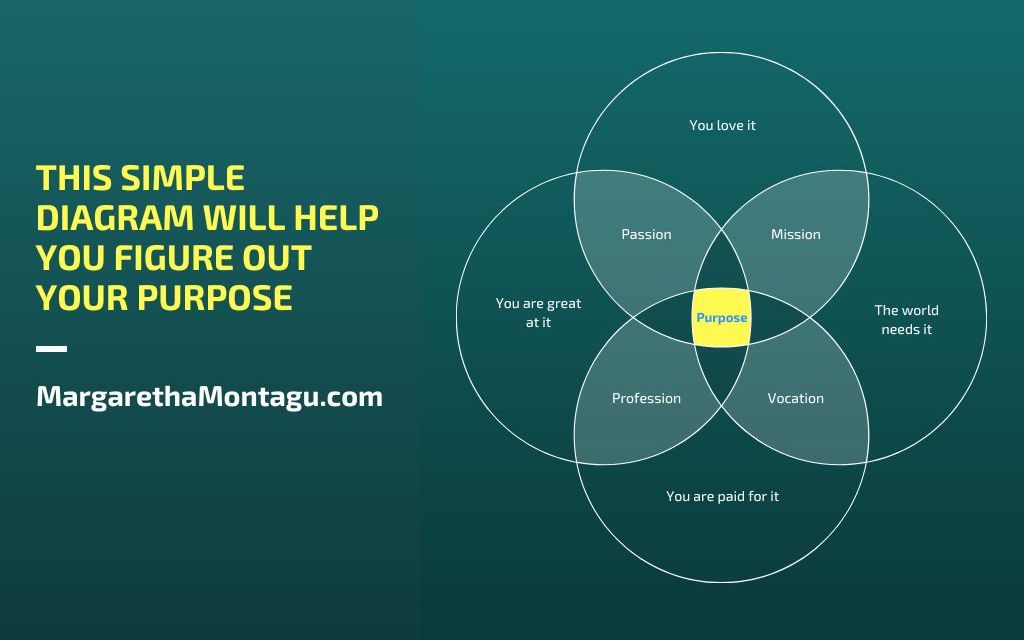
If You Want to Stress Less, Find Your Life Purpose

“The great and glorious masterpiece of man is to live with purpose.” – Michel de Montaigne

Make Finding Your Life Purpose a Priority

Knowing my purpose in life, during the various stages of my career, and especially during major career changes (and yes, there have been several!) has been an extremely effective stress management strategy. Knowing my life purpose provided a clear sense of direction, it helped me clarify my priorities, allowing me to focus on what truly matters and reducing the stress associated with the characteristic uncertainty of life changes and transitions.

My life purpose essentially stayed the same throughout my working life, although the expression of it changed dramatically after each life and/or work change.

Two decades ago, I adopted this quote as my life purpose: “The purpose of life is not to be happy. It is to be useful, to be honourable, to be compassionate, to have it make some difference that you have lived and lived well.”
― Ralph Waldo Emerson

Transitioning from working as a medical doctor in a big city hospital to a small country practice to eventually starting my own business, as an introvert, certainly challenged me to figure out exactly what my core values are and to define my life purpose as clearly as I could manage. Doing so made me much more comfortable handling the stress these changes generated, and much more resilient as well.

During these career changes, mostly involuntary due to major health disasters, knowing my life purpose made it much less stressful to make major work and life decisions. My life purpose literally acted as a psychological anchor during these tough and uncertain times.

How does knowing your life purpose affect your working life?

Did you know that a 2017 Survey by LinkedIn of more than 8,000 professionals globally showed that only 30% of them felt that they were living their purpose at work? LinkedIn’s 2017 Workplace Purpose Index found that 73% of respondents said they want a career where they feel their job matters, indicating a high level of interest in finding purpose in their professional lives.

Knowing their purpose would enable them to choose a company to work for with similar values as their own, which would theoretically make for a much less stressful work environment. Or bring their values and purpose into their own business.

Since the pandemic, contrary to expectations, it seems that we are not more motivated to make the best of the life we have left, but less. Instead of feeling less stressed, we are as stressed as we always were, and some of us are more stressed than ever. Initially, we were all determined to change our lives for the better, intoxicated by our reclaimed freedom, until all our bad habits had reasserted themselves a couple of years later and the horror of the pandemic was fast becoming no more than a disturbing memory.

I felt as disillusioned as I used to feel in February when I failed yet again to stick to my New Year’s resolutions.

Having a flexible but well-defined life purpose changed that. To give meaning to our lives two years post-pandemic, investing time and energy to work out what your life purpose is could be a very effective stress management strategy.

As you may know, in another life I was a storyteller, an aspiring writer of far-fetched tales about dragons, so bear with me while I tell you Emma’s story, to illustrate what I mean.

Emma’s Epiphany

Emma Daniels was a high-powered businesswoman, known for her sharp acumen and relentless drive. As the CEO of a successful marketing firm, she had everything she thought she wanted: a thriving career, a luxurious apartment in the heart of the city, and a packed social calendar. Yet, despite her achievements, Emma felt a constant undercurrent of dissatisfaction.

During the pandemic, she lost her best friend, Sophia.

Sophia, intelligent and ambitious, climbed up the corporate ladder with singular determination. Her dream was to make enough money so that she could retire at 40, and she worked all hours to accomplish her dream. Finally, just when her dream was within reach, she died from COVID. All her life she worked herself into the ground and never took a day off to enjoy life – her plan was to start enjoying her life as soon as she was retired.

One evening, after a particularly gruelling day filled with back-to-back meetings and endless emails, Emma found herself unable to sleep. As she stared at the ceiling, she couldn’t shake the feeling that something essential was missing from her life. The constant pressure and the unending race to stay ahead were taking a toll on her health and happiness.

Tossing and turning in bed, Emma asked herself: “What’s the point of it all? What is the purpose of life? What am I doing with my life?”

The next weekend, seeking a momentary escape, Emma decided to visit a nearby park. As she sat on a bench, sipping her coffee and watching children play, she noticed a community group planting trees. Drawn to their enthusiasm and the sense of camaraderie they shared, she approached one of the volunteers, an elderly woman named Margaret.

Margaret explained that they were part of an initiative to create green spaces in urban areas, promoting environmental awareness and community bonding. Intrigued, Emma decided to join them, hoping that the physical activity and change of pace might help clear her mind.

Over the next few weeks, Emma found herself increasingly involved with the community group. She discovered a deep sense of fulfilment in contributing to something larger than herself. The act of planting trees and creating beautiful spaces for others to enjoy brought her a joy she hadn’t felt in years.

As she spent more time with the group, Emma began to reflect on her life and career. She realized that her relentless pursuit of professional success had overshadowed other aspects of her life that she once valued. This newfound sense of purpose in environmental conservation opened her eyes to the possibility of integrating her skills and passions in a more meaningful way.

Inspired by her experiences, Emma decided to pivot her marketing firm towards promoting sustainable businesses and eco-friendly products. She rebranded the company with a focus on environmental responsibility and community engagement. This shift not only aligned with her personal values but also tapped into a growing market trend, positioning her firm as a leader in green marketing.

With her business now reflecting her deeper values, Emma found that her stress levels significantly decreased. She felt a renewed sense of energy and enthusiasm for her work. The pressure to constantly compete and prove herself was replaced by a genuine passion for making a positive impact.

Emma also made more time for herself and her community. She continued to volunteer with the tree-planting group, finding solace and joy in the simple act of giving back. Her relationships with her colleagues and friends improved as she became more present and engaged, shedding the facade of the perpetually busy executive.

A Life Transformed

Emma Daniels’ journey from a stressed, high-powered businesswoman to a fulfilled, purpose-driven leader is a testament to the power of finding and living one’s purpose. By aligning her professional pursuits with her personal values, she not only reduced her stress but also created a more meaningful and satisfying life. Emma’s story is a reminder that true success is not just about achieving professional milestones but also about finding joy and purpose in the journey.

Finding your life purpose can significantly reduce stress by providing direction, increasing resilience, improving emotional agility, enhancing decision-making, facilitating better relationships, increasing engagement, and offering spiritual fulfilment. It creates a strong foundation for coping with life’s challenges and making stress more manageable and less impactful.

Life Purpose and Life Changes

As it happens, ;D I have created, with the much-appreciated input of my horses, an online course to help you do exactly that: the Determine your Life Purpose as you start your Next Chapter e-course.

In addition to the Camino de Santiago retreats that I host at my little French farm southwest of Bordeaux, I have also created 7 online courses, ex. The Purpose Protocols, The Roadmap to Resilience – from Burnout to Brilliance Protocol and The Change Careers without Starting from Scratch – each course is available with or without one-to-one support. To stay in contact, I invite you to subscribe to my newsletter, you’ll get immediate access to my free life crisis quiz.

Introverts and Empaths Grieve Differently

How to Stay Strong When You Lose a Loved One

My mission is to help people through life challenges and transitions, like divorces, empty nests, voluntary and involuntary career changes, redundancies, losing loved ones etc.

My beautiful Barzoi, Arcady Nikolai, lost his uphill struggle against cancer on Friday morning. He has been my constant companion for years, and his absence has left me bereft. Even though I knew it was coming, it was no less painful when the moment came than if it had been unexpected.

Coping with the loss of this dearly loved one feels like stumbling around in the dark, I keep crashing into invisible walls. When I lost Belle, my heart-mind-and-soul mare, I coped by keeping myself to myself and creating the Guided Journey to Finding Closure after the Loss of a Horse.

My friends found it strange that I did not want to see anyone.

I am an introvert, and introverts grieve differently.

Introverts, who often find solace in solitude, may process their grief internally, reflecting deeply on their emotions and experiences. Introverts process their emotions privately. They often prefer to isolate themselves during times of loss, finding it easier to understand and cope with their grief away from social demands that can be completely overwhelming for introverts. Introverts may engage in introspective activities such as journaling and reading, which allow them to explore their feelings in depth and at their own pace. They might also seek the comfort of one or two trusted friends or family members who have had similar experiences, rather than larger social gatherings. This preference for intimate connections provides a safe space where they feel understood and supported without the pressure to outwardly express their emotions. By retreating into their inner world, introverts can navigate their grief in a way that aligns with their need for privacy.

I am also an empath.

Empaths, who are highly attuned to the emotions of others, grieve in a way that often involves deeply feeling not only their own sorrow but also the pain of those around them. They often need to find ways to protect their energy and create boundaries to avoid becoming emotionally drained. Self-care is crucial for empaths during times of grief; they often seek solace in nature as it allows them to process their emotions privately. Additionally, empaths might find comfort in supporting and comforting others who are grieving, as this aligns with their natural tendency to care deeply for others’ well-being. The empath’s grieving process is deeply interwoven with the emotional currents of their environment, necessitating a balance between empathy for others and self-compassion.

If you are an introvert and/or an empath, and like me, you are grieving the loss of a dog, allow yourself to grieve in a way that feels comfortable to you, and do not feel compelled to give in to pressure from your well-meaning friends and family who worry that your way of grieving is unhealthy.

Writing this post is part of my grieving process for Arcady, just as creating the Guided Journey to Finding Closure after the Loss of a Horse online retreat was part of my grieving process for Belle.

No course this time, just an article with a list of coping suggestions, specifically for empaths and introverts:

  1. First and foremost, allow yourself to grieve, your way. Acknowledge your emotions and understand that it’s normal to feel sad, angry, bereft and lonely. Grieving is a personal process, and there’s no right or wrong way to do it.
  2. Journal about your feelings can be a therapeutic way to process your grief. You can record memories, or simply express your emotions. Use this prompt, for example: Take some time to openly express the range of emotions you are experiencing since the loss of your dog. Are you feeling sadness, anger, relief, or a mix of many emotions? How has this loss impacted your daily routine and sense of well-being? Acknowledge and validate your feelings as a natural part of the grieving process.
  3. Read books about emotional healing after a loss. Sometimes, reading about others’ experiences can provide comfort and insight into your own feelings. I found I’m Not a Mourning Person: Braving Loss, Grief, and the Big Messy Emotions That Happen When Life Falls Apart by Kris Carr useful. Or just read. Anything that will take your mind off your loss for an hour or two.
  4. I am going to plant an almond tree in memory of Arcady. Planting a tree or creating a small garden in memory of your dog, cat, horse or person is an intensely comforting thing to do.
  5. Despite your grief, be mindful. I spend a lot of time mindfully communing with the horses. There are many guided mindfulness sessions available on YouTube specifically designed for grief resolution.
  6. Find or create a playlist of soothing music. Personally, I prefer uplifting music, but we are all different. You do you. Music can be a powerful tool for emotional healing.
  7. Go for a walk in nature, perhaps in places where you used to walk with your dog. Or perhaps not. Perhaps later. Nature has a calming effect and can help you feel more grounded and centred. Or just sit quietly – this can help you connect with the immense healing power of nature as you find solace in familiar surroundings.
  8. Mindful breathing releases tension and helps you find a sense of calm and control. Especially if you are on the verge of bursting into tears, for the 296th time. I do square breathing.
  9. If you feel up to it, consider a short trip to a peaceful location. A change of scenery and some time alone in a new environment can be refreshingly restorative. If at all possible, I like to head for the beach. Blue Space, you know.
  10. Be grateful. Of having been able to share part of your life with this awesome companion, of the friendship and love your dog brought into your life, and of everything and everyone else that you appreciate, even though your dog is no longer by your side.
  11. Volunteer at a local animal shelter or donate to an animal charity in your dog’s name. Helping other animals can be a meaningful way to honour your pet’s memory.
  12. Remember the good times, focus on the positive memories and the love you shared. Celebrate your dog’s life and the joy they brought into your world.

Be gentle with yourself during this time. Allow yourself to grieve in your own way and take the time you need to heal. If you find that your grief is overwhelming and interfering with your daily life, consider seeking the help of a therapist or counsellor who specialises in pet loss.

Because it was not just a dog. You’ve lost a faithful friend who loved you unconditionally.

And if you feel you need a break, away from all the hustle and bustle, come and recharge your batteries here in the sun-drenched southwest of France. Walk part of the Camino de Santiago de Compostela and spend a few days in the presence of my patient, understanding and supportive Friesian and Falabella horses – even if you don’t interact with them at all, just having them around is calming and comforting – on a Stress-busting Camino de Santiago walking retreat to reinvent yourself, rewrite your story and start your sensational next chapter.

Camino de Santiago Walking Retreat: Essential Tips for Preparation, Participation, and Post-Retreat Integration

What can I, as a guest do to ensure that my retreat is transformational – before, during and after my retreat?

You have finally decided that if you don’t take a break now, you will end up so burnt out that there will soon only be a small heap of ashes left of you. You have chosen to go on a Camino walking retreat in the southwest of France. You can’t wait to step onto the ancient path, surrounded by lush vineyards and rolling hills, while a sense of perfect peace fills your mind and melts your heart. You can already hear the rhythmic crunch of gravel under your boots and feel the gentle breeze carrying the scent of wildflowers as it starts to unravel the knots of stress that you have accumulated over YEARS. You know each step will bring you closer to not just your destination, but a deeper understanding of yourself and what truly matters. In this tranquil setting, with the Pyrenees as your backdrop, you fully intend to rediscover the joy of simple, blissful and thoroughly contented living.

Dance. Smile. Giggle. Marvel. TRUST. HOPE. LOVE. WISH. BELIEVE. Most of all, enjoy every moment of the journey, and appreciate where you are at this moment …”. – Mandy Hale

To ensure your Camino de Santiago retreat in southwest France becomes a truly life-changing experience, it’s crucial to approach it as a holistic journey that begins long before you set foot on said ancient pilgrimage route and continues well after you’ve returned home. This comprehensive process involves thoughtful preparation, full engagement during the retreat (as in giving it your all,) and mindful integration of your insights afterwards.

Before the Retreat

In the weeks or months leading up to your retreat, dedicate time to setting clear, meaningful intentions. This preparatory phase is about more than just logistics; it’s an opportunity to lay the groundwork for a dramatic personal transformation. Begin by contemplating your life’s current challenges, aspirations, and areas ripe for improvement. Consider writing an honest letter to your future self, discussing your hopes, fears, and dreams for this experience. Alternatively, create a vision board that visually represents ythe changes you wish to manifest by attending this retreat. This process of intention-setting not only clarifies your purpose but also plants the seeds for the insights and breakthroughs that may unfold along the Camino.

Physical preparation is equally important and can be a transformative process in itself. Start walking every day and gradually build up your stamina and increase your endurance. Start with shorter distances and slowly increase both length and difficulty, incorporating hill training to prepare for the varied terrain you’ll encounter. Practice walking with a small backpack to simulate retreat conditions, allowing your body to adjust to the weight and balance required. Focus on overall fitness, including strength training and stretching. This physical preparation isn’t just about avoiding blisters and fatigue; it’s an opportunity to begin tuning into your body’s wisdom and developing the mental resilience that will serve you on the Camino. When you received your full packing list email, there were also links to walking meditation and writing meditation, put both these into practice before you start the retreat, for maximum benefit.

Mental and emotional preparation should be another crucial part of your pre-retreat activities. Establish a daily meditation or mindfulness practice to cultivate present-moment awareness and increase your emotional agility. These skills will prove invaluable as you navigate the physical challenges and intense self-reflection induced by walking the Camino. Explore various techniques such as breath awareness, guided meditation, or guided visualisations (see YouTube for ôptions) to find what resonates with you. Download a meditation app and commit to daily practice. Additionally, delve into the rich history and cultural significance of the Camino de Santiago through books, films, documentaries, and online resources. Learning about the experiences of past pilgrims and the route’s spiritual heritage can deepen your connection to the journey you’re about to undertake. Study maps of your specific route, learn basic phrases in French and join online forums or social media groups for Camino walkers.

As your departure date approaches, take steps to create space in your life for this transformative experience. Inform colleagues of your absence and set up systems to manage work responsibilities while you’re away. At home, delegate tasks and simplify your schedule in the days leading up to your departure. Consider a digital detox or social media fast to begin shifting your focus inward. This process of “decluttering” your life is not just practical; it’s a symbolic letting go that prepares you to fully embrace the retreat experience.

During the Retreat

During the retreat itself, approach each day with a spirit of openness and curiosity. Embrace the physical and emotional challenges that arise, viewing them not as obstacles but as integral parts of your transformative journey. Reframe challenges as growth opportunities and celebrate small victories along the way. Use positive self-talk and mindfulness techniques to navigate difficult moments. Also, the Camino has a unique way of breaking down social barriers, fostering deep connections and authentic sharing among strangers who quickly become companions on the path.

Practice mindfulness throughout your journey, engaging all your senses in the experience of breathing, walking, eating, and interacting with others. Practice mindful eating when you stop to have your sandwiches along the way. Let the rhythm of your footsteps become a meditation, anchoring you in the present moment. Limit technology use to stay fully present, setting specific times for checking devices if necessary. This digital minimalism allows for deeper self-reflection and more authentic connections with your surroundings and fellow hikers.

Make a commitment to step outside your comfort zone regularly during the retreat. Say yes to new experiences, join group activities, and engage in meaningful conversations with other walkers from diverse backgrounds. These interactions often lead to unexpected insights and personal breakthroughs. Balance this social interaction with periods of solitude, using quiet time for deeper self-reflection and integration of your experience.

Journaling becomes a powerful tool for processing your journey. Set aside time each day to record not just the events of your retreat, but your emotional responses, insights, and questions that arise. Consider using prompts to dive deeper into your experiences, or incorporate sketches and collected mementoes to create a rich, multi-dimensional record of your transformation.

After Your Retreat

After returning home, resist the urge to immediately jump back into your regular routine. Instead, create a buffer of time for reflection and integration. Take a “decompression day” before returning to work. Consider writing a retrospective letter to your pre-retreat self. Review your journal entries, photos, and any mementoes collected along the way. Consider creating a mind map or visual representation of your key experiences and insights. This process of reviewing and synthesising helps to solidify the transformative aspects of your journey and begins to bridge the gap between your pilgrimage experience and daily life.

Identify the most significant learnings from your retreat and develop a concrete plan for implementing these changes in your life. Create SMART goals based on your insights, and consider developing a 30-60-90 day plan for gradually integrating new habits or perspectives. Review and adjust your action plan at 1-month, 3-month, and 6-month intervals. Consider attending a Camino walking retreat to reinforce your learning once a year. Share this plan with a trusted friend or family member who can offer support and accountability as you navigate the challenges of maintaining your transformation in familiar surroundings.

Maintain connections with fellow guests through group chats, social media, or planned reunions. Some of my guests create a WhatsApp group to update each other (and me!) with their progress. These relationships can provide ongoing support and inspiration as you each continue your personal growth journeys. Consider ways to “pay it forward” by sharing your experiences with others considering similar retreats or by supporting organizations that maintain the Camino routes.

Finally, remain open to the ongoing unfolding of insights sparked by your retreat experience. Your transformation doesn’t end when you return home; often, the real work begins as you integrate your learnings into daily life. Approach challenges with the same openness and resilience you did on the Camino. Regular check-ins, continued mindfulness practices, and a commitment to lifelong learning can help ensure that your Camino de Santiago retreat becomes not just a memorable experience, but a genuine catalyst for lasting personal transformation

In addition to the Camino de Santiago retreats that I host at my little French farm southwest of Bordeaux, I have also created 7 online courses, ex. The Purpose Protocols, The Roadmap to Resilience – from Burnout to Brilliance Protocol and The Change Careers without Starting from Scratch – each course is available with or without one-to-one support. To stay in contact, I invite you to subscribe to my newsletter, you’ll get immediate access to my free life crisis quiz.

You Have the Courage to Begin Again

Take a Deep Breath. Pick Yourself Up, Dust Yourself Off and Start Again.

Life has a way of throwing curveballs that can knock us off course, whether it’s a career setback, a relationship ending, or a personal loss. In those moments, it might feel like the world is crumbling around us. But here’s the truth: You have the courage to begin again.

“A fresh start. A new chapter in life waiting to be written. New questions to be asked, embraced, and loved. Answers to be discovered and then lived in this transformative year of delight and self-discovery.” — Sarah Ban Breathnach

Starting over isn’t about erasing the past; it’s about learning from it and moving forward with newfound wisdom and strength. Each ending, no matter how painful, is a chance for a fresh start, a blank slate where you can rewrite your story.

I have had to begin again so many times that I have lost count. I am a habitual restarter ;D

Beginning again requires courage, admittedly, perseverance, and the belief that you can succeed, even if the path is steep and uncertain.

Sarah had always been a high achiever. After graduating from a top university, she quickly climbed the corporate ladder, landing a lucrative position at a major marketing firm. For years, her life was a blur of meetings, deadlines, and business trips. She was living what many would call the dream, but deep down, Sarah felt unfulfilled.

One fateful Friday, her company announced a series of layoffs due to restructuring. Sarah found herself among those let go. It was a crushing blow. She had dedicated over a decade of her life to the company, sacrificing personal time and pouring all her energy into her work. Now, she was left with a severance package and an overwhelming sense of uncertainty.

In the weeks that followed, Sarah grappled with feelings of worthlessness and fear about the future. She spent countless hours updating her resume, applying for jobs, and attending interviews, but nothing seemed to click. One evening, while cleaning out her closet, she stumbled upon an old notebook filled with recipes and culinary ideas she had jotted down over the years. Cooking had always been her passion, but it had taken a backseat to her demanding career.

Inspired by her rediscovery, Sarah decided to take a bold step. She enrolled in a prestigious culinary school, something she had dreamed of but never pursued. At first, the transition was daunting. She was surrounded by younger students and faced the challenge of learning new skills from scratch. However, Sarah’s determination and love for cooking kept her motivated.

Over the next year, she honed her culinary skills, experimenting with flavours, techniques, and presentation. She embraced the creative freedom that dooking offered, a stark contrast to her rigid corporate life. Upon graduating, Sarah didn’t rush into job applications. Instead, she spent time travelling, experiencing different cuisines, and gathering inspiration.

It was around this time that she attended a walking retreat here at my little farm in the south of France. She walked the Camino de Santiago de Compostela every day, getting her ideas in order, and in the evenings we chatted. We went to the Eauze fresh food farmers’ market and ate out in a local restaurant, so that Sarah could try some of the local delicacies: if I remember correctly, she had perfectly grilled magret de canard, with frites fried in duck fat, followed by a cracklingly fresh-from-the-oven croustade, with thick cream, washed down by a chilled Cotes de Gascogne rosé.

Sarah returned home with a clear vision. She wanted to open a restaurant that combined her marketing expertise with her passion for cooking. She worked tirelessly on her business plan, secured funding, and found a charming location for her restaurant. She named it “Sinful Bites,” reflecting her journey of rediscovery and the heartwarming dishes she created.

The opening night of Sinful Bites was a resounding success. The restaurant quickly gained a loyal following, and was praised for its innovative menu and warm, inviting atmosphere. For Sarah, the greatest reward was seeing her customers’ delighted smiles and knowing she was adding a piece of her soul to each dish.

Sarah learned that it’s never too late to follow your dreams. Ner story reminded me, yet again, that starting over is not just possible, but it can lead to unexpected and fulfilling new chapters in life. It takes immense courage to step into the unknown, but within you lies the strength to embrace change and create a brighter future.

So, if you find yourself at a crossroads, unsure of where to turn, remember that you have the power to start anew. Trust yourself, believe in your potential, and take that first step. You have the courage to begin again.

To help you marshall your courage, I include 5 journal prompts:

Journal Prompt 1: Reflect on Past Resilience
Think back to a time in your life when you faced a significant challenge or crisis. Describe the situation in detail. How did you feel at the time? What steps did you take to overcome this challenge? Reflect on the strengths, skills, and resources you used. How can you apply these strengths to your current situation?

Journal Prompt 2: Visualise Your Ideal Future
Imagine your life five years from now, if you had the courage to start over today. Describe in vivid detail what your ideal life looks like. What are you doing? How do you feel? Who is with you? What happens on a typical day in your new life? What steps can you take now to move toward this future?

Journal Prompt 3: Identify Limiting Beliefs
Write down any fears, doubts, or limiting habits and beliefs that are holding you back from starting over. Be as honest and specific as possible. Where do these beliefs come from? Are they based on facts or assumptions? Challenge each belief by writing down evidence that contradicts it. How can you reframe these beliefs in a more empowering way?

Journal Prompt 4: Explore Your Values
List your top five values. Reflect on how these values align (or don’t align) with your current life. How can starting over help you live more authentically according to your values? Describe specific ways you can incorporate these elements into your new beginning.

Journal Prompt 5: Create an Action Plan
Break down your goal of starting over into smaller, manageable steps. What is the first step you need to take? What resources, support, or information do you need? Set a timeline for each step and identify potential obstacles and solutions. How will you keep yourself motivated and accountable? Write a detailed action plan and commit to taking the first step today.

“Starting over is an acceptance of a past we can’t change, an unrelenting conviction that the future can be different, and the stubborn wisdom to use the past to make the future what the past was not.” ― Craig D. Lounsbrough

In addition to the Camino de Santiago retreats that I host at my little French farm southwest of Bordeaux, I have also created 7 online courses, ex. The Purpose Protocols, The Roadmap to Resilience – from Burnout to Brilliance Protocol and The Change Careers without Starting from Scratch – each course is available with or without one-to-one support. To stay in contact, I invite you to subscribe to my newsletter, you’ll get immediate access to my free life crisis quiz.

Lost Your Way? The Benefits of Walking the Camino de Santiago Retreats During Major Life Challenges

Hesitating at the Crossroads: A New Beginning

Picture this: You’re standing at the edge of a dense forest, the path behind you swallowed by mist, and the road ahead twisting into who-knows-where. Life can feel like that sometimes—especially when you’re in the middle of a major life change or crisis. Whether it’s switching careers, going through a breakup, or facing a midlife crisis, these moments can leave us feeling as if we have totally lost the plot.

A Sudden LifeQuake and You are Lost in the Chaos

Our world is like a never-ending carnival—loud, chaotic, and full of distractions. Trying to find a moment to think (or even just breathe) can seem impossible. The constant buzz of work emails, social media notifications, and daily chores drowns out our inner thoughts. When you’re dealing with a big life change, this lack of quiet time can crank up your stress to maximum levels. Without a break to reflect, we might make decisions that aren’t truly right for us—like deciding to adopt a pot-bellied pig, because “why not?”

Sarah’s Journey: From Chaos to Clarity

Take Sarah, for example. A high-flying marketing executive in her late 40s, Sarah was the poster child for ambition and success. But after ten years in the corporate grind, she started feeling like a hamster on a wheel. Adding to the strain, she also recently ended a long-term relationship, leaving her feeling more unanchored than a kayak in the middle of the Atlantic.

Sarah tried everything to cope—therapy, venting to friends, even a few mini getaways—but nothing really hit the spot. On a whim, she signed up for a Camino de Santiago walking retreat in the foothills of the Pyrenees mountains, in the southwest of France, thinking some fresh air and some exercise might do the trick.

During her retreat, without the distractions of her usual routine, Sarah started to reflect on what truly mattered to her. By the end of the retreat, Sarah had not only found clarity but also new direction. She returned home with a plan to start her own consultancy, focusing on projects that made her heart sing.

The Rejuvenating Power of Walking Retreats: Your Secret Weapon

Retreats, like the one Sarah attended, are like a magical reset button for those navigating life’s big transitions. These retreats offer a structured yet flexible environment where you can unplug from your everyday chaos and reconnect with yourself. With a mix of physical activities like hiking, and reflective practices like meditation and journaling, they help clear your mental clutter and boost self-awareness. This process can be incredibly eye-opening, offering insights that are hard to come by in the middle of your daily hustle and bustle.

Walking the Camino de Santiago offers a multitude of benefits that encompass physical, mental, emotional, spiritual, and cultural aspects of life.

Physically, the daily activity of walking enhances your cardiovascular health, strengthens your muscles, and improves your overall fitness. The combination of physical exertion, natural beauty, and spiritual reflection often leads to a profound sense of inner peace.

Mentally, the rhythmic pace of walking reduces stress and facilitates mindfulness. Many find walking the Camino therapeutic, providing an opportunity to process experiences in a supportive environment.

Emotionally, the journey can be profoundly healing. It offers a therapeutic environment for processing emotions and past experiences. Completing each day’s walk instils a significant sense of accomplishment, boosting your self-esteem and increasing your self-confidence.

Spiritually, the Camino de Santiago, steeped in historical and religious significance, provides an opportunity for deep spiritual reflection and potential growth. Many hikers report gaining valuable personal insights and experiencing a profound sense of inner peace and renewed purpose.

Culturally, walking this ancient pilgrimage route allows you to immerse yourself in the cultural and historical heritage of the regions along the path. The warmth and hospitality of locals and fellow walkers further enrich the experience, creating a nurturing and supportive environment.

The Camino can also offer you a break from constant technological connectivity, providing a much-needed digital detox. The unpredictability and challenges encountered along the way add a sense of adventure and excitement to the experience.

Stepping Off The Treadmill to Move Forward

The takeaway here is simple: When you’re facing a big life change, sometimes the best way to move forward is to take a step back. Retreats provide a safe haven where you can pause, reflect, and realign with your true self. By temporarily escaping your usual environment, you gain the clarity and perspective needed to navigate your path with renewed confidence and purpose.

“There are increased benefits of spending more time in nature and leaving technology behind such as improved short term memory, enhanced working memory, better problem solving, greater creativity, lower levels of stress and higher feelings of positive well being.”— David Strayer, Professor of Cognition and Neural Science

So, the next time you find yourself at the edge of your own metaphorical forest, consider attending a retreat walking the Camino in the southwest of France. It might just be the guiding light you need—or at least a really good excuse to avoid your inbox for a week.

Immediate Stress Relief – a Powerful Breathing Exercise

In the meantime, you may want to try this breathwork practice for immediate stress relief. The practice focuses on two words: receive and release. First, find a comfortable sitting position and begin to take deep, slow breaths. After you have relaxed and settled into the gentle rhythm of your breathing, begin to say the word “receive” silently in your mind each time you inhale, and the word “release” as you exhale. So, it’s “receive” as you inhale, and “release” as you exhale. These two words will also help to focus your mind whenever it begins to wander. As you repeat the word “receive,” imagine yourself receiving what you need right now. As you repeat the word “release,” imagine yourself releasing what you need to let go of at this time.

Start by doing this practice for three to five minutes (it can be helpful to set a quiet timer at the beginning). If you have a particular concern, you can use this practice to assist you in finding peace and guidance. Bring the concern to mind as you begin the “Receive, Release” practice. You may even add a word to “receive” or “release.” For example, you find yourself mindfully adding “patience,” “kindness,” or “forgiveness” on your in-breath and perhaps something like “fear,” “anger” or “judgment” on the out-breath.

Walking retreats – an Antidote to Burnout

Life’s challenges can quickly overwhelm even the most resilient of us, leading to burnout – a state of physical, emotional, and mental exhaustion. When faced with constant stress, we eventually find ourselves struggling to cope, feeling drained and demotivated. This is where my 2-day “Burnout to Breakthrough” online course can come to the rescue. Designed to equip you with practical tools and effective strategies, this course helps you not only to detect and overcome burnout but also transform it into an opportunity for personal growth. Through targeted exercises, expert guidance, and a mindset shift, you’ll emerge on the other side stronger than ever. If you are ready to turn your burnout into a breakthrough, click here.

In addition to the Camino de Santiago retreats that I host at my little French farm southwest of Bordeaux, I have also created 7 online courses, ex. The Purpose Protocols, The Roadmap to Resilience – from Burnout to Brilliance Protocol and The Change Careers without Starting from Scratch – each course is available with or without one-to-one support. To stay in contact, I invite you to subscribe to my newsletter, you’ll get immediate access to my free life crisis quiz.

Understanding Mother Hunger: Identifying, Addressing, and Nurturing Your Emotional Needs

Mother Hunger: Walking the Camino de Santiago de Compostela can provide Answers to your Questions

A couple of my retreat guests this year, who came to my little farm here in the southwest of France, primarily to walk the Camino de Santiago, shared that they had been adopted. These precious women, all highly accomplished in their fields felt that even though they were adopted by caring couples, the yearning to be nurtured by their birthmother was never met, no matter how much they achieved in life.

We talked about Mother Hunger.

What is Mother Hunger?

Mother hunger is the deep, often unrecognised longing for nurturing, protection, support and guidance that a mother provides. It’s an intense craving for emotional connection, unconditional love, and safety never received during childhood. When these essential needs are unmet, we experience feelings of emptiness, insecurity, and longing that persist into adulthood, often till the end of our lives.

Mother Hunger can be broken down into three primary needs:

  1. Nurturance: This is the need for physical affection and emotional support. Think of the comfort of being held, cuddled, and soothed. When a mother provides consistent nurturing, she instils a sense of security and self-worth in her child.
  2. Protection: This refers to the sense of safety a mother provides, both physically and emotionally. It’s the feeling that someone is looking out for you, shielding you from harm, and offering you a safe haven from life’s storms.
  3. Guidance: This is the need for a mother to teach, mentor, and guide. It’s about having someone to help you navigate life’s challenges, offer wisdom, and provide a moral compass.

Despite all their accomplishments; my guests, in their 50s, 60s and 70s still felt bereft. Their needs were inadequately met, their adopted mothers did not reassure them that they were wanted that they so desperately needed, and it led to a profound sense of loss and yearning that manifested in various ways throughout their lives.

The Impact of Mother Hunger

Mother hunger can affect us in numerous ways:

  • Emotional Struggles: Feelings of sadness, emptiness, and of never being good enough, stemming from unmet maternal needs, can persist into adulthood. It can cause or worsen depression, anxiety and low self-esteem.
  • Relationship Patterns: People with mother hunger might seek out relationships that mimic the dynamics they had with their mother, often unconsciously choosing partners who are emotionally unavailable or overly dependent.
  • Self-Worth Issues: If you didn’t receive adequate nurturing, protection, or guidance, you might struggle with feelings of worthlessness or inadequacy. You might constantly seek external validation to fill the void left by unmet maternal needs.
  • Attachment Challenges: Difficulty forming secure attachments in relationships can be a direct result of mother hunger. This can lead to fears of rejection, abandonment or difficulty trusting others.

Coping with Mother Hunger

My guests, yearning to get rid of this ever-present craving and start a new chapter in their lives first had to take on board that understanding mother hunger is a crucial step toward getting rid of it. Recognizing that these deep-seated needs for nurturance, protection, and guidance might not have been fully met allows us to compassionately address its impact on our lives. Addressing mother hunger involves a combination of self-care practices, emotional work, and seeking supportive relationships.

Sitting on the porch, watching the sun gloriously setting in a spectacular explosion of colour, we discussed the practices that they (and you too) might use:

1. Self-Nurturing Practices

  • Practice Self-Compassion: Treat yourself with the same kindness and understanding you would offer your best friend. Recognise that it’s okay to have unmet needs and that you deserve to be nurtured without having to earn the right to it.
  • Create a Comforting Routine: Establish daily rituals that provide comfort and consistency, such as a warm cup of coffee/tea in the morning, reading a book before bed, or taking a soothing herbal bath.
  • Engage in Physical Self-Care: Activities like getting enough sleep, eating your favourite nourishing foods, and engaging in gentle exercise can help you feel cared for and nurtured.

2. Building Emotional Safety

  • Set Healthy Boundaries: Learn to say no to things that drain your energy and yes to things that nourish your soul. Protect your emotional well-being by creating clear boundaries that prioritise your needs.
  • Create a Safe Space: Designate a space in your home where you feel safe and at peace. Fill it with items that bring you comfort, such as soft blankets, calming scents, and personal mementoes.
  • Mindfulness and Meditation: Practice mindfulness or meditation to create a sense of inner peace and safety. Techniques such as deep breathing, visualisation, or guided meditations can be particularly helpful. During our Manifest Your Next Chapter retreats, my Friesian horses will teach you how to do that.

3. Seeking Guidance and Mentorship

  • Find a Mentor or Therapist: Seek out a therapist, role model or mentor who can provide guidance and support. Professional help can be invaluable in addressing deep-seated emotional needs.
  • Join Support Groups: Connect with others who are on a similar journey. Support groups can provide a sense of belonging and shared understanding.
  • Educate Yourself: Read books, attend workshops, and engage in learning that helps you understand your emotional needs and how to meet them.

4. Fostering Healthy Relationships

  • Cultivate Supportive Friendships: Build relationships with people who are empathetic, supportive, and nurturing. Surround yourself with individuals who uplift and encourage you.
  • Communicate Your Needs: Practice expressing your needs and desires in your relationships. Being open about what you need can help others understand how to support you better.
  • Engage in Acts of Kindness: Giving and receiving kindness is an extremely effective way to fulfil emotional needs. Volunteer, help a friend, or simply perform random acts of kindness daily.

5. Engaging in Healing Activities

  • Creative Expression: Use creative outlets such as writing, painting, or music to express and process your emotions.
  • Journaling can make a huge difference. If you are not sure where to start, try one of these prompts
    1. Reflect on a nurturing memory from childhood. How did it make you feel? How can you recreate those feelings today?
    2. Write a letter to your inner child. Offer the love, guidance, and protection you needed and still need.
    3. List ten things you love about yourself. How can you celebrate these qualities?
    4. Describe a safe and comforting place. How can you bring elements of this place into your daily life?
    5. Imagine a conversation with a supportive mentor. What advice would she give you?

6. Affirmations to Address Mother Hunger

To help soothe the ache of mother hunger, affirmations can be a powerful tool. Here are a few examples, see if any of these inspire you:

  1. “I am worthy of love and affection, just as I am.”
  2. “I am safe, and I trust myself to create a secure environment.”
  3. “I honour my needs and give myself permission to seek nurturing relationships.”
  4. “I can be my own protector and guide.”
  5. “I forgive my past and embrace my present with compassion.”
  6. “I am complete and whole, even as I heal.”
  7. “I deserve to feel secure and valued.”
  8. “I nurture myself with kindness and understanding.”
  9. “I release the past and step into my power.”
  10. “I trust my inner wisdom to guide me.”

7. Journal Prompts to soothe Mother Hunger

  1. Reflect on a time when you felt deeply cared for. What were the circumstances, and how did it make you feel? How can you recreate those feelings today? “How can I nurture myself in ways that make me feel loved and supported?”
  2. Describe a moment when you felt unsafe or unprotected. How did this experience shape your perception of safety? What steps can you take now to create a sense of security for yourself? “What boundaries can I set to protect my emotional well-being?”
  3. Write about a person who has provided guidance in your life. What qualities did they possess that made you feel supported? How can you embody those qualities for yourself? “What lessons have I learned from my mentors that I can apply to my life?”
  4. List ten qualities you wish you had received more of from your mother. How can you cultivate these qualities within yourself? “What practices can I adopt to give myself the love and care I need?”
  5. Imagine you are a mother to your inner child. What would you say and do to make your inner child feel loved and secure? “How can I consistently show up for myself in nurturing ways?”

Conclusion

Satisfying mother hunger involves nurturing yourself, creating emotional safety for yourself, seeking guidance, maintaining healthy relationships, and engaging in activities that fulfil your emotional needs. By taking these steps, you can begin to fill the void left by unmet maternal needs and create a life rich with love, security, and wisdom.

So, the next time you feel that deep, unnameable longing, remember: you have the power to mother yourself. Embrace the journey, laugh at the bumps along the way, and most importantly, give yourself the love and care you deserve.

And if you feel you need a break, away from all the hustle and bustle, come and recharge your batteries here in the sun-drenched southwest of France. Walk part of the Camino de Santiago de Compostela and spend a few days in the presence of my patient, understanding and supportive Friesian and Falabella horses – even if you don’t interact with them at all, just having them around is calming and comforting – on a Stress-busting Camino de Santiago walking retreat to reinvent yourself, rewrite your story and start your sensational next chapter.

More Information

In addition to the Camino de Santiago retreats that I host at my little French farm southwest of Bordeaux, I have also created 7 online courses, ex. The Purpose Protocols, The Roadmap to Resilience – from Burnout to Brilliance Protocol and The Change Careers without Starting from Scratch – each course is available with or without one-to-one support. To stay in contact, I invite you to subscribe to my newsletter, you’ll get immediate access to my free life crisis quiz.

I Want to Make a Success of my Career or Business, What Should My Morning Routine Look Like?

I have always been a morning person, so I was not too seriously inconvenienced, in my fifties, when I had to start over and create the mother-of-all morning routine to help me manifest the life I wanted to live, from then onwards.

A couple of years ago, I had already created a compact morning routine that nevertheless packed a punch, for my Walking the Camino de Santiago retreat guests, to ensure they get the most benefit out of every day of the retreat.

I took the 5 components of the Meraki Morning Routine and used them as the foundation for the morning routine I felt would help me to make a success of the small business I started.

I included the following activities:

  • Gratitude Journalling: I start every day thinking about everything that made me happy the day before.
  • Breathing Exercises: my favourite is square breathing, a great way to get oxygen to your brain.
  • Intention setting: I set one intention for the day that aligns with my business objectives, my values and my daily priorities. It helps me to maintain my focus throughout the day.
  • 2 large glasses of water and an espresso
  • Walking in Nature, including a short walking meditation and ending with some stretching exercises
  • Inspiration: podcast, YouTube video, article, book
  • Education – online courses, mostly – and Research
  • Creative writing: articles, blog posts, newsletters, pictures, reviewing or creating new courses or writing/rewriting a book
  • Sharing my products and content on social media
  • Review goals (short, medium and long term) and Visualisation/Mental Rehearsal/Self-hypnosis: Reviewing and visualising my goals keeps me focused on my long-term vision and allows me to track my progress in my journal, celebrate and reward success, and identify areas that need improvement.
  • Spiritual practice
  • Planning my day and prioritising urgent tasks: I outline the tasks I need to complete that day and allocate specific time blocks for each. I prioritise tasks that are high-impact and align with my business goals.
  • Connection – reply to emails/comments on social media – and Networking. Winding down, I also reach out to friends and family – by text, email or telephone – to find out how they are doing. I usually have my second espresso while I do this.

If I have left anything out, please let me know!

How long does this take me? About three hours, starting at 06h00. Do I do everything on the list every day? Some days I do, other times life happens, the horses break through the fencing, the farrier arrives at 8h00, my brother rings at 7h00, or I want to attend a live Zoom class at 06h00. Do I follow this routine every day? Not every day, no, and I don’t follow my morning routine on Sundays at all. Don’t you have breakfast? No, I have been doing intermittent fasting, for nearly 5 years now. And I shower after I have worked the horses, which is usually next on the agenda.

Knowing your life purpose can significantly enhance your morning routine by providing inspiration, clear direction and lasting motivation. When you understand your purpose, you can tailor your morning activities to align with your long-term business or career goals, making your routine more intentional and effective. Engaging in purpose-driven actions each morning not only sets a positive tone for the day but also enhances your emotional well-being, as your daily efforts resonate perfectly with your values and aspirations.

If you are still trying to discover what your life purpose is, don’t despair. I have created an online course to help you, it’s called the Discover Your Life Purpose after a Life Crisis, Challenge or Change Course. It will help you gain the clarity, motivation and direction you need to easily create a morning routine of your own and manifest your next chapter – in both your personal and professional life. Get immediate access
Everyone’s morning routine is unique, reflecting their personal preferences, lifestyle, and plans. Some people may prioritise physical exercise to boost energy and fitness, while others may focus on mindfulness practices like journaling to enhance mental clarity and emotional well-being. The diversity in morning routines can be explained by various factors such as career demands, family responsibilities, or personal aspirations. What works for one person might not suit another, underscoring the importance of tailoring a routine that aligns with your own preferences and priorities. This ensures that your morning routine prepares you for a profitable and productive day.

To motivate you to create a morning routine of your own, I have listed some of the most inspiring morning routine quotes that I could find:

“If you’re changing the world, you’re working on important things. You’re excited to get up in the morning.” — Larry Page

“I never wake up in the morning and wonder why I am here. I wake up and wonder why I am not making here better.” — Jeffrey Fry

“Morning is an important time of day, because how you spend your morning can often tell you what kind of day you are going to have.”– Lemony Snicket

“Some people dream of success, while other people get up every morning and make it happen.”– Wayne Huizenga

“Lose an hour in the morning, and you will spend all day looking for it.”– Richard Whately

“I have always been delighted at the prospect of a new day, a fresh try, one more start, with perhaps a bit of magic waiting somewhere behind the morning.”– J. B. Priestley

“You’ll never change your life until you change something you do daily. The secret of your success is found in your daily routine.”– John C. Maxwell

“Waking up this morning, I smile. 24 brand new hours are before me. I vow to live fully in each moment.”– Thich Nhat Hanh

“Success is to wake up each morning and consciously decide that today will be the best day of your life.”– Ken Poirot

“The first hour of the morning is the rudder of the day.”- Henry Ward Beecher

“An early-morning walk is a blessing for the whole day.”– Henry David Thoreau

“When you arise in the morning, think of what a precious privilege it is to be alive – to breathe, to think, to enjoy, to love.”– Marcus Aurelius

“I’m always thinking about creating. My future starts when I wake up every morning.

Every day I find something creative to do with my life.” — Miles Davis

“Every morning is a reminder to let go the past and embrace the present.” — Tonmoy Acharjee

“For the past 33 years, I have looked in the mirror every morning and asked myself: ‘If today were the last day of my life, would I want to do what I am about to do today?’ And whenever the answer has been ‘No’ for too many days in a row, I know I need to change something.”– Steve Jobs

“Everyone has highs and lows that they have to learn from, but every morning I start off with a good head on my shoulders, saying to myself, ‘It’s going to be a good day!”– Lindsay Lohan

“The biggest task in the morning is to try to keep my headspace from being invaded by the outside world.”– Austin Kleon

“With the new day comes new strength and new thoughts.”– Eleanor Roosevelt

“Nobody can go back and start a new beginning, but anyone can start today and make a new ending.”– Maria Robinson

If you wake up one morning, in no mood to do your morning routine, that’s okay, it happens to the most successful of us. Do as much as you feel up to, we all have good days and bad days, but always, always, no matter what, do the gratitude practice, even if it’s just 5 bullet points in your journal.

“Nothing in the world can take the place of persistence. Talent will not; nothing is more common than unsuccessful men with talent. Genius will not; unrewarded genius is almost a proverb. Education will not; the world is full of educated derelicts. The slogan ‘Press On’ has solved and always will solve the problems of the human race.” —Calvin Coolidge

So press on. Create the morning routine you know will make all your dreams come true and then stick to it.

In addition to the Camino de Santiago retreats that I host at my little French farm southwest of Bordeaux, I have also created 7 online courses, ex. The Purpose Protocols, The Roadmap to Resilience – from Burnout to Brilliance Protocol and The Change Careers without Starting from Scratch – each course is available with or without one-to-one support. To stay in contact, I invite you to subscribe to my newsletter, you’ll get immediate access to my free life crisis quiz.

All content of this website is copyrighted. You cannot copy the content of this page