
You’ve been ‘meaning to do something memorable‘ together for years to maintain a friendship. This is the trip that finally counts — and the story you’ll still be telling at 80.
What This Article Is About
Somewhere in your life there is a friend — possibly two, possibly three — with whom you have been meaning to do something properly for longer than you care to calculate. You have had the conversation, probably more than once, possibly over a very good dinner that you also said you should do again and then didn’t for eight months. You have agreed, in principle, on the desirability of an adventure. You have perhaps even got as far as a group chat, which now contains seventeen enthusiasm-laden messages from eighteen months ago and has since been used exclusively for sharing photographs of dogs and occasionally wishing each other happy birthday. The adventure has not happened. This article is about why it keeps not happening, why that is a quiet loss worth taking seriously, and why five days walking the Camino de Santiago through the French countryside is the specific, bookable, entirely achievable thing that transforms the group chat from a monument to good intentions into the beginning of the story you will still be telling each other at eighty.
How to Maintain a Friendship: 5 Key Takeaways
- Adult friendships are under serious structural pressure — not from conflict or indifference, but from the sheer logistics of lives that have accumulated children, careers, partners, and the particular tyranny of the shared diary. The adventure doesn’t happen not because you don’t want it to, but because no one has made it concrete enough to survive contact with ordinary life.
- Shared experiences create a quality of friendship memory that shared meals, however excellent, cannot produce. The research on this is consistent: it is the effortful, novel, slightly challenging things you do together that become the stories that define the friendship in the long run.
- Five days is the optimum duration for a group friendship trip — long enough to actually get somewhere together, short enough that the logistics of multiple lives can be made to align without requiring anyone to remortgage or explain themselves to HR.
- The Camino de Santiago is particularly well suited to friend groups because it provides a shared external structure — a route, a purpose, a daily rhythm — that takes the pressure off the group to generate its own entertainment and creates instead the conditions for the conversations, the laughter, and the moments of genuine connection that the restaurant dinner keeps promising and rarely quite delivering.
- The story matters. At eighty, you will not be telling each other about the dinners. You will be telling each other about the day you got lost and you ended up in someone’s orchard, about the bottle of wine you split on the hillside above the valley, about the insight-giving thing someone said on the third day that nobody has forgotten.
The Four Women Who Finally Did the Thing
Nina Okafor, Bridget Saunders, Clare Whitfield, and Justine Marchetti had been friends since university, which meant, in practical terms, that they had been friends for twenty-six years, had been present at each other’s weddings, divorces, promotions, bereavements, and at least one very bad haircut that nobody EVER mentions. They lived in four different cities. They had between them six children, four demanding careers, two dogs, one complicated mother-in-law (Bridget’s), and a group chat called ‘THE GRATEFUL GIRLS’ that had been active since 2016 and had produced, in that time, approximately four thousand messages and zero joint holidays.
The holiday had been discussed at every reunion dinner for the past four years. It had taken many forms in those discussions: a villa in Portugal, a long weekend in Copenhagen, a yoga retreat in Tuscany that everyone had agreed on and nobody had booked because the dates kept not working and the yoga part had seemed increasingly optimistic as the months went on. The Camino had come up once, floated by Nina after she’d read something about it, and had been met with the specific kind of enthusiastic agreement that group chats produce and that means, in practice, roughly nothing.
It was Clare who finally did the concrete thing. Not because she was the most organised — that was indisputably Bridget — but because she had turned forty-seven in February and had stood in her kitchen eating birthday cake alone because her husband was travelling and her children were at school, and had thought, with a clarity that surprised her, that the group chat was going to still be discussing the Portugal villa when she was sixty if someone didn’t actually book something.
She sent one message. Not to the group chat — to Nina directly, because Nina was the one who had first mentioned the Camino and because Nina answered her phone. ‘I’m booking the Camino retreat in France,’ she said. ‘September. Are you in?’ Nina said yes before Clare finished the sentence. They called Bridget and Justine on a three-way voice note that evening. Both said yes. Justine said yes twice, for emphasis.
The logistics were, as logistics always are with four adult women in four cities, complicated. There were work commitments and school dates and one genuine conflict that required a change of departure day and a level of calendar negotiation that Clare later described as ‘basically a diplomatic incident.’ But they got there. They landed in France on a Saturday morning in September, at an age and stage of life where they were simultaneously more interesting than they had been at twenty-one and considerably less likely to pretend otherwise.
The first evening was what Clare would later describe as ‘the best dinner we’ve had in ten years,’ which was a significant claim given that they were women who ate well and took restaurants seriously. But it wasn’t the food — it was the quality of attention. No one was watching children. No one was half-present for a work call. No one had anywhere else to be. Four women, a table, Gascon food, and the particular luxury of time that had nowhere else to go.
They began walking the next morning. Justine, who had described herself as ‘not a walker’ with some conviction during the booking process, went quiet on the first long stretch through ancient forest and then said, to no one in particular: ‘Why don’t we do this every day?’ Nobody had an answer, because the answer was obvious and slightly inconvenient.
By the end of day two, something was happening between the four of them that the restaurant dinners had been circling for years without quite reaching.
On the third afternoon, on a long descent through vineyard country with the light doing something extraordinary across the hills, Bridget said something about her marriage that she had not said aloud to anyone before. Not because it was a secret, exactly, but because there had never been quite this quality of unhurried, uninterruptible, forward-moving space in which to say it. The others listened the way that people listen when they are walking — fully, without the social pressure of eye contact, without the implicit obligation to respond immediately. When Bridget finished, Nina said: ‘I’ve been thinking the same thing about mine.’ There was a long pause. The vineyard continued in both directions. Then Clare said something that made all four of them laugh so hard that they had to stop walking.
This is the thing that restaurant dinners keep almost delivering and rarely do. The conversation that goes somewhere real. The laughter that arrives at the end of a sentence that wasn’t supposed to be funny. The moment that becomes, immediately and permanently, part of the story of a friendship.
What happened on the remaining two days — and why all four of them started checking dates for next year before they had even landed home — is what this article is about.
Why an Adventure Beats Dinner at a fancy Restaurant, Every Time
There is nothing wrong with the restaurant dinner. Let us be clear about this from the start. The restaurant dinner is civilised, enjoyable, and one of the better inventions of adult social life. It is also, by its nature, limited. It lasts two to three hours. It happens in a context designed for comfort rather than depth. It is vulnerable to the interruptions of phones and adjacent conversations and the logistical negotiation of the bill. It is, in the language of friendship research, a maintenance activity — something that keeps a friendship alive and warm, that reaffirms its existence, that says ‘we are still here, we still matter to each other.’ This is valuable. It is not, however, the same as building something new.
The research on friendship and shared experience is unambiguous on this point. It is the novel, effortful, slightly challenging experiences — the things that require something of both people, that put them in situations they haven’t been in before, that create a shared narrative of ‘we did that together’ — that deepen friendship in ways that maintenance activities cannot. They create what psychologists call ‘self-expansion’: the experience of growing through another person, of becoming slightly more than you were before because of what you did alongside them. This is the mechanism behind why people who go through something difficult together — who are stuck in a lift, or navigate a foreign city, or walk twenty kilometres through the French countryside — often feel closer afterwards than people who have known each other for decades of comfortable familiarity.
The Camino de Santiago amplifies this effect with a specificity that is worth examining. A standard group holiday — a villa, a city break, a beach week — provides novelty and shared experience but not structure. Someone has to decide what to do each day. Someone always wants different things. The group dynamic, freed from external organisation, becomes the thing that needs managing, which is not always the most relaxing way to spend time with people you love. The Camino provides the structure that resolves this. The path goes somewhere. The day has a shape. The purpose is shared and requires no negotiation. Within that structure, the group is free to be a group — to talk, to be silent, to laugh, to say the things that have been waiting for exactly this quality of unhurried, forward-moving time.
The best thing a friendship trip can do is take the pressure off the friendship to generate its own meaning, and hand that job to the landscape and the road. The Camino does this with a thousand years of practice behind it.
There is also the question of what walking does to conversation specifically. The shoulder-to-shoulder dynamic of walking together — no eye contact required, both people oriented in the same direction, the rhythm of movement creating a shared cadence — produces a conversational quality that sitting across a table cannot replicate. Difficult things become easier to say. Honest things arrive without the social friction of the face-to-face encounter. The pauses are comfortable rather than pointed. Four women who have known each other for twenty-six years, walking through French vineyard country with nowhere else to be, will have conversations in five days that the restaurant dinners have been working towards for years.
And then there is the story. This is perhaps the most underrated dimension of the adventure over the dinner, and the one that matters most in the long run. Stories are how friendships remember themselves. The shared references, the ‘do you remember when,’ the shorthand that only exists between people who were there — these are the connective tissue of a long friendship, and they require raw material that only shared experience can provide. At eighty, the story of the Camino — the vineyard descent, the thing Bridget said, the laughter that stopped them walking — will be as vivid as it was at forty-seven. The dinners will have merged into a warm general impression of good food and good company, which is lovely, and not the same thing.
5 Mistakes to Avoid to Maintain a Friendship
1. Waiting for everyone’s schedule to align perfectly before booking. It won’t. Not for four adults with careers and children and the particular entropy of modern life. The perfect window does not exist; it has to be created by someone making a decision and everyone else working backwards from it. Book the dates. Send the message that says ‘I’m booking, are you in.’ The logistics that seem insurmountable at the planning stage have a way of becoming manageable once the thing is actually real.
2. Trying to keep everyone happy at every moment. Friend groups on shared adventures are not homogeneous. Someone will want to walk faster. Someone will want to stop longer at the view. Someone will be tired on day three in a way they didn’t anticipate. Trying to micromanage the group’s collective experience into permanent consensus is exhausting and unnecessary. The Camino accommodates different paces and different needs — you can walk sections together and sections apart and reconvene for the things that matter. The friendship is robust enough to survive one person needing a slower afternoon. It has survived considerably more than that.
3. Filling every evening with organised activity. The evenings on the Camino — after the walking, with the wine poured and the particular tiredness that comes from a day of purposeful movement — are where a significant proportion of the best moments happen. Resist the urge to fill them. The conversation that arrives in the unscheduled space after dinner, when no one has anywhere to be and the day has already done the work of opening everyone up, is frequently the conversation that becomes the story.
4. Not talking about the real things. You have come a long way and rearranged a considerable amount of your life to spend five days in France with your closest friends. The small talk will arrive and depart naturally. But the Camino creates conditions for honesty that most of ordinary life does not — the movement, the distance from home, the shared purpose, the quality of attention that arrives when screens are put away and there is nowhere else to be. Use it. The things you’ve been meaning to say, or ask, or admit — this is where they find room. You will not regret having said them. You may regret not having.
5. Treating it as a one-off rather than a beginning. Many friend groups who walk the Camino together do not treat it as a bucket list item to be ticked and filed. They come back. The specific combination of shared purpose, beautiful landscape, and genuine quality time that the Camino provides is not easily replicated elsewhere, and once you have experienced it together, the restaurant dinner feels even more clearly like what it is — maintenance — and the adventure feels like what it also is — the thing you actually came for. Before you leave France, agree on a next time. Even a vague one. The group chat, from that point, will be used for something rather more interesting than birthday wishes.
Further Reading about Maintaining Friendships
Friendaholic: Confessions of a Friendship Addict by Elizabeth Day
Elizabeth Day’s examination of female friendship — what it means, what it costs, what happens when it fails, and what it offers that no other human relationship quite replicates — is the most honest book currently available on the subject and the ideal pre-trip read for any group of women who have known each other long enough to have accumulated both history and love in equal measure. Day is funny and precise and entirely without sentiment in the pejorative sense, which means she is also, ultimately, more moving than the sentimental books. She understands that friendship is not the consolation prize for the relationships that are supposed to matter more. It is, for many women, the primary one.
The Top Five Regrets of the Dying by Bronnie Ware
Bronnie Ware spent years as a palliative care nurse, and this book is her account of what people said, in the last weeks of their lives, about what they wished they had done differently. The second most common regret — after ‘I wish I’d had the courage to live a life true to myself’ — is: ‘I wish I hadn’t worked so hard.’ But the one that is most relevant to this article is the fifth: ‘I wish that I had let myself be happier.’ Not the happiness of achievement or acquisition, but the happiness of presence, of doing the things that mattered with the people who mattered, before the window that seemed permanently available turned out to have been finite all along. It is not a morbid book. It is a clarifying one. It has an excellent conversion rate for group chat procrastination.
Embracing Change — in 10 Minutes a Day by Margaretha Montagu
The Camino adventure with your closest friends is, among other things, a change — a departure from the comfortable maintenance of the restaurant dinner and into something that asks more and gives more in return. The challenge of sustaining that shift, of not simply sliding back into the group chat and the good intentions, is what Margaretha Montagu’s Embracing Change — in 10 Minutes a Day addresses with the warmth and practicality that characterise everything she writes. Ten minutes a day is a commitment that even the most overscheduled adult can defend. The friendship that does the Camino together and then does the ten minutes a day alongside each other — even remotely, even across four cities — is the friendship that keeps building rather than merely maintaining. Which is, when you think about it, exactly why you came to France.

If you are currently facing a major life transition or any other dramatic change in your circumstances, and you have no idea how you are going to cope, the good news is that the strategy presented in this book can help you, step by step, to improve your ability to handle the stress caused by change, even if you feel entirely powerless at the moment.
5 FAQs
How do we manage the logistics of four different people’s schedules?
With exactly the same blend of determination and flexible pragmatism that your group has applied to every other thing it has successfully done together. The key insight is to set the dates before the logistics are fully resolved, rather than waiting for the logistics to resolve themselves before setting the dates — because the latter never happens. One person books, sends the confirmation, and the others work backwards from the fixed point. Summer and autumn retreat dates are available well in advance, which gives multiple diary cycles in which to make the thing work. The logistics of four adult lives aligning are manageable. The inertia of not having a fixed date is considerably less so.
What if we’re at very different fitness levels?
This is one of the most common practical concerns friend groups raise and one of the least obstructive in practice. The French Camino retreats are designed for accessibility as well as beauty — the daily distances are meaningful without being punishing, the pace is that of the group rather than a competition, and the route allows for different walking speeds without anyone feeling left behind or held back. The fitness gap that seems significant at the planning stage tends to narrow considerably once everyone is on the path, doing the same thing, in the same landscape. Prepare in the weeks beforehand — build up your walking gradually, break in your boots — and the gap that worried you before departure will be much less apparent on arrival.
Won’t five days together be too much — will we get on each other’s nerves?
This is the question nobody quite says aloud but most people think, and it deserves a direct answer. Yes, five days in close proximity with anyone produces moments of friction — this is not a design flaw, it is a feature of human intimacy. The Camino structure helps considerably, because the day is organised around the walking rather than around the group’s collective preferences, which removes the most common source of small-group tension. You will also have time apart — walking at different paces, reading in different corners — which means that the time together has been earned rather than enforced. The friendships that have survived twenty-odd years of real life will survive five days in France. They will, in all likelihood, be considerably stronger for it.
Why the Camino rather than a villa or a city break?
A villa or a city break provides shared time. The Camino provides shared time plus shared purpose plus shared physical experience plus the specific conversational quality of walking together through extraordinary landscape. The difference between these things is the difference between a maintenance activity and a building one. The villa holiday is lovely. The Camino is the thing you will be telling each other about at eighty. Both have their place. This article is specifically about the second one.
Can we come as a group of two rather than three or four?
Absolutely. The retreats accommodate small groups of up to four guests, which means two friends can book and have the experience of the path with the intimacy of a pair — or join with other guests for the communal evenings and mealtimes that are among the most unexpectedly pleasurable aspects of the Camino. Two is, in many ways, the optimum friendship configuration for the walking itself: the side-by-side conversation of two people who know each other well, with no group dynamic to manage and no consensus required beyond ‘shall we stop here for a while.’ Some of the best Camino stories come from exactly this arrangement.
The Group Chat Rejuvenated
Nina, Bridget, Clare, and Justine came home from France on a Sunday. They landed in four different airports and sent messages to THE GRATEFUL GIRLS from four different baggage reclaim carousels. The messages were not, for the first time in a very long time, photographs of dogs.
They talked about the vineyard descent. They talked about what Bridget had said, and what Nina had said in reply, and the thing Clare had said that had stopped them all walking. They talked about the orchard they hadn’t meant to walk into on day two, and the farmer who had handed them apples with the expression of a man who had seen pilgrims do considerably more inexplicable things on his land and was no longer surprised by any of it. They talked about Justine saying ‘why don’t we do this every day,’ and the fact that none of them had had a good answer.
They are going back next autumn. The dates are already in four diaries in four cities, marked with a level of protection that the Portugal villa never received and probably never would have. The group chat now contains, alongside the dogs and the birthday wishes, a running thread of Camino logistics that has the specific, purposeful energy of people who have stopped meaning to do something and started actually doing it.
Twenty-six years of friendship had produced many excellent dinners. It had produced, until September, exactly zero stories of the kind that last. That number has been amended.
5-day retreats on the French Camino are available for small groups of up to four guests. Two to three non-guided walks, exceptional food, beautiful countryside, and the specific quality of time that turns good intentions into the stories you’ll still be telling each other at eighty. The group chat has been patient long enough.
Find out more and book your retreat at margarethamontagu.com
Do you dream of escaping your stressful life to raise a herd of goats or grow sunflowers in the south of France? Then you may be ready for an Esprit Meraki retreat. Get access to this “very serious” quiz to help you figure out how urgent your need for a change of scenery is, when you subscribe to my monthly newsletter.
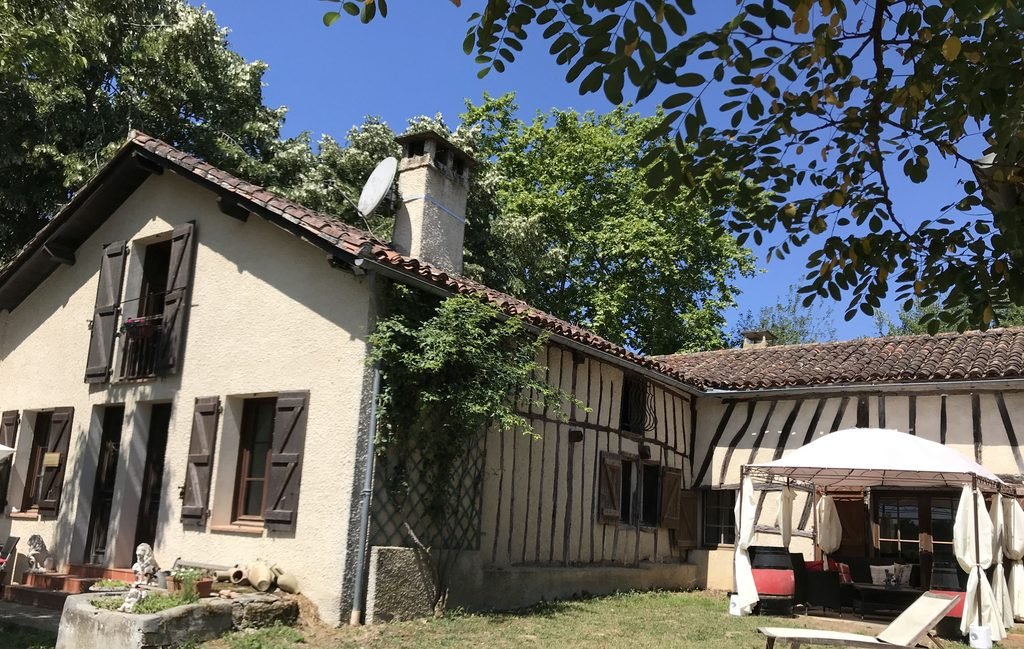

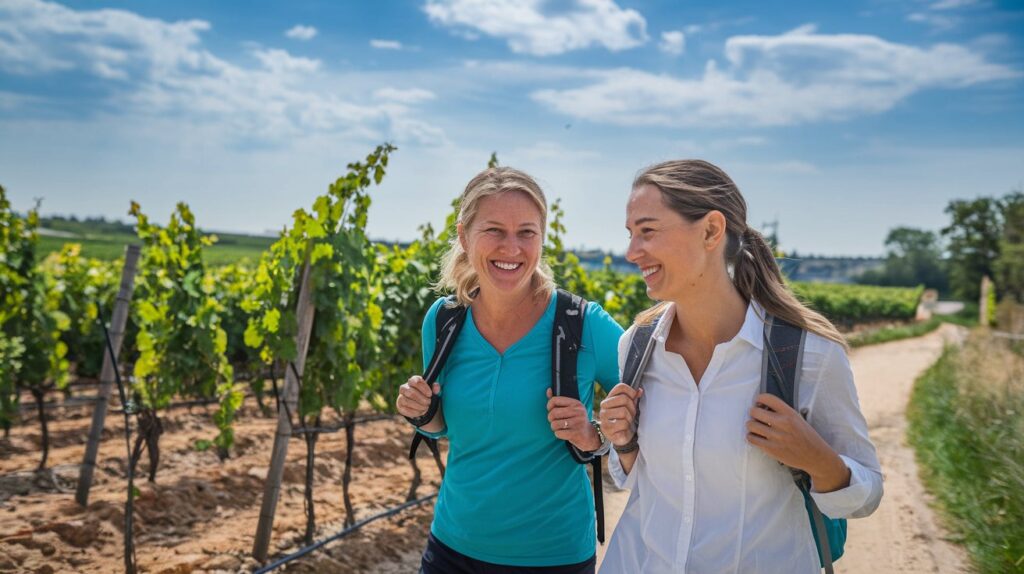

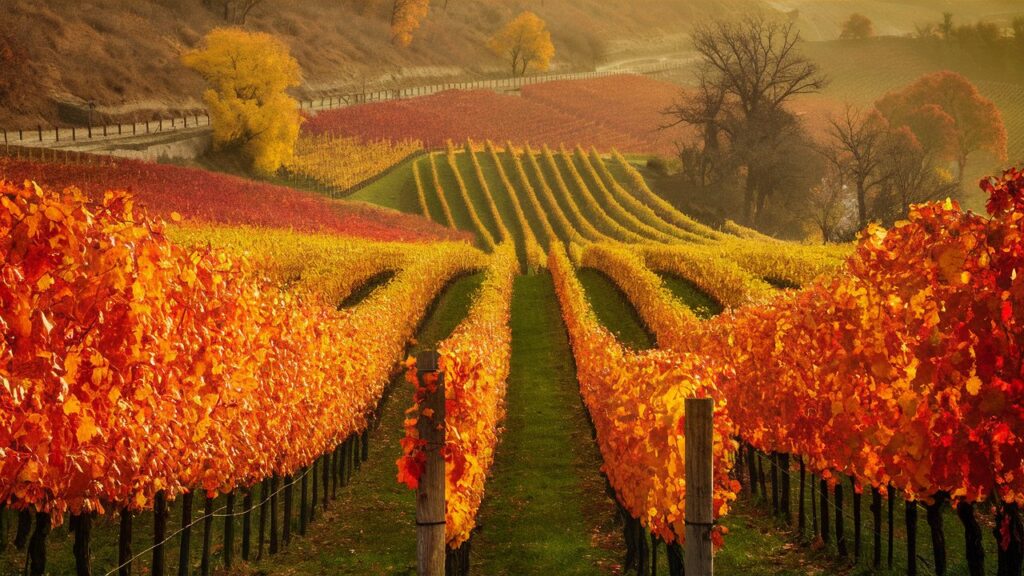

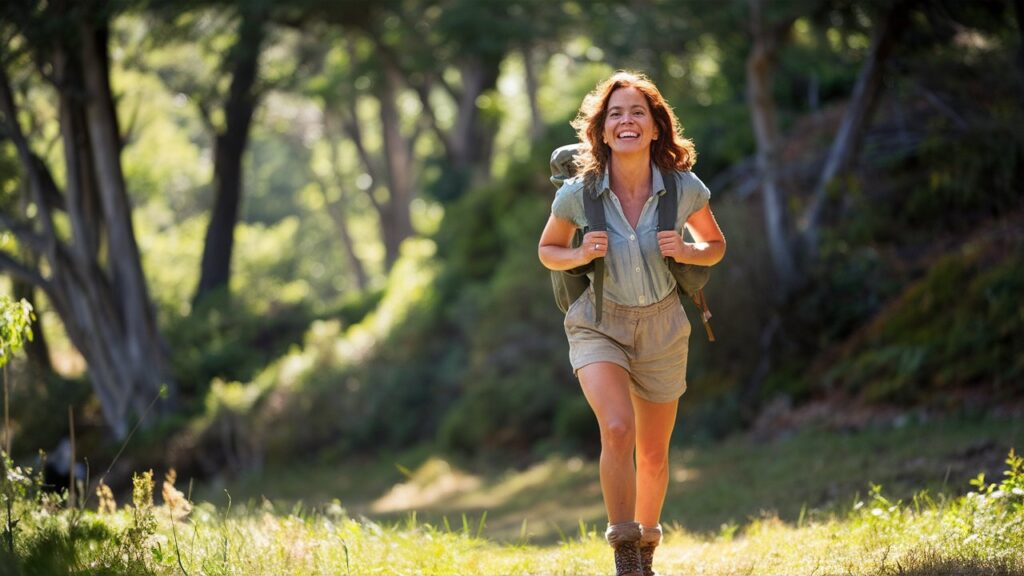
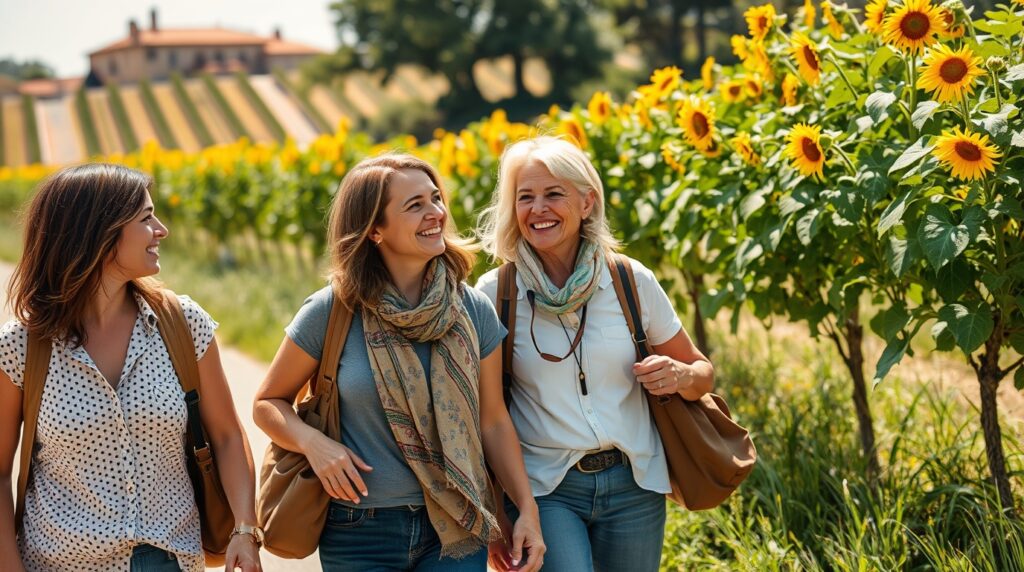

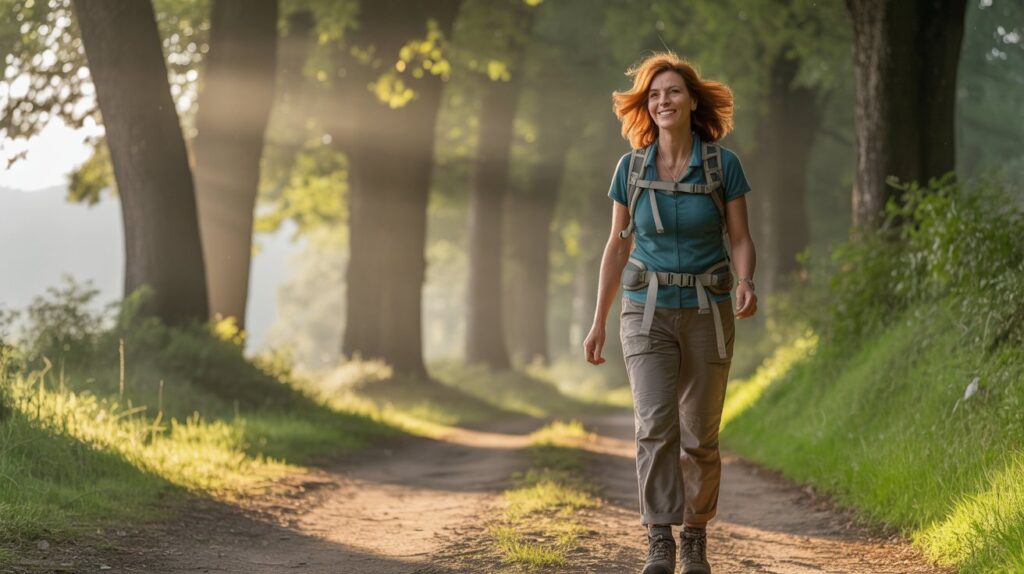

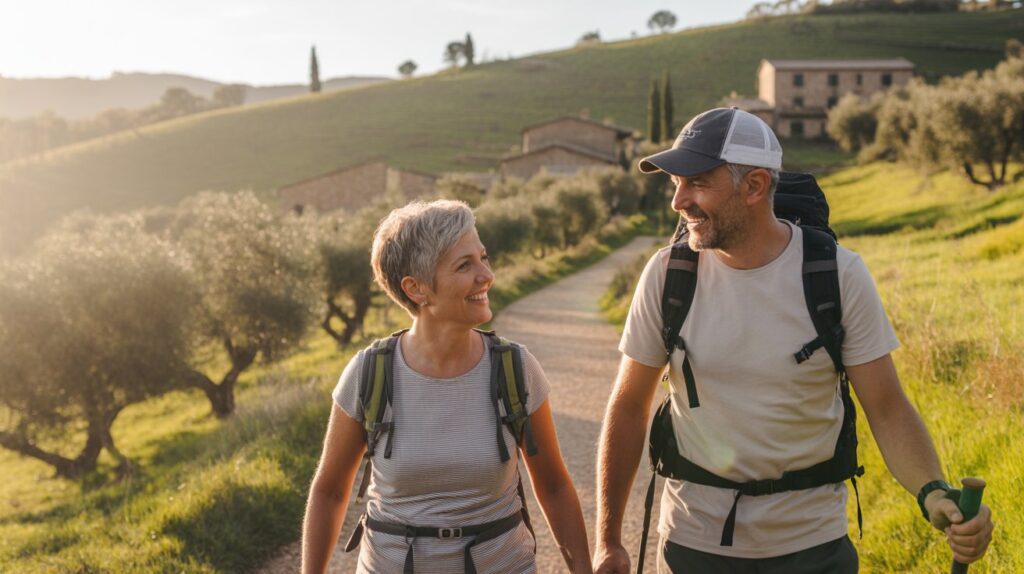
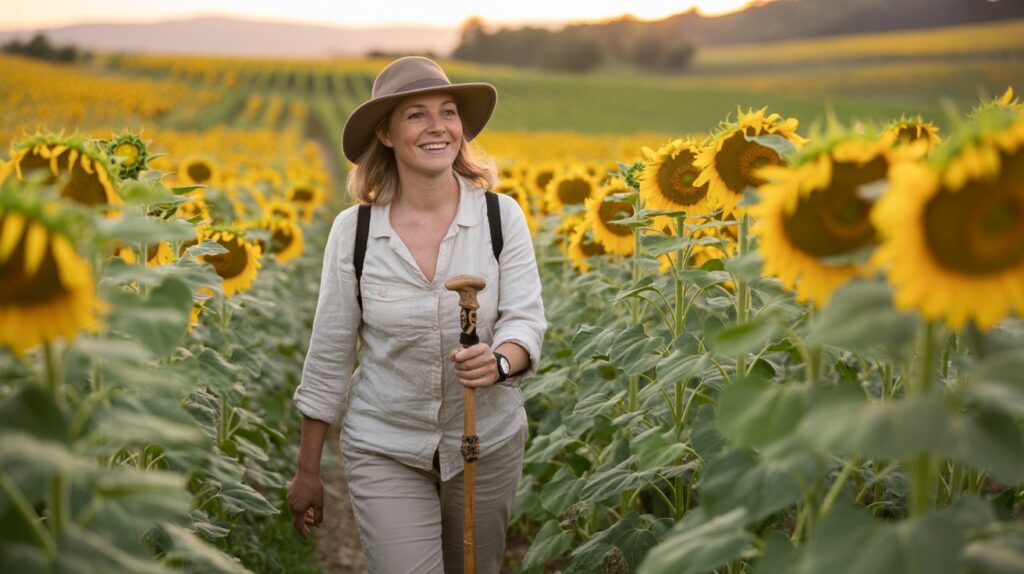

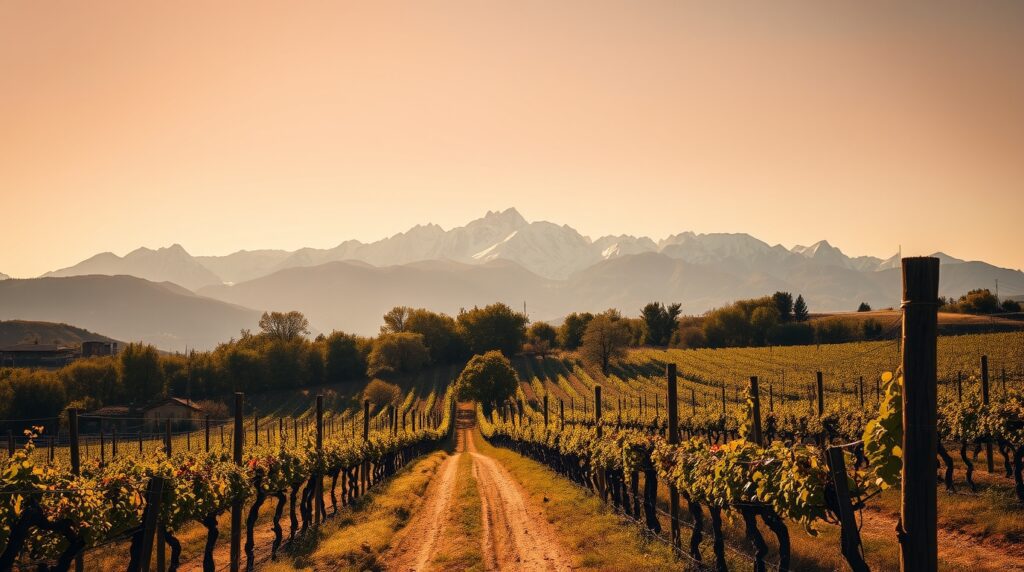
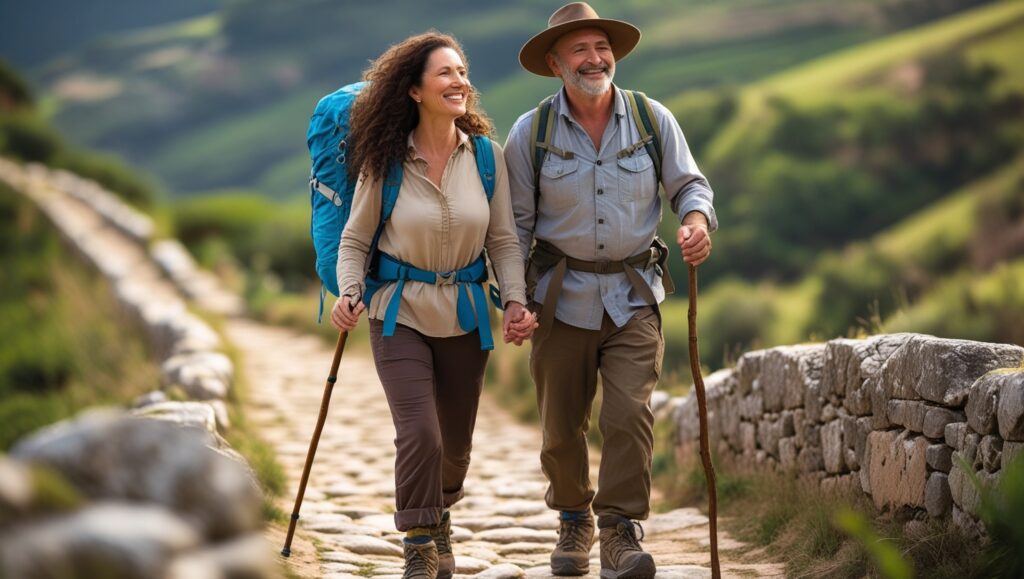
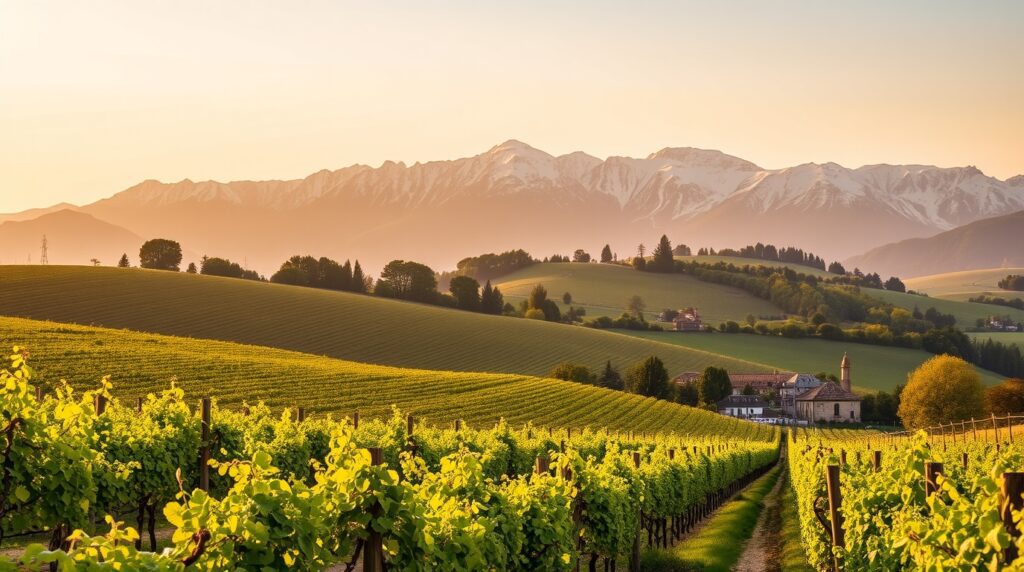
If your soul is craving fresh air, meaningful movement, and a chance to reconnect with nature, join us on a Camino de Santiago Walking Retreat in the southwest of France. This isn’t just a scenic hike – it’s a powerful, natural reboot for your body, mind, and spirit. Imagine quiet paths, rolling hills, cozy evenings, and slow conversations. No fitness requirements. No forced bonding. No pressure to have a breakthrough. Just one foot in front of the other, and finding your way to a brighter future.
Research
1. “Social Bonding Through Shared Experiences: The Role of Emotional Intensity” — Royal Society Open Science (October 2024)
The most directly relevant study to this article’s central argument was published in one of the world’s most respected scientific journals. The research found that sharing intense emotional experiences — positive or negative — with others motivates individuals to interact for bonding purposes, with joint attention identified as a prerequisite for the phenomenon. In plain terms: the shared physical and emotional intensity of walking the Camino together — the hills, the vineyard descents, the unexpected conversations — is not just pleasant. It is neurologically bonding in ways that sitting across a restaurant table cannot replicate. This is the science behind why Bridget’s hillside confession happened on day three of the walk rather than at any of the twenty-six years of dinners. Psychology Today
2. “Transformative Power of Friendships: Examining the Relationships Among Friendship Quality, Self-Change, and Wellbeing” — ResearchGate / Journal of Social and Personal Relationships (January 2024)
This is the study that directly underpins this article’s self-expansion argument. The research establishes that self-expansion — driven by the desire to increase potential self-efficacy and accomplish goals — occurs in two primary ways: through forming close relationships, and through engaging in novel activities that are challenging or interesting, either alone or with others. A five-day walking retreat on the French Camino delivers both simultaneously, which is precisely why it deepens friendship in ways that a familiar dinner in a familiar restaurant cannot.
3. “Buy Experiences Instead of Possessions to Build Social Connection” — Scientific American (Gilovich, Kumar & Mann)
The accessible, authoritative synthesis of Cornell University’s decade of research into experiential spending and social connection — and the one most likely to resonate with a general reader. Experiences connect people with others and provide memories of that connection that can be revisited — and after an experience has been consumed, it endures in the social relationships it helped to cultivate, with people who recalled an experiential purchase significantly more likely to choose social over solitary activities afterwards. This is the research behind the article’s closing argument: that the story Nina, Bridget, Clare, and Justine are still telling each other at eighty is not an aspiration. It is, according to the science, exactly what shared experiential memories are built to do.

Author Bio: Dr Margaretha Montagu – described as a “game changer”, “gifted healer”, “guiding light” and “life-enriching author” – is an experienced medical doctor, a certified NLP practitioner, a medical hypnotherapist, an equine-assisted psychotherapist (EAGALAcertified) and a transformational retreat leader who guides her clients through life transitions – virtually, or with the assistance of her Friesian and Falabella horses, at their home in the southwest of France.