Countdown to Christmas Calendar – Day 19

December 19, 2025 – 6 days to Christmas!

Theme: Making Friends and Maintaining Friendships

Today’s Story: Christmas Punch (Recipe Included)

For Penny.

Eleanor had been hunting for the nutmeg—surely she’d bought nutmeg at some point in the last two decades—when her hand touched a dusty cardboard box, wedged behind the huge punch bowl she never used and a fondue set she had used once and regretted buying ever since.

The recipe box smelled peculiar: of cheap perfume and Gauloises cigarettes and bitter wine, of the papeterie on Rue Gambetta, where she and Chloe bought notebooks so they could write secret notes to each other even though they saw each other every single day.

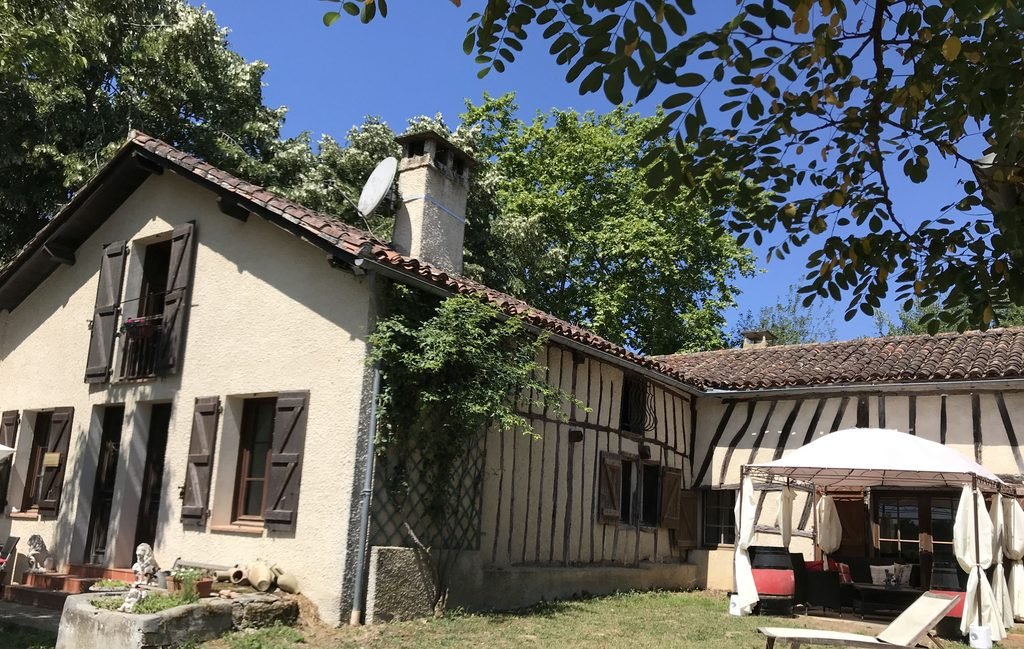
Outside, the wind rattled the shutters insistently. Biarritz, usually a sun-splashed seaside town where surfers, stylish retirees, and impeccably groomed dogs all share the same glamorous promenade. Not today.

Inside, the silence had a texture now, something thick enough to chew. Hers was an empty nest. Three days since she’d driven her son Mathis to the train station, his overstuffed duffel leaving a dent in her back seat that hadn’t popped back up yet. The house still smelled of his cologne in places—the hallway, the bathroom—but already those pockets of scent were dispersing.

Eleanor sat at the kitchen table, the recipe box between her hands. Her coffee had gone stale an hour ago. She’d been staring at the garden, where the hydrangeas were brown now and papery, their lacey big heads bowing under the weight of the morning’s rain.

She blew the dust off the box, sneezed violently and opened it.

Chloe’s handwriting seemed to jump off the paper: looping, chaotic, the ‘i’s’ never dotted, the ‘t’s’ crossed with aggressive slashes that sometimes tore through the paper. There were recipes, yes: a Clafoutis that wouldn’t (couldn’t) set, a Cassoulet that required three days’ patience and the temperament of a saint, a Marmitako that tasted like every fisherman in the Bay of Biscay had contributed an opinion, a Gâteau Basque whose cherry filling staged a quiet rebellion and escaped at the edges, a Merluza en Salsa Verde that refused to turn verde no matter how much parsley she used to bribe it—but more than that, there were notes. Eleanor, don’t you dare – if you make this without me, I’ll know. I’ll KNOW. And underneath a recipe for quiche: Remember the salt. REMEMBER THE SALT. They’d actually forgotten the salt once. More than once, actually.

She pulled out cards at random. Chloe’s mother’s Croustade, annotated with too much sugar, not enough Armagnac. A recipe for Bisque de Homard that included the instruction tell the fishmonger you’re Basque, so he’ll give you the decent stuff. And then, at the very bottom, creased and stained with something that might have been wine or might have been fruit juice or might have been a mix of both: The Christmas Punch.

Eleanor laughed out loud, the sound sharp and startling in the empty kitchen.

Le Punch Explosive de Noël, Chloe had written across the top in red pen, the letters getting progressively larger. For when you want your guests to either love you forever or never speak to you again.

The ingredients LOOKED innocent enough. Champagne, obviously, because they’d been twenty-four and thought champagne made everything awfully sophisticated. And Armagnac— smooth, dark and mysterious, preferably from Chateau de Ravignan, Chloe had underlined this three times. Lychee juice from a can, because there’d been a Chinese grocery near Chloe’s apartment and they’d been obsessed with it. Fresh ginger. Star anise. And then, in Chloe’s handwriting: Angostura bitters, but like, a LOT. More than you think. Keep going. MORE.

Underneath, in Eleanor’s own younger hand: We made this exactly TWICE, and both times people cried. Bitterly.

Her phone was in her hand before she’d decided to pick it up. Chloe’s number was still there, fifteenth in her contacts, untouched for—what? A year? More? They’d texted on birthdays. They’d sent the occasional article link, the kind of thing that said thinking of you without requiring a response.

Eleanor’s thumb hovered over the call button.

It rang four times. She was about to hang up when—

“Allô?” Chloe’s voice, rougher than Eleanor remembered, scratchy with what might have been a cold.

“I need to know,” Eleanor said, “whether the lychee juice in the Christmas punch was from a tin or a jar.”

Silence. Then: “Eleanor?”

“Because I’m looking at the recipe, and it says lychee juice, but I can’t remember if we used the stuff in the tin with the whole lychees or if there was some kind of juice situation—”

Chloe’s laugh was exactly the same, that bright, startled bark that always sounded like she’d surprised herself. “So. You found it. You found the box?”

“I found the box.”

“The punch. Eleanor. That punch sent three people home in taxis. One via the Accident and Emergency department, if I remember correctly.”

“Four,” Eleanor corrected. “Four people. You’re forgetting Marc’s roommate.”

“I’ve tried very hard to forget all about Marc’s roommate.”

They were both laughing now, and Eleanor realised her eyes were wet, which was stupid; it was just a punch recipe, but Chloe’s voice in her ear felt like slipping into a warm bath after standing too long in the cold.

“It was a tin,” Chloe said. “Definitely a tin.”

Outside, the light was changing, the grey lifting slightly as the clouds shifted. Eleanor got up and moved to the window, the phone pressed to her ear, the recipe card still in her other hand. The ocean was a line of darker grey against the lighter grey of the sky.

“So Mathis left,” Chloe said, not quite a question.

“Three days ago.”

“And you’re calling me about punch.”

Et oui, en effet.

Another pause. Eleanor could hear sounds on Chloe’s end now—a kettle whistling, the clink of a spoon against ceramic. Strasbourg, a storybook city where half-timbered houses lean over quiet canals, where you can wander medieval cobblestone streets and accidentally bump into a European Parliament official buying pretzels. Chloe was in Strasbourg, in her kitchen, probably looking out at the cathedral spires. Fifteen years in Alsace, selling artisanal soap and living with a German sculptor named Klaus and sending occasional photos of her balcony garden, where somehow, impossibly, she grew tomatoes that actually ripened.

“The bitters,” Chloe said. “Do you remember why we used so much?”

“Because you said it needed ‘complexity.'”

“I was such a pretentious git.”

“You were. You really were.”

“And you let me put star anise in champagne.”

“I did. I’m complicit.”

They talked about the punch. They talked about the other recipes in the box—the disastrous coq au vin that had somehow been both burnt and raw, the tarte tatin that stuck to the baking tray and had to be served as ‘deconstructed,’ which was not yet a trendy thing to say. They talked about the New Year’s Eve party where they’d served the punch in a ceramic bowl that Chloe had insisted was vintage but was actually from Monoprix.

“We were so sure we were sophisticated,” Chloe said.

“We wore hats indoors.”

Decorative hats.”

“We discussed Sartre at bars.”

“Even though we’d never actually read Sartre.”

The sun came out, briefly, and Eleanor watched the light catch on the brown hydrangea petals, making them translucent.

“I miss you,” Eleanor said, and was surprised that she’d said it out loud.

Chloe was quiet for a moment. Then: “What are you doing Christmas Eve?”

“Mathis won’t be back until the 27th. Thomas is at his father’s until New Year’s.”

“So you’re alone.”

“I have a book. Several books. And I was thinking about reorganising the—”

“No,” Chloe said, with the same firmness she’d used to veto Eleanor’s terrible dating choices. “Absolutely not. We’re making the punch.”

“Chloe—”

“We’re making it. Both of us. Video call. I’ll get the ingredients in Strasbourg, you get them in Biarritz, and Christmas Eve at—what, eight? We’ll make it together.”

Eleanor looked at the recipe card, at the stains and the annotations and the exclamation points. At Chloe’s handwriting, which she’d recognise anywhere, in any decade.

“It’s a terrible recipe,” she said.

“It’s a catastrophic recipe.”

“People cried.”

“Klaus will hate it.”

“Klaus is spending Christmas with his mother in Stuttgart. It’ll be just us. Like old times, except with working plumbing and better wine.”

Eleanor’s throat was tight. The kitchen felt less empty now, less like a stage with all the actors gone and more like a room where something was about to happen.

“Eight o’clock,” she said.

“Christmas Eve.”

“Don’t forget the bitters.”

“Oh, I’m bringing so many bitters. An irresponsible amount of bitters.”

After they hung up, Eleanor stayed at the window. The sun had gone again, but somehow the garden looked different—expectant, maybe, or just more patient with its own bareness. She put the recipe card on the refrigerator, held up with a magnet shaped like a Basque cross that her mother had given her decades ago.

The silence in the house was still there, but it had shifted. It was the silence before a phone call, before a laugh, before the sound of ice cubes dropping into glasses and champagne fizzing and someone saying more bitters, keep going, MORE.

She picked up her coffee cup and dumped the cold remains down the sink. Then she put on her coat and grabbed her shopping bag and headed out into the December afternoon, where the wind tasted like salt, and the market would still be open, and somewhere—probably at the little Asian grocery near Les Halles—there would be lychees in a tin.

Punch de Noël recipe: Mix together in a large punch bowl: 1 Litre 100% cranberry juice, 2 bottles very dry sparkling wine (750 ml bottles) , ex Champagne or Prosecco, 500ml apple cider, 300ml lychee juice, 300ml Armagnac, 2 oranges and a star fruit, thinly sliced with rim attached, no Angostura bitters. Grated ginger, star anise to taste. Ice. Lots.

Making Friends and Maintaining Friendships Masterplan

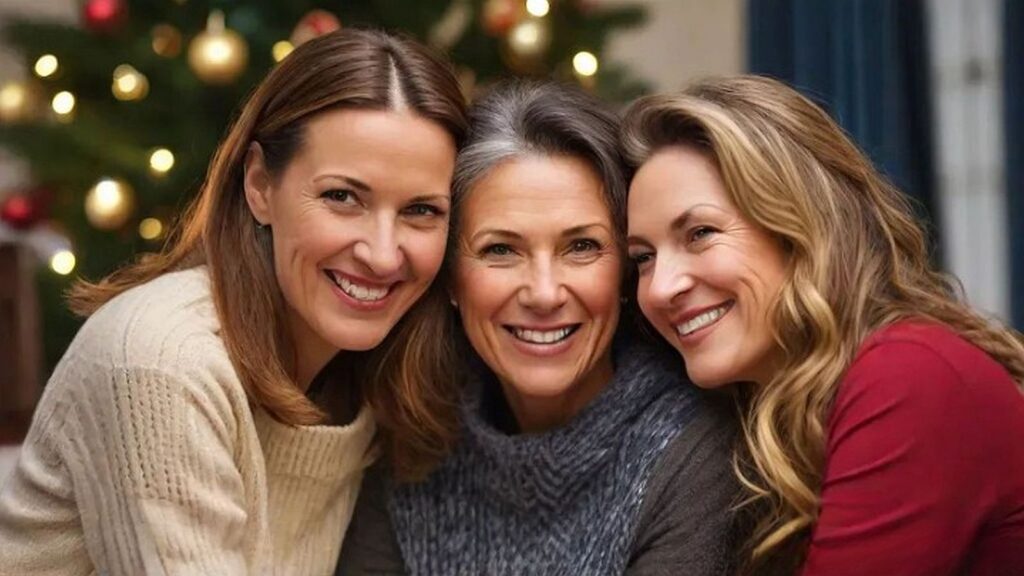
True friends reflect the best parts of us, even when we can’t see them ourselves. They remind us of our strengths, our potential, and our ability to overcome life’s challenges. In times of transition, this reflection can be a lifeline, helping us rediscover who we are.

Take a moment to think about a friend who sees your light even when you feel surrounded by darkness. What qualities do they notice in you that you sometimes forget? Their belief in you is a gift, one that can inspire you to step into your own power.

Friendships aren’t just about comfort—they’re about growth. When you let friends reflect your strengths back to you, you gain the courage to keep moving forward.

Today’s Intention: Call someone you’ve lost touch with. Not to catch up properly or have a deep conversation, but for something small and specific and possibly ridiculous. A recipe. A song lyric. The name of that restaurant. Whatever excuse gets you to dial.

Worst case scenario: It’s awkward. The conversation stumbles. You remember why you drifted apart—not because of anything dramatic, just because life pulled you in different directions and neither of you fought it. You hang up feeling foolish for thinking fifteen years could be bridged by a punch recipe. The silence in your house gets louder.

Best case: You remember why you loved them in the first place. The conversation goes on for hours. You laugh until your face hurts. You realise the friendship wasn’t dead, just dormant, waiting for someone to be brave enough to pick up the phone. You make plans—concrete plans, not the vague “we should get together sometime” kind. You build a new tradition that honours who you both were and makes space for who you’ve become. You discover that the people you need most in your life might already be in your phone, just waiting for you to remember they matter. You end up with a video call on Christmas Eve, both of you in your kitchens hundreds of kilometres apart, making a terrible punch and laughing so hard you can barely see the screen through tears, and somewhere in that chaos of star anise and too many bitters you find your way back to the person who knew you when you wore decorative hats and discussed philosophers you’d never read, and you realise that the best friendships don’t end—they just wait, patient as hydrangeas in December, for someone to notice they’re still there.

What’s one positive quality a friend has pointed out in you? How can you nurture that quality in yourself?

Newsletter Subscription

I’m still collecting subscriptions to my news letter with these post, so if you haven’t subscribed already and would you like to find out what type of friend you are, how well you know your friends or if you and a new friend really are compatible, subscribe my filling in your email address in the box below and I’ll send you a set of light-hearted quizzes, quotes and questions to help you do just that. Just fill in the form below and you’ll get immediate access to them all. You can unsubscribe from this list effortlessly and at any time. Included:

How well do you know your Friends? Quiz
What is Your Friendship Style? and Are your Friendship Styles compatible? Quiz
20 of the Most Inspiring Friends and Friendship Quotes and
20 lighthearted Questions you can ask to get to know a new Friend

Discover how to build meaningful, lasting friendships and create a support system that truly has your back—delivered straight to your inbox!

Designed for those navigating a life transition, the Radical Renaissance Protocol guides you through an identity reset, helping you reconnect with your purpose, realign your values, and reclaim the clarity you thought you’d lost. This isn’t about fixing what’s broken: through reflection, strategic reinvention, and soul-anchored mentoring, you’ll transform uncertainty into direction and dormant potential into meaningful impact.

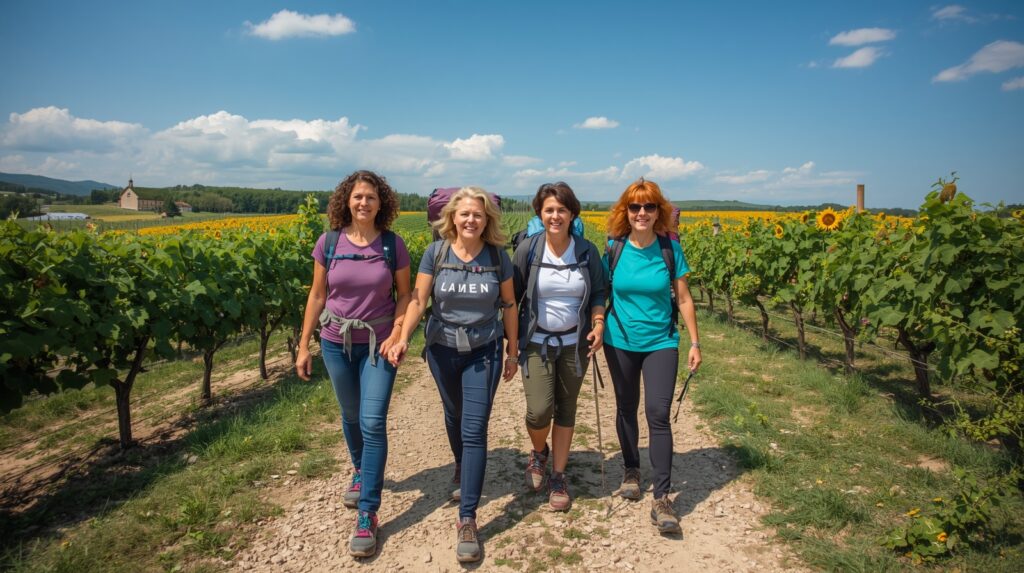
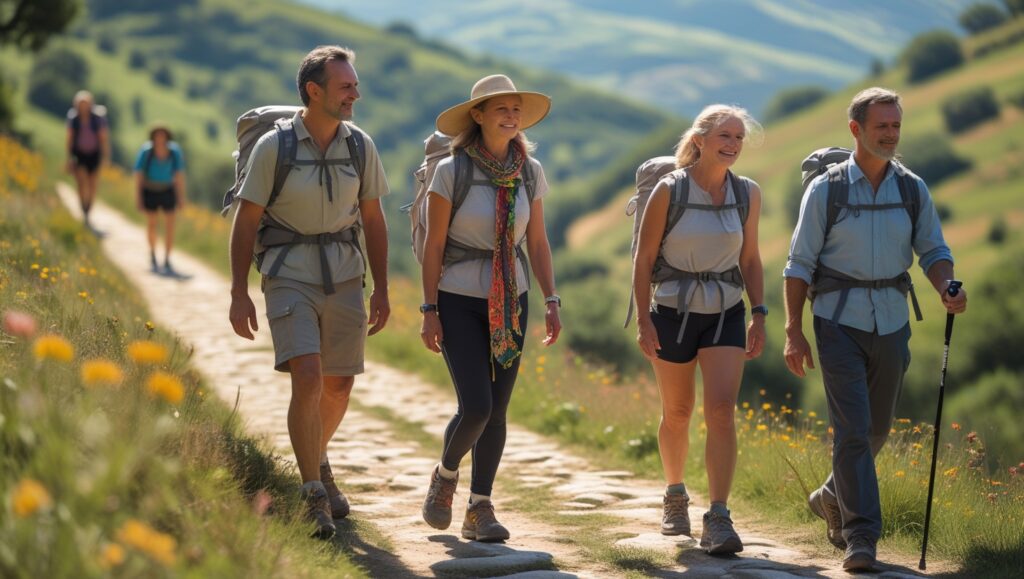
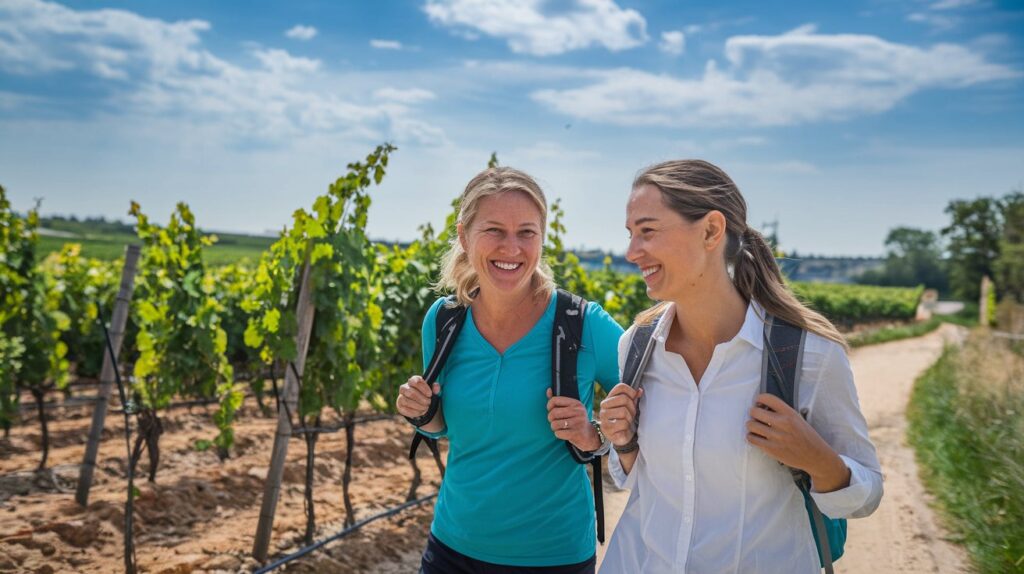
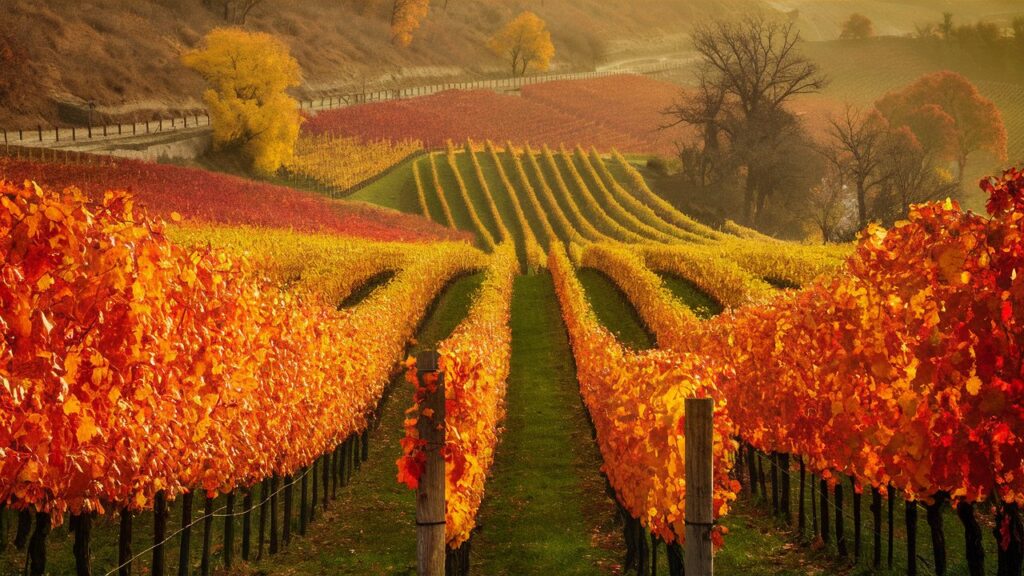
If your soul is craving fresh air, meaningful movement, and a chance to reconnect with nature, join us on a Camino de Santiago Crossroads Retreat in the southwest of France. This isn’t just a scenic hike – it’s a powerful, natural reboot for your body, mind, and spirit. Imagine quiet paths, rolling hills, cozy evenings, and slow conversations. No fitness requirements. No forced bonding. No pressure to have a breakthrough. Just one foot in front of the other, and a journey that meets you exactly where you are.

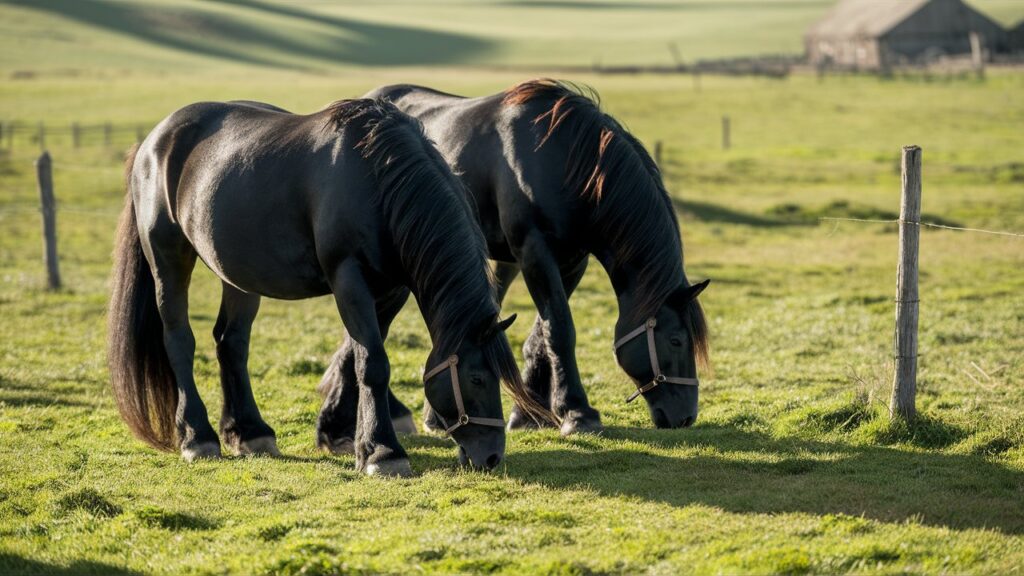
Author Bio: Dr Margaretha Montagu – described as a “game changer”, “gifted healer”, “guiding light” and “life-enriching author” – is an experienced medical doctor, a certified NLP practitioner, a medical hypnotherapist, an equine-assisted psychotherapist (EAGALAcertified) and a transformational retreat leader who guides her clients through life transitions – virtually, or with the assistance of her Friesian and Falabella horses, at their home in the southwest of France.

Countdown to Christmas Calendar – Day 18

christmas dinner

18 December 2025 – only 7 days to Christmas!

Theme: Making Friends and Maintaining Friendships in Difficult Times

Today’s Story: Walking Wednesdays

Harold stood in the car park of the Plage de Messanges, watching a group of men mill about near the wooden walkway that led down to the beach. December wind came off the Atlantic in cold gusts that tasted of salt, under a heavy sky, the colour of wet slate.

His daughter had been relentless: “Dad, you need to get out. What about the widowers’ walking group that meets on Wednesdays? Why don’t you go? Once, at least.”

He’d agreed because it was easier than arguing and because Emma had inherited her mother’s stubbornness—that particular quality Catherine deployed like a surgical instrument. Resistance was futile. Emma would probably just appear at his door every Wednesday morning with her coat already on, car keys jingling, until he surrendered.

One walk. He’d do one walk, report back that it was dreadful, and return to his comfortable routine of coffee, crosswords, and the fiction that Catherine was just in the next room, reading, about to call out something inconsequential about the neighbours’ entitled cat.

A man detached himself from the group—early seventies, face weathered to the colour of old oak, wearing the kind of practical waxed jacket that suggested this was not his first walk.

“You must be Harold. I’m Jean-Pierre. Welcome to les marcheurs du mercredi.” His English carried the music of the southwest, vowels rounded by a lifetime of speaking Gascon at market stalls. “We walk, we don’t talk much, we drink a cup or two of coffee together afterwards. Et c’est tout.”

“How long do you walk?”

“However long feels right. Some days five kilometres, some days two. Some days we just stand here watching the ocean until we get too cold.” He shrugged—shoulders, hands, eyebrows all participating in a gesture that managed to convey centuries of French philosophy about the absurdity of asking how long a piece of string was. “We just show up and see.”

The group set off without fanfare or introductions. Eight men, ranging from perhaps fifty to somewhere past eighty, walking in a loose cluster that shifted like birds in formation. No one spoke. The only sounds were boots grinding against sand mixed with crushed shells, wind rattling through the sharp leaves of oyat grass, and the constant percussion of waves hitting the shore in irregular rhythm—crash, hiss, silence, crash.

Harold had expected—what? Some sort of grief support session with walking as an excuse? The kind of awkward male bonding that involved talking about rugby to avoid talking about anything that might hurt?

Instead: silence. Comfortable, undemanding silence.

They walked north along the beach where the sand was firm and dark from the retreating tide, marked with the delicate tracks of sanderlings. The ocean was steel-grey, with white foam where waves collapsed in on themselves. A few surfers in black wetsuits bobbed in the distance like seals, waiting for a wave worth riding. The beach stretched empty in both directions—the off-season gift of French coastal towns.

After perhaps twenty minutes, Jean-Pierre spoke: “Six months?”

Harold nodded, throat tight.

“The worst part.”

“Everyone says it gets better.”

“Bof.” Jean-Pierre made that particularly French sound of implied scepticism—somewhere between a scoff and a sigh. “It does not get better. It gets different. You learn to carry it. But it’s always there.”

A man on Harold’s left—younger, maybe mid-fifties, hands shoved deep in his pockets, spoke without looking at anyone: “Six months for me too. Last June. Heart attack. She was fifty-two.”

Silence. Just the crunch of sand, the shriek of a gull overhead.

“The Christmas lights went up in town yesterday,” the younger man—Michel—continued. “First time seeing them without her. Thought I’d be ready. I was wrong.”

“No one is ready for the firsts,” said an older man with a pronounced limp, Bernard. “First Christmas, first birthday, first spring…”

“My wife loved dogs,” Harold heard himself say. The words came out raw, unplanned. “Always wanted one. I kept saying, after I retired, when we had more time. Then she got sick, and suddenly time was the one thing we didn’t left. We had forty-two years, and somehow it wasn’t enough time for a dog.”

“Mine loved this beach,” Jean-Pierre said quietly. “Walked it every morning, six-thirty, rain or shine. Even in January, when the wind tended to knock you sideways. For two years after she died, I couldn’t come here. Felt like trespassing on her private property, vous comprenez? Then one day I realised—merde, she’d be furious that I stayed away. She’d want me to come here. She’d want me to freeze my but off just like she did.”

Someone laughed—a soft, knowing sound, almost whipped away by the wind, before Harold could catch it.

“I keep setting two places at dinner,” Michel said. “Nine weeks in a row now. Every single time I realise what I’ve done, I feel stupid. But my hands just do it. Napkin, fork, knife. Napkin, fork, knife. Twice.”

“I still say goodnight to an empty bedroom,” someone else offered—Philippe, Harold thought. “Three years. Still doing it. Bonne nuit, chérie, like she’s just in the bathroom.”

“I bought her a Christmas present without thinking,” said Bernard, pausing to adjust his weight off his bad leg. “Silk scarf, her favourite colour—that particular blue, like the ocean on a perfect June day. It’s still in my car. Can’t return it, can’t throw it out, can’t look at it. It’s just there in the boot under a blanket.”

Harold felt his shoulders loosening, something unclenching in his chest. These men with their habits and their ghosts and their stubborn insistence on walking on the beach every Wednesday, carrying what couldn’t be put down, what couldn’t be left behind, no matter how far you walked.

By the time they reached the car park, Harold’s face was numb from the cold. His legs ached, but his mind felt clearer than it had in months.

“Coffee,” Jean-Pierre announced, leading the way to Mamasé, a small café in the heart of the village—the only one open in December, its windows fogged with warmth and light spilling onto the wet pavement like an incantation.

Inside, it smelled of espresso and cardamom, cinnamon and something else—ginger maybe. A wreath hung on the far wall, simple pine branches and red ribbon, and someone had arranged a small nativity scene on the counter—santons from Provence, hand-painted, the shepherds looking appropriately bewildered.

They claimed a large table scarred with use. A tall woman with box braids and an easy smile brought coffee without being asked—real ceramic cups, not those little tourist thimbles—and a plate of canelés that she placed in the centre of the table with a firm, “Profitez, messieurs.” The pastries were perfect: caramelised outside, soft custardy centres that tasted of vanilla.

The men talked now—about the weather (the forecast called for storms), local politics (the new mayor was an idiot), someone’s grandson’s wedding (in Bordeaux, too much money spent on flowers and not enough on wine). Easy conversations. Harold learned their names: Michel. Bernard. Luc, Philippe, André, Christophe. Each one carrying his own grief, none of it on display like a badge, all of it shared in the spaces between words.

“So,” Jean-Pierre said eventually, catching Harold’s eye over the rim of his coffee cup. “Next Wednesday?”

Harold thought about his empty house waiting for him. His daughter’s worried phone calls that came every evening now, her voice too bright, too careful. Catherine’s reading glasses still on the bedside table where she’d left them six months ago, one arm slightly bent from where she’d dozed off wearing them that last week. The way silence had become both refuge and sentence.

“I’ll be here,” Harold said. The words felt solid, real. “I’ll be here.”

Harold sat for a moment after they’d gone, watching rain blur the café window, watching the Christmas lights smear into soft halos of colour. He wouldn’t tell Emma about the walking yet—let her think she’d won too easily and she’d find something else for him to join. Some pottery class or book club where he’d have to make small talk with strangers. But he’d be back on Wednesday. And the Wednesday after that.

Life after loss header

Life after Loss isn’t just another grief book. Written by a medical doctor with decades of experience in psychology and men’s reactions to loss, this book suggests a strategic, science-backed framework designed for men who want to process loss, rebuild identity, and create a life with renewed purpose.

The Making Friends and Maintaining Friendships Masterplan

Today, join a group specifically designed for people going through what you’re going through. Don’t wait until you feel ready. You’ll never feel ready. Show up anyway.

Worst case scenario: You spend a few hours with people you don’t connect with, walk on a cold beach, drink mediocre coffee, and decide it’s not for you.

Best case scenario: You find your Wednesday people—the ones who understand what you’re going through, who walk beside your grief without trying to fix it, who show up week after week not because they have answers but because they know that sometimes the only answer is silence. You discover that healing isn’t about moving on or getting over it—it’s about learning to carry what you’ve lost, one step at a time, until one day you realise you’ve walked further than you thought possible and you’re not walking alone anymore.

In times of transition, it’s easy to overlook the small, beautiful moments that make life meaningful—especially in friendships. These small wins could be as simple as an honest conversation, a laugh shared over coffee, or a moment of understanding that reminds you why this person is in your life.

Friendships don’t need grand milestones to thrive. They flourish in the quiet, consistent acts of care and attention that you both invest in each other. Celebrate the friend who checks in on you, the one who makes you smile when things feel heavy, or the friend who simply sits with you in silence.

What’s a small but meaningful moment you’ve shared with a friend recently?

Subscribe to my Newsletter

I’m still collecting subscriptions to my news letter with these post, so if you haven’t subscribed already and would you like to find out what type of friend you are, how well you know your friends or if you and a new friend really are compatible, subscribe my filling in your email address in the box below and I’ll send you a set of light-hearted quizzes, quotes and questions to help you do just that. Just fill in the form below and you’ll get immediate access to them all. You can unsubscribe from this list effortlessly and at any time. Included:

How well do you know your Friends? Quiz
What is Your Friendship Style? and Are your Friendship Styles compatible? Quiz
20 of the Most Inspiring Friends and Friendship Quotes and
20 lighthearted Questions you can ask to get to know a new Friend

Discover how to build meaningful, lasting friendships and create a support system that truly has your back—delivered straight to your inbox!

Designed for those navigating a life transition, the Radical Renaissance Protocol guides you through an identity reset, helping you reconnect with your purpose, realign your values, and reclaim the clarity you thought you’d lost. This isn’t about fixing what’s broken: through reflection, strategic reinvention, and soul-anchored mentoring, you’ll transform uncertainty into direction and dormant potential into meaningful impact.

If your soul is craving fresh air, meaningful movement, and a chance to reconnect with nature, join us on a Camino de Santiago Crossroads Retreat in the southwest of France. This isn’t just a scenic hike – it’s a powerful, natural reboot for your body, mind, and spirit. Imagine quiet paths, rolling hills, cozy evenings, and slow conversations. No fitness requirements. No forced bonding. No pressure to have a breakthrough. Just one foot in front of the other, and a journey that meets you exactly where you are.

Author Bio: Dr Margaretha Montagu – described as a “game changer”, “gifted healer”, “guiding light” and “life-enriching author” – is an experienced medical doctor, a certified NLP practitioner, a medical hypnotherapist, an equine-assisted psychotherapist (EAGALAcertified) and a transformational retreat leader who guides her clients through life transitions – virtually, or with the assistance of her Friesian and Falabella horses, at their home in the southwest of France.

Countdown to Christmas Calendar Day 17

Theme: Making Friends and Maintaining Friendships

December 17, 2025 – 8 days to Christmas

Today’s Story: One Step at a Time

For Rosie.

Céline had officially decided that life could take its unwanted diagnosis and kindly shove it into a snowdrift.

Preferably one a million miles from her little flat. Lourdes had turned itself into a Christmas snow globe: the Basilica glowing bright blue in the cold dusk, pilgrims queuing for crêpes near the Gave de Pau, the deep, dark river glittering with reflections of twinkling lights, and cafés steaming up their windows with the scent of café crème and sugar-dusted beignets.

Céline, however, was taking no part in any of it. She had been hibernating beneath an absurdly thick goose-down duvet for three days straight, cocooned in its protective warmth and, until a determined knock finally rattled her door.

“Open up,” Jean called.

“I’m not here,” Céline croaked from under her duvet.

“I can hear you not being here,” he replied. “Open the door.”

She cracked the door open an inch. Jean stood there wrapped in layers of wool, and the unshakeable smugness of someone who knew he was doing the right thing. Snowflakes melted on his beard, forming tiny rivers that made him look like a Saint Bernard who’d had a spiritual revelation.

Céline, horrified, stared at the shopping bag Jean had dropped on her kitchen table.

“No,” she said.

“Yes,” Jean replied, already unpacking: thermal base layers, waterproof shells, crampon-compatible boots and a sleeping bag rated to minus-twenty.

“I’m not going hiking.”

“Of course you are. It’s exactly what you need.”

“Jean, I have a medical—”

“I know. The doctor told you six weeks ago. You’ve spent those six weeks in this apartment Googling symptoms and stalking sad people on the internet who have the same diagnosis. Wasting precious time. Now we’re going to the mountains because I’m your friend and I’ve decided to kidnap you for your own good. Legally ambiguous, maybe, but morally sound.”

Céline looked at Jean—fifty-three, weathered by thirty years of guiding tourists up and down Pyrenean peaks. He wasn’t leaving. He’d stand there until she packed or until she called the police, and probably the police wouldn’t help, because he gave most of them their mountain rescue training.

“I’m not doing Christmas this year,” she said.

“Fine,” he said. “Then we’re going hiking.”

He shoved a thermos into her hands. It was warm. It smelled like hot chocolate. Dark, thick, sinful piping hot chocolate. She glared at it. He smirked.

“You monster,” she whispered.

Before she had time to rally her defences, they were on their way. The trail to the cabin was blanketed in fresh snow, the kind that squeaked underfoot. The Pyrenees loomed on all sides, their peaks slicing the pale sky with the sort of majestic indifference only mountains can pull off. Pines sighed under the latest snowfall, and the cold stung Céline’s cheeks, sharp and honest. Her breath puffed out in angry clouds. The air smelled of pine resin and something clean and new—like the world had been scrubbed with mint.

She wanted to be home. She wanted her duvet. She wanted the version of her life that existed before her doctor dropped this diagnosis into her lap like an anvil from a great height.

Instead, she came to the belated conclusion that her friend Jean, whom she had known for thirty years, was a lunatic.

Every few minutes, she caught him glancing at her—not with pity, but with a sort of practical attention, like he was checking the weather. She found that infuriatingly comforting.

They climbed for four hours. Jean didn’t talk about her diagnosis. Didn’t ask how she was feeling. Didn’t offer platitudes about staying positive or fighting through it. He just climbed, occasionally calling back practical things: “Watch that patch of ice,” “Use your poles here,” “See that ridge? That’s where we’re going. Yes, the one that looks a hundred miles away.”

“Why aren’t you asking me about it?” Céline said, finally.

“About what?”

“The diagnosis. What it means. How I’m feeling. All the things everyone else asks.”

Jean bit into his chocolate, considering. “Because I figured you’ll tell me when you want to. Also, because right now, it really doesn’t matter.”

“Doesn’t matter? Jean, my entire life just—”

“Your entire life is right here. This mountain. This moment. That ridge we’re climbing. The fact that your left crampon is slightly loose and you need to tighten it before we continue or you’ll twist your ankle.” He gestured at the vast landscape. “Everything else is just stories we tell ourselves.”

Céline wanted to argue. Wanted to explain that it wasn’t that simple, that fear and uncertainty weren’t things you could just out-hike. But her crampon was loose. And the next section of the trail required focus or she’d fall. And arguing with Jean was like arguing with a mountain goat—technically possible, but ultimately pointless.

She tightened her crampon. They kept climbing.

When they reached the top, the wind nearly blew them over. Below stretched a valley blanketed in white, a river frozen in thick, glassy swirls reflected the sky like a broken mirror.

Céline stopped. Her heartbeat—fast from the climb, fast from fear of her own future—slowed into something steadier.

“It’s beautiful,” she said quietly.

“Yes,” Jean said. “Stunningly so.”

She almost told him everything right there—about how terrified she was, how betrayed she felt by her own body, how every choice now tasted like uncertainty.

They reached the cabin by late afternoon on Christmas Eve. It was small, wooden, and crooked in the most charming way imaginable, like a house that had attempted to bow and gotten stuck halfway. Icicles hung like crystal daggers from the eaves.

Inside, the air was warmer than she expected, scented with woodsmoke and pine needles.

Jean hung a tiny string of battery-powered fairy lights above the window.

Céline raised an eyebrow. “Really? Outdoor gear, yes. Emergency supplies, yes. But fairy lights?”

“There’s more to me than meets the eye, you know, ” he chuckled.

They ate thick winter soup, sept légumes, that warmed her from the inside out, spreading heat into places that had felt cold long before the snow came. They tucked into wild boar sausages roasted over the open fire, warm bread, and homemade butter. Afterwards, he poured her a small cup of mulled wine. The scent of citrus peel and cinnamon filled the cabin. Each sip was a tiny Christmas hug.

The wind howled relentlessly outside, but the cabin held firm.

Céline lay in her sleeping bag, every muscle aching, and thought about the trail tomorrow. About placing one foot in front of the other. About how the present moment was the only moment that actually existed.

She slept better than she had in six weeks.

The next day, they left in darkness, headlamps cutting through the predawn cold. The trail was technical—crampons biting ice, hands on rock, exposure that made Céline’s stomach drop.

Jean climbed with the steady rhythm of someone who’d done this a thousand times. Céline followed, focused on nothing but the next handhold, the next step, the way her breath became ragged in the thin air.

The summit at sunrise: Céline stood atop Taillon, all 3,144 meters of it, part of the Monte Perdido range, watching the world below ignite. Wave after wave of peaks, their jagged crowns drenched in gold, pink, and the faint lavender of early dawn. Below, the Cirque de Gavarnie yawned wide beneath them—an immense, ice-armoured amphitheatre shimmering in the cold. Spain lay hazy and honey-coloured on the southern horizon; to the north, France dozed in shadowy blues, about to wake from the night. The world felt impossibly vast, utterly indifferent, and so heartbreakingly beautiful that her breath caught in her throat.

“Fifteen years ago,” Jean said, “I fell. Bad fall, shattered leg, three surgeries. Doctors said I’d never guide again. Maybe never climb properly again.”

Céline looked at him. He’d never mentioned this.

“I spent six months convinced my life was over. Everything I was—mountain guide, climber, the person people trusted to keep them safe—gone.” He gestured at the peaks around them. “Then a friend dragged me out here. Made me climb on crutches.”

“You got over it?”

“Eventually. Took two years. Different than before, harder in some ways, but I’m still here.” He turned to face her fully. “Your diagnosis—it’s changed things. I know. It’s scary. The future’s uncertain. But Céline, the future was always uncertain. We just pretended otherwise.”

“That’s supposed to be comforting?”

Non. It’s supposed to be true.” He smiled. “You just climbed a mountain with a medical condition that terrifies you. You’ll climb other mountains—actual and metaphorical. Some days will be harder. Some days you’ll want to quit. But you know what? Just take it one step at a time. That’s all any of us can ever do.”

Jean produced wine he’d somehow packed, cheese, cold sausage, and a small chocolate bûche de Noël that had survived the journey slightly crushed but otherwise intact.

Joyeux Noël,” he said, raising his tin cup.

“Merry Christmas. Thank you. For this. For not letting me disappear into the darkness.”

De rien. Friends don’t let friends Google their symptoms ad infinitum, alone in empty flats.” He cut the bûche, handed her a piece. “Next year, we do the GR10. The whole thing. You, me, sixty days across the Pyrenees.”

“Jean, I don’t know if I can—”

“I know you don’t know. We plan it anyway. Make reservations. Buy maps. Give yourself something to train for.” He ate his chocolate.

They descended slowly, carefully, Céline’s legs trembling with exhaustion. She realised that this—this was how you lived with uncertainty. Not by conquering fear, but by continuing to climb, one step at a time, all the way to whatever summits remained.

The Making Friends and Maintaining Friendships Masterplan

The holiday season is the perfect time to reconnect with old friends. Life transitions often pull us in different directions, but that doesn’t mean the bond is lost. Sometimes, reaching out after years apart can feel like picking up right where you left off.

Think about someone you’ve lost touch with—a friend who once meant a lot to you. What would it feel like to reconnect? You might just reignite a friendship that brings new joy and comfort.

When a crisis makes you want to hide, call the friend who won’t let you—the one who’ll drag you out of your apartment and make you do something physical, challenging, and completely unrelated to your problem. Accept the metaphorical shopping bag on your kitchen table. Go on the hike, take the class, do the thing that forces you into your body and out of your head.

Worst case scenario: You’re exhausted, slightly hypothermic, and still have the same problems you started with.

Best case scenario: You discover that fear is just another mountain—terrifying but climbable if you focus on one step at a time, instead of the summit. Your friend who’s survived their own crisis shows you that strength isn’t fearlessness, it’s movement despite fear. You learn that the present moment—crampon on ice, breath in cold air, one foot then the other—is the only moment you can actually control, and that’s enough. You plan impossible future hikes because planning means believing in a future, and believing means you’ve already started climbing out of the place where fear wanted you to stay forever, small and safe and frozen, and you realize that summits—actual and metaphorical—are still possible, and the friend who wouldn’t let you hide becomes the person who taught you that living with uncertainty means living anyway, one foot in front of the other, all the way up.

Newsletter Subscription

I’m still collecting subscriptions to my news letter with these post, so if you haven’t subscribed already and would you like to find out what type of friend you are, how well you know your friends or if you and a new friend really are compatible, subscribe my filling in your email address in the box below and I’ll send you a set of light-hearted quizzes, quotes and questions to help you do just that. Just fill in the form below and you’ll get immediate access to them all. You can unsubscribe from this list effortlessly and at any time. Included:

How well do you know your Friends? Quiz
What is Your Friendship Style? and Are your Friendship Styles compatible? Quiz
20 of the Most Inspiring Friends and Friendship Quotes and
20 lighthearted Questions you can ask to get to know a new Friend

Discover how to build meaningful, lasting friendships and create a support system that truly has your back—delivered straight to your inbox!

Your life just changed forever. This isn’t just another setback—it’s a fundamental shift in everything you thought you knew about what truly matters. In this groundbreaking guide, you’ll discover how to navigate the uncharted territory that follows a life-altering diagnosis. Unlike traditional self-help books that might offer vague platitudes, After the Diagnosis provides a practical framework for rebuilding your life when the foundations have been shaken.

Author Bio: Dr Margaretha Montagu – described as a “game changer”, “gifted healer”, “guiding light” and “life-enriching author” – is an experienced medical doctor, a certified NLP practitioner, a medical hypnotherapist, an equine-assisted psychotherapist (EAGALAcertified) and a transformational retreat leader who guides her clients through life transitions – virtually, or with the assistance of her Friesian and Falabella horses, at their home in the southwest of France.

Countdown to Christmas Calendar Day 16

December 16, 2025 – 9 days to Christmas

Theme: Making Friends and Maintaining Friendships during Life Transitions

Today’s Story: The Thirteen Desserts of Christmas

Lisa stood just inside the barn door at 5:45 AM on December the 2Oth, squinting into an impenetrable mist, literally and figuratively, trying to figure out how long she could make three bags of horse grain feed eight rescued horses, who’d already missed one meal this week. She has been struggling to make ends meet since October, when the vet bills from rescuing sweet and long-suffering Leila, a miserably neglected old mare, had consumed what little reserves she’d had.

Outside, frost coated everything—the paddocks, the bare oak trees, the rusted trailer she’d been meaning to fix for three years. Inside, eight horses munched hay she’d bought on credit from a neighbour, who was pretending not to notice she was two months behind with her payments: Leila, the abused mare whose vet bills had started this crisis, now slowly learning that humans could be kind, though she still flinched at sudden movements, Napoléon, an ancient gelding with arthritic knees and delusions of grandeur, who still tried to boss around horses half his age, Biscotte, a stocky pony with the temperament of a disgruntled tax inspector, Aramis, a thoroughbred with anxiety so profound he is afraid of butterflies, and that one specific corner of the paddock for reasons he refused to explain, Sixtine, a dappled grey mare who’d been found abandoned in a field, now the barn’s self-appointed psychotherapist, always positioning herself next to whichever horse seemed most distressed, Gaston, an enormous draft horse built like tank, rescued from a farm that had gone bankrupt, who would climb into your lap like a golden retriever if permitted, Fleur, a delicate chestnut who’d been neglected until her hooves had grown so long she could barely walk, and Pépé, the oldest resident at thirty-two, a retired riding school horse who’d earned his retirement but whose previous owners had planned to send him to slaughter because he was “no longer useful.” He spent his days napping in sunbeams…

Her phone buzzed. The bank, probably. Or the feed supplier. Or her landlord asking about her December rent.

It was neither. It was Beatrice: Emergency meeting. Your kitchen. 9 AM. Have the coffee ready. Actually, forget the coffee, you’re broke. We’ll bring coffee. And croissants. And chocolatines. And a plan.

Lisa stared at the message. Emergency meeting about what? Had they found out she was about to lose the rescue? That she’d been considering the unthinkable—calling other rescues to take her horses because she couldn’t afford to feed them through the winter?

At 9 AM exactly, seven women invaded her ancient kitchen, mounting a well-organised coup: Beatrice (her oldest friend, terrifyingly competent), Anne (who ran the Café Croissant boulangerie), Isabelle (a local teacher, who made excellent wine), Marie (a sheep farmer with three teenagers and zero patience for excuses), Claudette (a retired nurse who baked compulsively), Véronique (who owned Le Bistro Bleue in town), and Natalie (an accountant with an opinionated calculator).

Beatrice slapped a folder on Lisa’s table with the weight of someone presenting battle plans. “We’re saving your rescue.”

“Oh.”

“You need money. Lots of it. Winter feed, vet bills, fence repairs, and probably rent. Don’t argue, Marie saw your feed supplier at the market, he was complaining about unpaid invoices.” Beatrice opened the folder. “So. We’re doing a market. Le Marché de Noël des Treize Desserts. The Christmas Market of the Thirteen Desserts.”

Lisa blinked. “The what?”

“It’s a Provençal Christmas tradition,” Claudette explained, already unpacking des pain au raisin like she expected this to go on for a while. “Thirteen desserts served after midnight mass on Christmas Eve. Symbolic—the twelve apostles plus Jesus. We’re adapting it.”

“We’re making it Gascon,” Marie explained. “Because we’re in Gascogne, and Provence is in another country. Also, because I refuse to make pompe à huile, which sounds disgusting: it involves making a cake with olive oil, which just sounds so very wrong.”

“Thirteen stalls,” Beatrice continued, ignoring the theological dessert diatribe. “Each of us will sell one or two specific desserts. December 23rd—two days before Christmas—in the town square. We donate all profits to the rescue. Our target is to make enough to get you through to March, by which point you’ll have figured out sustainable funding, or we’ll arrange another intervention.”

“You can’t just—I can’t ask you to—”

“You didn’t ask. It was our idea.” Sophie poured coffee with the efficiency of someone who’d raised triplets. “It’s already decided. Natalie did a budget. Show her the budget, Natalie.”

Natalie produced spreadsheets. Actual spreadsheets, with columns and projections and a terrifying amount of detail. “Thirteen stalls, average fifty units per stall at three to five euros each, accounting for ingredient costs and pessimistic sales estimates, projected revenue twelve hundred to eighteen hundred euros. Enough for three months of feed, basic vet care, and fence repairs. Best case scenario: we make two thousand euros plus, and you can fix that trailer.”

“How did you—when did you—” Lisa’s voice cracked. “I can’t accept this.”

“Too late. We’ve already started baking.” Claudette pulled out a list. “I’m doing croustade—apple pastry, very Gascon, my grandmother’s recipe. Marie’s making pastis—not the drink, the dessert, the anise-flavoured cake. Isabelle’s doing tourtière—prune tart because this is Armagnac country and prunes have to feature.”

“I’m making gâteau à la broche,” Véronique added. “The pyramid cake that takes six hours to create and possibly requires a structural engineering degree. I’ve already started practising. My kitchen looks like a construction site.”

“I’m doing crème brûlée,” Sophie said. “Because I’m simple and I can make it in large quantities without losing my mind, unlike Véronique, who’s clearly having a breakdown involving cake architecture.”

The list continued: petit flans pâtissiers, cannelés, oreillettes (fried pastries dusted with sugar), merveilles (similar but different, the cause of an argument about regional variation), tourons (nougat-like confections), chocolate truffles rolled in white chocolate flakes, crème caramels, and mini Tarte Tatin made with vintage local apples.

“That’s twelve,” Lisa said, counting.

“Thirteen is you,” Beatrice said. “You’re making something. You’re participating in your own rescue. What can you make?”

“I rescue horses. I’m not terribly good at baking—”

“Everyone can bake something. What did your grandmother bake?”

Lisa thought about her grandmother—long dead, but present in memory. “Millas. Cornmeal cake. She made it every Christmas.”

“Perfect. You’re making millas. Natalie will buy your ingredients. You’ll have the thirteenth stall.” Beatrice stood, decision made. “Five days. We bake, we sell, we save your horses. Questions?”

Lisa had approximately eight thousand questions. What emerged was: “Why?”

The seven women looked at each other. Marie spoke first. “Because you took in Leila when no one else would. Because you spend every centime on horses that other people abandoned. Because you’re killing yourself trying to run it alone.”

“Because we’re friends,” Sophie added. “And friends don’t let friends lose their life’s work because winter is expensive and horses need to eat constantly to stay warm. Or whatever.”

They left like they’d arrived—quickly, efficiently, leaving behind coffee cups and spreadsheets and the particular chaos of people who’d made a decision and wouldn’t be disuaded from it.

Lisa sat alone in her kitchen, staring at Natalie’s budget projections, put her head on her arms and sobbed her heart out, letting go for the first time in three months.

December 23rd arrived cold and bright. Eauze town square had been transformed: thirteen wooden tables arranged in a circle around the central fountain, each draped with lights and pine garlands, each with a hand-painted sign explaining its dessert and the tradition behind it.

Marie’s pastis filled the air with anise. Véronique’s gâteau à la broche doddered like a golden tower of Pisa. Claudette’s croustade smelled like caramelised apples and Armagnac. Lisa’s own stall—modest but popular—offered fifty small squares of millas, dusted with sugar.

People came. Not just Eauze locals but people from surrounding villages, drawn by word-of-mouth and the particular French enthusiasm for both desserts and community drama. They bought crème brûlées, oreillettes and truffles, asking questions about the traditions, about the rescue, about whether the abused mare had recovered (she had, mostly).

By 3 PM, half the desserts were gone. By 5 PM, the rest was disappearing fast. Lisa’s millas sold out completely, people coming back for seconds, saying it reminded them of their own grandmothers.

Natalie appeared at 6 PM with her calculator and an expression of stunned satisfaction. “Final count: two thousand three hundred euros.”

Lisa couldn’t speak.

“You can fix the trailer,” Natalie continued. “And buy that expensive joint supplement for Pépé. And pay your feed supplier. And make rent through February. After that—” She shrugged. “After that, we’ll figure something else out. That’s what friends do.”

The seven women gathered around the fountain, drinking vin chaud that Véronique had made in an enormous pot, watching the town’s glorious Christmas lights reflect in the fountain’s water.

“Thank you,” Lisa said, inadequately and sincerely. “For all of this. For saving—” Her voice broke. “For saving us.”

De rien,” Beatrice said, the standard French response meaning both “it’s nothing” and “you’re welcome.” “Next year, we’re doing it again. We make it an annual tradition. Le Marché des Treize Desserts d’Eauze. We’ll get you through every winter.”

“Every winter,” the others echoed.

They stood in the gathering dark, eight women who’d baked thirteen desserts and saved a horse rescue through sheer determination. Lisa realised that community wasn’t just about proximity—it was about showing up with spreadsheets and the stubborn refusal to let someone suffer alone.

Her horses ate well that night, and winter seemed slightly less long and less dark, and Lisa went to sleep thinking about the women who wouldn’t allow her to give up.

Thirteen desserts. Thirteen reasons to keep going.

© MargarethaMontagu – I spend many hours each week happily writing these articles, although less since the advent of AI, hoping that someone will discover one at the exact right moment to make their life a bit easier. If that person is you, please consider donating to my charity Sauvetage et Sérénité, and make someone else’s life a bit easier in turn.

The Make Friends and Maintain Friendships Masterplan

Friendships often grow in unexpected ways when we create space for them. Life transitions may feel isolating, but they also provide opportunities to connect with people who resonate with the new chapters we’re stepping into.

Take a moment to think about the kinds of friendships you’d like to cultivate. Maybe you’re seeking someone who shares your interests, someone who offers a fresh perspective, or simply someone who listens without judgment. These connections don’t happen overnight, but being open to them is the first step.

When your life’s work is failing financially, let your friends help—actually help, not just emotionally support but practically organise, budget, and execute a solution. Accept the intervention. Participate in your own rescue. Make the thirteenth dessert.

Worst case scenario: Your friends organise a market that doesn’t raise enough money, and you still have to make hard decisions about the future.

Best case scenario: Seven women show up at your kitchen with spreadsheets and a plan to save your horse rescue by creating a Christmas dessert market based on a Provençal tradition adapted for Gascogne, and you discover that community isn’t about suffering nobly alone—it’s about friends who refuse to let you fail, who organise everything while you’re too proud or too broke to ask for help, and who raise enough money to get you through winter while creating a tradition that ensures they’ll show up every year because that’s what friends do. You learn that accepting help isn’t weakness—it’s participation in the network of care that makes survival possible, and that sometimes the difference between losing everything and keeping your life’s work is just having friends stubborn enough to invade your kitchen with croissants and battle plans and the absolute refusal to take no for an answer.

What qualities do you value in a friend? How can you attract those qualities into your life through your own actions?

Subscribe to my Newsletter

I’m still collecting subscriptions to my news letter with these post, so if you haven’t subscribed already and would you like to find out what type of friend you are, how well you know your friends or if you and a new friend really are compatible, subscribe my filling in your email address in the box below and I’ll send you a set of light-hearted quizzes, quotes and questions to help you do just that. Just fill in the form below and you’ll get immediate access to them all. You can unsubscribe from this list effortlessly and at any time. Included:

How well do you know your Friends? Quiz
What is Your Friendship Style? and Are your Friendship Styles compatible? Quiz
20 of the Most Inspiring Friends and Friendship Quotes and
20 lighthearted Questions you can ask to get to know a new Friend

Discover how to build meaningful, lasting friendships and create a support system that truly has your back—delivered straight to your inbox!

I put the essence of who I am, and everything I have experienced that makes me who I am, with great enthusiasm, into my retreats, courses and books. – Dr Margaretha Montagu (MBChB, MRCGP, NLP master pract (cert,) Transformational Life Coach (dip,) Life Story Coach (cert) Counselling (cert,) Med Hypnotherapy (dip) and EAGALA (cert)

#christmascountdown #friends #friendsforever #friendsforlife #friendship

Christmas Countdown Calendar Day 15

Theme: Making Friends and Maintaining Friendships

December 15, 2025 – 10 days to Christmas

Today’s Story: The Hailhe de Nadau

Julien sat at his kitchen table, staring at his Hailhe de Nadau list, while his father shouted at the television in the next room about a football referee who’d apparently committed crimes against humanity and should be tried at The Hague.

On the list: getting hold of the wood needed (12 cubic meters, source TBD, possibly prayer), fire safety coordination (volunteer brigade, insurance forms, liability waivers that made it sound like they were launching rockets instead of lighting a bonfire), community outreach (flyers, announcements, someone’s nephew who could allegedly “do social media”), food preparation (soup, wine, chestnuts), and approximately forty-seven other tasks that Julien had inherited because his name had been drawn from a hat at the village meeting and everyone else had suddenly remembered urgent appointments in other departments.

His phone buzzed. His daughter Sophie, calling from Bordeaux. He could hear anxiety in the ringtone. “Dad, my landlord is raising rent again. I know you said you couldn’t help but—”

In the living room, his father bellowed: “JULIEN! The remote isn’t working! I’m hungry! And that referee should be in PRISON! Are you LISTENING?”

Julien closed his eyes. Breathed in through his nose, and entertained—briefly but sincerely—the idea of walking into the Landes forest and never coming out again.

His phone buzzed again. Text this time. Marie, his childhood friend: I can see your kitchen light is still on. I’m coming over with a bottle of Tursan.

Headlights swept across the yard a moment later.

Marie came in without knocking, shook the cold from her coat, took one look at Julien’s face and said, “Mon vieux, you look like something the cat dragged in, dragged back out, and then refused responsibility for.”

“Good evening to you, too.”

She sat at the kitchen table, in “her” chair, hers since she was six, found two mismatched glasses—one wedding gift, one from a service station—and poured the dark Tursan wine. She took a long sip. “Where’s the list?”

“Marie, really, I can manage—”

“You’ve been trying to organise the Hailhe all on your own for the last two weeks, and I’ve watched you age approximately ten years. You’re going to give yourself an ulcer.”

She fixed him with the look that made her sheep line up without being asked. “You’re caring for your father, who has dementia and the personality of an angry badger. You’re supporting a daughter who can’t afford Bordeaux rent on a teacher’s salary—nobody can afford Bordeaux rent on a teacher’s salary. And you have to organise a pagan fire festival that requires coordinating thirty people, several tons of wood, and the cooperation of the volunteer fire brigade who, let’s be honest, think this whole thing is a lawsuit waiting to happen. You cannot handle it on your own. Stop pretending you’re Superman.”

From the living room: “JULIEN! Is someone here? Are we being robbed? Should I call the police? WHERE’S MY PHONE?”

“IT’S MARIE, PAPA!” Julien shouted back. “YOU KNOW MARIE! SHE’S BEEN HERE A THOUSAND TIMES!”

Silence. Then: “WHO’S MARIE?”

Julien dropped his head into his hands. “He doesn’t know who I am. Keeps calling me by my uncle’s name. Yesterday, he introduced me to the postman as ‘that man who keeps breaking into my house.'”

Marie squeezed his hand. “My mother had Alzheimer’s, remember? I know. It’s exhausting and frustrating, and you feel guilty for becoming frustrated, which makes you more exhausted, which makes you feel guiltier.”

“How did you—” Julien’s voice cracked. “How did you cope?”

“I asked for help. ”

She pulled his list towards her.

‘You need wood?”

“Twelve cubic meters of good burning wood, properly seasoned—”

“My neighbour Bernard has it. He owes me for helping with his ewes during lambing season—complicated birth, very dramatic, I saved his prize ewe’s life, and he cried. I’ll arrange delivery. Fire safety coordination?”

“I need to coordinate with the volunteer brigade, file insurance forms, get them to sign off—”

“My son Lucas is in the brigade. Sixteen years old, thinks he’s a hero, will do anything if I promise to stop telling his girlfriend about the time he cried watching Ratatouille. I’ll handle it. Food preparation?”

“I was going to make soup, organise wine, chestnuts—”

“Delegate it. Ask Claudine—she’s been wandering around the village like a ghost since her husband died, desperate to find something useful to do. She’ll make enough soup to feed the entire fire département, and she’ll love you forever for asking.”

Julien stared at the list—at Marie systematically dismantling his anxiety with six phone calls and the particular rural French superpower of knowing everybody’s business, and who owed what to whom.

“Why are you doing this?” he asked quietly.

“Because we’re friends. Because you stood by me when Guillaume died, and my teenagers went off the rails. Because sandwich generation stress is a special kind of hell—caring for parents, supporting children, getting crushed in the middle—and nobody should have to do it alone.”

On Christmas Eve, la Veille de Noël, the Hailhe de Nadau bonfire was ready on a hill overlooking Saint-Sever—twelve cubic meters of wood (delivered by Bernard’s tractor, stacked perfectly, seasoned to perfection) arranged in a traditional pyre. Around it, the village had gathered: maybe eighty people, bundled in coats and scarves and wool hats with pompoms, holding cups of Claudine’s soup (chestnut, bacon, cream, so absurdly good that people were already asking for the recipe), waiting for sunset.

A tradition older than anyone could remember: on Christmas Eve, bonfires are lit across the Landes from hill to hill, an unbroken chain of light stretching back to pagan winter solstice celebrations that predated civilisation itself. Once the first fire was lit, the next village would see it and light theirs, fire calling to fire across the darkness, a tradition that had been honoured for hundreds of years.

Hailhe—the old Gascon word for firewood, for the bundle of wood, for the fire itself. Nadau—Christmas. The fire of Christmas. The light in the longest dark.

Julien stood near the pyre with the ceremonial torch. His father was somewhere in the crowd, being supervised by Sophie, who’d come home for Christmas after Julien had quietly sent her three months’ rent he didn’t have and would be paying off until Easter.

Marie appeared beside him, “Ready?”

“I don’t know why we still do this,” Julien said. “Light fires on hills, pretend it means something—”

Marie didn’t answer right away. She watched the villagers shifting their weight, the way people do when they’re cold but unwilling to leave, cups of soup steaming in their hands, children tugging at their sleeves, the old ones standing maybe a little closer to the fire than necessary.

“It’s about memories,” she said at last. “Not the kind that lives neatly in your head and answers when you call it, but the kind that survives for centuries. Because eighty people showed up on Christmas Eve to watch wood burn because their grandparents did, and their great-grandparents before them, and even when names go missing, and faces blur, and stories fall apart mid-sentence, the body remembers what to look for in the dark. Because somewhere back in the mists of time, some freezing genius said ‘let’s light a fire so big we can see it from the next village’ and everyone said ‘yes, excellent idea, very sensible.’ Now light the thing before everyone freezes their but off.”

Julien touched the torch to the base of the pyre. As the first spark caught, a murmur ran through the group—not surprise, not excitement exactly, but recognition. Heads turned toward the next hill, eyes searching, waiting. Flames were soon devouring the wood hungrily, orange and gold and red against the darkening sky, crackling and snapping, sending sparks out in all directions.

People cheered. Someone started singing—”Nadau, Nadau, Nadau”—in Gascon, the old language few of them still spoke, though everyone knew the words, the way you know prayers or nursery rhymes or the lyrics to lullabies your grandmother sang.

The fire burned higher, visible for kilometres, a beacon, a signal, a call.

“Regardez!” Marie shouted, pointing across the valley. “Hagetmau has lit theirs!”

Across the valley, another fire blazed to life. Then another—Grenade-sur-l’Adour, then Aire-sur-l’Adour, then Tartas. Chain of light across the Landes, fire answering fire, exactly as it had for centuries. You could see them all from here, little points of light scattered across the dark landscape like stars fallen to earth.

“Dad.” Sophie appeared suddenly, voice tight with panic, eyes wide. “Papie’s wandered off. I turned around for two minutes to take a photo, and he was gone—”

Julien’s stomach dropped into his boots. His father! Darkness. Fire. The woods. Oh no oh no oh no— “

This way,” Marie said immediately, already moving, voice calm. “He’ll go toward the light. He’ll go toward the fire.”

They found him quickly, slowly but steadily approaching the bonfire. He stopped when he saw the flames, staring up at them with an expression Julien hadn’t seen in months. And for a brief, piercing moment, his face cleared.

“Nadau,” he said. “My father brought me. I brought Julien. I remember.”

Julien felt the moment expand—and then slip away.

“Where’s Julien?” his father asked. “He should be here.”

“I’m here, Papa,” Julien said, voice unsteady.

“Good,” his father said, patting his arm. “Is there soup?”

“Yes, Papa. There’s soup. Let’s get you some.”

Later, much later, after they’d gotten his father home and settled, Marie and Julien sat on his front steps, sharing what was left of the Tursan, watching smoke still rising from the hill.

“I can’t do this anymore,” Julien said quietly. “I love him. I do. Mon Dieu, I do. But I’m exhausted.”

“I know. The solution’s name is Véronique Mercier. She does respite care. Professional, experienced. I’m texting you her number. Not expensive if you qualify for the departmental subsidy, which I’m sure you do.”

“Marie—”

“You know what my mother said when she still could speak? When she still had words? ‘Get help before you hate me.’ She was right. You can’t care for someone if you’re destroyed by caring for them. Accept it. Accept help. Or you’ll break, and then where will he be?”

Julien looked at Véronique’s number glowing on his phone screen. “D’accord,” he said. “Okay. I’ll call her.”

The Making of Friends and Maintaining of Friendships Master Plan

In a world filled with distractions, one of the most meaningful gifts you can offer a friend is your full presence. Being present isn’t about doing or saying the “right” thing—it’s about showing up fully, with an open heart and undivided attention.

When you’re truly present, you create a safe space for your friend to share their thoughts, fears, and joys. It’s in these moments of deep connection that friendships grow stronger. This holiday season, give the gift of your presence. Turn off your phone, silence the noise, and simply be there.

Presence is also a gift you can give yourself. When you slow down and embrace the moment, you’ll find clarity and peace, even amid life’s transitions.

Today, stop pretending you can handle everything on your own. You can’t. Nobody can.

Worst case scenario: You admit you need help, feel vulnerable, and discover the world doesn’t end when you’re not controlling everything yourself.

Best case scenario: Your childhood friend who survived her own caregiving crisis shows up with wine and a terrifying amount of competence, systematically dismantles two weeks of your anxiety with six phone calls, connects you with respite care you didn’t know existed, and forces you to ask for help with the village fire festival. You discover that asking for help isn’t a weakness—it’s the thing that keeps you alive and functional and able to actually care for the people who need you. You learn that community tradition exists not just to preserve memory but to share burden, that fire spreads from hill to hill because it’s meant to be collective light not individual responsibility, and that the friends who refuse to let you collapse quietly are the ones who understand that caring for others requires letting others care for you, even when guilt and pride say you should do it all alone.

What does being present mean to you? How can you practice presence in your friendships this season?

Newsletter Subscription

I’m still collecting subscriptions to my news letter with these post, so if you haven’t subscribed already and would you like to find out what type of friend you are, how well you know your friends or if you and a new friend really are compatible, subscribe my filling in your email address in the box below and I’ll send you a set of light-hearted quizzes, quotes and questions to help you do just that. Just fill in the form below and you’ll get immediate access to them all. You can unsubscribe from this list effortlessly and at any time. Included:

How well do you know your Friends? Quiz
What is Your Friendship Style? and Are your Friendship Styles compatible? Quiz
20 of the Most Inspiring Friends and Friendship Quotes and
20 lighthearted Questions you can ask to get to know a new Friend

Discover how to build meaningful, lasting friendships and create a support system that truly has your back—delivered straight to your inbox!

Designed for those navigating a life transition, the Radical Renaissance Protocol guides you through an identity reset, helping you reconnect with your purpose, realign your values, and reclaim the clarity you thought you’d lost. This isn’t about fixing what’s broken: through reflection, strategic reinvention, and soul-anchored mentoring, you’ll transform uncertainty into direction and dormant potential into meaningful impact.

If your soul is craving fresh air, meaningful movement, and a chance to reconnect with nature, join us on a Camino de Santiago Crossroads Retreat in the southwest of France. This isn’t just a scenic hike – it’s a powerful, natural reboot for your body, mind, and spirit. Imagine quiet paths, rolling hills, cozy evenings, and slow conversations. No fitness requirements. No forced bonding. No pressure to have a breakthrough. Just one foot in front of the other, and a journey that meets you exactly where you are.

I put the essence of who I am, and everything I have experienced that makes me who I am, with great enthusiasm, into my retreats, courses and books. – Dr Margaretha Montagu (MBChB, MRCGP, NLP master pract (cert,) Transformational Life Coach (dip,) Life Story Coach (cert) Counselling (cert,) Med Hypnotherapy (dip) and EAGALA (cert)

Christmas Countdown Calendar Day 14

Theme: Making Friends and Maintaining Friendships

December 14, 2025 – 11 days to Christmas

Today’s Story:

Margaux stood in Henri’s farmhouse kitchen at 4:47 AM on December 24rd, drinking coffee that could strip paint and wondering why she’d agreed to this.

“Remind me,” she said, “why I’m awake at an hour that shouldn’t exist, preparing to go to a marché aux gras?”

Henri, who looked distressingly awake for someone sixty-five years old, handed her a thermos. “Because you’ve spent six months alone in your apartment trolling everyone with an opinion on the internet, and I decided it was my civic duty to intervene before you became completely insufferable.”

“I’m already completely insufferable. It’s who I am.”

Mais non. You are a ‘brilliant journalist who’s temporarily lost her mojo’.” He pulled on a worn jacket. “The market starts at six. Let’s go and watch them set it up.”

Margaux had known Henri for thirty-five years. They’d covered wars, corruption scandals, and environmental disasters together; they reported fearlessly all the ways humans found to destroy each other. Then Henri had retired, bought a farm, started raising ducks ethically (a phrase Margaux found oxymoronic), and apparently decided that dragging his cynical former colleague to a foie gras market at dawn was going to give her a new zest for life. (???)

She got in his Deux Chevaux. The Gers countryside was pitch black, silent except for their engine rattling and the occasional bark of a farm dog. Winter fog hung low, making everything look like a badly exposed photograph.

“This is going to be depressing,” Margaux said. “Industrial animal agriculture, rural economic collapse, traditional farming methods disappearing—”

“Or,” Henri interrupted, “it’s going to be a lively farmers’ market, days before Christmas. With farmers proudly selling their produce. You should try observing before editorialising.”

“Observing IS editorialising. Everything’s a story with an angle.”

Henri did not reply, he was manoeuvring the Citroen into a minuscule parking spot on a point rond.

The Marché au Gras in Samatan was not what Margaux expected.

She’d expected corporate stands, industrial farming, the sanitised brutality of modern food production.

She found hundreds of small farmers setting up individual stalls in the pre-dawn dark, the intoxicating aroma of freshly brewed coffee and vin chaud, in deference to the season, a market that had apparently run every Monday from November to March since the Middle Ages, uninterrupted by wars, revolutions, and the general collapse of rural France.

“This is it,” Henri said. “Biggest foie gras market in France. Two hundred producers, all small-scale, all local. Most of them I know personally.”

They walked through the setup. Farmers arranging their products with the precision of people who’d done this weekly for decades: whole ducks and geese, foie gras (raw, mi-cuit, stuffed), confit, rillettes, eggs, and a large selection of vegetables from winter potagers. Everything displayed in metal basins or wicker baskets, no plastic, no corporate branding, just food and the people who’d produced it.

“Sacré Henri!” A woman roughly Henri’s age embraced him, then looked at Margaux with the assessing gaze of someone who could judge character at twenty paces. “This is the journalist? The famous one?”

“Former journalist,” Margaux corrected. “Retired. Inactive.”

Bah. Once a journalist, always nosy.” The woman—Claudette, apparently—gestured at her stall. “You want to learn about foie gras? Real foie gras, not the industrial garbage? I’ll teach you.”

Before Margaux could protest, she really did not want to have anything to do with foie gras, Claudette was explaining: the ducks (prize Mulards, or crossbreeds), the feeding (gavage, controversial, but done traditionally—hand-feeding twice daily, birds living outdoors), the liver itself (colour, texture, marbling, how to identify quality).

“People say it’s cruel,” Claudette said bluntly. “City people who’ve never seen a duck. These birds—” She gestured at photos of her farm. “They run to me at feeding time. They’re not afraid. Industrial farming is cruel. This? This is tradition. The birds live good lives. More respect than humans give each other.”

Margaux found herself asking questions, her journalist’s instinct impossible to suppress. About economics (tight, but sustainable), about regulations (onerous, but necessary), about why Claudette did this when she could make more money doing literally anything else.

“Because my grandfather did it. My father did it. The land is ours. The knowledge is ours. If we stop, it dies.” Claudette shrugged. “Also, the ducks need someone who gives a shit. Might as well be me.”

The market opened at six. Instant chaos: buyers flowing in, farmers calling out prices, rapid-fire negotiations in French and Occitan, the particular energy of commerce that’s been happening in the same place for six centuries.

Henri moved through it like he belonged—greeting farmers, inspecting products, negotiating prices with the practised ease of someone who understood both quality and value. Margaux followed, notebook appearing in her hand without conscious decision, journalist brain engaging despite her much-maligned retirement.

She watched an old farmer, had to be eighty at least, selling foie gras he’d clearly prepared himself, hands shaking slightly as he wrapped each purchase in paper, refusing to raise his prices even though his product was clearly superior to his neighbours’.

She watched a young couple, not yet thirty, hesitantly buying what must be their first Christmas foie gras, the vendor explaining, at length and in detail, the various preparation methods, with the patience of someone teaching something that mattered to him.

She watched Henri negotiate for a foie gras with a woman named Thérèse, both of them laughing about something, their transaction more conversation than commerce, twenty minutes of discussion ending with a handshake and Henri paying slightly more than asked because “it’s Christmas and your grandson needs braces.”

“You overpaid,” Margaux said when they moved on.

“I paid what it was worth. There’s a difference.”

By eight AM, they’d bought: one exceptional foie gras (Thérèse’s), two confits de canard, fresh eggs, walnuts from someone’s orchard, wine from a neighbour’s vineyard, and vegetables from Claudette’s winter garden.

“This is for tonight,” Henri explained. “Réveillon. Christmas Eve dinner. Traditional. That you’re cooking with me.”

“I don’t cook—”

“You observe and criticise. Same skill set, different application.”

Later that evening, Henri’s kitchen smelled like duck fat and Armagnac. They’d spent the afternoon preparing: the foie gras seared quickly, perfectly, served with toasted bread and fig jam Henri had made in September. The confit cooked slowly in its own fat, skin crisping, meat falling off the bone. Potatoes roasted in duck fat with garlic and thyme.

Simple food. Prepared with great care. Nothing industrial, nothing corporate, just ingredients treated with respect by people who cooked with love.

“You’ve been quiet,” Henri said, pouring wine—the neighbour’s Côtes de Gascogne, rough but honest.

“I’m processing.”

“Process out loud. You’re a journalist. Report.”

Margaux stared at her wine. “I spent thirty years documenting how terrible people are. Corruption, violence, environmental destruction, all the ways we’re destroying everything I care about. I got good at it. Won awards. Then I retired.”

“And?”

“This morning, I just watched two hundred farmers wake up at 4 AM to sell food they produced themselves, in a market that’s run for more than six hundred years, in a rural area that everyone says is dying, and it’s not dying—their story is just very different from the story I expected.” She took another sip. “It’s not all moonshine and roses. Half of those farmers are seriously struggling. The economics are brutal. Traditional farming is being crushed by industrial agriculture.”

“But?”

“But they’re still there. Still doing it. Thérèse is raising ducks the way her grandmother did. Claudette could sell to corporations for twice the money, but won’t because it would compromise quality. That old man of eighty is still showing up every Monday.” She looked at Henri. “You could have stayed in journalism. Covered more wars, won more awards. Instead, you’re raising ducks and paying extra for foie gras because someone’s grandson needs braces.”

“Your point?”

“My point is I forgot that we are also capable of this, of doing things because they’re worth doing even when they’re hard. And controversial.” She gestured at the food, the kitchen, the farm outside. “I’ve been so focused on documenting darkness that I forgot to look for light. And then you dragged me to a duck market at 4 AM and forced me to see it.”

Henri smiled. “The world is full of darkness. You know that better than most. But it’s also full of farmers who care about their ducks, markets that run for centuries, and people who overpay for foie gras because community matters. Both things are true. You just forgot to look for the other part.”

They ate slowly, carefully, the food tasting like history and the particular satisfaction of knowing exactly where it came from. Outside, Christmas Eve settled over the Gers—cold, clear, stars sparkling in the vast night sky.

“Thank you,” Margaux said finally. “For not letting me disappear into cynicism.”

De rien. That’s what friends do. Also, you’re coming back for the January market. Claudette wants to introduce you to her nephew. He’s single, runs an organic vegetable farm, and apparently needs someone to argue with.”

“I’m sixty-two and retired—”

“So is he. Perfect match. Also, you should write about this.”

“Henri, I’m retired—”

Margaux looked at her notebook, at the pages of observations she’d accumulated without meaning to. At the story forming in her head: the market, the farmers, the six centuries of tradition continuing despite everything.

“Maybe,” she said. “Maybe one more story.”

The Making of Friends and Maintaining of Friendships Master Plan

During challenging times, friends often serve as our guiding lights. They may not have all the answers, but their presence helps us find our way. This holiday season, take a moment to honour the friends who’ve been a source of light in your life.

Think about the friend who calls just to check in, the one who sends a random text that makes you smile, or the person who’s always willing to listen. These acts, no matter how small, are profound reminders that you are not alone.

Friendships are about mutual illumination. Just as your friends light your path, you have the power to brighten theirs. Even if life feels uncertain right now, trust that the light you share will always be enough.

Today, reach out to a friend who’s found meaning in simple, honest work. Go to the market, the farm, the place where people are doing something real with their hands. Observe without editorialising. Let yourself see both the struggle and the passion.

Worst case scenario: You wake up at 4 AM, feel awkward around strangers, and confirm that the world is as depraved and depressing as it’s always been.

Best case scenario: Your former colleague, who left journalism to raise ducks, drags you to a six-hundred-year-old foie gras market where two hundred small farmers prove that tradition, passion and honest work still exist despite industrial agriculture trying to crush them. You remember why you became a journalist—not to document darkness exclusively, but to tell true stories about both darkness and light. You accidentally take notes, meet farmers who care more about quality than profit, and watch your friend overpay for foie gras because their community matters to them. You end up writing one more story, maybe dating an organic vegetable farmer, definitely returning to the January market, because your friend reminded you that the world contains both corruption and duck farmers who hand-feed their birds, and both deserve documentation, and maybe the second story is actually more important because everyone already knows about the darkness but someone needs to remind people about the light.

Who has been a source of light in your life this year? How can you express your gratitude to them this holiday season?

Newsletter Subscription

I’m still collecting subscriptions to my news letter with these post, so if you haven’t subscribed already and would you like to find out what type of friend you are, how well you know your friends or if you and a new friend really are compatible, subscribe my filling in your email address in the box below and I’ll send you a set of light-hearted quizzes, quotes and questions to help you do just that. Just fill in the form below and you’ll get immediate access to them all. You can unsubscribe from this list effortlessly and at any time. Included:

How well do you know your Friends? Quiz
What is Your Friendship Style? and Are your Friendship Styles compatible? Quiz
20 of the Most Inspiring Friends and Friendship Quotes and
20 lighthearted Questions you can ask to get to know a new Friend

Discover how to build meaningful, lasting friendships and create a support system that truly has your back—delivered straight to your inbox!

I’ve lost count of the number of guests who have asked for the recipes of the dishes I serve during my retreats. I’ve finally gotten around to publishing my retreat recipe collection as an e-book. If you’re interested in nutrition, especially while you’re walking the Camino de Santiago, or you just love authentic French cuisine, here is a link to my ebook The Walking Gourmet: Essential Food Strategies for the French Camino de Santiago

Designed for those navigating a life transition, the Radical Renaissance Protocol guides you through an identity reset, helping you reconnect with your purpose, realign your values, and reclaim the clarity you thought you’d lost. This isn’t about fixing what’s broken: through reflection, strategic reinvention, and soul-anchored mentoring, you’ll transform uncertainty into direction and dormant potential into meaningful impact.

If your soul is craving fresh air, meaningful movement, and a chance to reconnect with nature, join us on a Camino de Santiago Crossroads Retreat in the southwest of France. This isn’t just a scenic hike – it’s a powerful, natural reboot for your body, mind, and spirit. Imagine quiet paths, rolling hills, cozy evenings, and slow conversations. No fitness requirements. No forced bonding. No pressure to have a breakthrough. Just one foot in front of the other, and a journey that meets you exactly where you are.

I put the essence of who I am, and everything I have experienced that makes me who I am, with great enthusiasm, into my retreats, courses and books. – Dr Margaretha Montagu (MBChB, MRCGP, NLP master pract (cert,) Transformational Life Coach (dip,) Life Story Coach (cert) Counselling (cert,) Med Hypnotherapy (dip) and EAGALA (cert)

Countdown to Christmas Calendar Day 13

Theme: Making Friends and Maintaining Friendships during Life Transitions

December 13, 2025 – 12 days to Christmas

Today’s Story: The Sorano Revival

For Sue T.

Sophia had been standing in front of the Christmas ornament stall at the Bordeaux Christmas market for seventeen minutes, staring at a glass angel with such intensity that the vendor was starting to look concerned.

She wasn’t actually seeing the angel. She was seeing her house in Caudéran: three floors of honey-colored stone, four bedrooms, a kitchen that still smelled faintly of the cinnamon rolls she’d made every December morning for eighteen years. Decorated to within an inch of its life because that’s what you did when you had children. Except she didn’t have children anymore. She had two university students who’d sent exactly three texts between them since September: “arrived safe,” “need money,” and “staying with friends for Xmas hope thats ok?”

It was not, in fact, okay.

The angel’s wings caught the light from the market stalls, sending little prisms across the cobblestones. Around her, Bordeaux was doing what Bordeaux does best in December: being effortlessly, infuriatingly beautiful. The Place Pey-Berland glowed with thousands of lights. The smell of vin chaud and roasting chestnuts and pain d’épices hung seductively in the cold air. Children shrieked with delight on the carousel. Couples held mittened hands.

“Are you buying that or planning to propose to it?”

Sophia turned. Philippe stood there holding two steaming cups of vin chaud, wearing a scarf so aggressively festive it looked like Christmas had mugged a pride parade and stolen its wardrobe. The scarf had bells. Actual bells.

“I’m having a moment,” Sophia said.

“You’re having a breakdown in public, chérie.” He handed her the wine. “Drink this before you do something regrettable.”

The wine was perfect—hot, spiced, the kind of warm that started in your hands and worked its way to your soul. Sophia took three large sips before answering. “How did you even know I was here?”

“Because you’ve been avoiding my calls for two weeks, your house has been dark every time I drive past—yes, I’ve been checking, don’t look at me like that—and the Marché de Noël is where sad people go to pretend they’re participating in the joy of the season while slowly freezing to death.” He sipped his own wine, eyeing her over the rim. “Also, Marie-Claire at the boulangerie on rue Sainte-Catherine said you’ve been buying single croissants every morning with the energy of someone contemplating throwing themselves into the Garonne.”

“I’m not—” Sophia gestured helplessly at the market, at the cathedral, at the impossible beauty of her city at Christmas, at her entire life. “I’m just adjusting.”

“Mm. So how’s that going?”

“Terribly.”

“Thought so.” Philippe linked his arm through hers with the confidence of someone who’d known her for thirty years and had written permission—notarised—to physically remove her from public spaces when necessary. “Come. I need your help with something catastrophically ambitious and possibly illegal.”

They wound through the Vieille Ville, past shop windows full of canelés and foie gras and bottles of wine that cost more than Sophia’s car down payment. Past the cathedral, where bells were ringing for evening mass. Past the bookshop where she used to buy bedtime story books and now wouldn’t know what to do with herself.

Philippe’s apartment was near the Place de la Bourse, in one of those buildings that looked stern from the outside and impossibly elegant inside—all exposed brick and original parquet floors and the kind of tall windows that made you understand why French people are so smug about their architecture. Music sheets covered every surface. A grand piano dominated the living room, black and gleaming and clearly expensive enough that Philippe’s teaching career was going significantly better than her current lifestyle of ornament-coveting and single-croissant purchasing.

“Sit,” Philippe commanded, already rummaging through a folder thick enough to be a doctoral thesis. “I’m making an executive decision about your life.”

“That’s concerning.”

He emerged with sheet music, a bottle of Sauternes, and the expression of someone who’d had an idea so good it might actually kill him. “Flash mob. Christmas Eve. After the evening performance at the Grand Théâtre. Lobby. Sixty-voice choir, four songs in four-part harmony, complete surprise. I’m organising. You’re directing.”

Sophia actually laughed—a real laugh, the first in weeks, the kind that came from somewhere deep and forgotten. “Philippe. Mon Dieu. I don’t sing anymore—”

“You don’t sing professionally anymore. Altogether a different kettle of—what’s the expression?”

“Fish.”

He sat at the piano, running his fingers over the keys like greeting old friends. “Point stands. You’re a soprano, you’ve always been a soprano and you’ll always be a soprano.”

“My voice is gone. Twenty years of not using it—”

“Singing,” Philippe interrupted, playing a chord—middle C, pure and clear and so familiar it hurt—”is like riding a bicycle. Or making love. You don’t forget, you just get nervous about starting again.” He looked at her expectantly. “Sing.”

“No.”

“Sing or I’m calling both your children and telling them you’re having a crisis and need them to come home immediately and deal with their mother’s breakdown. I have their numbers. I will do it. I have no shame.”

“That’s blackmail—”

“That’s motivation. Different thing. Now sing.”

Sophia opened her mouth. The note came out—rusty, uncertain, not the crystalline soprano she’d once commanded, but there. Present. Real. Hers.

Philippe played another chord. She matched it. Then another. Before she knew what was happening, they were halfway through “Ave Maria”—the Schubert, not the Gounod, because Philippe had always been pretentious—and she was crying, and Philippe kept playing like this was completely normal, which it probably was because he’d accompanied her through four pregnancies, two career crises, one divorce scare, and one extremely ill-advised attempt to dye her hair burgundy in 1998.

“Your voice,” he said when they finished, not looking at her because he was too kind to watch her cry, “is fine. Not performance ready, but flash-mob ready, which is what we need.” He handed her the folder. “Sixty people. Mix of ages, experience levels. Half can’t read music. Two are actively tone-deaf but very enthusiastic, and I didn’t have the heart to turn them away. One is ninety-three. You have five days to organise them into something that won’t make the Grand Théâtre ban me for life.”

“Philippe. This is insane—”

“Yes! Exactement!” He poured them both Sauternes in glasses that looked like they cost more than the wine. “You’ve spent two months sitting in your silent house feeling sorry for yourself, eating single croissants. Time to do something absolutely ridiculous that reminds you who you were before you became a mother.”

“I don’t know who that is anymore.”

Moi, je sais. She’s a soprano who made grown men weep with Puccini. Who whipped a cathedral choir into shape in six days when the director had appendicitis during Easter week. Who once told Conductor Bernard he was ‘musically illiterate’ in front of the entire Orchestre National because he didn’t understand the concept of pianissimo.” Philippe grinned, raising his glass. “That woman is still in there. She’s just been buried under two decades of school runs and maternal guilt and convincing yourself you were done with music. Time to excavate her, ma belle.”

Sophia looked at the sheet music. At Philippe’s ridiculously hopeful face. At the alternative, which was going home to her silent house and staring at the ceiling until New Year’s.

D’accord,” she said. “But if this goes badly, I’m telling everyone it was your idea.”

Chérie, it is my idea. I’m counting on the credit.”


The rehearsals were glorious, exhausting, chaotic disasters.

Philippe had recruited from everywhere: his university students, the chorus from Sciences Po, a community choir that met in a church basement near Saint-Michel, random people who’d responded to a Facebook post that said “Can you sing? Want to ambush the bourgeoisie with Christmas joy? No experience necessary, enthusiasm mandatory.”

They met in a rehearsal space near the Chartrons—sixty people ranging from eighteen to seventy-five, crammed into a room that comfortably held thirty, attempting to learn four-part harmony while wearing winter coats because the heating was “temperamental,” which was French for “broken and no one’s fixing it until January.”

Sophia had forgotten what this felt like. The particular chaos of sixty people trying to sing the same thing at the same time. The acoustic mess of untrained voices finding their range. The moment when something clicked and suddenly, miraculously, it sounded like music.

She’d forgotten how good she was at this.

“Tenors!” she called, cutting them off mid-phrase. “You’re flat. You’re singing harmony, not melody. Think of it as lurking musically. You’re the mysterious stranger at the party.”

“I can do mysterious,” said a tenor who looked about nineteen and was wearing a beret unironically.

“Then lurk as if you mean it.”

The tenors lurked. It worked.

“Basses, more depth. You’re singing from your throat. Sing from here—” She gestured at her diaphragm. “Like you’re trying to knock down a wall with sound. Like you’re arguing with your mother-in-law. Passion.”

The basses knocked. The room vibrated. Someone’s coffee cup fell over.

Parfait. Sopranos—” She paused, looking at the twelve women attempting the high part of “Les Anges dans nos Campagnes.” They were singing beautifully. Too beautifully. “You’re doing that thing where you’re singing pretty instead of singing true. Stop singing prettily. Be powerful. Be enormous. Shatter the windows.”

“But I thought sopranos were supposed to be—”

“Supposed to be what? Delicate? Feminine? Non. You’re the bells in the cathedral tower. You’re the cry of victory. You’re not decorative.” Sophia felt something old and fierce rising in her chest. “Sing like you’re calling down the heavens. From the top. Again.”

They sang again. The sound was enormous, thrilling, the kind of sound that made the hairs on your arms stand up.

By the third rehearsal, they sounded almost competent. By the fifth, they sounded good. By Christmas Eve afternoon—their final run-through in the Grand Théâtre’s upper lobby, sneaking in while the matinee performance of Handel’s Messiah was happening downstairs—they sounded like something worth hearing.

They sounded like magic.

Bon,” Philippe said, addressing the group. He was wearing another catastrophic scarf, this one featuring embroidered reindeer. “Tonight. Eight-thirty PM. The main performance ends at eight-fifteen. Audience exits into the lobby—it’ll be packed, champagne everywhere, very Bordeaux, very self-satisfied. We’re scattered among them. Look like normal audience members. Try not to look terrified. When Sophia gives the signal, we start. No announcement, no introduction. Just music.”

“What’s the signal?” asked the ninety-three-year-old alto, who had the best voice in the section and the posture of a duchess.

“She’ll sing the first line of ‘Minuit Chrétien.'” Philippe looked at Sophia. “Can you do that? Walk into a lobby full of strangers and just… start singing? In public? Without warning? Like an unhinged pigeon?”

Sophia thought about her silent house. About her children spending Christmas elsewhere. About twenty years of not singing because there was always something more important—dinner to make, homework to check, permission slips to sign, laundry to fold, a life that had consumed her so completely she’d forgotten she used to be someone else.

Bien sûr,” she said. “I can do that.”

Bon.” Philippe grinned. “Alors—scatter. Reconvene at eight-fifteen. Try not to get arrested. I haven’t budgeted for bail.”


Eight-fifteen PM, Christmas Eve.

The Grand Théâtre sparkled with lights and nineteenth-century grandeur, all gold leaf and crystal chandeliers and the particular smugness of a building that knows it’s magnificent. The performance—Handel’s Messiah, very traditional, very Bordeaux—had just ended. The lobby filled with well-dressed audience members, champagne appearing on silver trays as if by magic, conversations about the soprano’s high notes and whether the conductor had been too slow and wasn’t the alto section divine, and where were they having dinner afterwards.

Sophia stood near the centre, wearing the black dress she’d bought for her daughter’s graduation and hadn’t worn since. Around the lobby, scattered invisibly among the crowd, were sixty people trying desperately to look casual while having private panic attacks.

She caught sight of Philippe across the lobby. He was pretending to admire a painting, champagne in hand, looking like any other cultured Bordelais enjoying a night at the theatre. He caught her eye. Winked. Nodded.

Sophia took a breath. Then another. Her heart was hammering so hard she could hear it in her ears.

Twenty years. Twenty years since she’d performed. Twenty years since she’d stood in front of people and opened her mouth and trusted that something beautiful would come out.

She took one more breath.

Then she opened her mouth and sang:

Minuit, Chrétien—”

Her voice—her real voice, the one she’d abandoned twenty years ago—rang out into the lobby. Pure, clear, effortless. The voice that had made men cry and women fall silent and conductors forgive her for calling them musically illiterate.

It was still there. It had always been there.

The crowd went silent. Conversations stopped mid-sentence. Champagne glasses froze halfway to lips.

Then the basses joined, their voices rising from different corners of the lobby like something ancient and inevitable:

C’est l’heure solennelle—”

Then the tenors, lurking magnificently. Then the altos, then the sopranos, sixty voices filling the Grand Théâtre lobby with “O Holy Night”—Minuit Chrétien—sung in French, in four-part harmony, building from pianissimo to fortissimo until the chandelier crystals were vibrating and every person in the lobby was either crying or filming or both.

Sophia conducted with small gestures—a hand indicating dynamics, a nod for tempo, her whole body communicating joy and power and the particular transcendence of perfectly executed choral music. The soprano she’d been. The woman she’d forgotten.

They moved through the set: “Minuit Chrétien,” then “Les Anges dans nos Campagnes” with its Gloria in excelsis Deo so joyful people started laughing, then a jazz arrangement of “Petit Papa Noël” that made the audience clap along, then finally “Douce Nuit“—Silent Night—sung so softly the lobby held its collective breath, everyone leaning in, afraid to miss a single note.

The final chord faded into silence.

For one perfect moment, no one moved.

Then applause—not polite concert applause, but the real kind, the standing ovation kind, people cheering and wiping their eyes and demanding to know who they were, where they were from, whether they were professionals, whether they were touring, whether they could possibly, please, do it again.

Sophia stood in the center of it all, sixty smiling faces around her, the sound of applause echoing off marble and gold leaf, and felt something she hadn’t felt in twenty years.

She was back.


Later, past midnight, at a brasserie near the theatre—Chez Baptiste, all zinc counters and red velvet and waiters who’d seen everything—sixty people crammed around tables pushed together, drinking wine and eating oysters and dissecting the performance with the obsessive detail of musicians who’d just pulled off something miraculous.

“The tenor section was flat in the second verse—”

“We were NOT flat, the altos were sharp—”

“The tempo was perfect, non, it was parfait—”

“Did you see that woman in the front row crying? I made someone cry—”

“The acoustics in that lobby, mon Dieu—”

Philippe slid into the seat beside Sophia, holding a glass of Sauternes that definitely wasn’t from the bar. “The theatre director cornered me. Wants to talk to you about directing their community outreach choir. Also, three people asked if you teach voice lessons. One asked if we’re doing this again next year. Another asked if we’re touring. I told him yes to all of it because I make terrible decisions when I’m happy.”

Sophia laughed—the real kind, from her belly, the way she used to laugh. “I don’t know if I can—”

“You just led a flash mob choir in the Grand Théâtre lobby on Christmas Eve. You can do literally anything.” He raised his glass, and around the table, sixty people fell silent and raised theirs too. “To Sophia, who discovered that empty nests can be launching pads. À la tienne!”

Sophia’s phone buzzed. Her daughter:

MOM. You’re all over Instagram. You’re SINGING??? In the GRAND THÉÂTRE???? Why didn’t you tell us? Also Jules and I are coming home for New Year’s, we want to hear EVERYTHING.

Sophia smiled, typed back: Long story.

The Making Friends and Maintaining Friendships Masterplan

Traditions carry a special kind of magic. They ground us in moments of joy and connection, and when shared with friends, they become even more meaningful. Whether it’s decorating a tree, baking cookies, or watching a favourite holiday movie, traditions are the glue that keeps relationships strong through life’s changes.

If you’re going through a life transition, revisiting old traditions—or creating new ones—can bring comfort and joy. It’s also a wonderful opportunity to invite friends into your world. Shared traditions become shared memories, and those memories create bonds that last far beyond the holiday season.

When an identity loss makes you feel invisible, reach out to the friend who knew you before—and accept their ridiculous, ambitious plan to remind you who you are. Say yes to the flash mob, the project, the thing that terrifies you because it requires you to be the person you used to be before life transformed you into someone else.

Worst case scenario: You spend a week organising chaos, remember that leading is exhausting, and discover your voice isn’t quite what it was twenty years ago.

Best case scenario: Your best friend, who’s known you for thirty years, refuses to let you disappear into maternal grief and empty-house silence, organises sixty strangers into a choir, and makes you lead them in a Christmas Eve ambush of Bordeaux’s fanciest theatre. You discover your voice isn’t gone—it was just waiting for permission to come back, and that leading feels as natural as breathing once you remember how. You accidentally go viral on Instagram, get job offers, reconnect with your passion, and realize that your children leaving wasn’t an ending—it was finally having space to be yourself again, the self who made grown men cry with Puccini and told conductors they were musically illiterate, the self who can still command a room with one pure note and sixty people who trust you to make them sound like angels. You learn that identity isn’t something you lose when your children leave—it’s something you reclaim, one flash mob at a time, with friends who refuse to let you forget you were magnificent before motherhood and will be magnificent after.

What’s a holiday tradition you love? How could you involve a friend in it this year, or start a new tradition together?

Newsletter Subscription

I’m still collecting subscriptions to my news letter with these post, so if you haven’t subscribed already and would you like to find out what type of friend you are, how well you know your friends or if you and a new friend really are compatible, subscribe my filling in your email address in the box below and I’ll send you a set of light-hearted quizzes, quotes and questions to help you do just that. Just fill in the form below and you’ll get immediate access to them all. You can unsubscribe from this list effortlessly and at any time. Included:

How well do you know your Friends? Quiz
What is Your Friendship Style? and Are your Friendship Styles compatible? Quiz
20 of the Most Inspiring Friends and Friendship Quotes and
20 lighthearted Questions you can ask to get to know a new Friend

Discover how to build meaningful, lasting friendships and create a support system that truly has your back—delivered straight to your inbox!

you are good enough book cover

Stop second-guessing yourself. Start owning your success. This book gives you the step-by-step roadmap to break free from imposter syndrome, build unshakable confidence, and finally believe you deserve every bit of your success. You ARE Good Enough!

Designed for those navigating a life transition, the Radical Renaissance Protocol guides you through an identity reset, helping you reconnect with your purpose, realign your values, and reclaim the clarity you thought you’d lost. This isn’t about fixing what’s broken: through reflection, strategic reinvention, and soul-anchored mentoring, you’ll transform uncertainty into direction and dormant potential into meaningful impact.

“I am an experienced medical doctor – MBChB, MRCGP, NLP master pract cert, Transformational Life Coach (dip.) Life Story Coach (cert.) Stress Counselling (cert.) Med Hypnotherapy (dip.) and EAGALA (cert.) I may have an impressive number of letters after my name, and more than three decades of professional experience, but what qualifies me to excel at what I do is my intuitive understanding of my clients’ difficulties and my extensive personal experience of managing major life changes using strategies I developed over many years.” Dr M Montagu

Countdown to Christmas Calendar Day 12

December 12, 2025 – 13 days to Christmas

Theme: Making Friends and Maintaining Friendships

Today’s Story: Lost in Time

Camille stood in the arched stone doorway of Jean-Luc’s wine cellar, convulsively clutching a dust-covered journal from 1847 like it was a sacred Christmas relic, trying—futilely—to appear composed. Behind her, a thick cloud of dirty smoke still billowed from the barn, where she had very nearly flambéed twenty thousand euros’ worth of oak barrels. In her defence, she had only wanted to “help” prepare the cellar for the holiday tastings. In the barn’s defence, it apparently preferred water to the highly flammable cleaning solvent she’d enthusiastically tossed over everything like a deranged elf.

It might be cold in the foothills of the Pyrenees this year, but her accidental arson attempt had certainly warmed things up.

“I think,” Jean-Luc said carefully, stumbling from the barn with a fire extinguisher, “that you should stick to working in the library, Professor. At least for today, ” and quietly to himself, “preferably forever.”

“So sorry, Jean-Luc, I was trying to be useful—”

“I know, but it cost me my eyebrows,” he said, as he guided her gently but firmly away from anything potentially flammable, potentially explosive or easily breakable. “Professor—”

“Former professor. Retired. Not much use now, I’m afraid,” she sighed.

“Former professor, current researcher, and currently banned from touching anything in the chai without supervision.” He steered her toward the rambling farmhouse—eighteenth-century stone, wrapped in dormant grapevines. Smoke curled from the chimney in slow, lazy spirals, carrying the unmistakable scent of burning oak and a hint of chestnuts roasting over an open fire. As they approached, Camille could hear the soft creak of the old wooden shutters shifting in the cold breeze and the distant hum of a radio playing an old French Christmas chanson, slightly crackling but impossibly charming.”There are three centuries of family documents in the library, Professor. I need you to organise them. I’m paying you to organise them. S’il vous plaît. Before you discover even more creative ways to destroy my livelihood.”

Camille trudged inside, feeling approximately ninety years old despite being only sixty-three. Three months into retirement, and she’d become spectacularly incompetent at everything except cataloguing the stories of people who were long dead.

It had started so well. Jean-Luc—one of her former students, now running his family’s boutique vineyard near Bordeaux—had hired her to research the estate’s history. A kind gesture. Possibly charity disguised as work, but Camille was too desperate to refuse.

She spent the first week happily and meticulously organising documents. Seventeenth-century land deeds, eighteenth-century harvest records, and nineteenth-century letters discussing phylloxera and family drama. She was in her element. But as the chaotic Christmas approached, she felt the need to contribute in a more practical, companionable way.

Take 1: She attempted to “assist” with racking wine from barrel to barrel. Knocked over a siphon. Fifty litres of 2023 Merlot flooded the cellar floor. Jean-Luc’s assistant, Baptiste, had actually burst into tears. Seriously overreacting, she thought, quand meme.

Take 2: Offered to help with bottling. Unintentionally reprogrammed the bottling machine. The three hundred bottles labelled as 2020 Cabernet Sauvignon were actually 2022 rosé. Baptiste stopped making eye contact.

Take 3: The barrel incident. Baptiste threatened to resign if she came anywhere near the chai again. The man was clearly unstable, prone to throwing temper tantrums at the slightest provocation.

So here she was, two days before Christmas, banished to the farmhouse library surrounded by documents and finally having to onboard the crushing realisation that knowing everything about medieval vine cultivation made her exactly zero per cent useful in the modern winemaking world.

Jean-Luc appeared with coffee, clearly on a mission.

“I need you to do something,” he said.

“If it involves wine, equipment, or anything that can catch fire—”

“Research. Your speciality.” He placed a folder on the desk. “Le Courrier de la Gironde wants a piece on historical Christmas traditions in Bordeaux vineyards. Five hundred words, wine-related, due in three days. They’re paying. You’re writing it.”

“Jean-Luc, I’m a historian, not a journalist—”

“You’re a storyteller who happens to have a PhD. Same thing, different audience. Also, Baptiste bet me fifty euros you’d say no, and I refuse to give him the satisfaction.”

So, with renewed vigour, Camille dove back into the archives, desperate to prove she still had marketable skills. The Christmas angle was tricky—most historical vineyard records focused on practical matters, not festivities.

Suddenly she saw it, half-hidden beneath a stack of dusty ledgers, brittle with age: a journal from 1803, penned by Jean-Luc’s great-great-great-something grandmother, Marguerite Duchamp. The moment Camille opened it, her pulse picked up. The handwriting swirled across the pages in lavish, looping flourishes, the French deliciously archaic, the revelations inside startlingly intimate… as if Marguerite herself had leaned across two centuries to whisper secrets straight into Camille’s ear.

24 décembre 1803: Once again, I have prepared the vin de Noël, exactly as Maman taught me all those decades ago. In another life, in fact. Cloves, cinnamon, orange peel, and honey from our hives. The workers gather at sunset. We will drink it together—all of us—because Christmas makes equals of us all. Papa would disapprove of this democratie, but Papa is dead.

Spellbound, Camille kept reading. Marguerite had maintained this tradition for forty years—spiced Christmas wine, shared with everyone who worked the vineyard, a deliberate breaking of social hierarchy that apparently scandalised her neighbours and delighted her loyal workers.

Marguerite had carefully written down the recipe, adding improvements over the years: a gentle red wine (Merlot, preferably young), specific spices in specific quantities, precise temperatures and timings, and a blessing Marguerite had created for the occasion that mixed Catholic prayer with what sounded suspiciously like pagan harvest incantations.

“Jean-Luc!” Camille burst into the chai where he was doing something technical with a hydrometer. “You need to see this! Right now!”

She explained about Marguerite, the Christmas wine, the tradition that had apparently died with her in 1843.

Jean-Luc read the journal entries, his face softening. “I never knew about this. Grand-mère never mentioned it.”

“Probably got lost. Families forget traditions, especially controversial ones. That’s why archives matter.” Camille felt something unfamiliar stir in her chest: purpose. “I could write about this for the article. The lost tradition, your ancestor’s decidedly democratic feast—”

Encore mieux,” Jean-Luc interrupted, “you could help me revive it.”

“What?” She looked at him uncomprehendingly.

“Christmas Eve. Tomorrow. We make Marguerite’s vin de Noël. Share it with everyone—the family, our workers, neighbours, that annoying couple from the tourism board who keep asking for ‘authentic wine-related experiences.’ You sort it. Source the ingredients, and recreate the tradition. Make it come alive again. Give it back to us.”

“Jean-Luc, I nearly burned down your barn—”

“This doesn’t involve machinery or fire-starting possibilities. Enfin, it shouldn’t. Just wine, spices, and historical accuracy. Your actual skillset.” He grinned. “Unless you’re too afraid to try? I could ask Baptiste?”

“I AM terrified. Of being useless, of becoming invisible in retirement, being irrelevant, the fact that I apparently can’t operate simple tools—”

Bien sûr, c’est plutôt normale. So do this thing you’re actually qualified for. Show yourself you still have value beyond a title that doesn’t exist anymore.”

On Christmas Eve morning, Camille was in Jean-Luc’s farmhouse kitchen, and it soon smelled like a medieval apothecary had exploded in there.

The recipe required:

  • 10 litres young Merlot (Jean-Luc’s 2023, still developing)
  • Cinnamon sticks (8, Ceylon variety, because Camille had opinions)
  • Whole cloves (precisely 24, Marguerite’s journal was specific)
  • Orange peel (dried, from Seville oranges, which required a panicked phone call to a spice merchant in Bordeaux)
  • Honey (local, from hives tended by Jean-Luc’s neighbour)
  • “A measure of Armagnac for spirit and warmth” (Marguerite’s words; Camille scientifically interpreted this as “a fair bit”)

Baptiste watched skeptically as Camille heated wine in an enormous pot, adding spices with the precision of someone who’d spent forty years citing sources.

“Professor, the temperature—”

“I know what I’m doing,” Camille said, which was actually partly true.

She added cinnamon. The kitchen was filled with warmth. Cloves next—pungent, sharp. Orange peel. Zany and full of zest. The wine turned aromatic, complex, and started smelling like Christmas.

“Honey,” she said. Baptiste handed it over. Holding her breath, she stirred it in slowly, watching it dissolve. “Armagnac.”

“How much?”

“Marguerite says ‘enough to honour the harvest.’ Quite a bit, I think,” she said as she emptied a bottle of millesime Armagnac into her concoction. And then another one, it was Christmas, after all.

She poured. The wine darkened, enriched. She tasted it hesitantly, expecting disaster.

It was mindblowing. Literally.

Not just good—perfect. Spiced but not overwhelming, sweet but balanced, warming in a way that had nothing to do with alcohol and everything to do with the particular alchemy of ingredients that belonged together.

Baptiste tasted it. His eyes widened. “Professor, this is—”

“Historically accurate?”

“This is going to make Jean-Luc VERY popular with the tourism board.”

Much later, at sunset, the vineyard courtyard glowed with candles and fairy lights. Thirty people had gathered—workers, neighbours, local officials, the annoying tourism couple (who were actually quite nice), Baptiste, Jean-Luc’s grandmother, who’d driven two hours from Bordeaux.

Camille stood at a wooden table holding Marguerite’s journal and a ladle, feeling like an imposter about to be exposed.

Jean-Luc appeared beside her. “Ready?”

“To make a fool of myself? Absolutely.”

“To share something unique you discovered and brought back to life. Venez gouter les amis, c’est le moment!”

She ladled wine into cups—mismatched, ceramic, borrowed from everyone’s kitchens. Everyone was impatient to take their first sip.

Camille cleared her throat. “This recipe is from 1803. Marguerite Duchamp, who then owned this vineyard, made this wine every Christmas Eve and shared it with everyone who worked in her vineyard. She wrote—” Camille opened the journal and read slowly: “At Christmas, we are all equal in the vineyard and before God. May this wine warm us, may this gathering bind us, may we remember that the harvest belongs to all who tend it.

She raised her cup. “To Marguerite. To traditions worth reviving. To the fact that I successfully made something without destroying Jean-Luc’s property or traumatising Baptiste.”

Santé!” everyone chorused.

They drank. They gasped. They looked up in awe.

Jean-Luc’s grandmother grabbed Camille’s arm. “You’re the professor?”

“Former professor—”

Bah, ‘former.’ You brought my great-grandmother back to life. That’s not ‘former’ anything. That’s fully present. Here and now.” She squeezed Camille’s hand. “Jean-Luc says you’ve been regretting your retirement.”

“Not regretting exactly—”

“And nearly set his barn on fire. Because you thought you were only useful when you were working at the university. But look—” She gestured at the courtyard, people laughing, drinking, Baptiste explaining to the tourism couple how Camille had sourced sixteenth-century orange peel like a detective. “You are useful here. In knowing things, teaching things, and bringing dead things back to life. That’s not retirement. That’s your next chapter.”

Later, Jean-Luc found Camille sitting in the kitchen.

“The article?” he asked.

“Submitted. Five hundred words on Marguerite Duchamp and her unique vin chaud. The editor called it ‘unexpectedly compelling.’ I think she meant ‘surprisingly not boring.'”

“You’re a genius at historical research. It’s your thing.” He sat beside her. “Professor—”

“Camille. I’m not a professor anymore.”

“You’ll always be Professor to me. Titles aren’t just what institutions give us. They’re what we earn through expertise. You earned yours. Retirement didn’t take it away—it just freed you to use your skills differently.”

Above them, stars were appearing. They sat in comfortable silence, drinking the last of Marguerite’s wine, while Christmas settled over the vineyard like a blessing. Camille thought about Marguerite, about creating controversial new traditions and her own ability to bring dead things back to life through careful research and questionable amounts of Armagnac.

Firm Foundations for Your Future Protocol – a fast-paced, high-impact, future-focused course that facilitates the construction of identity-shaping stories about your future self so that you can make the changes needed to avoid having to go through big life changes again and again—without needing to process your past in depth and in detail.

Author’s note: True story – from my own family’s winemaking history. Names and location changed, obviously.

The Make Friends and Maintain Friendships Masterplan

Friendships aren’t always perfect, and misunderstandings can create distance. But the holiday season is a time for healing. Forgiveness doesn’t mean forgetting or condoning—it means freeing yourself from resentment and opening the door for connection.

Think about a friend you’ve had a disagreement with. Could this season be an opportunity to mend the relationship? Even a small step toward reconciliation can bring peace to your heart.

When retirement or a career transition makes you feel useless, reach out to someone who values your expertise in a new context—and actually accept projects that scare you.
Let them challenge you to apply your skills differently. Stop trying to be useful in ways that don’t suit you, and start being useful in ways only you can be.

Worst case scenario: You discover some things you’re genuinely bad at (winemaking equipment, apparently), survive some embarrassing disasters, and have good stories about the time you almost burned down a barn.

Best case: Your former student becomes your collaborator who shows you that expertise doesn’t retire—it just finds new applications. You discover that bringing dead things back to life through research is exactly as valuable as you always thought, maybe more so, because now you’re doing it for love and curiosity instead of tenure requirements. You accidentally create traditions, write compelling articles, become the person the tourism board calls for “authentic experiences,” and realise that your value was never in your title—it was in your knowledge, your passion, your ability to read eighteenth-century French and translate it into spiced wine that makes people feel connected to something larger than themselves. You learn that retirement isn’t about becoming useless—it’s about finally being free to be useful in exactly the ways you were meant to be, without committee meetings or grading papers, just you and the archives and people who actually want what you know, which turns out to be everything you needed.
you are good enough book cover

Stop second-guessing yourself. Start owning your success. This book gives you the step-by-step roadmap to break free from imposter syndrome, build unshakable confidence, and finally believe you deserve every bit of your success. You ARE Good Enough!

Subscribe to my Newsletter

I’m still collecting subscriptions to my news letter with these post, so if you haven’t subscribed already and would you like to find out what type of friend you are, how well you know your friends or if you and a new friend really are compatible, subscribe my filling in your email address in the box below and I’ll send you a set of light-hearted quizzes, quotes and questions to help you do just that. Just fill in the form below and you’ll get immediate access to them all. You can unsubscribe from this list effortlessly and at any time. Included:

How well do you know your Friends? Quiz
What is Your Friendship Style? and Are your Friendship Styles compatible? Quiz
20 of the Most Inspiring Friends and Friendship Quotes and
20 lighthearted Questions you can ask to get to know a new Friend

Discover how to build meaningful, lasting friendships and create a support system that truly has your back—delivered straight to your inbox!

I put the essence of who I am, and everything I have experienced that makes me who I am, with great enthusiasm, into my retreats, courses and books. – Dr Margaretha Montagu (MBChB, MRCGP, NLP master pract (cert,) Transformational Life Coach (dip,) Life Story Coach (cert) Counselling (cert,) Med Hypnotherapy (dip) and EAGALA (cert)
#christmascountdown #friends #friendsforever #friendsforlife #friendship #friendshipquotes

Designed for those navigating a life transition, the Radical Renaissance Protocol guides you through an identity reset, helping you reconnect with your purpose, realign your values, and reclaim the clarity you thought you’d lost. This isn’t about fixing what’s broken: through reflection, strategic reinvention, and soul-anchored mentoring, you’ll transform uncertainty into direction and dormant potential into meaningful impact.

What Life Lessons Can You Learn While Walking the Camino de Santiago? a free guide filled with 10 not just “quaint anecdotes” or Instagram-worthy moments (though there are plenty of those) but real transformations from real people who walked this insight-giving trail – Subscribe to my monthly newsletter to Download the Guide

Countdown Christmas Calendar Day 11

Theme: Making Friends and Maintaining Friendships

December 11, 2025 – 14 days to Christmas

Today’s Story: The Plum Pudding Rebellion

Isabelle sat in her car outside the Agen Christmas market, watching people buy things they didn’t need with money they hadn’t earned yet. Her phone buzzed. Her mother. Again. Seventh call this week.

She let it go to voicemail, already knowing what it would say: “Have you talked to your boss about that promotion yet? Your cousin just got promoted. Again. Call me back.”

Her boss didn’t exist anymore. Neither did her job. “Restructuring due to budgetary constraints”—twenty-eight years of public sector employment, gone in one meeting and a severance package that wouldn’t last through January.

She’d told no one. Not her mother, not her sister, definitely not her cousin.

Her phone buzzed again. Text this time. Agnès.

Stop hiding in your car. We can see you from the stall. Come and help us, or we’re coming to get you and it will be seriously embarrassing for everyone.

Isabelle looked up. Across the market square, Agnès, brandishing a wooden spoon dripping with batter, was waving enthusiastically.

She scrambled out of the car.

Golden lights shimmered across the square as the smell of gingerbread, pine needles, and sizzling duck fat curled through the air. Vendors shouted cheerful greetings over a soundtrack of brass bands and upbeat Noël classics. Stalls draped in garlands offered heaps of woollen mittens, hand-carved wooden toys, delicate hand-blown glass ornaments and velvety scarves. A group of children rushed past her, leaving a trail of giggles behind them.

Agnès and Thomas’s stall was organised chaos barely contained by wooden crates: jars of preserved plums, bottles of prune liqueur, and a mountain of what looked like small, dark cannonballs wrapped in cheesecloth.

“Plum puddings,” Agnès announced, thrusting one into Isabelle’s hands. It was surprisingly heavy. “Traditional English Christmas pudding, but made with Agen prunes instead of raisins. Revolutionary. Also, possibly illegal—we haven’t checked.”

“Why would it be illegal?” Isabelle asked.

“Everything fun is illegal,” Thomas said philosophically. He was tall, bearded, wearing an apron that said “Agriculteur et Fier“—farmer and proud. “Also, we’re threatening the bûche de Noël monopoly. People take their Christmas desserts very seriously here. We’ve had threats.”

“Threats?”

“Mostly passive-aggressive. One woman told Agnès our puddings looked like ‘something from the compost heap.’ Another said we were ‘betraying French Christmas traditions.’ Very dramatic. We consider it free publicity.”

Agnès grabbed Isabelle’s arm. “Thanks for offering to help us today. We have forty puddings to sell, three more markets to do, and Thomas pulled his back lifting a crate this morning like an idiot.”

“I’m not an idiot, I’m old—”

“You’re fifty-two, pas plus. Isabelle, you’re in charge of sales, organisation, and preventing Thomas from arguing with customers about the cultural superiority of pudding over bûche.”

“I don’t know anything about selling—”

“You managed an entire department of public servants who didn’t want to be managed. This is easier. These puddings actually want to be sold.”

Before Isabelle could protest further, a customer appeared—an elderly woman, sceptical expression, the look of someone who’d been eating bûche de Noël since the invention of Christmas.

“What,” she said, “is this?”

Isabelle panicked. Looked at Agnès. Back at the woman. At the pudding in her hands.

“It’s a plum pudding,” she heard herself say. “A traditional English Christmas dessert, made with local Agen prunes. All ingredients from within fifty kilometres. Soaked in Armagnac. Takes three months to mature properly. You steam it on Christmas Day, serve it with brandy butter or crème anglaise.”

The woman’s eyebrows rose. “Steam it? Like vegetables?”

“Like tradition. This recipe is older than the Republic. Older than Napoleon. Probably older than this market.” Isabelle was making things up now, but it felt good. “You can’t buy this in a supermarket. It’s made by two people who left sensible jobs to make something real with their hands instead of pushing papers around desks.”

The woman bought three.

After she left, Agnès stared at Isabelle. “Where did that come from?”

“I have no idea. I think I’m having a breakdown.”

“Have a few more while we sell out. You’re a natural.”

By the third market, in a town called Nérac, where fairy lights swung between bare plane trees, they’d developed a system. Isabelle handled customers with the organisational precision of someone who’d spent eighteen years managing bureaucratic chaos. Thomas managed the inventory. Agnès handled production crises and periodic announcements like “we’re out of brandy butter” or “someone just asked if the puddings are vegan, and I may have laughed.”

During a lull, Thomas handed Isabelle a bowl and a large wooden spoon. “New batch. Help me to mix it?”

The bowl contained what looked like the combined contents of a fruit shop and a liquor store: chopped prunes, candied orange peel, almonds, flour, butter, eggs, and enough Armagnac to sterilise surgical equipment.

“Just mix,” Thomas said. “Fold it together. Don’t overthink.”

Isabelle plunged her spoon in. The mixture was thick, sticky, and smelled like Armagnac-soaked fruit and butter and something darkly spiced she couldn’t identify.

“Nutmeg,” Agnès said, appearing beside her. “And cinnamon. The secret ingredient though is cardamom. Don’t tell anyone, or we’ll have to kill you.”

They mixed in companionable silence—Isabelle’s spoon working the pudding mixture while Thomas added ingredients and Agnès wrapped finished puddings in cheesecloth with the efficiency of someone who’d done this a thousand times.

“What’s up, Izzy?” Agnès said eventually.

“I got laid off,” Isabelle said. The words came out easily, surprisingly. “Six weeks ago. I haven’t told anyone. I’ve been sitting in my apartment eating cereal and applying for jobs I’m not qualified for.”

Thomas stopped measuring flour. Agnès’s hands stilled.

“Why didn’t you call us?” Thomas asked.

“Because you left five years ago to do this—” Isabelle gestured at the stall, the puddings, their obvious success “—and I stayed. Safe job, predictable pension, slowly dying inside. I thought you’d judge me.”

“Judge you?” Agnès laughed. “Isabelle, we were terrified when we left. Absolutely convinced we’d fail and have to crawl back begging for our old jobs. You know what kept us going?”

“Stubbornness?”

“That too. But also, we knew how to organise. How to plan. How to manage inventory, track expenses, and deal with bureaucracy. All the things we learned in those terrible office jobs.” She squeezed Isabelle’s shoulder. “You have those skills. You’re using them right now. You sold forty puddings using nothing but organisational competence and mild desperation.”

“That’s not a business plan—”

“Of course it is,” Thomas interrupted. “Look at today. You reorganised our stall layout—sales up thirty per cent. You created a customer tracking system using a notebook and a pencil. You convinced a woman who called our puddings ‘compost’ to buy three of them. These are marketable skills.”

Isabelle looked at her hands, still covered in pudding mixture. At the stall they’d somehow made more efficient. At the empty crates that had been full this morning.

I don’t know what I’d sell,” she said.

“Doesn’t matter yet,” Agnès said. “First, you help us through the Christmas season. Second, we teach you everything we know about small businesses. Third, you figure out what you want to make or do or sell. Fourth, we help you do it. This is the plan.”

“That’s not a very well-planned plan.”

“It worked just fine for us.” Thomas handed her a finished pudding. “Et voilà. First one of the new batch. Take it home. Make it for Christmas.”

On Christmas Eve, the steaming pudding filled Isabelle’s apartment with a luxurious haze of fat, juicy, sun-kissed plums, lifted by zany orange zest and notes of cinnamon, nutmeg, and clove, enriched by a generous soaking of 10-year-old Armagnac. The first bite was rich, dense, and deeply comforting—molasses, tender fruit, toasted nuts, and spice melting together in slow, velvety harmony. It was the kind of flavour that insists you pause, breathe in, and savour.

Isabelle’s phone buzzed insistently. Agnès.

Boxing Day market. 6 AM. Bring coffee and your organisational brain. We’re teaching you pricing strategy and you’re teaching us how to file taxes properly. Partnership?

Isabelle typed back: Bien entendu. Partnership.

Outside, church bells rang. Inside, a woman who’d spent twenty-eight years behind a desk slowly savoured the most marvellous Christmas pudding she had ever tasted and thought about what her loss of safety had bought her: the strange discovery that sometimes losing everything means finding more than you ever dreamed of having.

The Making Friends and Maintaining Friendships Masterplan

Laughter is one of the quickest ways to strengthen friendships. In the midst of life’s challenges, a shared joke or a moment of silliness can lighten the load and bring you closer to your friends.

This holiday season, let laughter be your gift. Seek out moments of joy, whether it’s through funny holiday movies, playful traditions, or simply sharing a funny memory with a friend.

When you lose your job-tied identity, reach out to friends who’ve successfully reinvented themselves—and actually accept their help.
Let them put you to work. Learn their business. Translate your “useless” skills into new contexts. Be willing to get your hands dirty (literally, with pudding mixture) doing something completely different from what you did before.

Worst case scenario: You spend a few weeks helping friends with their business, learn some new skills, and go back to traditional job hunting with better stories and references.

Best case scenario: You discover that all those “boring” administrative skills—organisation, planning, attention to detail, managing difficult people—are actually the foundation of entrepreneurship. Your friends become mentors who show you that reinvention isn’t about having a brilliant idea, it’s about having the courage to try something and the skills to make it work. You end up with a business partnership, your mother’s investment, and the realisation that the job that defined you for eighteen years was actually just training for what comes next. You learn that sometimes losing everything means you finally have space to build something that’s actually yours, and that the best business plan starts with friends who refuse to let you eat cereal alone in your apartment when they know you’re capable of so much more.

What Christmas memory always makes you laugh? How can you recreate or celebrate that joy this season?

Newsletter Subscription

I’m still collecting subscriptions to my news letter with these post, so if you haven’t subscribed already and would you like to find out what type of friend you are, how well you know your friends or if you and a new friend really are compatible, subscribe my filling in your email address in the box below and I’ll send you a set of light-hearted quizzes, quotes and questions to help you do just that. Just fill in the form below and you’ll get immediate access to them all. You can unsubscribe from this list effortlessly and at any time. Included:

How well do you know your Friends? Quiz
What is Your Friendship Style? and Are your Friendship Styles compatible? Quiz
20 of the Most Inspiring Friends and Friendship Quotes and
20 lighthearted Questions you can ask to get to know a new Friend

Discover how to build meaningful, lasting friendships and create a support system that truly has your back—delivered straight to your inbox!

I put the essence of who I am, and everything I have experienced that makes me who I am, with great enthusiasm, into my retreats, courses and books. – Dr Margaretha Montagu (MBChB, MRCGP, NLP master pract (cert,) Transformational Life Coach (dip,) Life Story Coach (cert) Counselling (cert,) Med Hypnotherapy (dip) and EAGALA (cert)
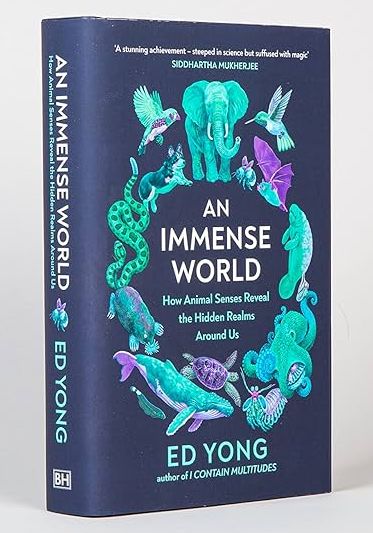
#christmascountdown #friends #friendsforever #friendsforlife #friendship #friendshipquotes

Countdown to Christmas Calendar Day 10

Theme: Making Friends and Maintaining Friendships

December 10, 2025 – 15 days to Christmas

Today’s Story: Chocolate, Sausage, and Salvation

Pierre stared at the email on his phone screen with the particular despair of someone who’d just watched their dreams get bureaucratically slaugthered. Again.

“Re: Mobile Food Service Permit Application #2847-B. Unfortunately, we require additional documentation regarding…”

He stopped reading. There were seventeen more paragraphs. There were always at least seventeen more paragraphs.

Behind him, his food truck La Route Épicée, painted an optimistic orange-and-yellow, equipped with a state-of-the-art kitchen he’d gone into serious debt for, sat immobile in a parking lot on the outskirts of Bayonne. It had been sitting there for three months. Three months of paperwork. Three months of “just one more form.” Three months of watching the Christmas market season—the lucrative, business-saving Christmas market season approach.

His phone rang. Maïa.

“You got the email,” she said. Not a question.

“How did you—”

“Because I know that sound you just made. The sound of a man being slowly strangled by French bureaucracy. Come to the shop. I have chocolate. Also, I have a plan.”

“I don’t need chocolate, I need a permit—”

“Everyone needs chocolate. Especially people lying to themselves about not needing chocolate.”

Maïa’s chocolaterie sat in the heart of old Bayonne, all exposed stone and wooden beams, the air thick with the smell of cocoa and caramelised sugar.

Maïa stood behind the counter wearing an apron that said “La Vie est Courte, Mangez du Chocolat“—life is short, eat chocolate. She was thirty-two, Pierre’s age, and had somehow managed to build a successful business while he was fighting self-righteous bureaucrats who seemed to have a vendetta against him, personally.

She slid a plate across the counter. Three pieces of dark chocolate, each topped with something unexpected: espelette pepper, fleur de sel, smoked paprika.

“Eat,” she commanded. “Then we talk about your terrible decision-making.”

Somewhat miffed, Pierre nevertheless ate. The chocolate was perfect—bitter, complex, the pepper building slowly at the back of his throat.

“You’re wasting your time,” Maïa said.

“Excuse me?”

“The permit. You’re fighting a system designed to make you quit. It’s nearly November. Even if you got approved tomorrow—which you won’t—you’d miss the entire Christmas season. Face it: your food truck is dead until January.”

Pierre felt something crack in his chest. Hearing it said out loud made it heart-wrenchingly real.

“So what am I supposed to do? Give up? Go back to working in someone else’s kitchen?”

Non.” Maïa leaned forward. “You take a stand at the Chocolate Fair.”

The Salon du Chocolat de Bayonne—Bayonne’s famous chocolate fair. Chocolatiers from across the Basque Country and beyond set up elaborate stalls. Thousands of people attended. It was, essentially, chocolate Disneyland.

“I don’t make chocolate, Maïa. I make—”

“Fusion cuisine that nobody can try because your truck is a very expensive parking ornament. I know.” She pulled out her phone, showed him photos. “I have a double stall this year. Very prestigious, corner position. I’m offering you half. You make a small menu—four dishes, maybe five—incorporating Basque chocolate. Savoury, sweet, whatever your brain comes up with. We split the space, split the costs, you get access to my permits and my suppliers.”

“That’s not my concept—”

“Your concept is currently sitting in a parking lot, making no money AT ALL and crushing your soul. This is called adaptation. Also called not being a complete idiot.” The joy of having friends who don’t beat around the bush.

Pierre looked at the chocolate on the counter. At Maïa’s face—determined, certain, the expression of someone who’d already decided this was happening and was just waiting for him to catch up.

“I don’t know anything about cooking with chocolate.”

“Good thing your best friend is a chocolatier then, isn’t it?”

There were only five days left until the fair opened.

Maïa’s kitchen became a laboratory of taste bud destroying disasters. Pierre’s first attempt—duck confit with chocolate mole—was so rich it felt like eating velvet-covered concrete. His second—chocolate-espelette glazed pork belly—set off the smoke alarm and made Maïa’s assistant cry (probably from the pepper, though it was hard to tell). The third attempt—chocolate-infused squid ink risotto—looked like something dredged from the bottom of a gothic lake and tasted, according to Maïa, “like the ocean had a nervous breakdown and decided to punish humanity.” They tried to feed it to Maïa’s neighbour’s cat, who sniffed it once and walked away with visible disdain.

The chocolate and anchovy croquettes that were theoretically sound—salty, bitter, fried—but in practice tasted like Pierre had weaponised the concept of umami. Maïa took one bite, held up her hand for silence, chewed thoughtfully, then said, “I think you’ve created something that violates the Geneva Convention.”

“You’re thinking too complicated,” she said, rescuing the pork belly before it became charcoal. “This is Basque Country. People want familiar made interesting, not interesting made incomprehensible.”

“I don’t do familiar. I do fusion—”

“Fusion is just familiar ingredients having an identity crisis. Stop fighting your location. Use it.”

She handed him a bar of her signature dark chocolate—70% cacao from Cameroonian beans, made in Bayonne for three generations. “Start here. What does this taste like?”

Pierre closed his eyes, let the chocolate melt on his tongue. “Earth. Smoke. Something almost savoury.”

Exactement. So use it that way. Think: what grows here? What do people eat here? How does chocolate fit?”

By day three, they had it:

Txistorra sausage with a chocolate-red wine reduction. The sausage—spicy, fatty, distinctly Basque—cut by the bittersweet depth of Maïa’s chocolate and local Irouléguy wine.

Pan-seared foie gras with a chocolate-and-pear compote. Controversial, decadent, impossible to stop eating.

Marmitako—traditional Basque tuna stew—finished with a square of dark chocolate that melted into the broth, adding complexity without sweetness.

And for dessert: gâteau Basque reimagined, filled with chocolate-cherry cream, topped with candied espelette.

“This,” Maïa said, tasting the tuna stew on day four, “this is what you should have been making all along. This is you, but also Basque. Fusion that makes sense.”

Pierre stared at her. “You just revolutionised my entire business concept in a kitchen the size of a closet.”

Eh oui, so I did. You’re welcome. Also, dinner is on you tonight.”

That year, the Chocolate Fair exploded with people—locals, tourists, families with children hopped up on sugar samples, serious foodies with notebooks, everyone drawn by the smell of chocolate handmade-with-love and Pierre’s sausages sizzling on Maïa’s portable burner.

Their stall looked like controlled chaos. Maïa’s chocolates on one side—elegant, precisely arranged—Pierre’s pop-up kitchen on the other, steam rising, plates moving, the scent of his cooking cutting through the sweetness like a jazz note in a symphony.

By noon, they’d sold out of the foie gras.

By three, the tuna stew was gone.

By five, people were queuing thirty deep, phones out, taking photos of Pierre’s dishes, of Maïa’s chocolates, of the sign Pierre had hastily made: “Basque Fusion—La Route Épicée@Maïa Chocolaterie.”

A food critic from Sud Ouest approached tentatively, tasted everything, took notes with an expression that revealed nothing and everything. A chef from San Sebastián tried the txistorra, closed his eyes, and said something in rapid Euskara that made Maïa laugh.

“What did he say?”

“That you’ve finally stopped being a Parisian chef pretending to understand the Basque Country and started being a Basque chef with a few promising ideas.”

Pierre wasn’t sure if that was a compliment or an insult. Didn’t matter—the man bought six portions to take back to his restaurant.

By closing time, they were exhausted, depleted, covered in chocolate and olive oil and the particular satisfaction of having fed several hundred people something they’d remember. For a long time.

Maïa produced a bottle from under the counter. Patxaran—traditional Basque sloe berry liqueur, dark red, smelling of anise and success.

“To adaptation,” she said, pouring two glasses.

“To friends with brilliant ideas,” Pierre countered.

They clinked glasses, drank, and watched the fair wind down around them—the lights, the people, the success that had materialised from desperation and friendship and Maïa’s refusal to let Pierre’s concept die in a parking lot.

Pierre’s phone buzzed. An email. He almost ignored it.

The food critic. Five stars. Photos of every dish. Final line: “La Route Épicée has found its route—and it runs directly through the Basque Country’s heart, with a stop at Maïa’s chocolaterie. Book ahead for January.”

“We’re doing this again,” Pierre said. “Not just Chocolate fairs in November. Christmas. New Year. Regular pop-ups. Your kitchen, my food, our collaboration.”

“Obviously. You think I’d let you go back to fighting permit applications alone? You’d starve.”

Pierre laughed, surveyed the disaster zone of their successful day, and thought about how sometimes the best business plan is just having someone who believes in you enough to hand you half their stall and say, “Now stop being stupid and cook.”

The Making Friends and Maintaining Friendships Masterplan

The holiday season is the perfect time to reconnect with old friends. Life transitions often pull us in different directions, but that doesn’t mean the bond is lost. Sometimes, reaching out after years apart can feel like picking up right where you left off.

Think about someone you’ve lost touch with—a friend who once meant a lot to you. What would it feel like to reconnect? You might just reignite a friendship that brings new joy and comfort.

Next time you’re stuck in a professional or creative crisis, reach out to a friend who understands your field—and be willing to accept help that looks different from what you imagined. Ask for advice. Accept the corner of someone’s stall, their kitchen, their contacts, their hard-won local knowledge. Be willing to adapt your vision to reality without abandoning what makes it yours.

Worst case scenario: Your collaboration doesn’t work, you spend a week trying something different, and you go back to your original plan with new insights.

Best case scenario: Your best friend revolutionises your entire business concept in five days, gives you access to their infrastructure and their community connections, challenges you to stop fighting your location and start using it, and accidentally creates a partnership that transforms both your businesses. You discover that adaptation isn’t failure—it’s evolution, and sometimes the thing you thought was a compromise (chocolate in your savoury dishes, a pop-up instead of a food truck, fusion that respects its foundation) becomes the signature that makes everything work. You learn that friendship in business isn’t just emotional support—it’s someone handing you half their stall and saying “stop being stubborn, cook something,” and refusing to let your dream die in a parking lot because bureaucracy is terrible, but giving up is worse.

If you’re currently stuck in bureaucratic hell or professional limbo with a dream that’s going nowhere, what would your Maïa tell you to do differently?

Newsletter Subscription

I’m still collecting subscriptions to my news letter with these post, so if you haven’t subscribed already and would you like to find out what type of friend you are, how well you know your friends or if you and a new friend really are compatible, subscribe my filling in your email address in the box below and I’ll send you a set of light-hearted quizzes, quotes and questions to help you do just that. Just fill in the form below and you’ll get immediate access to them all. You can unsubscribe from this list effortlessly and at any time. Included:

How well do you know your Friends? Quiz
What is Your Friendship Style? and Are your Friendship Styles compatible? Quiz
20 of the Most Inspiring Friends and Friendship Quotes and
20 lighthearted Questions you can ask to get to know a new Friend

Discover how to build meaningful, lasting friendships and create a support system that truly has your back—delivered straight to your inbox!

I’ve lost count of the number of guests who have asked for the recipes of the dishes I serve during my retreats. I’ve finally gotten around to publishing my retreat recipe collection as an e-book. If you’re interested in nutrition, especially while you’re walking the Camino de Santiago, or you just love authentic French cuisine, here is a link to my ebook The Walking Gourmet: Essential Food Strategies for the French Camino de Santiago

Author Bio: Dr Margaretha Montagu – described as a “game changer”, “gifted healer”, “guiding light” and “life-enriching author” – is an experienced medical doctor, a certified NLP practitioner, a medical hypnotherapist, an equine-assisted psychotherapist (EAGALAcertified) and a transformational retreat leader who guides her clients through life transitions – virtually, or with the assistance of her Friesian and Falabella horses, at their home in the southwest of France.

All content of this website is copyrighted. You cannot copy the content of this page