
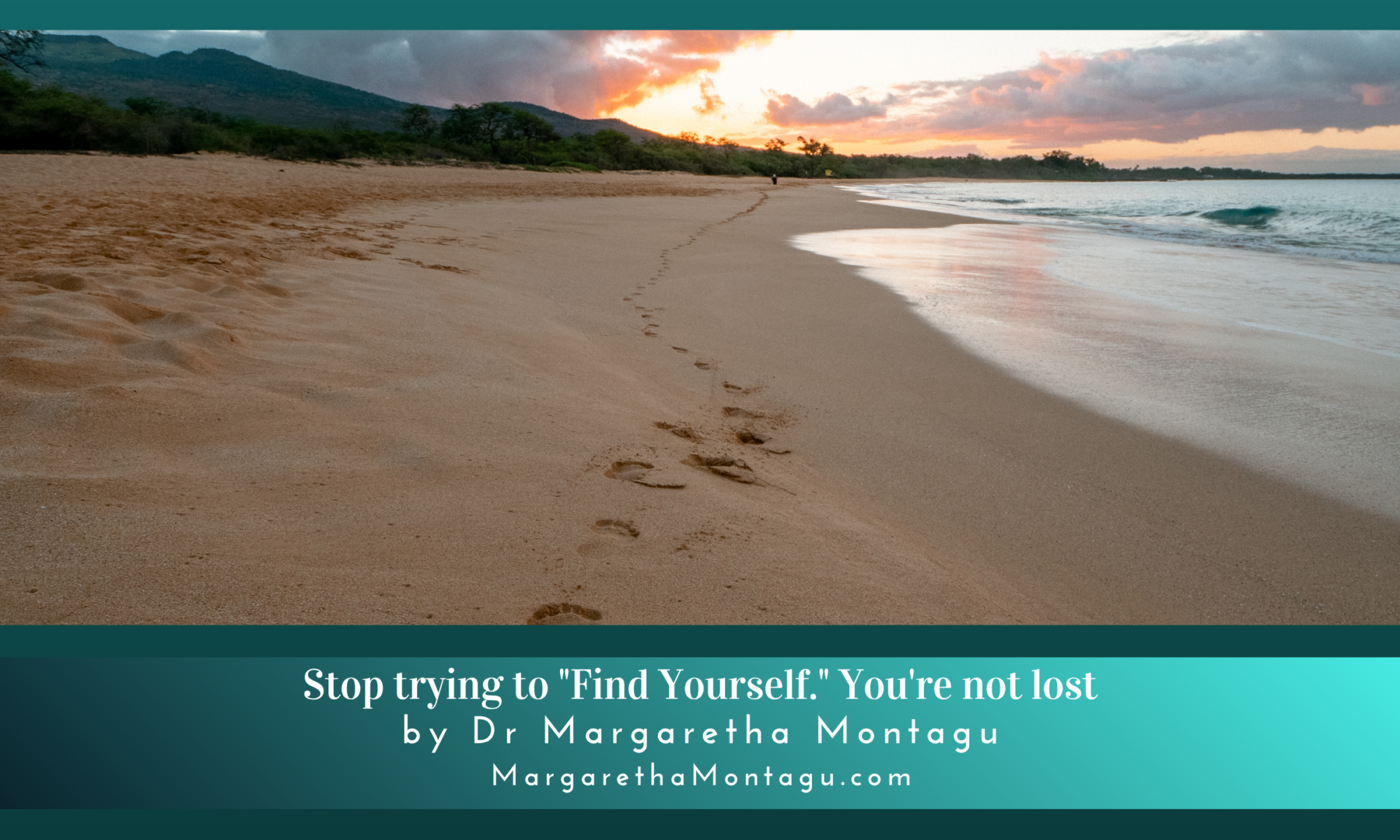
Everywhere you look, someone is promising to help you “find yourself.”
I’m so fed up with that.
It’s become one of those expressions we barely question. We say it after a divorce, before a career change, during a gap year or when someone announces they’re off travelling with a backpack and a vague itinerary.
“I just need to find myself.”
Honestly, I’ve always found that phrase seriously odd. Seriously.
Where exactly are we supposed to have left ourselves?
Did we misplace ourselves between the cereal aisle and the frozen peas? Did we accidentally leave our true identity in the back of a taxi?
The expression makes it sound as though somewhere in the world there is a finished version of you, patiently waiting to be discovered like buried treasure.
I’m not convinced that’s how life works.
Over the years, I’ve met people who believed they had lost themselves after redundancy, divorce, retirement, bereavement or burnout. They spoke longingly about getting back to the person they used to be.
At first glance, that sounds perfectly sensible.
Until you stop to think about it.
Should we really want to become the person we were ten or twenty years ago?
I hope not.
Life changes us.
Every friendship, every disappointment, every success, every mistake and every heartbreak leaves its mark. If we’re paying attention, we become a little wiser, a little kinder and, perhaps, a little more compassionate than we were before.
At least, that’s the idea.
The difficulty comes when a huge life change shakes the foundations of who we thought we were. Suddenly, we feel unfamiliar to ourselves. It’s tempting to assume we’ve lost our identity.
We haven’t lost it at all.
We’re simply outgrowing it.
Think about children for a moment.
No one expects a ten-year-old to become distressed because they no longer fit into the clothes they wore at the age of five. Outgrowing those clothes is a sign of healthy development.
Yet many adults become deeply unsettled when they outgrow old ambitions, old identities or even old dreams.
We assume something has gone wrong.
What if something has gone right?
One of the quiet privileges of growing older is that we gain permission to ask better questions.
Not, “How do I resuscitate the person I used to be?”
But, “Who am I evolving into now?”
That question opens entirely different possibilities.
It allows us to carry the best parts of our past without becoming trapped by them. It reminds us that our experiences are chapters in our story, not the whole book.
I’ve often noticed that people become anxious when they believe they should have everything figured out by now. As though adulthood comes with an invisible deadline by which all uncertainty should have disappeared.
I have some reassuring news.
It doesn’t.
I’ve met people in their seventies, eighties, and nineties who were still discovering new passions, new friendships and new ways of contributing to the world. I’ve also met people in their thirties who had quietly stopped growing because they believed they’d already realised their full potential.
What a waste!
Because the difference isn’t age.
It is, amongst other things, curiosity.
Curiosity keeps us open to growth.
Labels, on the other hand, can quietly imprison us.
“I’m an accountant.”
“I’m a doctor.”
“I’m a parent.”
“I’m retired.”
Those descriptions may all be true, but none of them captures the whole person. They’re roles we play, not the sum of who we are.
Life has an interesting habit of removing and replacing those labels from time to time. It can feel frightening when it happens, but perhaps it’s also an invitation.
An invitation to discover that your worth was never dependent on one specific role.
So, if you’ve been telling yourself that you need to “find yourself”, may I offer a gentler alternative?
Don’t go looking for the person you used to be.
That version of you has already done their job.
Instead, become curious about the person you’re growing into.
Give yourself permission to evolve.
Read widely.
Walk often.
Spend time in nature.
Have conversations that stretch your thinking. Write down your thoughts. Sit quietly every now and then without feeling the need to fill the silence.
After all, answers rarely arrive when we chase them.
They tend to appear when we create enough space for them to catch up with us.
And perhaps that’s the most exciting of all adventures.
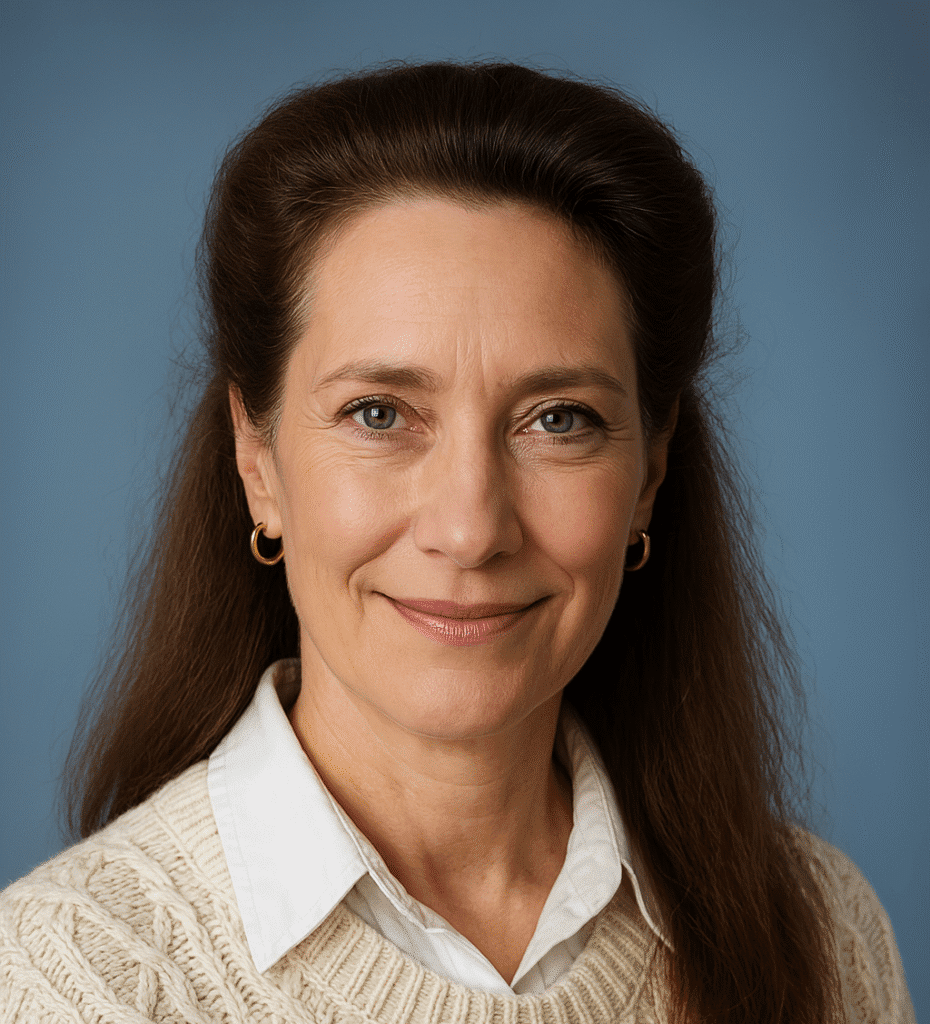
Author Bio: Dr Margaretha Montagu – described as a “game changer”, “gifted healer”, “guiding light” and “life-enriching author” – is an experienced medical doctor, a certified NLP practitioner, a medical hypnotherapist, an equine-assisted psychotherapist (EAGALAcertified) and a transformational retreat leader who guides her clients through life transitions – virtually, or with the assistance of her Friesian and Falabella horses, at their home in the southwest of France.
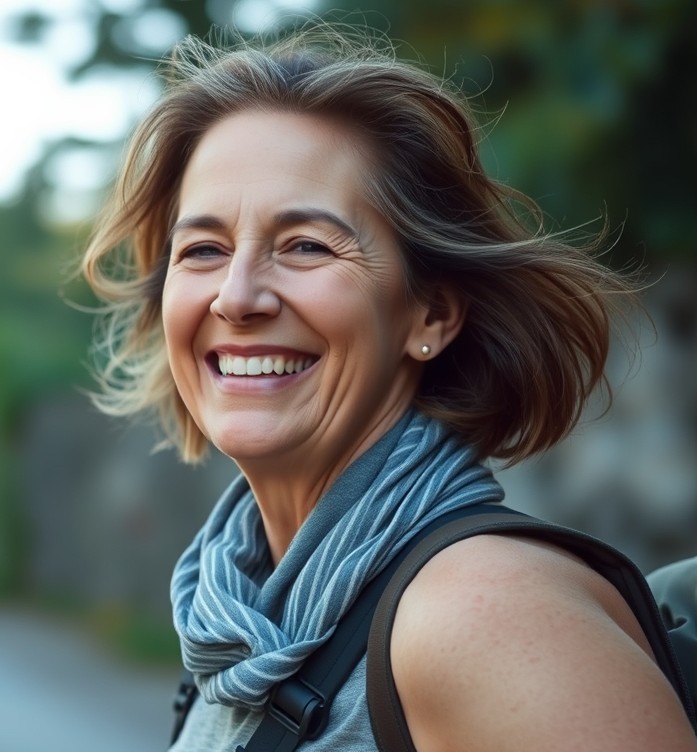
5-day/4-night “Press Pause” Camino de Santiago Walking Retreat – If your soul is craving fresh air, meaningful movement, and a chance to reconnect with nature and connect with horses, join me on a powerful, natural reboot for your body, mind, and spirit. Same content as the 3-day retreat, spread over 5 days. And an extra day of walking. No extreme fitness requirements. No forced bonding. No pressure to have a breakthrough. For one or two guests travelling together.
Do you dream of escaping your stressful life to raise a herd of goats or grow sunflowers in the south of France? Then you may be ready for an Esprit Meraki retreat. Get access to this “very serious” quiz to help you figure out how urgent your need for a change of scenery is, when you subscribe to my monthly newsletter.