
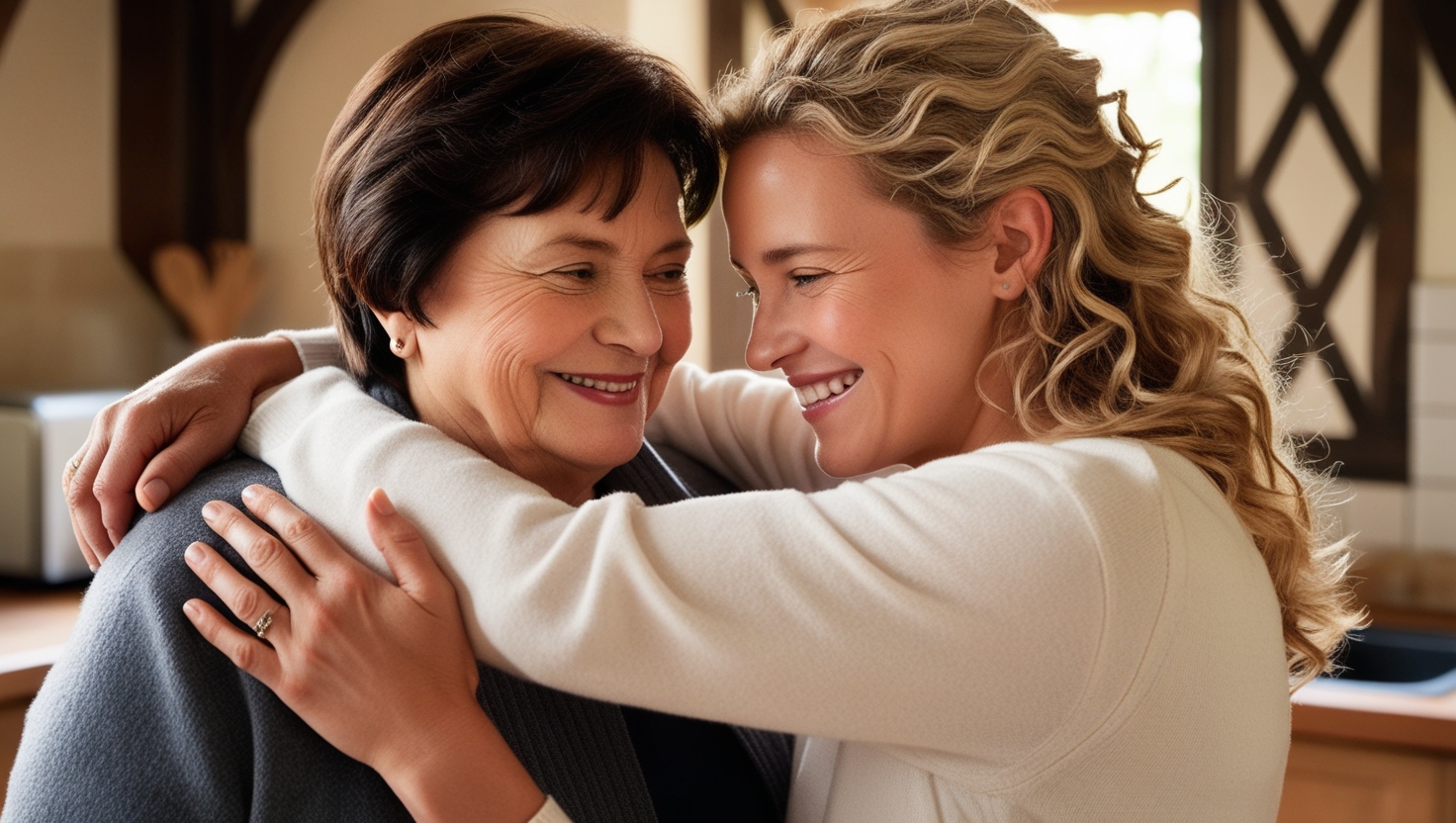
How to create and nurture emotionally secure Friendships
I came across this quote the other day, by Daniell Koepke, and it hit me right between the eyes:
“My love language is safety. And feeling emotionally safe means collecting evidence that I can be my authentic, messy, sometimes dysregulated and struggling human self, and STILL be valued, cared for and not abandoned.”
I couldn’t stop thinking about it. It’s like someone had finally put into words something I’ve always suspected but couldn’t quite articulate. We talk so much about love languages—acts of service, quality time, words of affirmation, and all that—but what if the love language that really matters, the one that makes or breaks everything, is safety?
Because when you think about it, isn’t safety the foundation of everything else?
The Idea of Emotional Safety
When I say “safety,” I don’t mean just physical safety (though that’s obviously important too). I’m talking about emotional safety. The kind of safety where you don’t have to put on a mask or hide parts of yourself to be loved. The safety that lets you breathe deeply and think, “Okay, I can be me here.”
Vulnerability. It’s about making yourself vulnerable. One of the scariest words in any language.
You feel emotionally safe when you can express your feelings, thoughts, ideas and opinions, without fear of judgement—feeling secure enough to reveal your most vulnerable self to another person, trusting that your emotional disclosure will not be used against you in the future. It’s genuine self-expression without fear of rejection.
It’s knowing that your messy, complicated, imperfect self is acceptable, even appreciated. That you can have bad days, make mistakes, cry ugly tears, or say the wrong thing, and it won’t mean your significant other, friends or family, are going to walk out the door or treat you differently.
For me, and maybe for you too, that kind of safety is what makes a friendship feel real. It’s what turns a relationship—any relationship, including and especially romantic relationships—into something solid and lasting.
This article is part of my Making Friends and Maintaining Friendships Series.
“Collecting Evidence”
What really struck me in Koepke’s quote was this idea of “collecting evidence.”
At first, I thought, “Wow, that sounds a little sad.” Why do I need proof that someone won’t abandon me? Shouldn’t love be unconditional? But then I thought about it more and realised how normal it has become to need that evidence.
Think about it. We’re all shaped by our pasts—by the times we weren’t emotionally safe. Maybe it was a friend who ghosted you the second you were too honest. Maybe it was a partner who shut down when you tried to share your feelings. Or a parent who only loved you when you were “good.”
Emotionally unsafe situations can manifest in various ways, often leaving you feeling misunderstood, unheard, or even threatened. When do you feel emotionally unsafe?
- When someone disguises threats as kindness or makes you doubt your own perceptions(gaslighting.)
- When a partner/friend gradually separates you from your other friends, family, and interests, often under the guise of spending more time together.
- When someone consistently avoids responsibility for their actions, blames you for their failures and makes you feel guilty for their inadequacies.
- When your feelings are dismissed, trivialised, or not acknowledged, creating an empathy-less environment where you can’t express yourself freely.
- When someone’s behaviour is unpredictable and their mood swings are frequent and unexplained, leaving you constantly on edge.
- When someone is emotionally dishonest and claims to be fine but continues to make demeaning comments or indulge in (because it really is about indulging) passive-aggressive behaviour.
- When a person refuses to discuss problems or grievances, for hours, days, weeks, months, even years on end, leaving important issues unresolved.
- When someone punishes you for not meeting their expectations or harbours hidden resentments.
- When someone acts differently in public than in private (two-faced behaviour,) making it difficult, or downright impossible, to figure out their true intentions.
- When someone invalidates your feelings, tells you that you “shouldn’t” feel a certain way or minimises your emotional experiences.
These situations can make you feel emotionally unsafe, causing you to doubt yourself, feel hypervigilant, or struggle to be your authentic self in a relationship.
And these experiences leave marks. They teach us to be cautious, to test the waters before diving in, because being fully seen and then rejected? That kind of pain doesn’t fade fast.
So, yes, collecting evidence isn’t about being needy or insecure. It’s about survival. It’s about slowly rebuilding trust, brick by brick, until we can relax into a friendship that feels safe.
What Emotional Safety Looks Like
Okay, now you know what it feels like to be emotionally unsafe. But how do you know when you’re emotionally safe with someone? Here’s what it feels like for me—and maybe it’ll resonate with you too.
- You Can Be Messy
Life isn’t always neat. Some days, you’re the picture of calm, and other days, you’re battling through an emotional sh** storm. Emotional safety means knowing you won’t scare someone off just because you’re having a disastrous day. It’s being able to say, “I’m not okay today,” without worrying that the other person will roll their eyes or check out. It’s knowing they’ll sit with you in your mess, even if they can’t fix it. - Mistakes Aren’t Deal-Breakers
I’m not perfect. You’re not perfect. None of us are. But in an emotionally safe relationship, mistakes don’t feel like the end of the world. You can apologise, learn, and grow without fearing that one misstep will ruin everything. - There’s Space for Vulnerability
Emotional safety is when you can show the parts of yourself that aren’t shiny or Instagram-worthy. The fears, the doubts, the dreams that feel too big or too silly. And instead of laughing or dismissing you, the other person listens and says, “I get it. I’m here for you.” - You’re Allowed to Take Up Space
Have you ever felt like you had to shrink yourself to keep the peace? Emotional safety means you don’t have to do that. You can take up space—emotionally, mentally, physically—without feeling like you’re “too much.”
Why This Kind of Safety Is Rare
Here’s the hard truth: not everyone knows how to offer emotional safety.
Some people just don’t have the capacity. Maybe they’ve never felt safe themselves, so they don’t know how to create that environment for someone else. Or maybe they’re too caught up in their own stuff to hold space for yours.
And then there are the people who don’t want to. They see vulnerability as weakness or emotional needs as burdens. They want the highlight reel, not the full picture.
It sucks, but recognising this can be liberating. Because once you know what you’re looking for—safety, not just attraction or chemistry—you can stop wasting time on relationships that will never feel right.
Building Safety Together
The beautiful thing about emotional safety is that it’s not a one-way street. It’s something you build together, step by step.
Here’s what I’ve learned about creating that kind of space in my own relationships:
- Listen Without Fixing
Sometimes, people don’t need advice. They just need to be heard. I’ve had to learn to resist the urge to jump in with solutions and instead say, “That sounds really hard. I’m here for you.” - Be Honest, Even When It’s Hard
Honesty builds trust, and trust is the bedrock of safety. But honesty doesn’t have to be harsh. It can be kind, compassionate, and still real. - Celebrate the Small Wins
Emotional safety isn’t built in one big moment. It’s in the little things—remembering someone’s favorite comfort food, texting to check in, and staying calm when they’re upset. Those small actions add up over time. - Respect Boundaries
Everyone has their limits, and honouring those boundaries shows that you care about the other person’s well-being, not just your own.
The Courage to Ask for What You Need
One of the hardest parts about valuing emotional safety is admitting when you don’t feel it.
It’s terrifying to say, “Hey, I need to feel safer in this relationship.” Because what if the other person doesn’t get it? Or worse, what if they don’t care?
But here’s the thing: if someone loves you, they’ll want you to feel safe. They might not get it perfect right away—heck, they might not even know what emotional safety means—but they’ll be willing to try.
And if they’re not? That’s a sign too. Because you deserve to be in relationships where you feel safe, valued, and seen. Period.
And because feeling emotionally unsafe can have significant long-term effects on your mental, physical and spiritual health, your overall well-being:
- Chronic lack of emotional safety can lead to the development of mental illnesses such as depression, anxiety, and adjustment disorders.
- Growing up in an emotionally unsafe environment can contribute to the development of Complex post-traumatic stress disorder (CPTSD), characterised by emotional dysregulation.
- Individuals may develop a state of extreme alertness (hypervigilance) constantly scanning their environment for potential threats, even when they are objectively safe.
- The inability to feel emotionally safe can lead to trust issues, fear of abandonment, and challenges in forming and maintaining intimate relationships.
- In workplace settings, a lack of emotional safety can result in reduced productivity and worsening performance.
- Consistently feeling unsafe emotionally can erode one’s sense of self-worth, causing low self-esteem and lead to persistent feelings of being unlovable or unacceptable.
- Chronic emotional unsafety can result in heightened emotional responses, mood swings, and difficulty managing emotions effectively.
- The ongoing stress and anxiety associated with feeling emotionally unsafe can manifest as physical symptoms and potentially contribute to long-term health problems.
- The fear of judgment or rejection can inhibit self-expression and risk-taking, limiting personal and professional development.
- Feeling emotionally threatened can cause an increased risk of substance abuse: some people may turn to drugs or alcohol as a coping mechanism for the emotional distress caused by a chronic lack of emotional safety.
Letting Yourself Be Seen
I’ll admit, even when I find someone who feels safe, it’s still hard for me to fully let my guard down. Years of protecting myself don’t just disappear overnight.
But I’m learning. I’m learning to trust that it’s okay to be my authentic, imperfect self. That I don’t have to earn love by being “perfect.”
Because it is important to let ourselves be seen. Why? Because letting yourself be seen, as you are, allows you to form emotionally safe connections with others, who will, in turn, feel comfortable expressing themselves without fear of judgment or rejection. Communicating this openly strengthens bonds and helps resolve conflicts more effectively, because we’re more likely to listen empathetically and try to understand others’ perspectives.
By letting ourselves be seen, and heard, and understood, we create an environment where authentic connections can thrive, ultimately leading to more mutually supportive and resilient friendships.
Final proof that you’re enough, just as you are.
Choosing Safety as a Standard
So, here’s where I’ve landed: emotional safety shouldn’t be conditional; it should be the standard. It’s not something I’m willing to compromise on anymore, because without it, nothing else really works.
And you know what? That’s okay. It’s okay to need safety. It’s okay to collect evidence. It’s okay to want a friendship that feels solid and secure.
Because at the end of the day, you want to be able to exhale and think, “I’m safe here.”
So here’s to finding that kind of friendship—and holding onto it when we do.
In the meantime, you may want to take matters into your own hands, by responding to these journalling prompts, designed to empower you to take charge of your emotional safety, identify your needs, and take actionable steps to create a sense of security in your friendships and within yourself:
1. Explore Your Definition of Emotional Safety
- Prompt: What does emotional safety mean to you? Reflect on specific moments in your life when you felt emotionally safe. What was happening? Who were you with? How did it feel in your body, mind, and heart?
- Why: This helps clarify your personal understanding of emotional safety and gives you a foundation to recognize it in the future.
2. Uncover Patterns from the Past
- Prompt: Think about a time when you didn’t feel emotionally safe. What made you feel unsafe? Was it something someone said, did, or didn’t do? How did you respond in the moment, and how has that experience shaped the way you approach relationships now?
- Why: This encourages self-awareness about past wounds or triggers, giving you insight into why certain situations or behaviours might still affect your sense of safety today.
3. Identify Your Emotional Safety Needs
- Prompt: Make a list of the behaviours, words, or actions that help you feel safe in a relationship (e.g., being listened to, having your boundaries respected). Then, list things that make you feel unsafe. How can you communicate these needs to the important people in your life?
- Why: Understanding and articulating your needs is crucial for creating boundaries and fostering healthy, supportive relationships.
4. Reflect on Your Inner Safety
- Prompt: How do you create emotional safety for yourself? When you’re feeling vulnerable, how do you self-soothe or remind yourself that you’re okay? What practices or habits can you develop to feel more secure within yourself?
- Why: Emotional safety isn’t just external—it starts from within. This prompt helps you build self-reliance and confidence in your ability to care for your emotional well-being.
5. Imagine Your Ideal Safe Space
- Prompt: Close your eyes and imagine the most emotionally safe version of your life. What do your relationships look like? How do people show up for you, and how do you show up for them? What specific actions or environments make you feel secure? Create a vision for this ideal safe space/situation and brainstorm small steps to start creating it today.
- Why: Visualisation can clarify your goals and inspire practical actions to bring more emotional safety into your life.

Author Bio: Dr Margaretha Montagu – described as a “game changer”, “gifted healer”, “guiding light” and “life-enriching author” – is an experienced medical doctor, a certified NLP practitioner, a medical hypnotherapist, an equine-assisted psychotherapist (EAGALAcertified) and a transformational retreat leader who guides her clients through life transitions – virtually, or with the assistance of her Friesian and Falabella horses, at their home in the southwest of France.
- Our Desperate Need to Keep Up (Even When We’re Supposed to Be on Holiday)
- Why do I need to know what my Life Purpose is?
- Walking Retreat vs Walking Holiday: What’s the Difference?
- AI Can Create a Course in Seconds. So Why Are People Still Buying Mine?
- The Day I asked my Guests for Silence and got Performance Anxiety instead
Reference
No safety without emotional safety Veale, David et al. The Lancet Psychiatry, Volume 10, Issue 1, 65 – 70