
How walking an ancient trail in southwest France can quiet the noise of a world that won’t stop shouting
What this is: A thoughtful, grounded exploration of the Camino de Santiago effect, specifically the French routes through southwest France, remains one of the most quietly radical acts of self-renewal available to anyone carrying the weight of a world gone sideways. Plus some practical wisdom for when and how to use it.
What this isn’t: A hiking guide. A spiritual manifesto. A listicle about “ten things your Camino will teach you.” (Though there are takeaways, I couldn’t resist.)
Read this if: You’re intelligent, self-aware, overwhelmed and exhausted. If you’ve read the news one too many times this week, if you sense that what you need isn’t another productivity hack but a genuine reset, one that involves fresh air, good books, and the kind of silence that actually speaks, then yes. Pull up a chair. This one’s for you.
5 Key Takeaways
- The Camino doesn’t just give you a walk, it gives you a mirror. The path strips away distraction and returns you to yourself in ways that no retreat centre, no matter how beautiful its brochure, can manufacture.
- Walking at pace with your own thoughts is a lost art, and perhaps the most urgently needed one. The Camino’s rhythm, one foot, then the other, rewires stressed nervous systems better than most therapies.
- Nature is not the backdrop. It is the curriculum. Ancient woodland, open skies, and the scent of thyme underfoot are doing serious neuroscientific work on your cortisol levels whether you notice it or not.
- Combining walking with reading and journalling creates a rare kind of integration. Insights don’t just arrive; they settle. They become yours.
- The personal shift you experience ripples outward. When you return calmer, clearer, and more grounded, the people around you, your family, friends, colleagues, community, feel that shift. One person’s renewal is never just one person’s story.
Introduction: Something Happens When We Stopped Moving
Stressed, Overwhelmed, and Running on Empty? What 1,200 years of pilgrimage wisdom can teach you about slowing down, tuning in, and finding yourself again
SOMEWHERE between the twenty-fourth news alert of the morning and the third doom-scroll session before noon, most of us lost the plot. Not our personal plot, necessarily, though that too sometimes. The larger plot. The one where humans were supposed to be okay, where the world was, if not exactly fine, at least manageable.
It isn’t anymore, is it?
And here you are, smart, resourced, thoughtful, a person who has already tried things, the meditation app that dinged at you like a passive-aggressive life coach, the digital detox that lasted until Tuesday, the long weekends that left you more depleted than when you arrived. You’re not broken. You’re not weak. You are simply, profoundly, and entirely understandably overwhelmed by the weight of a world that has stopped making sense.
The ancient pilgrims who first walked the routes to Santiago de Compostela weren’t running away from anything. They were walking towards something. Clarity. Grace. The still, small voice that gets drowned out by modern life’s relentless static. They had the right idea.
This article is an invitation to consider that the oldest roads in Europe might still be the fastest route back to yourself. Not because walking is magic (though it is, a little), but because the Camino de Santiago, particularly through the golden landscapes of southwest France, offers something increasingly rare: the conditions under which transformation can actually happen.
By the time you finish reading, you’ll understand why the path itself is the greatest teacher you’ve never met, and what happens when you combine it with nature, silence, and the kind of companionship that doesn’t require you to perform.
The Story of Miriam Devereux: “I Thought I Was Going on Holiday. I Didn’t Realise I Was Going Home.”
Miriam Devereux, fifty-three, secondary school librarian, devoted grandmother, and self-described “professional worrier,” stood in her bedroom on a Tuesday evening in early autumn and stared at the pile of books on her bed. Seven books. For a five-day retreat. She had culled the list three times already.
“I might finish them all,” she said aloud, to nobody in particular.
Her cat, Biblio, regarded her with the eloquent contempt only cats can embody.
She had found the retreat almost by accident, the way the important things usually arrive, sideways, through a link in a newsletter she almost deleted. Book Lovers’ Binge Reading and Camino de Santiago Hiking Retreat. Southwest France. Five days. Small group. She had read the description, standing at the kitchen counter with cold tea and the BBC news playing in the background, reporting on something she could no longer bear to listen to.
She had booked it before she reached the third paragraph.
The morning they set out, the sky was the particular shade of pale gold that only exists in the Gers at six in the morning. Miriam’s boots were new and she felt faintly ridiculous, like a woman playing at being an adventurer. The group was small, three other people who had each arrived carrying their own invisible baggage alongside their actual packs. A retired architect from Edinburgh. A teacher from Amsterdam who hadn’t slept properly in eight months. A woman named Rosa who said she was “between lives” and meant it literally.
Miriam initially thought the pace was too slow. Then, after twenty minutes, she realised it wasn’t slow at all. It was realistic. It was the pace at which you could actually look at things.
And there was so much to look at.
The light fell differently here, filtered through oak canopies that had been growing since before anyone alive had been born. The path smelled of damp earth and wild thyme and something else, something harder to name, like the memory of every person who had ever walked this way before. The sound of her own breathing, steady and even, began to crowd out the background noise she had been carrying in her chest for months.
She didn’t speak for the first hour. Neither did anyone else. Nobody needed to.
They walked through a landscape so unreasonably beautiful it almost felt like an argument. Rolling hills dissolving into morning haze. Ancient churches half-buried in wildflowers. A donkey watching them from a field with the considered expression of a philosopher who had seen worse and was not particularly impressed.
By that evening, Miriam had finished the first thirty pages of the novel she’d brought, a sweeping, generous story about belonging and starting over. The words had gone in differently than they usually did. Less like consumption and more like nourishment.
By day three, something had quietly shifted. The architecture of her anxiety, the elaborate, load-bearing structure she had spent years building and maintaining, the one propped up by news cycles and catastrophic thinking and the nagging sense that to stop worrying was somehow irresponsible, that structure was developing cracks. Not collapsing. Changing shape.
In the evenings, curled in deep chairs with their books and notebooks, the group talked about what they were reading, about what they were thinking, about the strange and particular relief of walking without a final destination that needed to be reached today. The Camino, they discovered, has a disarming way of making the journey itself feel like the point.
Miriam’s notebook was filling up. Not with resolutions, she had made and broken too many of those to bother, but with observations. A line from her book that had made her breath catch. A question she hadn’t known she had, about what she actually wanted her next decade to look like.
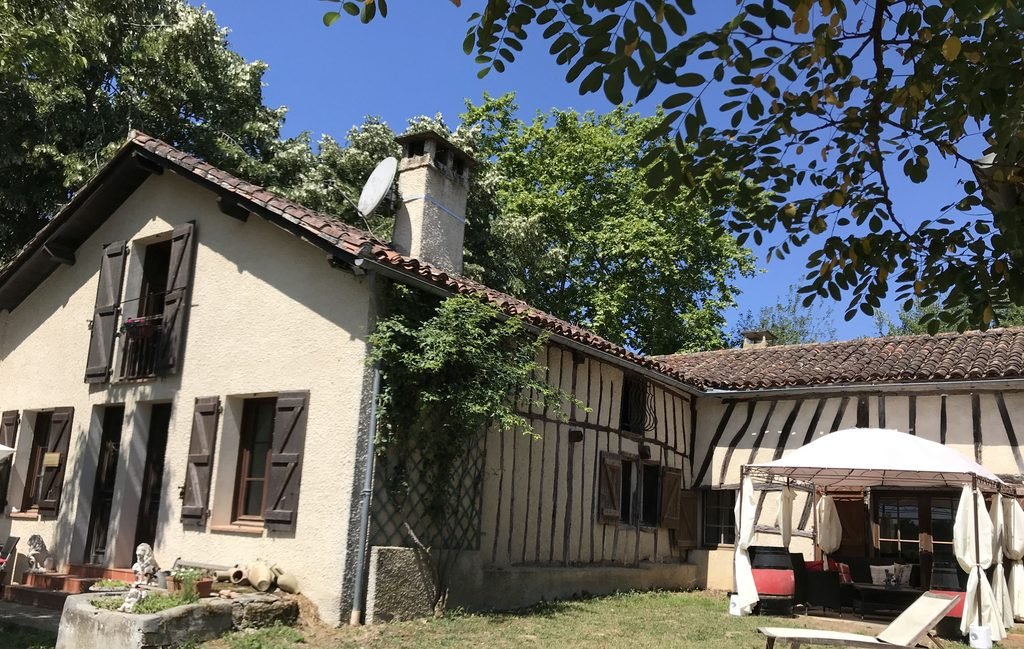
On the last morning, she woke early and sat on the terrace of the farmhouse with coffee and her journal, watching the mist lift from the valley below. The world, that same battered, bewildering world, was still out there. But she was different within it. Quieter. More anchored. Less at the mercy of it.
Monsieur Biblio, she thought, was going to be very confused by the new version of her.
She smiled. Opened her book.
When One Person Changes, Everything Changes
Miriam’s story, while hers alone, is also entirely universal. The Camino de Santiago effect has been doing this to people for over a thousand years, and what’s striking is not merely the personal transformation it catalyses, but the scale of the ripple effect that transformation creates.
We live in a moment of collective stress that is not just political or economic but deeply psychological. The World Health Organisation has described a global mental health crisis. Studies track sharp increases in anxiety, depression, and what researchers now call “eco-anxiety,” a specific, mounting dread about the state of the natural world. Many of us are not simply stressed. We are running on depleted systems, trying to show up fully for our families, our work, our communities, from tanks that are approaching empty.
The Camino, particularly when experienced in the context of a thoughtfully structured retreat that combines walking with reading, journalling, and immersion in nature, offers something that is genuinely reparative. Not a fix. Not a cure. A recalibration.
Research is increasingly clear on the mechanisms involved. Walking in nature reduces cortisol. It activates the parasympathetic nervous system. Bilateral movement (left, right, left, right) has been shown to process stored emotional material in ways that parallel certain therapeutic modalities. Add the cognitive stimulation of reading, the reflective depth of journalling, the social glue of small-group conversation, and you have a genuinely potent combination.
But the impact doesn’t stop at the individual level.
When Miriam returned home, her husband noticed. Her students noticed. Her book group noticed. She was different, not in a disruptive or performative way, but in the way of someone who has been reset to their actual factory settings, more patient, more present, more genuinely curious.
This matters because stressed people, depleted people, make stressed and depleted communities. The reverse is equally true. One person who has genuinely rested, renewed, and reconnected returns to their relationships, their workplace, their neighbourhood, and they change the temperature of those spaces. They ask better questions. They listen more. They model something that others lean towards, even without knowing why.
The Camino has a phrase: Buen Camino. Good path. It’s what pilgrims say to each other as they pass. What strikes newcomers is how genuinely it is meant. The Camino creates a temporary community held together by shared effort and shared direction. Something of that generosity, that fundamental goodwill towards fellow travellers, tends to come home in the pilgrim’s rucksack.
In a world that is very good at making us feel powerless, the Camino reminds us that meaningful change, the kind that lasts and the kind that spreads, nearly always begins with a single person deciding to walk a different path.
Literally, in this case. But you know what I mean.
5 Mistakes that Limit the Camino de Santiago Effect
Mistake 1: Treating it like a fitness challenge rather than a reset. The Camino is not primarily about mileage. It is about attention. People who arrive determined to “crush it” often miss what the path is actually offering. Walk at a pace that allows you to see. Your step count is not the point.
Mistake 2: Leaving your phone in your pocket, not in your bag. Accessibility is the enemy of presence. The research on even the sight of a smartphone reducing cognitive capacity is unambiguous. Put it away. The news will still be there when you return, unchanged in its capacity to exhaust you.
Mistake 3: Waiting until you’re ready. There is no “ready.” If you’re waiting until the world settles down, until work calms, until the kids are older, until the timing is perfect, you will wait indefinitely. The Camino doesn’t ask you to arrive prepared. It asks you to arrive. The preparation happens on the path.
Mistake 4: Packing too much and expecting too little. This applies to actual luggage (the rule of thumb is “halve what you think you need, then halve it again”) and to emotional expectations. People who arrive hoping for a specific outcome often have a harder time than those who arrive open and curious. The path gives what is needed, not always what is wanted.
Mistake 5: Walking alone in a group. One of the great gifts of a small-group retreat is the people you meet. Resist the temptation to use the communal setting as a backdrop for a solo experience. The conversations at the farmhouse table, the shared observations on the path, the books passed from hand to hand, these are part of the curriculum too. Don’t skip them.
A Short Intention-Setting Exercise Before You Walk
Before you begin any significant journey, inner or outer, intention creates direction without demanding a destination.
Find five quiet minutes. Open your journal to a fresh page. Write the following prompts, and then answer them without editing yourself:
- What am I carrying that is not mine to carry? (List whatever comes. Don’t overthink it.)
- What do I most want to feel differently about when I return?
- What is one thing I am willing to let the path teach me, even if I don’t know yet what that is?
- What would “enough” look, sound, and feel like, for me, right now?
- What small act of kindness to myself would make this journey feel like a gift rather than an achievement?
Fold the page. Carry it with you. Don’t read it again until the last day of your walk.
Further Reading: Books That Walk With You
Five Books for the Path, and the Path Back
1. The Alchemist by Paulo Coelho Coelho was writing about the Camino before most people knew what it was. This slim, luminous fable about following signs, trusting the journey, and the strange perfection of detours is the ideal companion for anyone setting foot on a pilgrimage route. Chosen because its simplicity is deceptive and its timing, whenever you read it, always seems exactly right.
2. Wild by Cheryl Strayed Not the Camino, but the same fundamental story: a woman in pieces, a long trail, and the discovery that the path will sort you out if you let it. Strayed’s raw, brilliant memoir is a masterclass in what it means to walk your way back to yourself. Chosen because it is unflinchingly honest about the mess that precedes transformation.
3. Walking the Camino: A Modern Pilgrimage to Santiago by Carlos G. Valles A quieter, more contemplative account of what the path actually feels like from the inside, across days of blisters and beauty and unexpected grace. Chosen because it captures the spiritual dimension of the Camino without requiring any particular religious framework to access it.
4. Last Child in the Woods by Richard Louv Louv’s landmark book about nature-deficit disorder is technically about children but is also, unmistakably, about all of us. Reading it before (or on) a walking retreat sharpens your awareness of what you’ve been missing and why it matters. Chosen because it articulates, with beautiful precision, what happens to human beings when we lose regular contact with the natural world.
5. Pilgrim at Tinker Creek by Annie Dillard Dillard’s Pulitzer Prize-winning meditation on attention, presence, and the extraordinary density of the ordinary world is essentially a masterclass in the kind of seeing the Camino demands of you. Walk, then read this. Or read it, then walk. Either way, your eyes will be different. Chosen because it is, quite simply, one of the most luminous pieces of writing about paying attention that exists in the English language.
P.S. If you’d like a daily, practical companion for the kind of change the Camino initiates, Embracing Change, in 10 Minutes a Day by Margaretha Montagu offers exactly that: gentle, effective, ten-minute practices that support genuine transformation without requiring you to overhaul your entire life at once. Find it here.
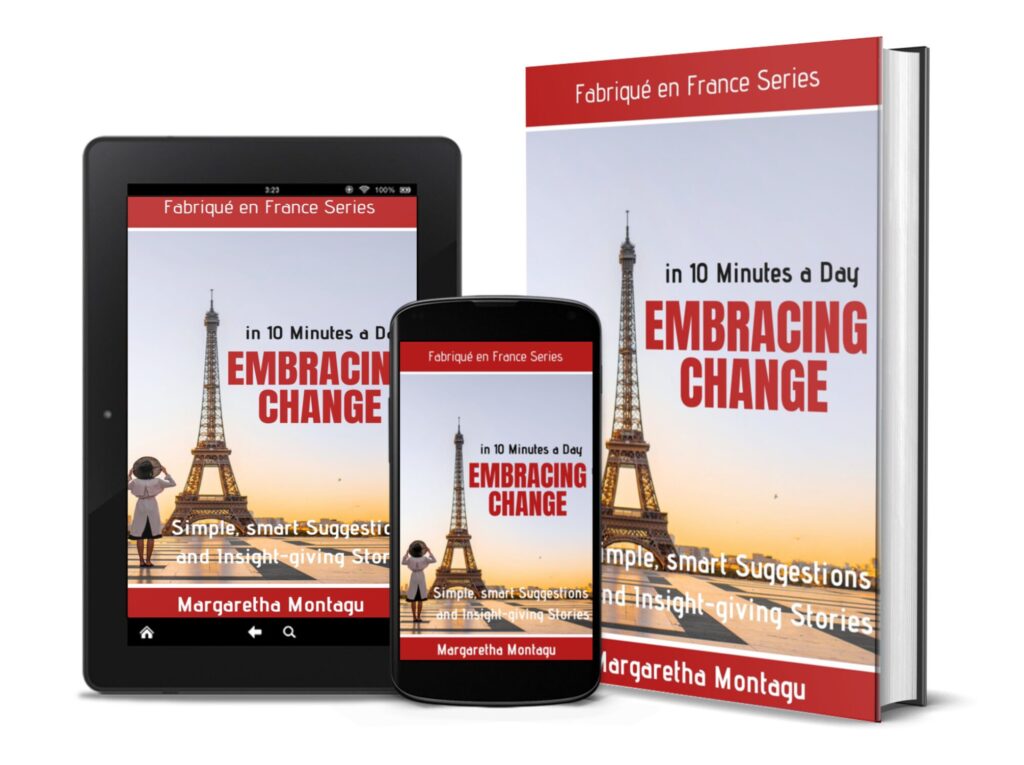
If you are currently facing a major life transition or any other dramatic change in your circumstances, and you have no idea how you are going to cope, the good news is that the strategy presented in this book can help you, step by step, to improve your ability to handle the stress caused by change, even if you feel entirely powerless at the moment.
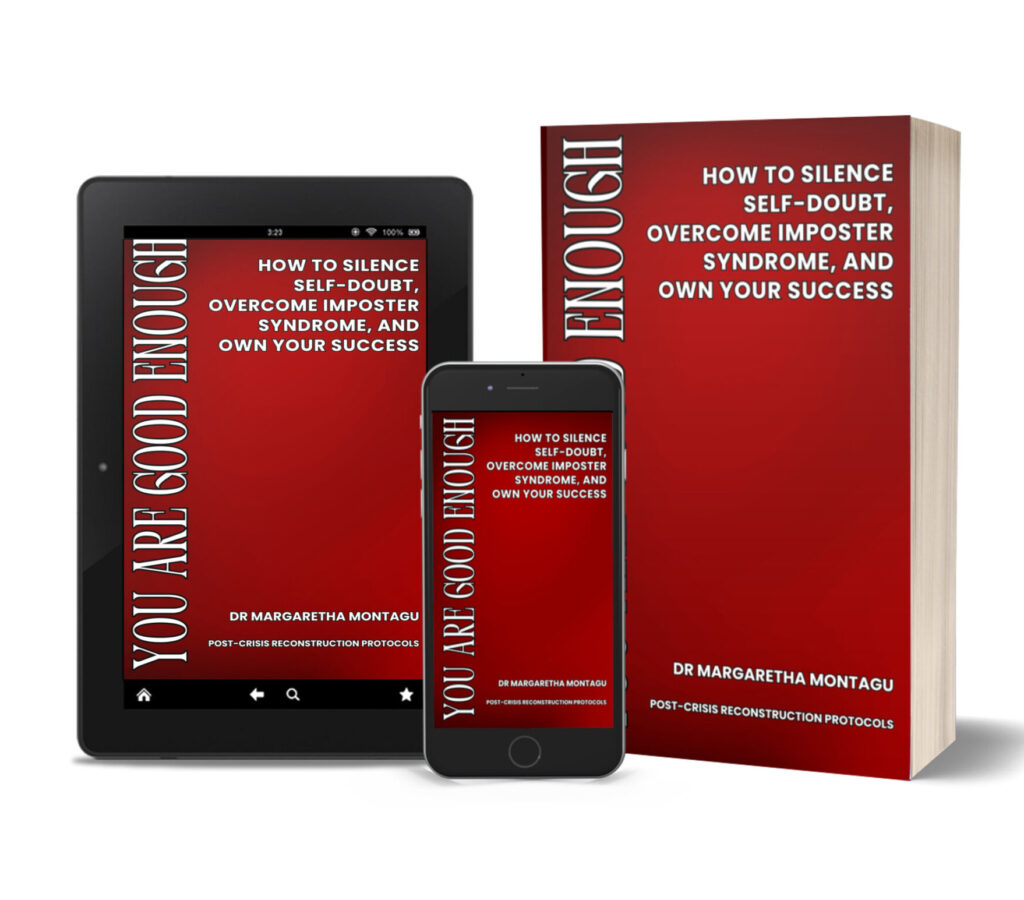
Stop second-guessing yourself. Start owning your success. This book gives you the step-by-step roadmap to break free from imposter syndrome, build unshakable confidence, and finally believe you deserve every bit of your success. You ARE Good Enough!
A Gift Included in Every Reading Retreat
Reconnect With Nature: A Guided Journalling Course Inspired by Horses
Because the work of reconnecting with the natural world doesn’t have to end when you return home, every Book Lovers’ Binge Reading and Camino de Santiago retreat includes free access to the online course Reconnect with Nature: A Guided Journalling Course Inspired by Horses.
Reconnect with Nature: A Guided Journaling Course Inspired by Horses for anyone interested in increasing their emotional, physical and social resilience by starting a journal, but does not have much time to invest and is looking for a simple, easy-to-implement strategy that gives tangible and lasting results. Get immediate access
Created to deepen your relationship with the natural world through reflective writing and the wisdom of horses (genuinely one of nature’s most emotionally intelligent teachers), this course continues the work the path began. Think of it as the follow-up lesson for when you’re back at your desk and the world is being noisy again.
5 FAQs: What People Are Really Asking About the Camino Right Now
Q: Do I have to be religious to walk the Camino de Santiago? Absolutely not. The Camino’s origins are Christian pilgrimage, but its present reality is magnificently diverse. Walkers include atheists, agnostics, practitioners of every tradition, and a large number of people who describe themselves simply as “searching for something.” The path asks for feet, not faith. Though the faith part often arrives uninvited, and tends to be rather welcome when it does.
Q: How fit do I need to be? Fit enough to walk for several hours at a comfortable pace over varied terrain. Not athlete-fit. Not even particularly sporty. The retreats are designed for people in ordinary, middle-of-life physical condition who want a meaningful experience, not a punishing one. You will be surprised by what you are capable of, in the best possible way.
Q: Is it safe to travel solo as a woman? The Camino has an extraordinarily strong culture of looking out for fellow pilgrims. Small-group retreats add an additional layer of community and support. Many women report that a walking retreat in southwest France, with a small group and experienced guide, feels safer and more genuinely nourishing than almost any other kind of travel they’ve done.
Q: What if I want to read and walk, not just one or the other? Then you’ve found exactly the right retreat. The Book Lovers’ Binge Reading and Camino de Santiago retreats are specifically designed to weave walking and reading together throughout the day, morning walks, afternoon reading, evening conversation, reflection and journalling. They are for people who love both and have been waiting for someone to combine them properly.
Q: I’ve tried retreats before and came back feeling great for a week, then slid back. How is this different? That slide is real, and it’s common. What tends to create lasting change isn’t just the peak experience of the retreat itself, but the tools and practices that continue it. The journalling course included with the retreat, the books you carry home, the intention you set on the path, these are designed to extend the work beyond the five days. You won’t be the same person who slid back, because you won’t be relying on the same mechanisms.
Conclusion
There is a quality of attention that only walking can generate. Philosophers knew it. Poets knew it. Ancient pilgrims, shuffling through rain and sun and the particular loneliness of the long middle stretch, knew it in their bones.
What the Camino de Santiago offers, in its ancient, quietly insistent way, is not escape from the world but return to yourself within it. The path asks nothing except that you show up, put one foot in front of the other, and be willing to be surprised.
In a world that is generating more noise, more fear, more complexity than most of us were designed to process, that invitation is not a luxury.
It is a necessity.
“A pilgrim is someone who is on the way, and knows it. Most of us spend our lives not knowing we are on the way. The Camino teaches you this, and that is why it is not a destination but a transformation” , adapted from the tradition of the Camino
Gift Yourself Five Days
You’ve been carrying the weight of a world you can’t fix. You’ve been reading the news and feeling the particular exhaustion of caring about things you cannot control. You’ve been looking for something, not a solution exactly, but a place to put it all down for a while and remember who you are underneath the noise.
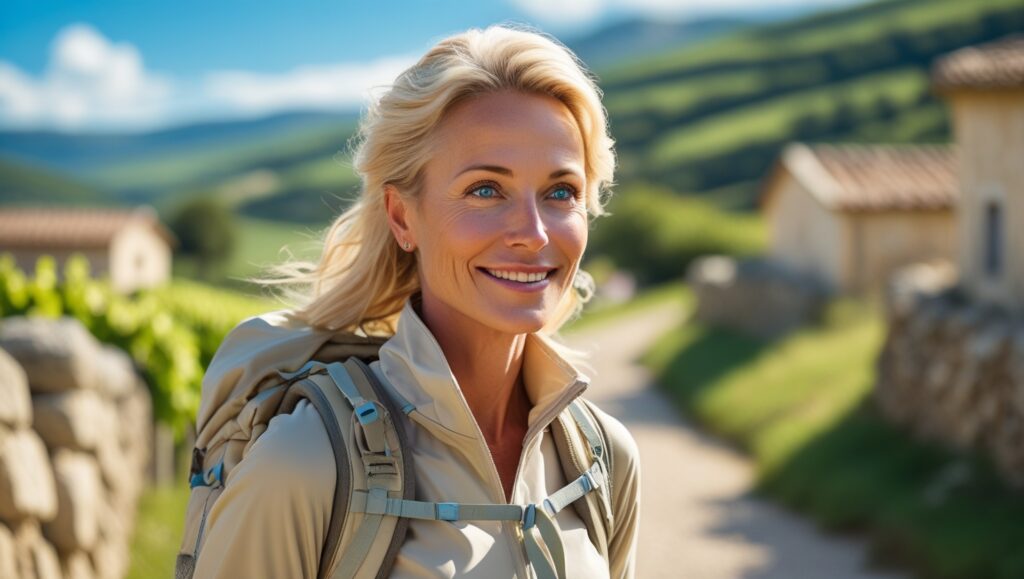
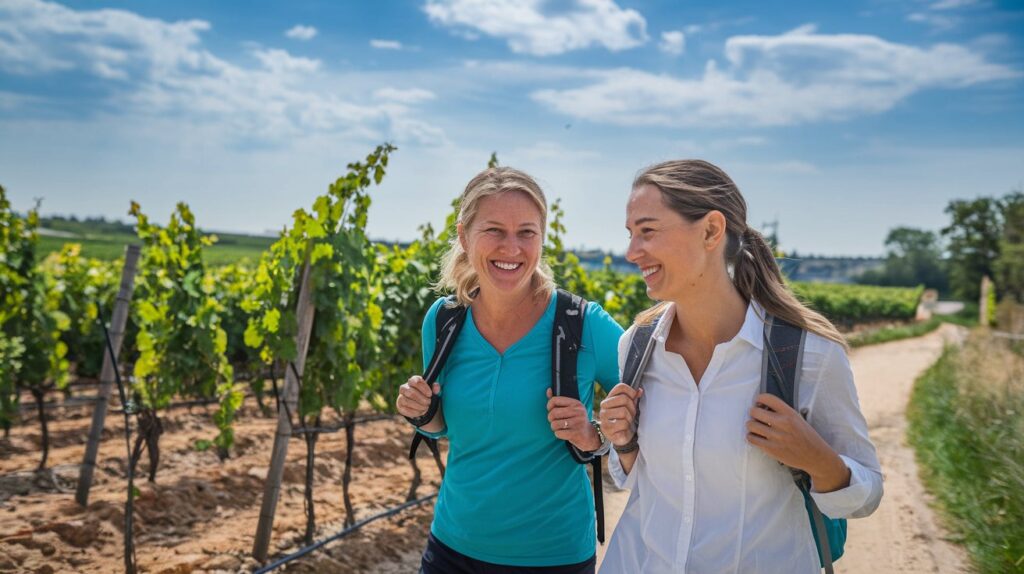
The Book Lovers’ Binge Reading and Camino de Santiago Walking Retreats in the south-west of France are five days of walking ancient pilgrimage routes through landscapes of almost absurd beauty, reading without guilt, talking with people who get it, and writing your way into the clarity you’ve been looking for.
Small groups. Farmhouse stays. Books passed hand to hand. Morning walks and afternoon pages. Evening conversation that matters.
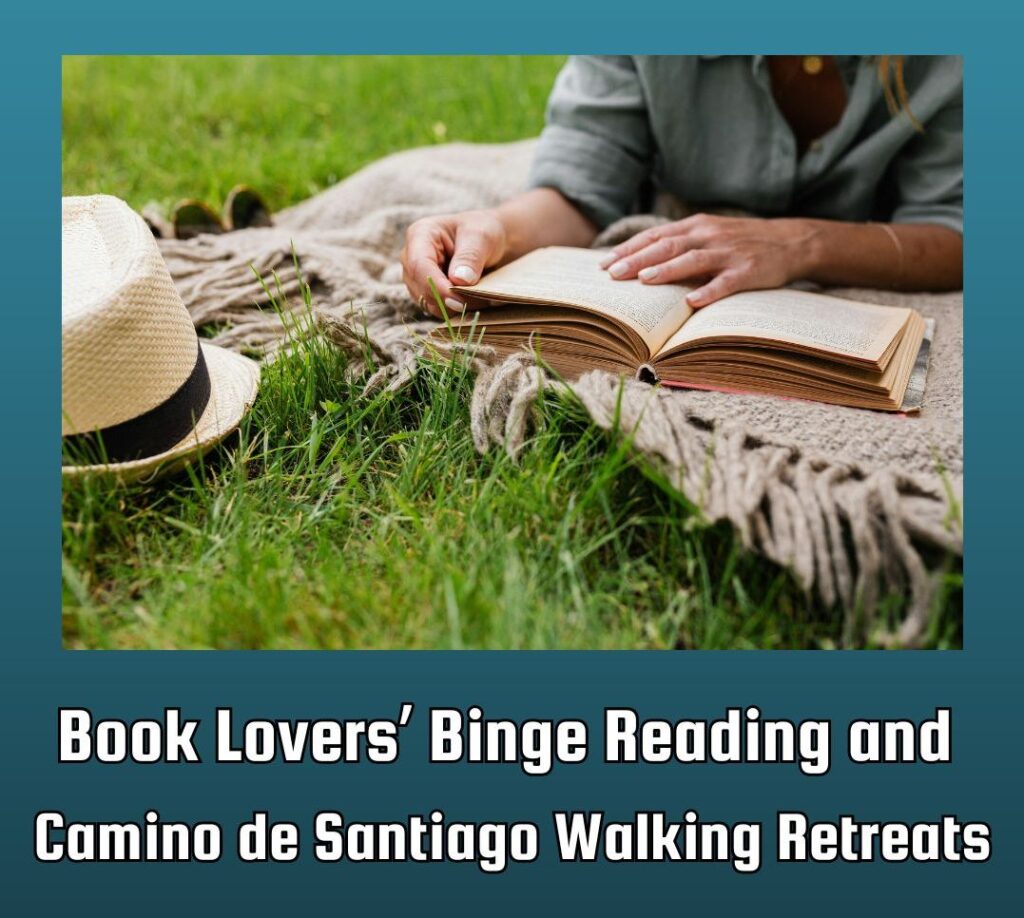
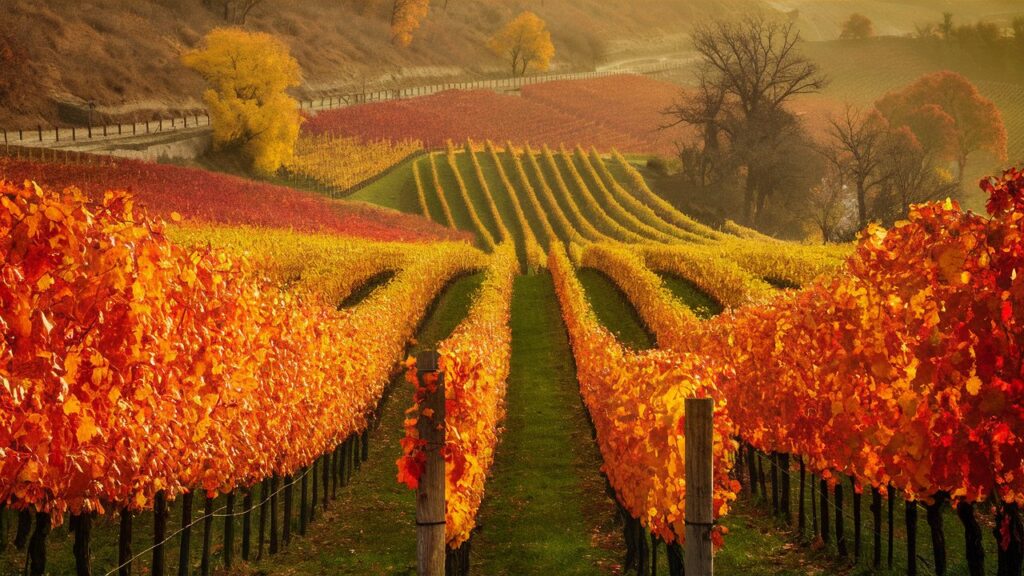
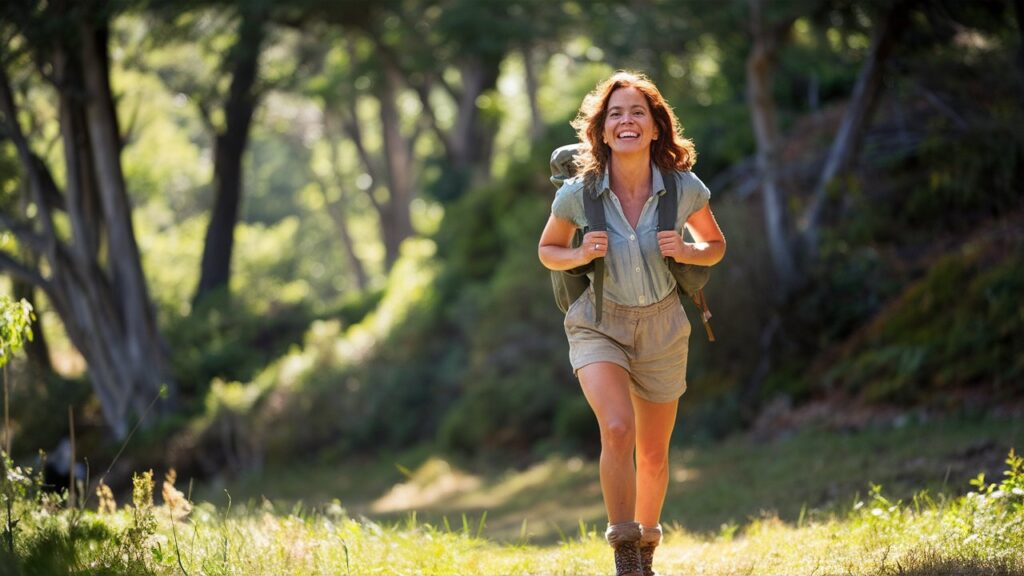
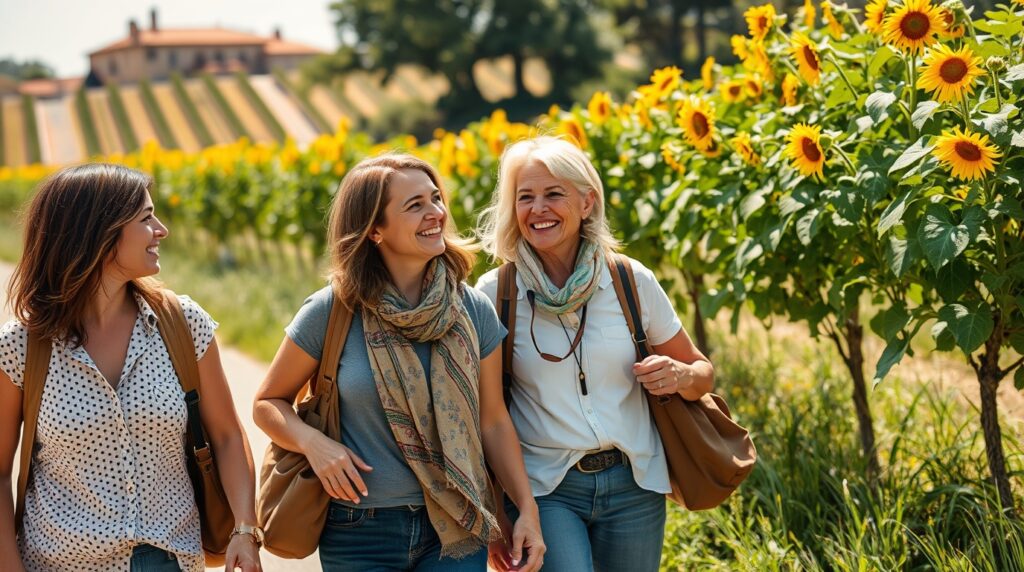
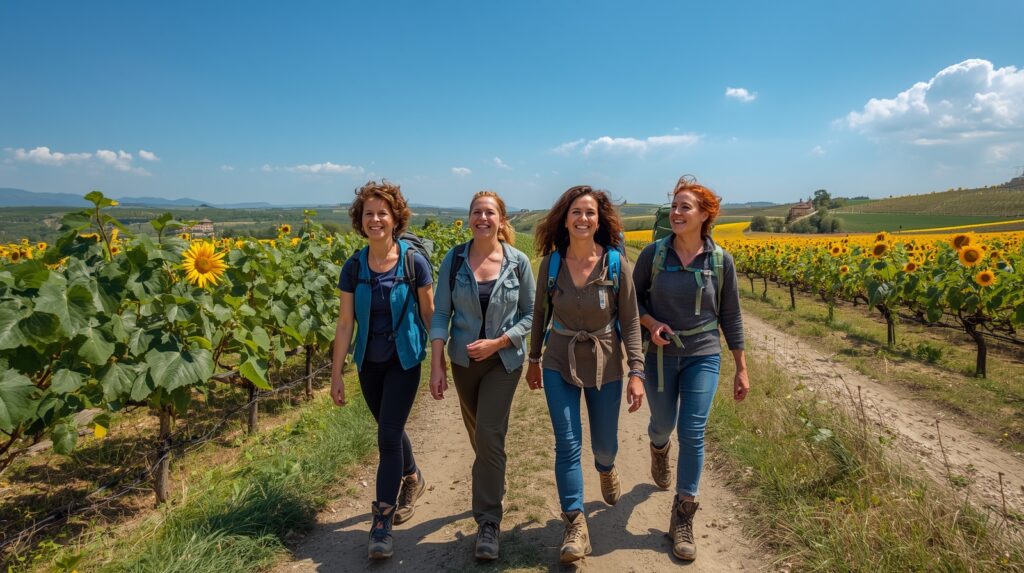
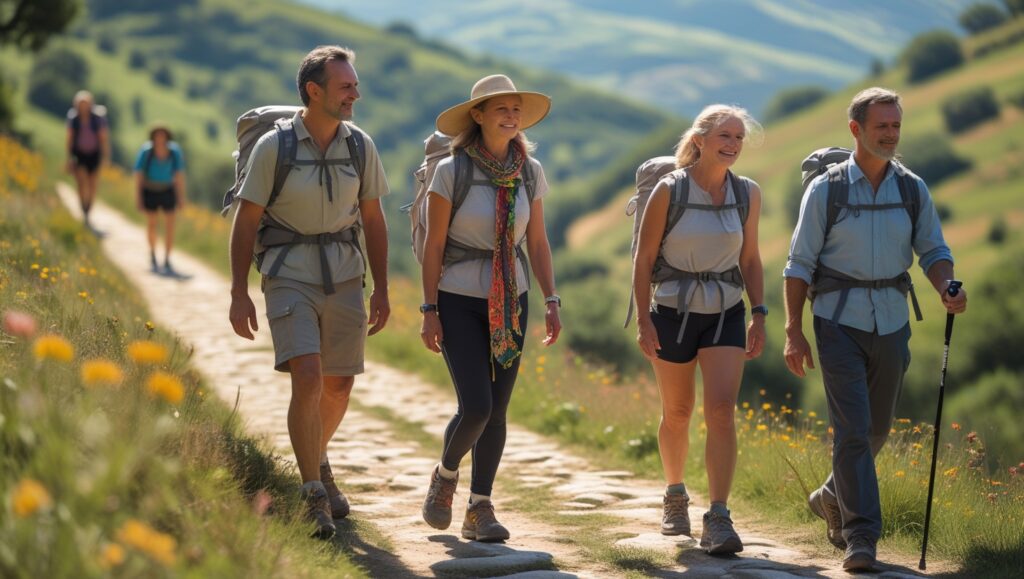
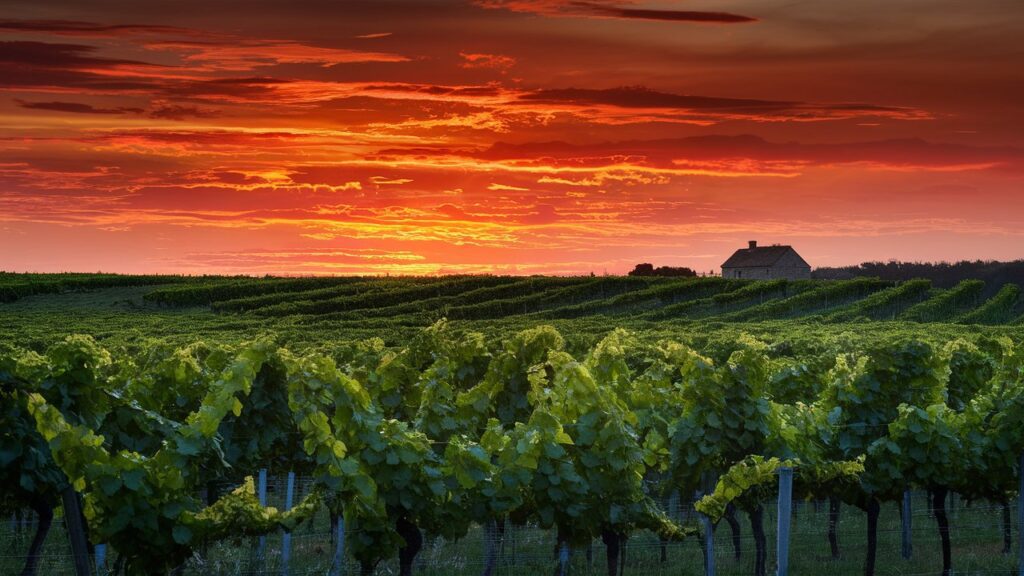
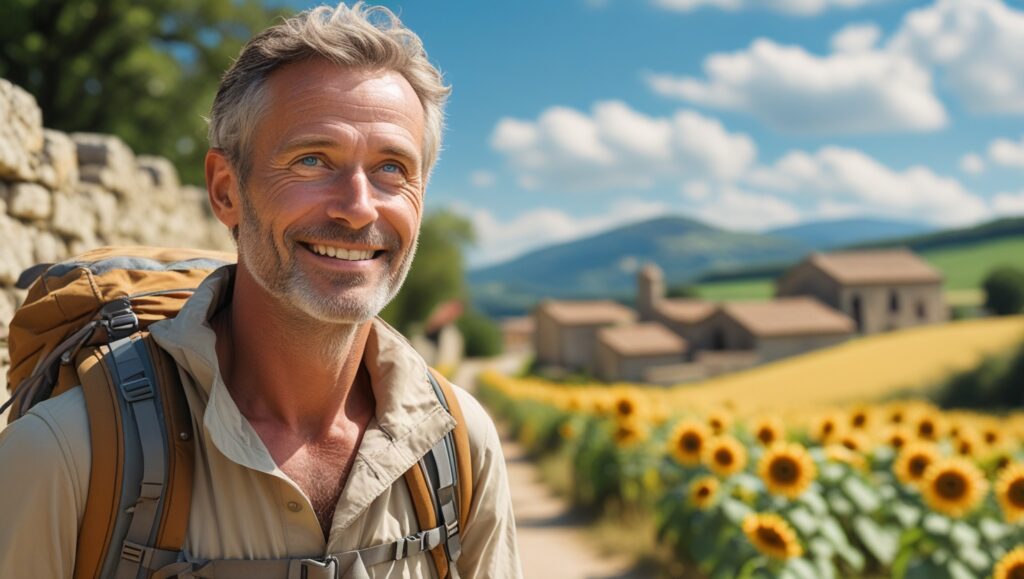
Join us for the Book Lovers Binge Reading Camino de Santiago Walking Retreat in the sun-drenched southwest of France: a journey where the trail and the story unfold together. Walk ancient paths at your own pace, then settle in each evening with a good book. This isn’t a fitness challenge—it’s a gentle rhythm—one step, one chapter, one honest conversation at a time. Rolling hills, quiet villages, golden light. No expectations, no performance, no agenda but your own unfolding.



Ready for a Retreat? Take the Quiz
Not sure if a walking and reading retreat is right for you, or if you need something a little different first? Sign up for the newsletter and take the Ready for a Retreat? Quiz, a quick, honest gut-check that will tell you exactly where you are and what kind of renewal might serve you best right now.
Do you dream of escaping your stressful life to raise a herd of goats or grow sunflowers in the south of France? Then you may be ready for an Esprit Meraki retreat. Get access to this “very serious” quiz to help you figure out how urgent your need for a change of scenery is, when you subscribe to my monthly newsletter.
If you could put down one thing you’ve been carrying, just for five days, what would it be? And what might become possible if you did?

Author Bio: Dr Margaretha Montagu – described as a “game changer”, “gifted healer”, “guiding light” and “life-enriching author” – is an experienced medical doctor, a certified NLP practitioner, a medical hypnotherapist, an equine-assisted psychotherapist (EAGALAcertified) and a transformational retreat leader who guides her clients through life transitions – virtually, or with the assistance of her Friesian and Falabella horses, at their home in the southwest of France.
References
- Bratman, G. N., Hamilton, J. P., Hahn, K. S., Daily, G. C., & Gross, J. J. (2015). Nature experience reduces rumination and subgenual prefrontal cortex activation. Proceedings of the National Academy of Sciences, 112(28), 8567–8572.
- Oppezzo, M., & Schwartz, D. L. (2014). Give your ideas some legs: The positive effect of walking on creative thinking. Journal of Experimental Psychology: Learning, Memory, and Cognition, 40(4), 1142–1152.
- Ulrich, R. S., Simons, R. F., Losito, B. D., Fiorito, E., Miles, M. A., & Zelson, M. (1991). Stress recovery during exposure to natural and urban environments. Journal of Environmental Psychology, 11(3), 201–230.
- Shapiro, F. (2001). The role of eye movement desensitisation and reprocessing therapy in bilateral stimulation and trauma processing. Journal of Clinical Psychology, 58(12), 1547–1558. (See also broader research on bilateral stimulation and walking as embodied memory processing.)
- Li, Q., Morimoto, K., Nakadai, A., Inagaki, H., Katsumata, M., Shimizu, T., … & Kawada, T. (2007). Forest bathing enhances human natural killer activity and expression of anti-cancer proteins. International Journal of Immunopathology and Pharmacology, 20(2 Suppl 2), 3–8.
Written with warmth, a little mischief, and the genuine conviction that the Camino de Santiago still leads somewhere worth going.