
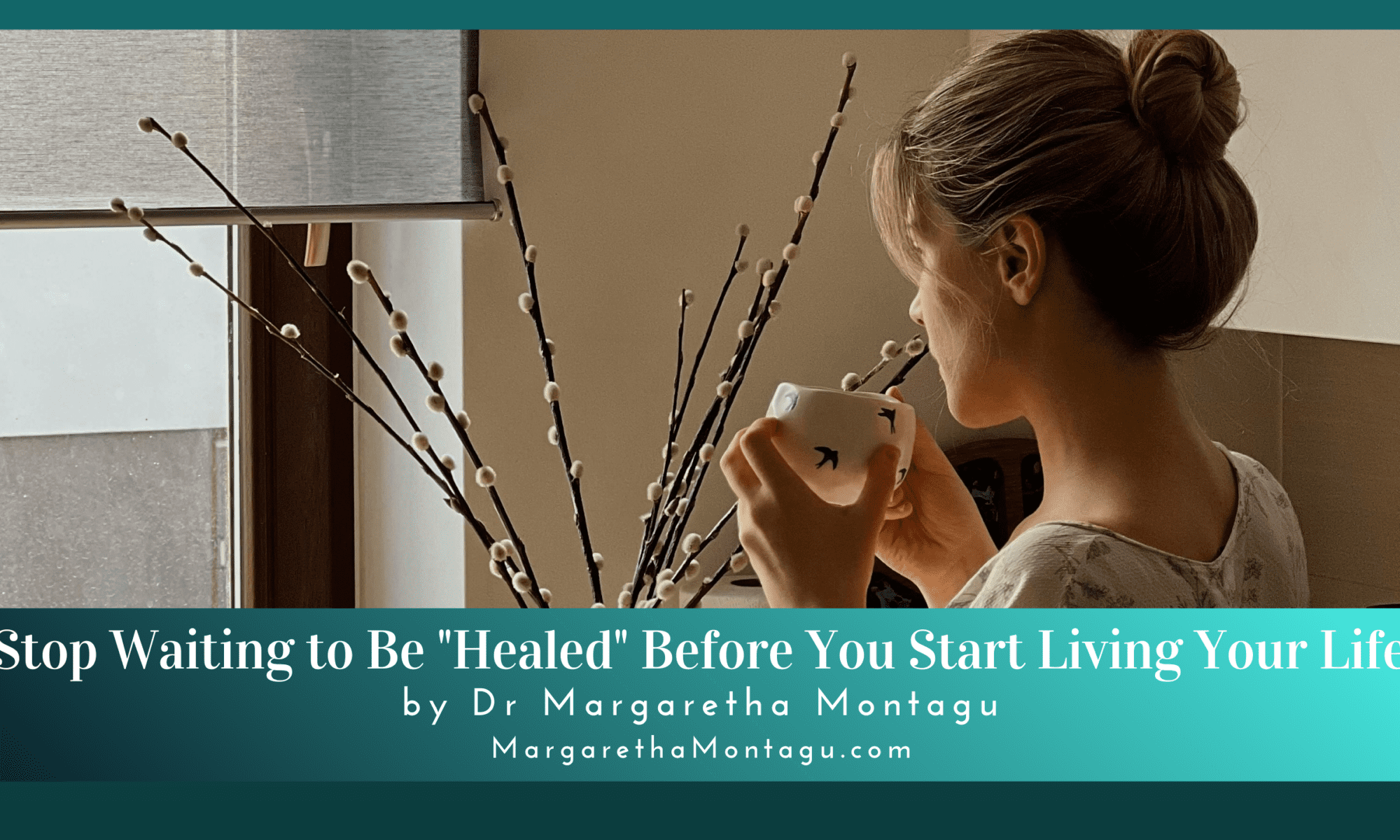
Healing Is NOT the Destination
What this is: A reality check for anyone who’s turned healing into their full-time job and forgotten they’re allowed to live whilst doing it. This is about reclaiming permission to exist messily, joyfully, and imperfectly whilst growing.
What this isn’t: Another productivity hack disguised as wellness advice. This isn’t about “optimising” your healing journey or finding a faster route to being “fixed.”
Read this if: You’ve caught yourself thinking, “I’ll be ready when I’m healed,” or postponing joy until you’ve got your act together. If you’re exhausted by the pressure to be perpetually improving, this is for you.
Five Key Takeaways
- Healing is part of living, not a prerequisite for it – You don’t need to wait until you’re “ready” to start your next chapter.
- The myth of being “finished” keeps you stuck – There is no magical moment when you’ll be polished enough, healed enough, or worthy enough.
- Living whilst healing is not reckless, it’s revolutionary – Engaging with life during your transformation accelerates growth, not derails it.
- Your worthiness isn’t conditional on your progress – You deserve rest, joy, and love right now, exactly as you are.
- The journey itself is where the transformation happens – Not at some imagined finish line, but in the messy middle.
Introduction: The Finish Line That Keeps Shifting
You’ve done the work.
The therapy sessions. The journaling. The boundary-setting conversations that left you shaking. Waiting to be healed. The books with their dog-eared pages and highlighted sentences that felt like lifelines. The early mornings with meditation apps. The late nights untangling thoughts that seemed hopelessly knotted.
And still, somewhere deep inside, there’s this whisper: Not yet. Not ready. Not fully healed.
So you keep working. Keep improving. Keep fixing. Because surely, there’s a version of yourself waiting just around the corner, a version who has it all together, who doesn’t carry old wounds or react from old patterns, who is finally, finally enough.
But here’s what I’ve learned from two decades as a physician, another two as a retreat host walking alongside hundreds of people through their own crossroads, and from the personal storms that stripped me down to my foundation: healing was never meant to be a destination. It was always meant to be the path you walk whilst living.
This article will challenge the story you’ve been telling yourself about needing to be “ready” before you deserve to live fully. You’ll discover why postponing your life until you’re healed is keeping you stuck, and how to give yourself permission to live, love, and thrive whilst still growing.
A Woman Waiting to be Healed
Claire Hartwell’s Story
Claire Hartwell sat in her car outside the art supply shop for seventeen minutes, hands gripping the steering wheel, knuckles white against the grey vinyl.
Through the shop window, she could see rows of paint tubes lined up like little soldiers of possibility. Cadmium yellow. Burnt sienna. Cerulean blue. The names alone made something in her chest ache with longing. She’d driven forty minutes to get here, talked herself into it over morning coffee, even dressed in her “brave” jumper, the soft green one her daughter said made her look happy.
But now, parked three spaces from the entrance, all she could think was: I’m not ready yet.
The divorce had been final for eighteen months. The therapy sessions were helping, she supposed. She’d read seven books on healing from betrayal. Started saying no to her mother’s guilt trips. Even managed to stop checking his social media, most days. But painting? The thing she’d loved before marriage, before children, before she’d folded herself into someone else’s life like origami? That felt too big. Too exposed. Too much like claiming something for herself.
When I’m healed, she thought. When I’ve worked through all of it. When I don’t wake up with that stone in my stomach. Then I’ll be ready.
A woman emerged from the shop carrying a canvas, and Claire watched her load it into her boot with easy, confident movements. That woman looked ready. That woman probably had her life sorted. That woman had probably finished her healing.
Claire started the engine and drove home.
Three weeks later, she was back in her therapist’s office, the familiar cream walls and the sound of the rain against the window creating their usual cocoon.
“I want to paint again,” Claire said, the words tumbling out. “I keep thinking about it. But I’m not, I don’t know, fixed yet? Like I’m still dealing with so much anger, and I haven’t forgiven him, and sometimes I still cry in the shower, and it feels selfish to do something just for me when I’m still such a mess.”
Her therapist, a woman with kind eyes and a habit of tilting her head when she was really listening, was quiet for a moment. Then she asked, “Claire, what if healing isn’t about becoming someone who doesn’t cry in the shower?”
The question hung in the air like dust motes in afternoon light.
“What if healing is about becoming someone who cries in the shower and paints on Tuesday afternoons?”
That evening, Claire stood in her spare bedroom, the one that had become a storage room for everyone else’s overflow. Boxes of her son’s university textbooks. Her daughter’s childhood toys she couldn’t bear to donate. Her ex-husband’s golf clubs he’d never collected.
She moved it all to one side. Not perfectly. Not completely. Just enough.
The next morning, she went back to the art shop. Her hands still shook as she selected brushes. Her heart still raced as she chose her first canvas. But this time, she didn’t wait to be ready. She didn’t wait to be healed.
She bought the paints.
That first brushstroke, three days later, was terrible. Clumsy. The colour wasn’t right. Her technique, rusty from twenty years of disuse, made her want to cry. But underneath the imperfection, underneath the frustration, was something else entirely.
Awareness.
Claire didn’t paint her way to healing. She healed her way through painting. The anger she thought she needed to resolve first? It showed up in bold reds and violent slashes across canvas, and in expressing it, it began to transform. The grief she thought would swallow her? It became gentle blues and greys, and in witnessing it, she found she could hold it without drowning.
Six months later, her dining room was her studio. Her life wasn’t perfect. She still had hard days. Still navigated co-parenting tensions. Still worked through layers of old pain. But she was living. Not waiting. Not postponing. Not making her worthiness conditional on being completely healed.
The painting hanging in her hallway, the one visitors always asked about, was a landscape, imperfect and alive, painted on a day when she’d cried in the shower that morning and laughed at her own terrible technique that afternoon.
She’d titled it: Still Healing.
Why We Confuse Healing With Achievement
The Cultural Story We’ve Absorbed
Somewhere in our collective consciousness, we’ve absorbed a dangerous narrative: that healing is linear, measurable, and completable. Like a course you finish. A qualification you earn. A project with a definitive end date.
This isn’t entirely our fault. We live in a world obsessed with before-and-after transformations. We’re shown the triumphant “after” photo, the success story neatly packaged, the person who “overcame” their struggles and now lives unburdened. What we’re rarely shown is the truth: that healing is cyclical, that growth sometimes crashes rather than climbs, and that becoming more of who you’re meant to be is a lifelong unfolding, not a destination you reach.
As a physician who spent twenty years helping people navigate stress, illness, and life’s unexpected turns, I witnessed this pattern repeatedly. Patients would postpone joy, connection, or pursuing dreams until they were “better.” Until the diagnosis was resolved. Until the crisis had passed. Until they felt worthy of living fully.
The irony? The very act of engaging with life, of pursuing what lights them up, often accelerated their healing more than waiting ever did.
The Ripple Effect of Permission
When you give yourself permission to live whilst healing, something remarkable happens. It’s not just you who transforms.
Your children watch you navigate difficulty without abandoning yourself. They learn that struggle doesn’t disqualify you from joy. That you can hold pain in one hand and possibility in the other.
Your friends witness permission in action. Suddenly, they too start questioning whether they need to be “ready” before pursuing that course, that relationship, that dream they’ve been postponing.
Your community gains a member who shows up fully, messily, authentically. Not someone who has it all together, but someone who’s learning to live courageously whilst still growing.
This is how transformation ripples outward. Not through perfection, but through permission. Not through having arrived, but through walking the path with intention, presence, and radical self-compassion.
The impact extends beyond what you can measure. In my work hosting transformational retreats on the Camino de Santiago, I’ve watched this pattern unfold hundreds of times. Someone arrives believing they need to “fix” themselves before they can truly live. They leave understanding that the walking itself, the community, the daily choice to show up imperfectly, is where the healing happens.
They become beacons of possibility. Their courage to live whilst healing gives others permission to do the same. The ripple becomes a wave.
Five Mistakes to Avoid
1. Treating Healing Like a Performance Review
The Mistake: Constantly evaluating your progress, measuring how “healed” you are, and setting benchmarks for readiness.
Why It Backfires: You end up living in your head, analysing yourself rather than experiencing yourself. Healing becomes another task you’re failing at rather than a natural unfolding.
Instead: Notice without judgment. Observe your patterns with curiosity rather than critique. Ask, “What am I learning?” instead of “Am I fixed yet?”
2. Postponing Everything Until You’re “Ready”
The Mistake: Waiting to date until you’ve healed from your last relationship. Waiting to start your business until you’ve overcome imposter syndrome. Waiting to create until you’ve resolved your perfectionism.
Why It Backfires: Readiness isn’t a feeling you achieve; it’s a choice you make. Waiting keeps you safe but stuck.
Instead: Start before you’re ready. Take the smallest possible step. Paint badly. Date messily. Create imperfectly. Trust that you’ll learn what you need to learn by doing.
3. Making Healing Your Identity
The Mistake: Defining yourself by your wounds, your recovery, your journey. Every conversation becomes about what you’re working through.
Why It Backfires: You become invested in staying in the healing process because it’s who you are now. Your identity depends on remaining wounded.
Instead: Remember you are not your story. You are the one living it. Healing is something you’re experiencing, not something you are.
4. Isolating Until You’re “Better”
The Mistake: Withdrawing from relationships, community, and connection because you’re “not ready” to show up fully.
Why It Backfires: Isolation deepens pain and slows healing. Connection, even imperfect connection, is medicine.
Instead: Show up as you are. Let people see you mid-process. Practice saying, “I’m having a hard time, and I’m so glad to be here with you.”
5. Believing Healing Is Solo Work
The Mistake: Thinking you have to figure it all out alone, that asking for help is a weakness, that your healing is your burden to carry.
Why It Backfires: We heal in relationships. In witnessing and being witnessed. In community and connection.
Instead: Seek support that resonates. Whether it’s therapy, coaching, retreats, or trusted friends, let yourself be held whilst you transform.
Intention Setting Exercise: Start Living NOW
Find a quiet moment. Pour yourself something warm. Sit comfortably.
Step One: Place one hand on your heart. Take three deep breaths.
Step Two: Complete this sentence aloud: “I give myself permission to ________ even though I’m still ________.”
Examples:
- “I give myself permission to create even though I’m still grieving.”
- “I give myself permission to love again even though I’m still healing from betrayal.”
- “I give myself permission to pursue my dream even though I’m still afraid.”
Step Three: Notice what comes up. Resistance? Relief? Emotion? Simply witness it.
Step Four: Write this permission statement somewhere you’ll see it daily. Your mirror. Your journal. Your phone wallpaper.
Step Five: Within 24 hours, take one small action aligned with your permission. Not perfect action. Not grand action. Just one small, brave step.
Further Reading
1. “The Gifts of Imperfection” by Brené Brown. I recommend this because Brown dismantles the myth of needing to be perfect before you’re worthy. Her research on vulnerability and wholehearted living provides evidence-based permission to show up as you are.
2. “Kitchen Table Wisdom” by Rachel Naomi Remen. Remen, a physician and therapist, shares stories that illuminate how healing happens in the living, not in the waiting. Her perspective on what it means to be whole whilst still wounded is transformative.
3. “Women Who Run With the Wolves” by Clarissa Pinkola Estés. This book reconnects you with the wild, instinctual self that knows healing isn’t about domestication or control. Estés reminds us that wholeness includes our untamed, unfinished parts.
4. “When Things Fall Apart” by Pema Chödrön. Chödrön’s Buddhist perspective on impermanence and groundlessness offers profound wisdom on staying present with discomfort whilst still engaging with life. Essential reading for anyone in transition.
5. “The Body Keeps the Score” by Bessel van der Kolk. For understanding how healing happens in the body, not just the mind. Van der Kolk’s research shows that engaging with life, movement, and connection is essential to healing trauma.
P.S. My book, “Embracing Change in 10 Minutes a Day,” offers practical, daily practices for navigating life transitions without making healing a full-time job. It’s designed for people who want to transform whilst still living their lives. Available here
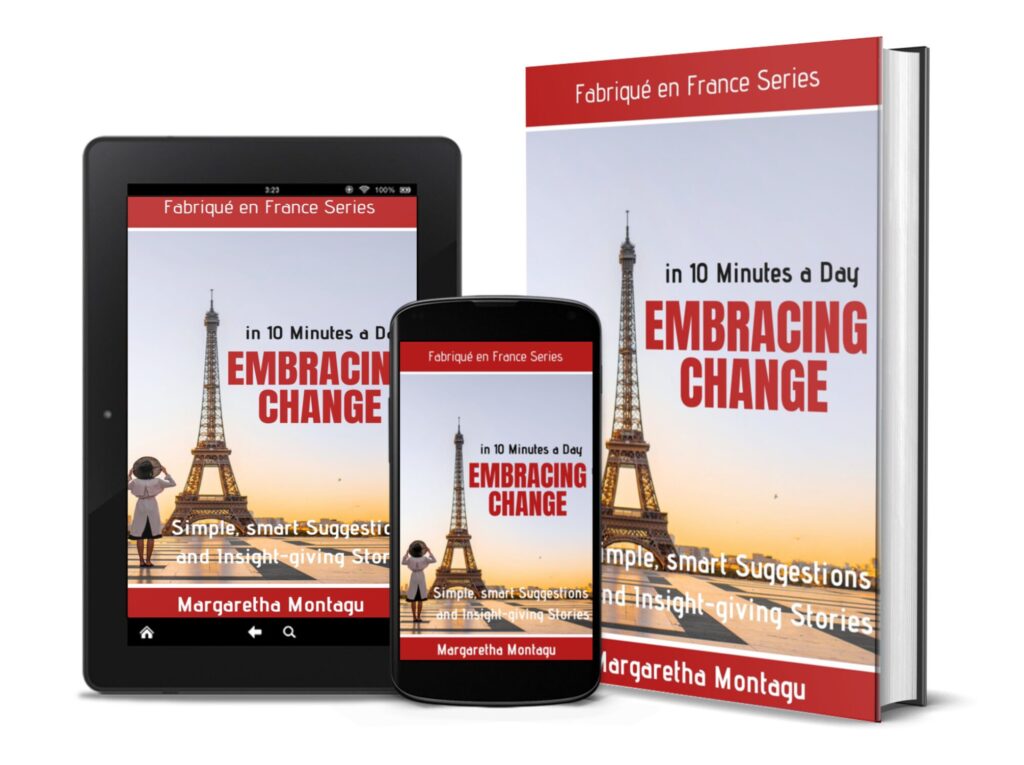
If you are currently facing a major life transition or any other dramatic change in your circumstances, and you have no idea how you are going to cope, the good news is that the strategy presented in this book can help you, step by step, to improve your ability to handle the stress caused by change, even if you feel entirely powerless at the moment.
Frequently Asked Questions
Isn’t it irresponsible to move forward before I’ve fully healed?
Not at all. In fact, waiting to be “fully healed” is often what keeps you stuck. Healing isn’t about reaching a state of completion; it’s about increasing your capacity to hold complexity, to live with both pain and joy, to act with intention even when you don’t have all the answers. Moving forward doesn’t mean bypassing your healing; it means allowing your healing to happen within the context of a lived life.
How do I know the difference between healthy growth and just avoiding my issues?
Healthy growth feels expansive, even when it’s uncomfortable. Avoidance feels constrictive and usually involves numbing, distracting, or denying what you’re feeling. Ask yourself: “Am I moving towards something meaningful, or am I running from something painful?” Both can coexist, but the motivation matters. If you’re engaging with life whilst also doing the inner work, you’re growing. If you’re using busyness to avoid feeling, that’s different.
What if I make mistakes or hurt people because I’m not healed yet?
You’ll make mistakes whether you’re “healed” or not, because you’re human. The goal isn’t to become someone who never causes harm; it’s to become someone who can acknowledge harm, repair relationships, and keep learning. Waiting to be perfect before you engage with life guarantees you’ll never truly live. Better to show up imperfectly and be willing to make amends.
Can I really be happy whilst still dealing with trauma or grief?
Yes. Happiness and healing can coexist. One of the most damaging myths we’ve absorbed is that we must resolve our pain before we’re allowed to experience pleasure. In reality, allowing yourself moments of genuine joy whilst navigating difficulty is not only possible, but it’s also essential to your wellbeing.
What if people judge me for living my life before I’m “better”?
Some will. People are uncomfortable with others who refuse to stay small or wait for permission. But their discomfort is their journey, not yours. The people who matter will celebrate your courage to live fully. The ones who judge were likely never going to approve anyway. Your job isn’t to be palatable; it’s to be alive.
Conclusion
There’s a quote that lives in my heart, one I’ve returned to through my own crossroads and crises:
“We are not meant to stay wounded. We are supposed to move through our traumas and to come out the other side, wiser and more able to face the world and ourselves.” — Leigh Bardugo
But here’s what I’d add: we don’t have to wait until we’ve “come out the other side” to start living. We can live, love, create, and connect whilst we’re moving through. The transformation happens in the walking, not at some imagined destination.
You are not a project to complete. Your life is happening now, not when you’re healed. Not when you’re ready. Not when you’ve got it all figured out.
Now.
Messy, imperfect, glorious now.
Crossroads on the Camino de Santiago
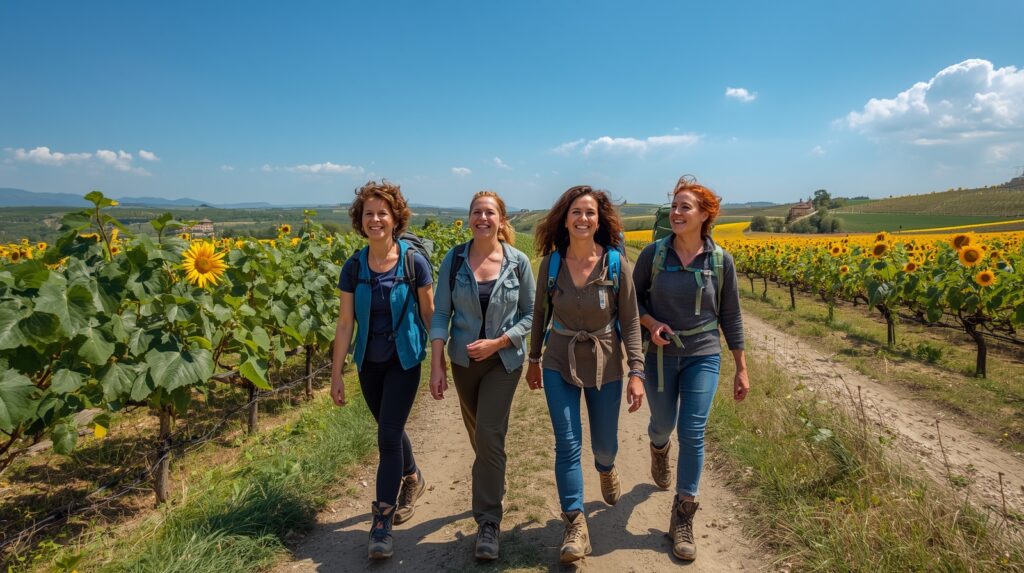
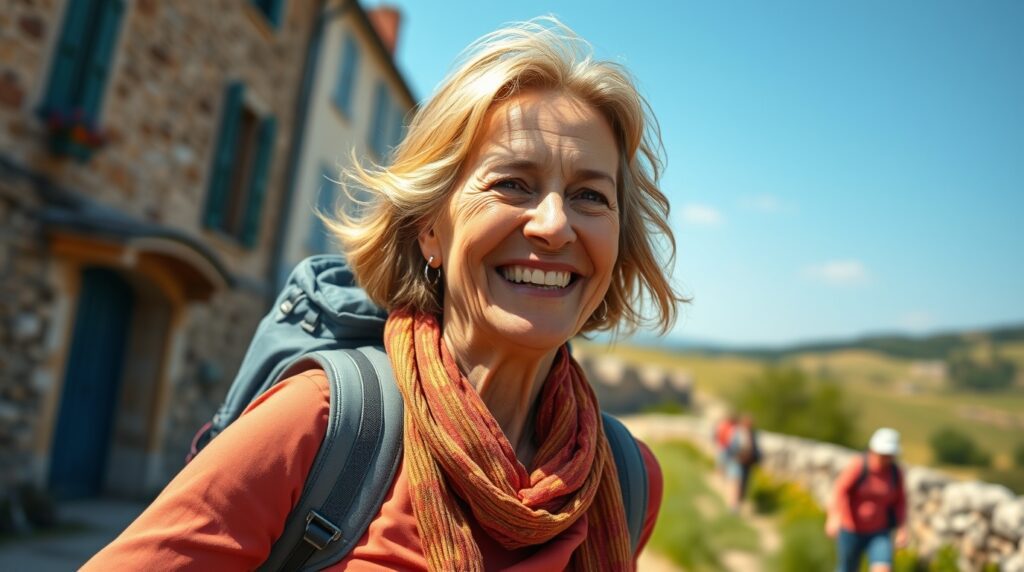
If this article resonates, imagine what might shift if you gave yourself seven days to walk, reflect, and reconnect with who you’re becoming. My Crossroads Camino de Santiago retreats in south-west France offer exactly that: a chance to move through transition whilst walking an ancient path that has held seekers, wanderers, and pilgrims for over a thousand years.
We walk manageable distances through stunning countryside, sharing meals and stories, gathering in circles with my Friesian horses who somehow know exactly when someone needs gentle witnessing. There’s no pressure to have answers, to be “fixed,” or to perform healing. Just space to be exactly where you are whilst taking intentional steps towards where you’re going.
These retreats are for people who understand that transformation doesn’t happen in isolation. Who want to live whilst they heal, not wait until some impossible perfect moment.
The path is calling. You don’t need to be ready. You just need to take the first step.
Discover the Crossroads Camino Retreat

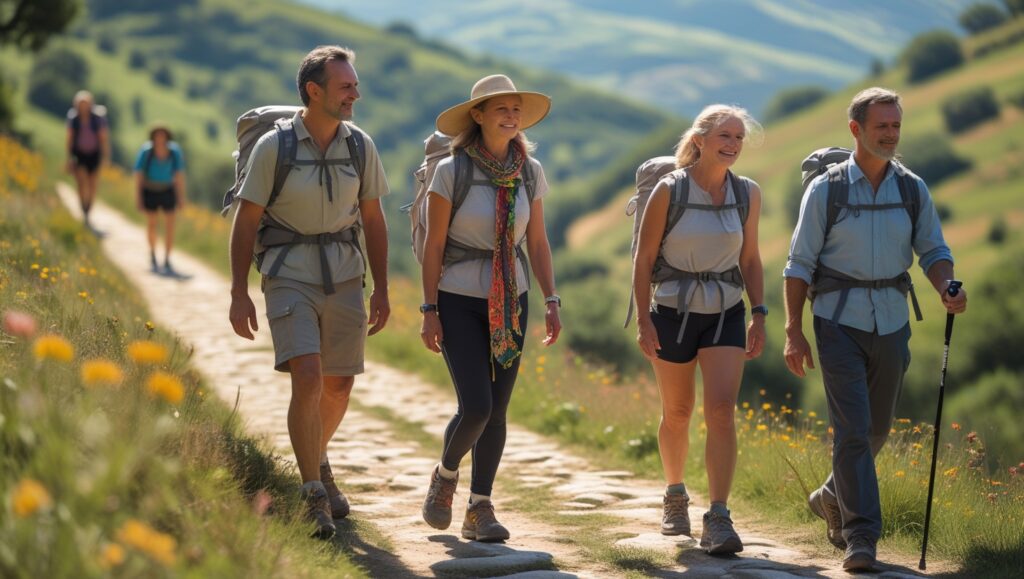





My work is grounded in a simple truth I’ve learned through personal storms and professional experience: you don’t need to be healed to deserve a beautiful life. You deserve it now, exactly as you are.
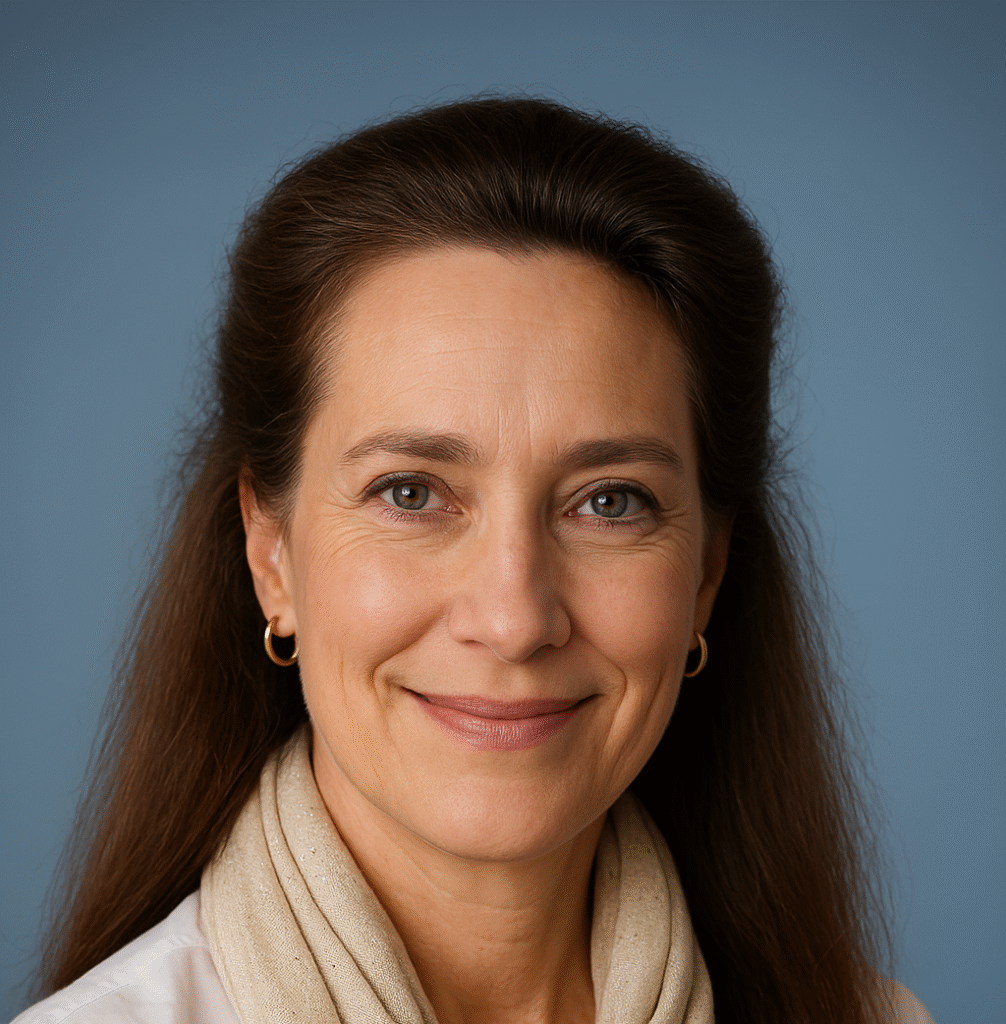
Author Bio: Dr Margaretha Montagu – described as a “game changer”, “gifted healer”, “guiding light” and “life-enriching author” – is an experienced medical doctor, a certified NLP practitioner, a medical hypnotherapist, an equine-assisted psychotherapist (EAGALAcertified) and a transformational retreat leader who guides her clients through life transitions – virtually, or with the assistance of her Friesian and Falabella horses, at their home in the southwest of France.
Ready to discover your next chapter? Take my Turning Point Quiz to gain clarity on where you are and what wants to emerge next.
Research
Healing as a non-linear “journey” rather than a precondition for meaningful living: Qualitative health research describes healing as emerging over time (often with ongoing symptoms), emphasising meaning, integrity, and functioning rather than “cure first, life later”: Scott JG, Warber SL, Dieppe P, Jones D, Stange KC. Healing journey: a qualitative analysis of the healing experiences of Americans suffering from trauma and illness. BMJ Open. 2017 Sep 13;7(8):e016771. This study describes healing as “fits and starts” and not equivalent to cure, which directly challenges the idea that life must be on hold until full healing occurs.