
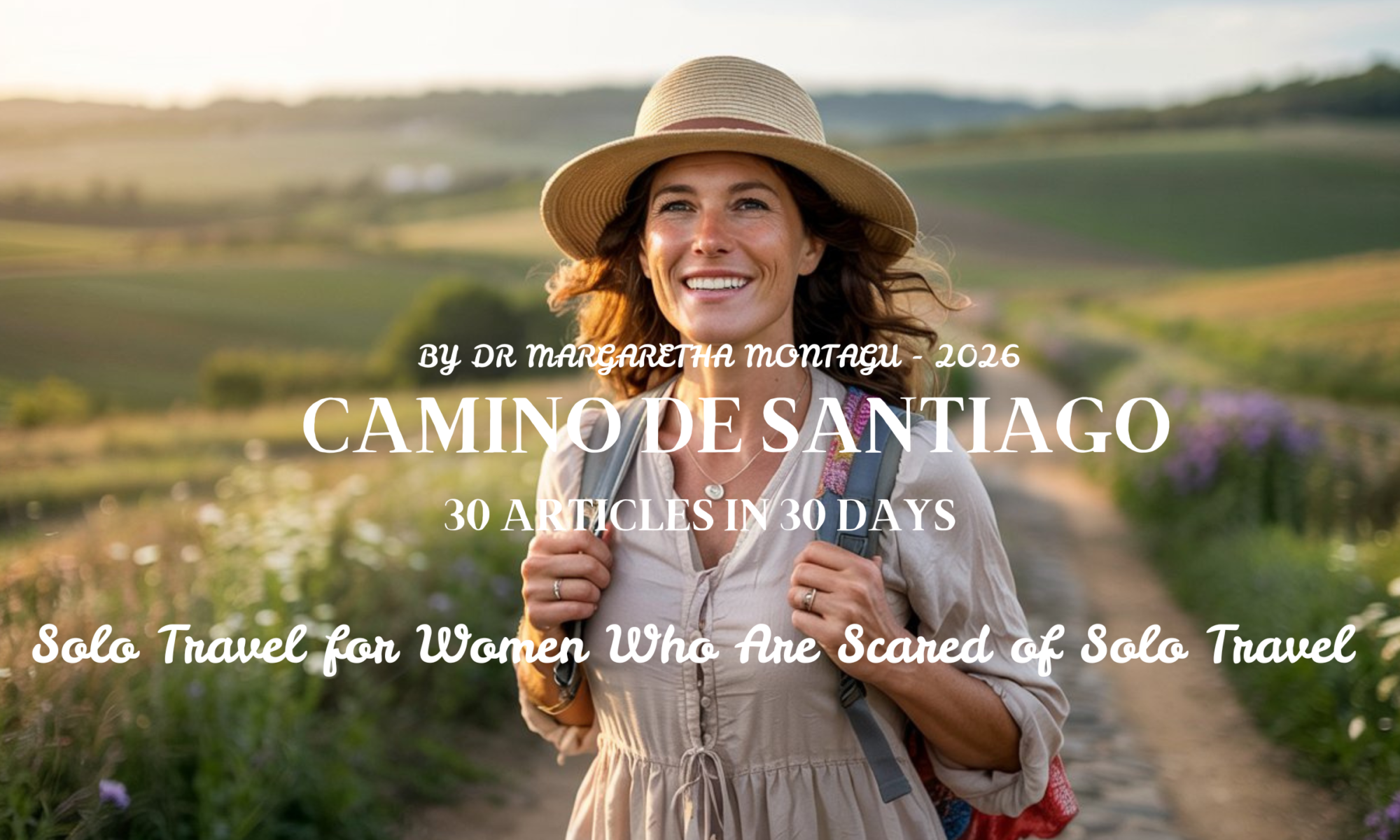
Practical, honest, and occasionally hilarious — a solo travel guide to taking the trip you’ve been putting off because no one will come with you
What This Article Is About
You have a list. You’ve had it for years. It lives somewhere between your to-do app and your heart, and near the top of it is a place you desperately want to go — except every person you’ve asked is either broke, busy, scared of flying, or deeply committed to a husband who won’t eat foreign food. This article is for you: the woman who wants to travel solo, who is terrified of travelling solo, and who has been waiting for someone to give her permission, a plan, and a stiff drink of honest reassurance. Consider this all three.
5 Key Takeaways
1. Fear is not a stop sign — it’s a compass. The things that frighten us most are usually the ones most worth doing. Solo travel is scary precisely because it matters.
2. Planning beats paralysis every single time. Most of the terror around solo travel lives in the imagination. A bit of research and a decent itinerary deflates the monster under the bed quite spectacularly.
3. The Camino de Santiago is one of the safest and most solo-woman-friendly routes in the world. It has a built-in community, a well-marked path, and an 1,000-year-old tradition of welcoming strangers. It was practically designed for women who want to be brave but would also like a warm meal at the end of the day.
4. You will not be lonely. You might be alone, but those are startlingly different things. Solo travel tends to make you more socially connected, not less — because you are no longer hiding behind a companion.
5. The woman who comes home will not be quite the same as the woman who left. This is, in every possible way, the goal of the exercise.
Carla Hennessy’s Solo Travel Story
Her name was Carla Hennessy, and she had been “about to book the trip” for approximately four years.
Four years of browser tabs left open. Four years of guidebooks purchased and lightly annotated. Four years of asking friends — Justine, who was saving for a kitchen renovation; Bree, who was “a bit nervous about the food situation in Europe”; and her sister Helen, who had young children and laughed so hard at the suggestion that she nearly spilled her coffee.
Carla was fifty-three years old, worked in hospital administration, had walked her dog every morning for eleven years, and could organise a ward restructure with one arm tied behind her back. She was competent, warm, occasionally very funny, and completely convinced that she was incapable of travelling on her own.
She’d heard about the Camino de Santiago from a colleague — “people just walk it, you follow the arrows, there are beds along the way” — and something in her had lurched sideways, the way something does when it recognises itself in a description it wasn’t expecting.
She bought another book. She read it. She put it on the shelf next to the other ones.
And then, on a Tuesday in October, her dog died.
It wasn’t the grief alone — though the grief was real and surprisingly large — it was more that Milo’s absence revealed how small her world had quietly become. She walked the route they always walked together, alone, and at the corner where he used to stop to investigate a particularly interesting fence post, she stood still on the pavement and said, out loud to nobody: “This is not enough.”
She booked the flight that evening. Not to the start of the Camino — she wasn’t quite there yet — but to Paris. One city. One week. Herself.
The night before she left, she sat on her bed with her packed rucksack beside her, stared at the wall, and felt a fear so clean and clear it was almost exciting.
Almost.
She landed in Paris at 7am on a Thursday. She collected her bag. She walked out into the city. And standing at the taxi rank, still damp from the plane and slightly baffled, she felt something shift — small but seismic, like a key turning in a lock she hadn’t known was there.
What happened next changed everything she thought she knew about herself.
The Fear of Travelling Solo
The fear of solo travel for women is not irrational. It is layered, complicated, and handed down across generations like a family recipe that nobody questioned. We were told — in ways explicit and implicit — that the world was not entirely safe for us alone in it, and while that is not entirely untrue, it is considerably more nuanced than the anxiety would have us believe.
What the fear often obscures is that solo travel does not mean isolated travel. It means unaccompanied travel — which is, in practice, one of the most social things a woman can do. When you travel alone, you stop being half of something and become entirely yourself. You talk to strangers because there is no one else to talk to. You make decisions for your own pleasure without negotiation. You discover what you actually want to do, as opposed to what you’re willing to agree to.
The Camino de Santiago is an especially extraordinary place to test this, because the path itself provides community. You walk among other pilgrims — hundreds of them, from dozens of countries, of every age and background — all moving in the same direction for reasons as varied and personal as fingerprints. The Camino has welcomed women walking alone since the medieval pilgrims set out for Santiago in the twelfth century.
Research consistently shows that women who travel solo report higher levels of confidence, self-knowledge, and life satisfaction — not in spite of the discomfort, but because of it. The stretch is the point. The story you tell yourself about who you are and what you’re capable of quietly, irrevocably changes. You stop asking for permission — from friends, from partners, from your own internal voice of catastrophic what-ifs — and start simply going.
5 Mistakes to Avoid
1. Waiting for the perfect companion who will never materialise. This is the single most common reason women never take the trip they want to take. Companions are wonderful, but they are not a prerequisite. If you keep waiting for someone else’s schedule, budget, and appetite for adventure to align perfectly with yours, you will wait indefinitely.
2. Over-researching as a form of procrastination. There is a point at which reading every review, joining every Facebook group, and watching every YouTube vlog stops being preparation and starts being avoidance dressed up in productivity clothing. You need enough information to feel safe. You do not need to have pre-lived the entire experience. Leave room for the actual trip to surprise you — because it will, and the surprises are often the best bits.
3. Packing as though you’re preparing for both a summit expedition and a black-tie dinner. Solo female travellers are statistically known to overpack. Every extra kilogram you carry is a tax on your joy. A good rule: pack what you think you need, then remove a third of it. You can buy a forgotten item almost anywhere. You cannot buy back a ruined back.
4. Staying in touch too constantly. There is a version of solo travel where you spend the entire time reporting back — updating Instagram, texting home every two hours, FaceTiming your best friend from every café. This is understandable, especially at first, but it prevents the very thing solo travel is meant to offer: the experience of being fully, gloriously present with yourself. Check in when needed. Then put the phone away and look at where you actually are.
5. Dismissing your instincts as paranoia. The flip side of over-worrying is dismissing every uncomfortable feeling as irrational. It isn’t. Your instincts are remarkably good information, honed over decades of navigating the world. If a person makes you uneasy, leave. If a neighbourhood doesn’t feel right, go elsewhere. Solo travel is empowering precisely because you are in charge of the decisions — trust yourself to make them.
Further Reading
“Eat, Pray, Love” by Elizabeth Gilbert I’ve chosen this book not because it is perfect — it has been gently mocked in certain circles for its navel-gazing — but because it was the first mainstream book to tell millions of women that leaving your life to find yourself is not self-indulgent. It is necessary. It gave a generation of women permission, and permission was what they needed. Read it for the courage it lends, and take the navel-gazing as part of the deal.
“Wild” by Cheryl Strayed This is the book for women who think they can’t do it alone. Strayed hiked over 1,100 miles of the Pacific Crest Trail with no prior experience, considerable grief, and boots that were the wrong size. She was not prepared. She went anyway. It is brutal and beautiful and will make you feel that whatever you’re afraid of on your modest solo trip is probably manageable by comparison. Essential reading before any solo adventure.
“You ARE Good Enough” by Margaretha Montagu And then there is this — which is, quietly, the book that sits underneath all the others. Because the real reason many women don’t travel alone isn’t logistics, or safety, or companions. It’s the deep-seated belief that they don’t quite deserve the adventure. That their needs aren’t important enough to rearrange life for. That solo travel is for other women — braver ones, freer ones, ones without responsibilities. Margaretha Montagu’s You ARE Good Enough takes that belief gently but firmly by the collar. It is, at its core, about recognising your own worth — and that is the prerequisite for everything else, including buying the plane ticket. Find it here.
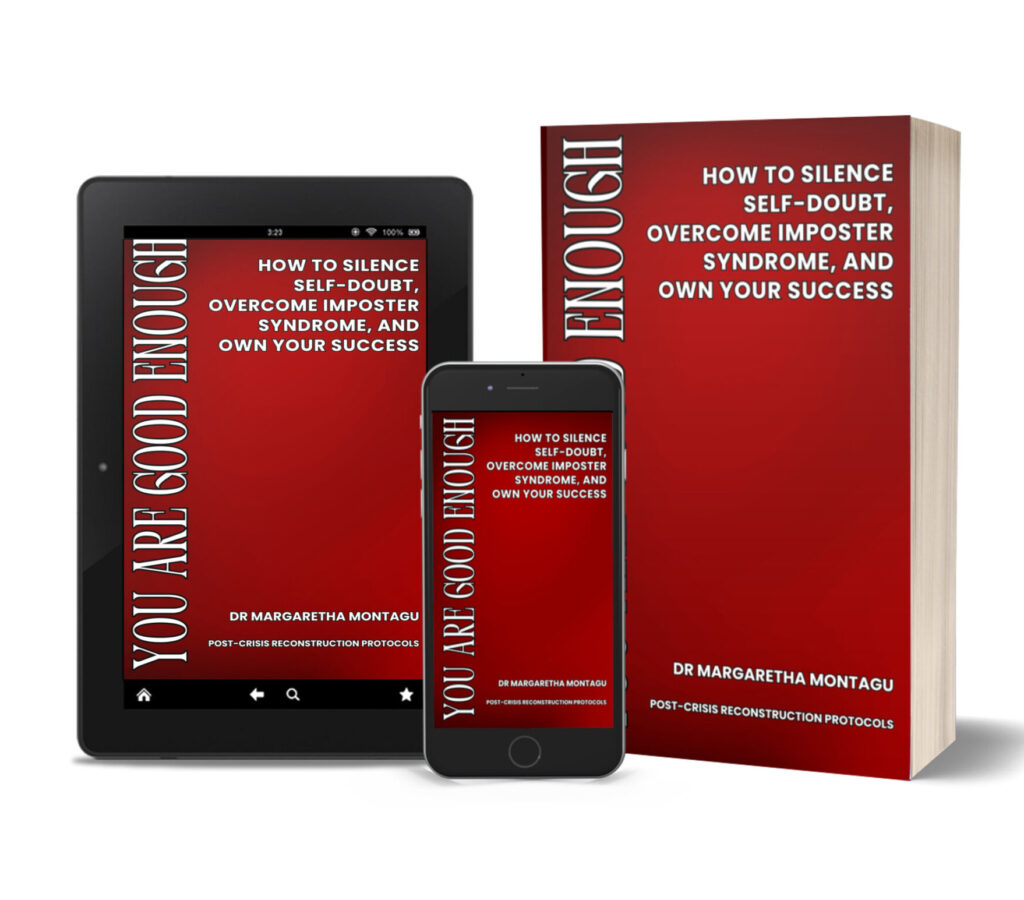
Stop second-guessing yourself. Start owning your success. This book gives you the step-by-step roadmap to break free from imposter syndrome, build unshakable confidence, and finally believe you deserve every bit of your success. You ARE Good Enough!
5 FAQs about Solo Travel
Q: Is solo travel actually safe for women? Yes — with the caveat that “safe” is relative and requires common sense, not paranoia. The majority of solo female travellers report no significant safety incidents. The Camino de Santiago, specifically, has an excellent safety record, with a well-lit and well-monitored route, communal albergues, and a culture of mutual looking-out-for-each-other that is genuinely remarkable. Standard precautions — keeping valuables secure, trusting your instincts, sharing your itinerary with someone at home — are sensible everywhere. Fear of the worst-case scenario should not prevent the best-case experience.
Q: What if I get lonely? You probably will, briefly, especially at the beginning — and then something unexpected will happen. You’ll share a table at dinner with a stranger and have the best conversation you’ve had in years. You’ll fall into step with another walker on the Camino and find yourself laughing about something that has no translation into your ordinary life. Loneliness on a solo trip is almost always temporary and is frequently followed by a kind of connection that simply isn’t possible when you’re busy being half of a partnership.
Q: Do I need to speak the local language? No. A smile, a phrasebook, the willingness to mime enthusiastically, and an honest attempt at “please” and “thank you” in the local language will carry you far. English is widely spoken throughout Western Europe, and on the Camino specifically, the shared language of the pilgrimage transcends words.
Q: What age is too old to travel solo? This question is asked by women of every age, which tells you something. Pilgrims in their seventies and eighties complete the Camino regularly. The question is not about age but about fitness, preparation, and desire. If you want to go and you are physically able, there is no age at which the world stops being worth seeing.
Q: How do I deal with the people who think I’m crazy for going alone? Nod pleasantly, thank them for their concern, and book the trip anyway. They are not coming from a bad place — they are coming from their own fears, projected onto your itinerary. The most effective response to the doubters is, ultimately, to come home transformed and to tell the story so well that they start asking you how you did it.
Conclusion
Here’s what nobody tells you about solo travel: the bravest part is the bit before you go. Once you are on the plane, or on the path, or standing in a foreign square with a coffee and nowhere to be except exactly there — the fear largely evaporates, replaced by something that feels suspiciously like freedom.
Carla Hennessy found this out in Paris, and then again, a year later, on a dirt path in Spain with her boots muddy and her rucksack lighter than she’d expected and a hundred strangers who became, for a while, her people.
If you are the woman who has been waiting for someone to tell you it’s time — consider this your yellow arrow.
If you’d like to walk the Camino during a retreat with a host who has done this many, many times and has thought carefully about what women need when they’re doing something they’re afraid of, my five-day retreats were made for exactly this moment. You don’t have to figure it all out alone. You just have to take the first step.
Explore the retreats at margarethamontagu.com
Do you dream of escaping your stressful life to raise a herd of goats or grow sunflowers in the south of France? Then you may be ready for an Esprit Meraki retreat. Get access to this “very serious” quiz to help you figure out how urgent your need for a change of scenery is, when you subscribe to my monthly newsletter.
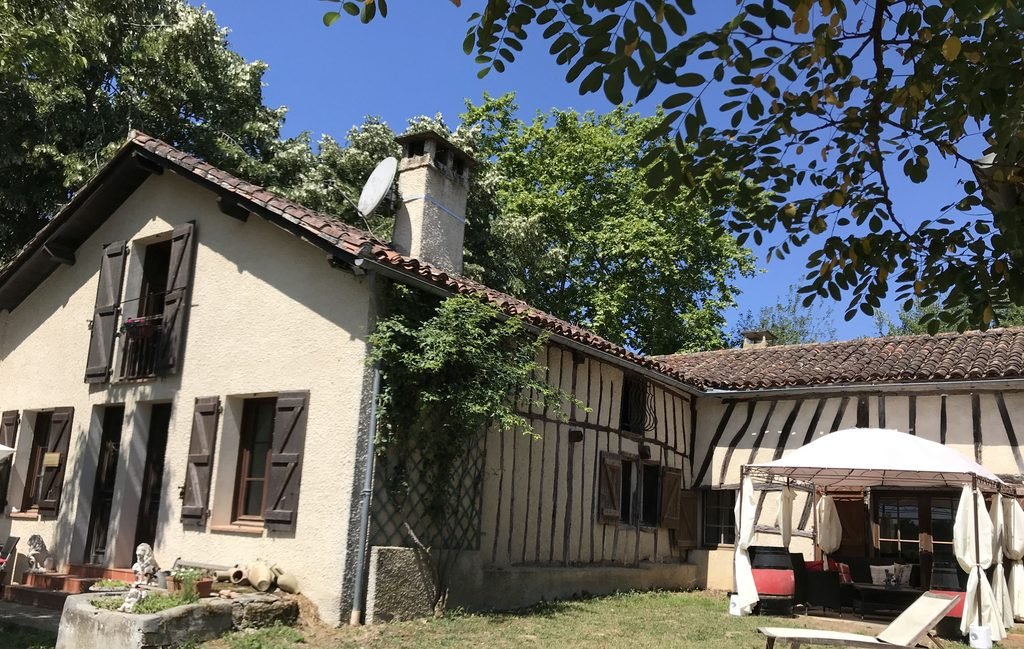
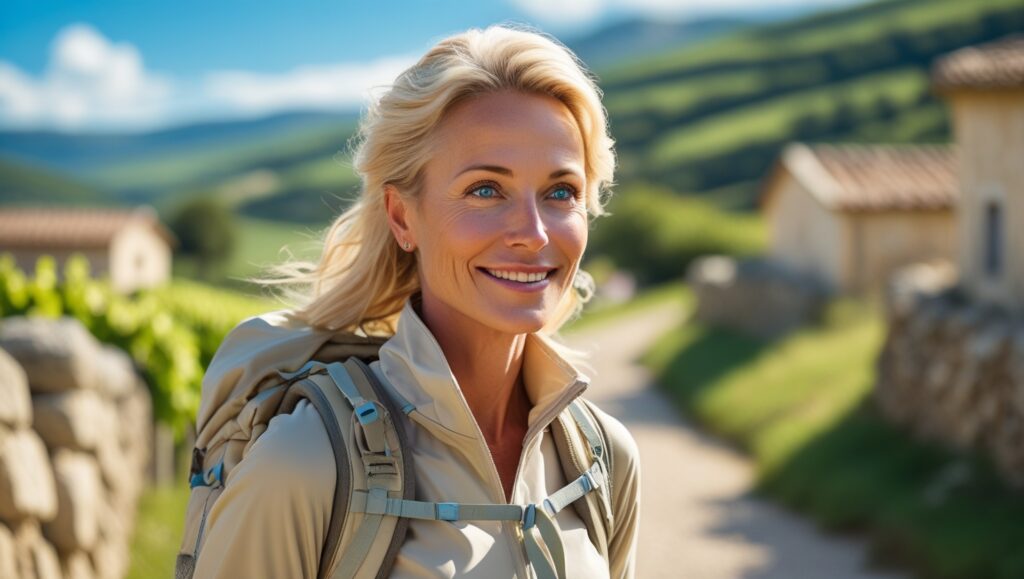
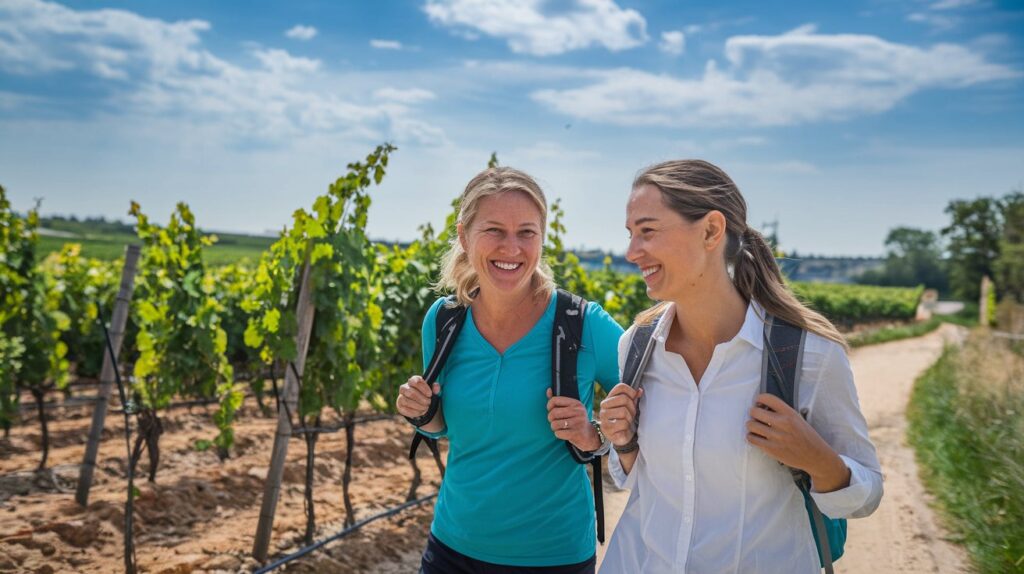

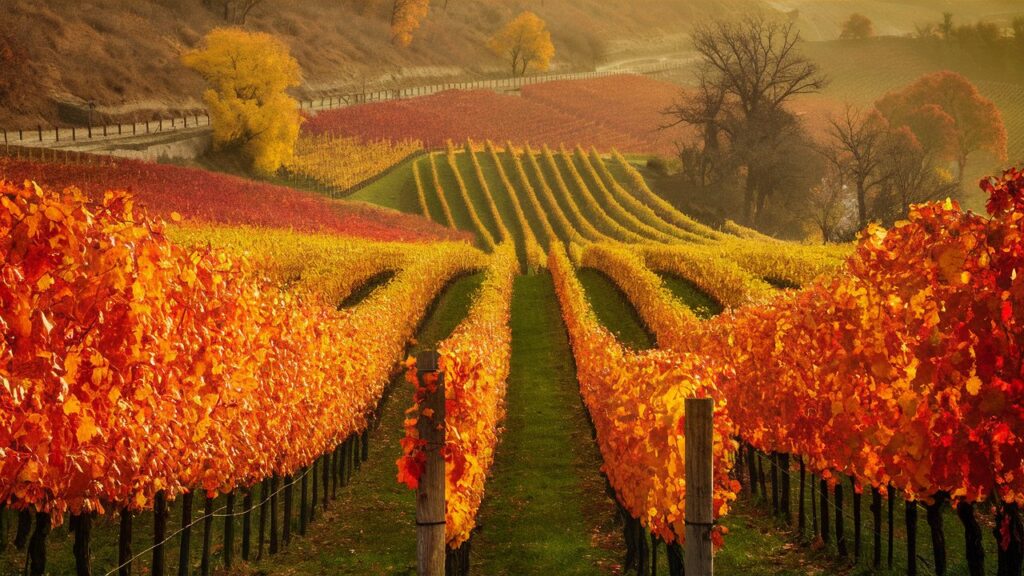
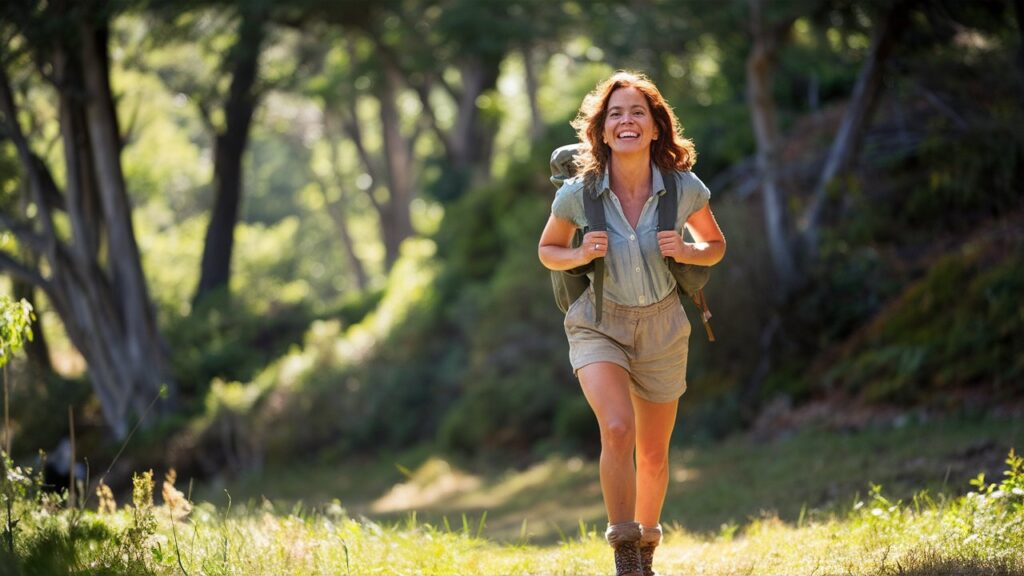
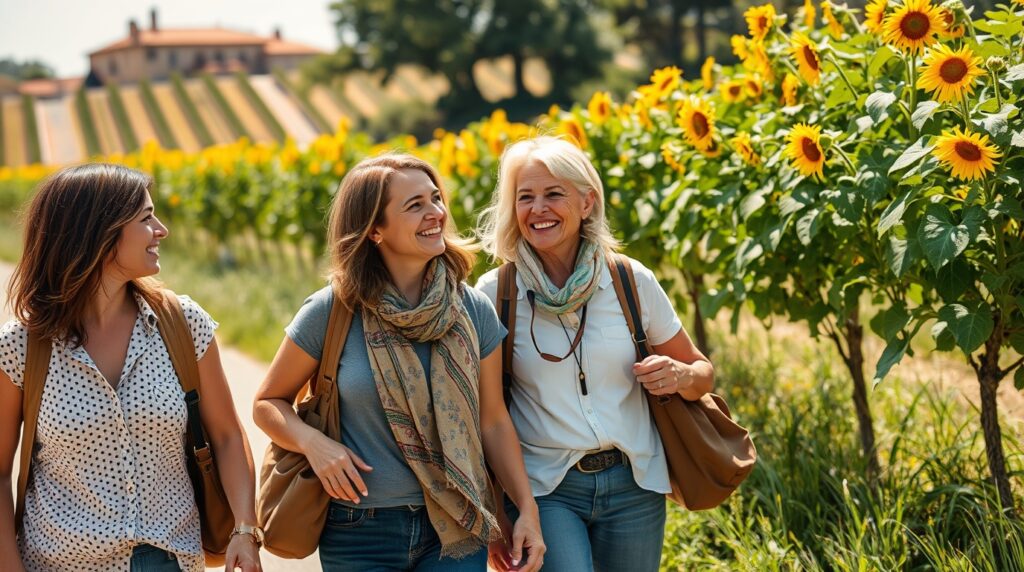
If your soul is craving fresh air, meaningful movement, and a chance to reconnect with nature, join us on a Camino de Santiago Walking Retreat in the southwest of France. This isn’t just a scenic hike – it’s a powerful, natural reboot for your body, mind, and spirit. Imagine quiet paths, rolling hills, cozy evenings, and slow conversations. No fitness requirements. No forced bonding. No pressure to have a breakthrough. Just one foot in front of the other, and finding your way to a brighter future.
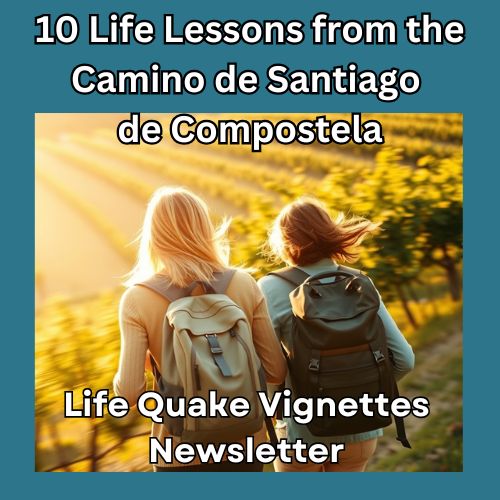
What Life Lessons Can You Learn While Walking the Camino de Santiago? – a free guide filled with 10 not just “quaint anecdotes” or Instagram-worthy moments (though there are plenty of those) but real transformations from real people who walked this insight-giving trail – Subscribe to my monthly newsletter to Download the Guide
Research
- Jordan, F., & Gibson, H. (2005). “I’d like to kill him sometimes”: Understanding the relationship between women and solo travel. Annals of Leisure Research, 8(2–3), 117–138. This study explores women’s motivations for and experiences of solo leisure travel, documenting the personal transformation and increased self-confidence that participants consistently reported — alongside the fear that preceded departure. Its findings mirror what solo female travellers describe anecdotally: the fear is real, the reward is larger.
- Wilson, E., & Little, D. E. (2008). The solo female travel experience: Exploring the ‘geography of women’s fear.’ Current Issues in Tourism, 11(2), 167–186. This paper maps the relationship between perceived risk and actual experience in solo female travel, finding that women’s fears are often disproportionate to encountered reality — and that the act of travelling alone substantially increases perceived competence, independence, and personal agency over time.
- Berdychevsky, L., Gibson, H. J., & Bell, H. L. (2013). Girlfriend Getaways and Women’s Well-Being. Journal of Leisure Research, 45(5), 602–623. While focused on women’s group leisure travel, this research illuminates the mechanisms by which travel — removed from everyday roles and responsibilities — promotes psychological wellbeing, identity exploration, and resilience in women. Its findings are directly applicable to solo travel, which magnifies these effects by removing the social buffer entirely, placing the woman face-to-face with herself and the world simultaneously.
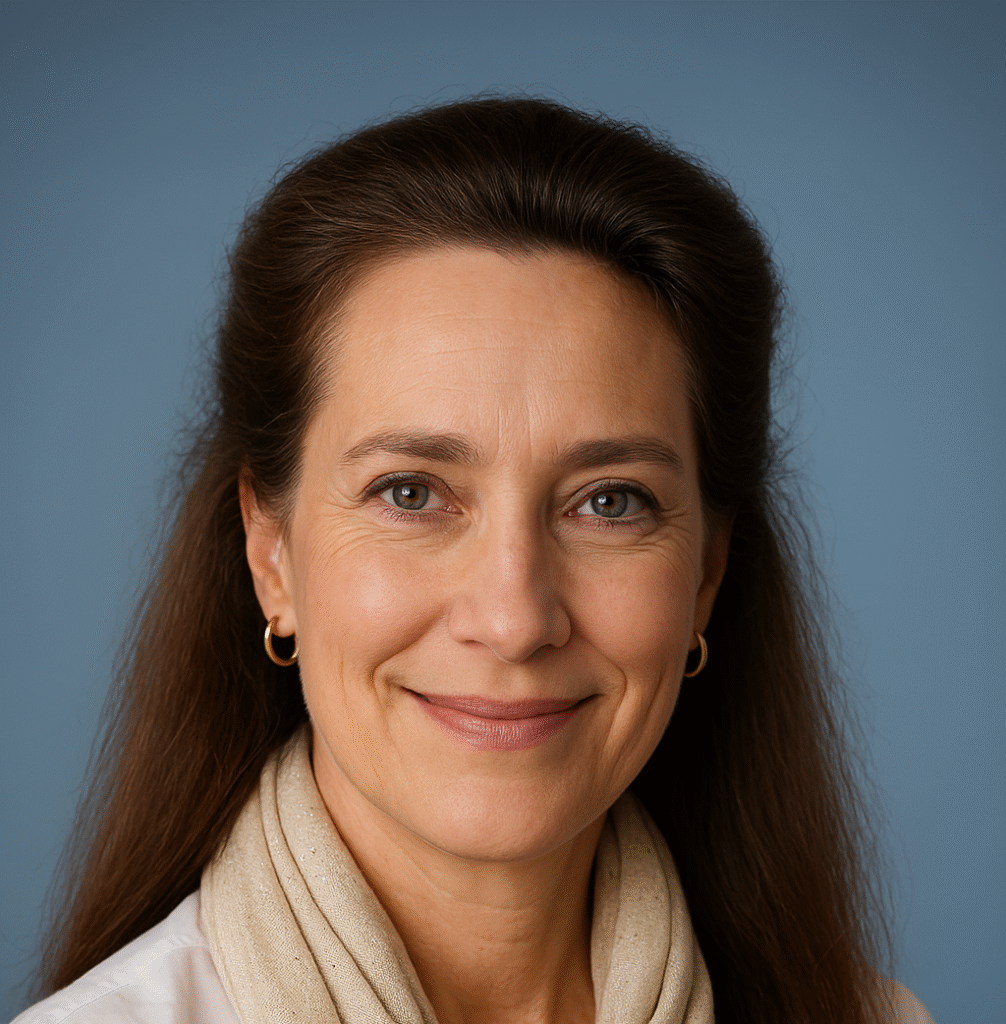
“I am an experienced medical doctor – MBChB, MRCGP, NLP master pract cert, Transformational Life Coach (dip.) Life Story Coach (cert.) Stress Counselling (cert.) Med Hypnotherapy (dip.) and EAGALA (cert.) I may have an impressive number of letters after my name, and more than three decades of professional experience, but what qualifies me to excel at what I do is my intuitive understanding of my clients’ difficulties and my extensive personal experience of managing major life changes using strategies I developed over many years.” Dr M Montagu
© Margaretha Montagu | margarethamontagu.com