If Exhaustion is your Default Settingโ€ฆ

exhaustion

Thatโ€™s not ambition. Thatโ€™s your body begging for a reboot.

Summary

We’ve been sold a lie about exhaustion. Society tells us that bone-deep tiredness is a badge of honour, proof of our dedication and ambition. But what if that isn’t true? What if it’s your body’s desperate SOS signal, begging for the reboot you’ve been denying it? This article explores the dangerous myth of productive burnout through the lens of one woman’s wake-up call, offering practical strategies to distinguish between healthy challenge and harmful depletion. It’s time to stop wearing exhaustion like a medal and start listening to what your body is trying to tell you.

The Ambition Illusion

Picture this: It’s 3 AM, and you’re still answering emails, telling yourself this is what success looks like. Your coffee mug has permanent residence on your desk, and you can’t remember the last time you felt genuinely rested. Sound familiar?

Here’s the uncomfortable truth we need to face: If exhaustion has become your default setting, you’re not ambitiousโ€”you’re running on fumes while calling it fuel.

We live in a culture that has weaponised tiredness, turning it into social currency. We compete over who got less sleep, who worked longer hours, who’s more “dedicated.” But somewhere between glorifying the grind and celebrating the hustle, we lost sight of a fundamental truth: sustainable success requires sustainable energy.

Your body isn’t a machine that runs better when overheated. It’s a complex ecosystem that needs cycles of challenge and recovery, output and input, doing and being. When exhaustion becomes your baseline, you’re not optimisingโ€”you’re operating in survival mode.

Alex’s Wake-Up Call

Alex Collins thought she had it all figured out. At 34, she was the kind of woman other people looked up toโ€”a marketing director at a prestigious firm, marathon runner, volunteer board member, and the friend everyone called when they needed something done. Her calendar was a masterpiece of colour-coded efficiency, every minute accounted for, every goal meticulously planned.

The first warning sign came on a Tuesday morning in October. Alex was rushing through her usual routineโ€”black coffee gulped while checking emails, protein bar eaten while reviewing quarterly reports, sneakers laced while mentally rehearsing her presentation for the 9 AM meeting. As she grabbed her car keys, the metallic jangle seemed unusually sharp, almost violent against the morning silence.

Her hands were trembling.

Not the gentle shake of too much caffeine, but a deeper tremor that seemed to originate from her bones. She stared at her fingers, willing them to be steady, but they continued their rebellious dance. The scent of her vanilla candle, usually comforting, suddenly felt cloying and overwhelming.

“Just stressed about the presentation,” she whispered to her reflection in the hallway mirror. The woman staring back had hollow eyes rimmed with concealer that wasn’t quite doing its job anymore.

The presentation went wellโ€”Alex always delivered. But as she sat in the conference room afterwards, the congratulations from her colleagues sounded muffled, as if she were hearing them underwater. The fluorescent lights felt harsh against her skin, and she could taste something metallic in her mouth that had nothing to do with the coffee she’d been sipping.

That evening, Alex collapsed onto her couch with her laptop, ready to tackle the evening’s work. But as she opened her computer, the screen’s blue glow made her head pound. The soft cushions beneath her felt like they were swallowing her whole, and for the first time in months, she closed the laptop without opening a single document.

She sat in the growing darkness, listening to the hum of her refrigerator and the distant sound of her neighbour’s television. When had silence become so foreign? When had the simple act of sitting without productivity become so unsettling?

The breaking point came three days later. Alex was in the middle of her morning runโ€”her sacred time, the one thing that always cleared her headโ€”when her legs simply stopped working. Not gradually, not with the familiar burn of a good workout, but suddenly, as if someone had pulled her plug.

She found herself sitting on a park bench, watching joggers stream past her, their rhythmic footfalls on the asphalt creating a percussion she’d never noticed before. The autumn air carried the earthy smell of decomposing leaves, and she realised she couldn’t remember the last time she’d actually noticed the changing seasons.

A woman about her age stopped running and approached. “Are you okay? You look like you’ve seen a ghost.”

Alex almost laughed at the accuracy of that observation. She had seen a ghostโ€”the ghost of who she used to be before exhaustion became her identity.

“I think,” Alex said slowly, tasting each word, “I think I forgot how to rest.”

That stranger’s kindnessโ€”offering water, sitting with Alex until she felt steadyโ€”was the first genuine human connection she’d experienced in weeks that wasn’t transactional. As they talked, Alex found herself describing her life as if it belonged to someone else: the 14-hour days, the weekend work sessions, the pride she took in being the person who never said no.

“But when do you rest?” the woman asked simply.

Alex opened her mouth to respond and realised she had no answer. Recharge? The concept felt foreign, almost selfish. Successful people didn’t rechargeโ€”they powered through.

Walking home that morning, Alex noticed things that had become invisible in her perpetual rush: the way morning light filtered through her neighbour’s wind chimes, creating dancing shadows on the sidewalk. The smell of fresh bread from the bakery she’d been meaning to try for two years. The sound of children laughing in a nearby playground.

Her body had been begging for this reboot for months, maybe years. The trembling hands, the constant headaches she’d attributed to “seasonal allergies,” the insomnia she’d tried to solve with melatonin and blackout curtains. Her exhaustion wasn’t a badge of honourโ€”it was an alarm bell she’d been ignoring while turning up the volume on everything else.

That night, for the first time in memory, Alex went to bed before 11 PM. She didn’t check her phone, didn’t review tomorrow’s to-do list, and didn’t feel guilty about the emails that could wait until morning. She simply lay in the darkness, feeling the cool cotton sheets against her skin, listening to her own breathing slow and deepen.

Sleep came like a wave of mercy she hadn’t known she was drowning without.

Five Key Exhaustion Takeaways

1. Exhaustion Is Not a Status Symbol

Chronic tiredness isn’t proof of your dedicationโ€”it’s evidence that you’ve confused motion with progress. True ambition includes the wisdom to sustain yourself for the long haul, not sprint until you collapse.

2. Your Body Keeps the Score

Physical symptoms like trembling, headaches, insomnia, and digestive issues aren’t just inconveniences to power through. They’re your body’s early warning system, and ignoring them leads to bigger problems down the road.

3. Rest Is Productive

Recovery isn’t the absence of productivityโ€”it’s what makes sustained productivity possible. Your brain consolidates learning during rest, your muscles repair during sleep, and creativity flourishes in moments of stillness.

4. Boundaries Are Life-Saving

Learning to say no isn’t selfish; it’s strategic. Every yes to something that drains you is a no to something that might energise you. Protecting your energy is protecting your ability to show up fully for what matters most.

5. Sustainable Success Requires Sustainable Practices

The most successful people aren’t those who work the hardestโ€”they’re those who work most sustainably. This means building rhythms of effort and recovery, challenge and restoration, into your daily life.

Journaling Prompt

Write about a time when your body tried to tell you something important, but you ignored the message in favour of pushing through. What was happening in your life? What were the physical sensations you dismissed? How might things have been different if you’d listened?

Then, imagine writing a letter from your body to your mind, explaining what it needs to support you better. What would your body ask for? What wisdom would it share about the difference between healthy challenge and harmful depletion?

The Energy Audit: For one week, track your energy levels hourly on a scale of 1-10. Note what activities, people, or situations drain you versus those that restore you. Look for patternsโ€”you might be surprised by what you discover.

The Boundary Practice: Choose one small boundary to implement this week. Maybe it’s not checking email after 8 PM, taking a real lunch break, or saying no to one commitment that feels obligatory rather than energising.

The Rest Ritual: Design a 10-minute daily practice that helps you transition from “doing” to “being.” This might include deep breathing, gentle stretching, journaling, or simply sitting quietly without an agenda.

As Maya Angelou wisely noted, “Every person needs to take one day away. A day in which one consciously separates the past from the future. Jobs, family, employers, and friends can exist one day without any one of us, and if our egos permit us to confess, they could exist eternally in our absence.”

Further Reading

  • “The Power of Now” by Eckhart Tolle – Essential reading on presence and the dangers of living in constant future-focus
  • “Digital Minimalism” by Cal Newport – Practical strategies for creating space in an overwhelmed world
  • “The Body Keeps the Score” by Bessel van der Kolk – Understanding how stress and trauma live in the body
  • “Essentialism” by Greg McKeown – The disciplined pursuit of less but better
  • “Rest” by Alex Soojung-Kim Pang – Scientific exploration of how rest enhances performance
  • “The Gifts of Imperfection” by Brenรฉ Brown – Letting go of perfectionism and embracing worthiness

Frequently Asked Questions

Q: But what if I really do need to work this hard right now? What if it’s just temporary? A: “Temporary” has a way of becoming permanent when we don’t set clear end dates. If you’re in a genuinely short-term, intense period (launching a business, finishing a degree, caring for a family member), build recovery time into your schedule and set a firm completion date. True emergencies are rare; most of what feels urgent is actually just poorly managed priorities.

Q: How do I know if I’m being lazy or if I genuinely need rest? A: Laziness feels sluggish and unsatisfying. Genuine rest feels restorative and leads to increased energy and clarity. If you’re asking this question, you’re probably not lazyโ€”you’re likely someone who’s been conditioned to view any non-productive time as suspicious.

Q: What if my workplace culture doesn’t support work-life balance? A: Start with what you can control: your responses to emails outside work hours, how you use your lunch break, and whether you take your vacation days. Model sustainable behaviour, and you might be surprised how many colleagues quietly follow suit. Sometimes change starts with one person refusing to participate in the exhaustion Olympics.

Q: How can I tell the difference between healthy challenge and harmful stress? A: Healthy challenge energises you even when it’s difficultโ€”you feel engaged, capable, and like you’re growing. Harmful stress depletes you, makes you feel overwhelmed or hopeless, and often comes with physical symptoms. A healthy challenge has recovery built in; harmful stress feels endless.

Q: What if I feel guilty about resting when others are struggling? A: Your exhaustion doesn’t help anyone else’s situationโ€”in fact, it makes you less capable of offering meaningful support. Taking care of yourself isn’t selfish; it’s the foundation for being able to show up authentically for others. You can’t pour from an empty cup.

Conclusion

Alex Collins learned something that took her 34 years to understand: ambition without sustainability isn’t ambition at allโ€”it’s a slow-motion crash disguised as forward momentum. Her body’s rebellion wasn’t a sign of weakness; it was an act of wisdom, forcing her to confront the difference between being busy and being purposeful.

The most radical thing you can do in a culture obsessed with productivity is to remember that you are not a machine. You’re a human being with natural rhythms, legitimate needs, and the inherent right to exist without constantly proving your worth through exhaustion.

Your body isn’t begging for a reboot because it’s defectiveโ€”it’s begging for a reboot because it’s designed to thrive, not just survive. The question isn’t whether you have time to rest; it’s whether you have time not to.

True ambition honours both the vision and the vessel. It recognises that sustainable success requires sustainable practices, that the most productive thing you can sometimes do is nothing at all, and that your worth isn’t measured by your tiredness but by your wholeness.

The reboot your body is requesting isn’t a luxuryโ€”it’s a necessity. And the sooner you give it what it needs, the sooner you can discover what you’re truly capable of when you’re running on restoration rather than depletion.


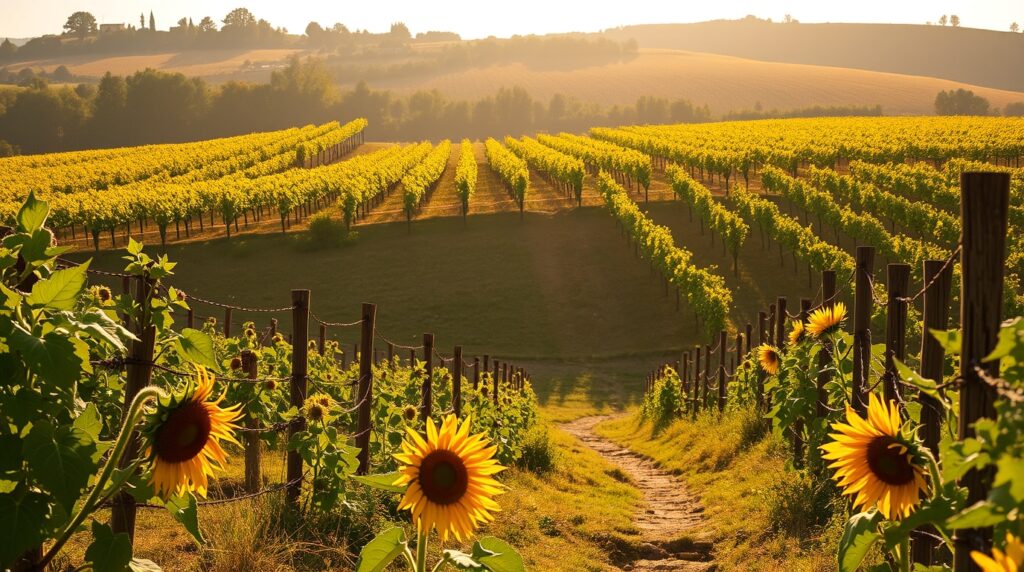
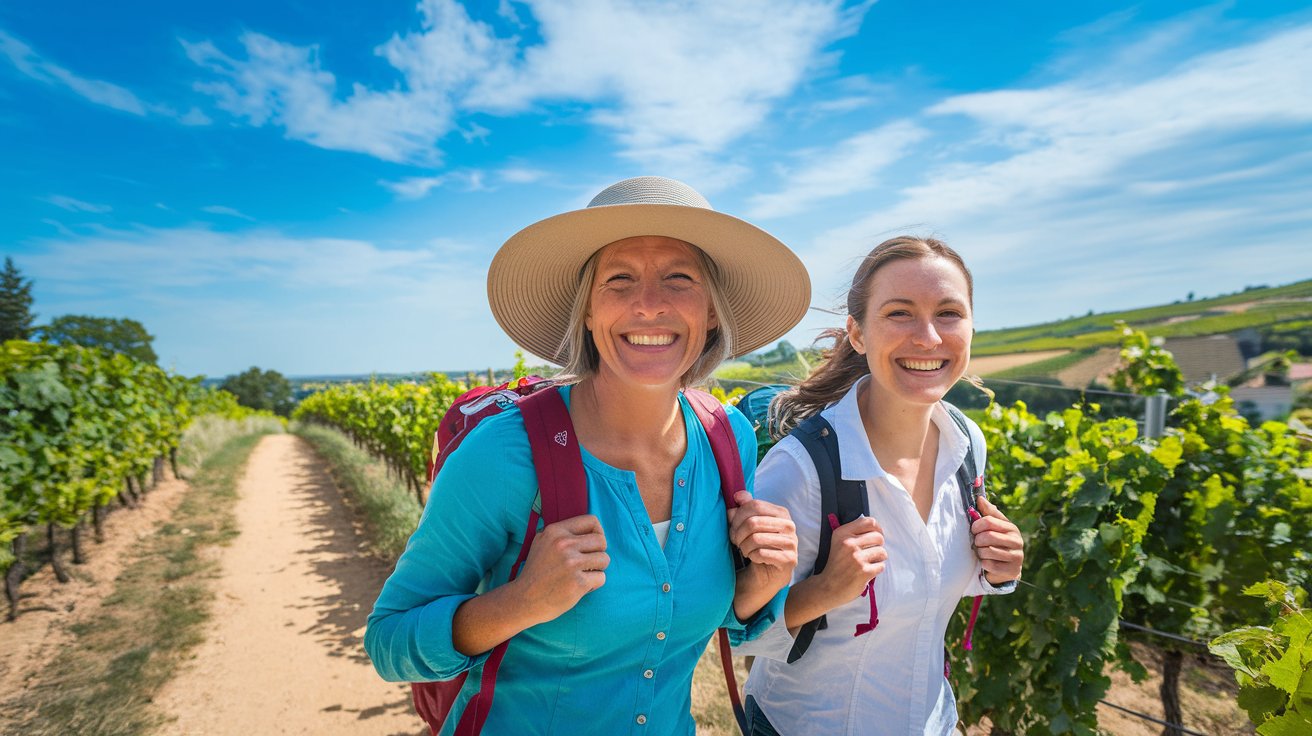
Ready to give your body the reboot it’s been begging for? Join us for a transformative stress-relief walking retreat along the ancient Camino de Santiago path in the stunning southwest of France. Away from the demands of daily life, surrounded by lush vineyards, rolling hills and ancient medieval villages, you’ll rediscover the rhythm of sustainable living. Our small-group retreats combine gentle daily walks, mindfulness practices, and storytelling workshops to help you reconnect with your natural energy cycles. Because sometimes the most ambitious thing you can do is learn to rest.

Learn more about my upcoming retreats here.

What Life Lessons Can You Learn While Walking the Camino de Santiago? a free guide filled with 10 not just “quaint anecdotes” or Instagram-worthy moments (though there are plenty of those) but real transformations from real people who walked this insight-giving trail – Subscribe to my monthly newsletter to Download the Guide
The Credibility Gap: Why Are Women Still Taken Less Seriously Than Men?

credibility gap

The Credibility Gap the invisible barriers that persist in our modern world

Quick Summary

  • The credibility gap is real: Women’s expertise is questioned more frequently than men’s, even in fields where they excel
  • Voice and tone matter: Women face a double bindโ€”too aggressive and they’re “difficult,” too soft and they’re “weak”
  • Interruption patterns reveal bias: Studies show women are interrupted 33% more than men in meetings
  • Historical momentum: Centuries of exclusion from power structures created systems still biased against women
  • The confidence myth: Society conflates male confidence with competence while scrutinising female confidence as arrogance
  • Solutions exist: Awareness, allyship, and structural changes can level the playing field

Introduction

Picture this: You’re in a boardroom. The quarterly numbers are grim, and everyone’s looking for solutions. Sarah, the VP of Sales with fifteen years of experience, presents a comprehensive turnaround strategy. Polite nods. A few questions. Then Marcus, fresh from his MBA program, restates essentially the same idea with slightly different phrasing. Suddenly, the room comes alive. “Brilliant insight, Marcus!” “Why didn’t we think of this before?”

Sound familiar? If you’re a woman reading this, you’ve probably lived some version of this scenario. If you’re a man, you might be thinking, “That can’t possibly be accurate.” But here’s the uncomfortable truth: it happens every single day, in conference rooms and classrooms, in hospitals and courtrooms, in ways both obvious and maddeningly subtle.

Despite decades of progress, women still fight for the same credibility that men seem to inherit simply by showing up. Why? The answer is more complexโ€”and more solvableโ€”than you might think.

Celia’s Story: When Expertise Meets Doubt

The fluorescent lights hummed overhead as Dr. Celia Budd adjusted her white coat for the third time that morning. Twenty-two years of emergency medicine had taught her to trust her instincts, but they’d also taught her something else: being right wasn’t always enough.

The ambulance bay doors burst open with their familiar metallic clang, followed by the squeak of gurney wheels against linoleum. “Forty-two-year-old male, chest pain, BP 160 over 95,” the paramedic called out, his voice cutting through the controlled chaos of Metro General’s ER.

Celia moved swiftly alongside the stretcher, her practised eyes taking in every detail. The patient’s skin had a greyish pallor that made her stomach tighten with recognition. His breathing was shallow, laboured. When she pressed her stethoscope to his chest, the irregular rhythm told her everything she needed to know.

“We need to get him to the cath lab now,” she announced, her voice carrying the authority of two decades spent making life-or-death decisions. “This isn’t indigestionโ€”he’s having a major cardiac event.”

But Dr. Peterson, the attending physician who’d joined the department just six months ago, stepped forward. At thirty-four, he was twelve years her junior and had that fresh-faced confidence that medical school seemed to breed in its male graduates. The scent of his expensive cologne mingled with the antiseptic smell that permeated every corner of the ER.

“Let’s not jump to conclusions,” he said, his tone carrying that particular blend of dismissal and patronisation that Celia knew all too well. “Could be anxiety, maybe some acid reflux. The patient’s vitals aren’t that concerning. Why don’t we run some blood work first, observe for a while?”

Celia felt her jaw clench. The familiar taste of frustration filled her mouthโ€”metallic, bitter, like pennies on her tongue. Around them, the ER continued its relentless pace: monitors beeping, families whispering anxiously, the soft whisper of scrubs brushing together as nurses hurried past.

“With respect,” Celia said, keeping her voice level despite the fire building in her chest, “I’ve seen thousands of MIs. This man needs immediate intervention. The EKG showsโ€””

“I can read an EKG, Dr. Budd,” Peterson interrupted, and there it wasโ€”that subtle emphasis on her title that somehow made it sound like a question rather than a statement. “Let’s be conservative here. We don’t want to alarm the patient unnecessarily.”

The patient’s wife, who’d been hovering nearby, looked between them with growing anxiety. Her perfumeโ€”something floral and desperateโ€”couldn’t mask the sharp smell of fear-induced sweat. “Is my husband going to be okay?” she asked, her voice trembling like a leaf in wind.

Celia found herself in the impossible position she’d navigated countless times before: push harder and risk being labelled “difficult” or “emotional,” or step back and watch a preventable tragedy unfold. The weight of her stethoscope around her neck felt heavier than usual, like a chain anchoring her to decades of similar moments.

She chose to push.

“Dr. Peterson,” she said, stepping closer so that only he could hear, “I understand you want to be thorough, but this man’s troponin levels will be through the roof when those labs come back, and by then we might be looking at significant muscle death. Please trust my experience here.”

Something flickered across Peterson’s faceโ€”surprise, perhaps, at her directness. For a moment, Celia thought she’d gotten through to him. The steady beep-beep-beep of the cardiac monitor seemed to hang in the air between them like a timer counting down.

Then he shook his head. “I appreciate your input, but I’m the attending on this case. We’ll monitor and assess.”

Forty-three minutes later, when the patient went into full cardiac arrest, Celia was leading the code blue team that fought to bring him back. The crash cart’s wheels squeaked against the floor as they rushed him to surgeryโ€”a surgery that might have been unnecessary if her initial recommendation had been followed.

The patient survived, barely. But as Celia sat in the break room afterward, her hands wrapped around a cup of coffee that had long since gone cold, she couldn’t shake the familiar weight of what had just happened. In the fluorescent-lit silence, she could still smell the lingering traces of crisisโ€”the metallic tang of blood, the sharp chemical bite of emergency medications, the ozone-like smell that always seemed to follow defibrillation.

She’d been practicing emergency medicine since Peterson was in high school. She’d published papers, taught residents, saved countless lives. But in that crucial moment, when everything had hung in the balance, her expertise had been questioned while his inexperience had been trusted.

Later that week, during the morbidity and mortality review, the case would be discussed with clinical detachment. The delay in treatment would be noted. Recommendations for improvement would be made. But no one would mention the elephant in the roomโ€”the unconscious bias that had led a junior male colleague to override a senior female colleague’s medical judgment.

As Celia finally stood to leave the break room, her reflection caught in the dark window. Two decades of fighting for credibility looked back at her, and she wondered: How many more Dr. Petersons would she encounter? How many more patients would pay the price for society’s reluctance to take women seriously?

The fluorescent lights hummed their indifferent song as she walked back onto the floor, white coat straight, stethoscope ready, carrying the weight of expertise that somehow always needed proving.

Five Key Credibility Gap Takeaways

1. The Competence-Confidence Loop is Broken

Women are caught in a cruel paradox: they need to prove their competence more thoroughly than men, but the very act of demonstrating confidence to do so is often viewed as arrogance. Men’s confidence is seen as evidence of capability; women’s confidence is scrutinised as potential overreach.

2. Interruption Isn’t Just Rudeโ€”It’s Systemic

Research consistently shows that women are interrupted more frequently than men, and their ideas are more likely to be credited to male colleagues who repeat them later. This isn’t about individual bad manners; it’s about deeply ingrained patterns that undermine women’s authority in real-time.

3. The Motherhood Penalty vs. The Fatherhood Bonus

Becoming a parent affects men and women’s professional credibility in opposite ways. Fathers are often seen as more responsible and committed, while mothers face assumptions about divided attention and reduced ambition. The same life event enhances men’s authority while diminishing women’s.

4. Historical Systems Create Present Barriers

We’re not starting from a level playing field. Centuries of exclusion from universities, professions, and leadership roles created systems designed by and for men. Even as legal barriers have fallen, the cultural and structural remnants persist in everything from office design to performance evaluation criteria.

5. Awareness is the First Step to Change

The most insidious aspect of this problem is its invisibility to those who don’t experience it directly. When we name these patterns and make them visible, we create the possibility for change. The goal isn’t to make women more like men, but to create systems that value different styles of leadership and communication.

The Credibility Gap Audit

Take 20 minutes to write about a time when your expertise, opinion, or authority was questioned or dismissed in a way that felt unfair. Don’t worry about making it perfectโ€”just let the story flow.

As you write, explore these questions:

  • What was the setting? Who else was present?
  • How did you feel in your body during this experience?
  • What assumptions might have been at play?
  • How did you respond, and how do you wish you had responded?
  • If gender wasn’t a factor, how might the situation have unfolded differently?

The Follow-Up Exercise: Now rewrite the same scenario, but imagine you’re watching it happen to someone else. What advice would you give them? What patterns do you notice when you’re not in the emotional centre of the experience?

For Allies and Advocates: Write about a time you witnessed someone’s expertise being unfairly questioned. What did you do? What could you have done? How might you respond differently in the future?

“The master’s tools will never dismantle the master’s house.” โ€” Audre Lorde

Lorde’s insight reminds us that simply asking women to be more confident or assertive within existing systems won’t solve the fundamental problem. We need to examine and change the systems themselves.

Further Reading

Books:

  • “Invisible Women: Data Bias in a World Designed for Men” by Caroline Criado Perez
  • “The Authority Gap” by Mary Ann Sieghart
  • “Nice Girls Don’t Get the Corner Office” by Lois P. Frankel
  • “The Confidence Code” by Kay and Shipman

Frequently Asked Questions

Q: Isn’t this problem mostly solved in younger generations? While younger people tend to have more egalitarian attitudes, unconscious bias persists across age groups. Studies show that even millennials and Gen Z exhibit similar patterns of credibility attribution, though often to a lesser degree.

Q: What about fields where women are well-represented, like healthcare or education? Even in female-dominated fields, leadership and the most prestigious positions often remain male-dominated. A female nurse might be questioned by a patient who asks to “speak to a doctor,” even when the nurse has more relevant expertise for their concern.

Q: Don’t some women contribute to this problem by not speaking up confidently enough? This question reflects a common misconception. Women often adjust their communication style because assertive behavior that’s rewarded in men is penalized in women. The solution isn’t to ask women to change, but to recognize and value different communication styles.

Q: How can men be better allies without overstepping? Listen, amplify women’s voices when you hear good ideas, interrupt interruptions, and examine your own assumptions. Sometimes the most powerful thing an ally can do is simply say, “I think Sarah made this point earlier” when an idea gets attributed to the wrong person.

Q: Won’t this all balance out naturally over time? Progress isn’t automaticโ€”it requires conscious effort. The legal right to participate doesn’t immediately translate to cultural acceptance of authority. We need active intervention to accelerate change and prevent backsliding.

Conclusion: The Story Continues

Dr. Celia Budd’s story isn’t uniqueโ€”it’s happening in hospitals, boardrooms, classrooms, and courtrooms around the world every single day. But here’s what gives me hope: we’re finally having this conversation.

The invisible is becoming visible. The unspeakable is being spoken. And with each story shared, each pattern recognised, each ally awakened, we move closer to a world where expertise is recognised regardless of who possesses it.

This isn’t about creating advantages for womenโ€”it’s about removing disadvantages that have persisted for far too long. It’s about building systems that harness all of our collective wisdom and talent, not just the voices that have traditionally been amplified.

The next time you’re in a meeting and hear a great idea, pay attention to who said it first. When you see someone’s expertise being questioned, ask yourself whether the same scrutiny would be applied regardless of gender. When you have the power to amplify someone’s voice, use it.

Because somewhere, a Dr. Celia Budd is fighting to save a life while simultaneously fighting for credibility. And somewhere else, the next generation is watching, learning what authority looks like and who gets to wield it.

Walking as Medicine: What 10 km a Day Does for the your Brain

walking as medicine
  • Discover how walking 10โ€“15 km daily transforms your brain and lowers stress.
  • Learn the science-backed benefits of steady outdoor walking.
  • Why the Camino de Santiago in southwest France is an ideal stress reset.
  • Hear stories from retreat participants who reclaimed calm and clarity.
  • Take home a journaling prompt and practical pro tips to start your own walking medicine practice.

Introduction

The morning air is cool, almost crisp, as the first light spills over the rolling vineyards of southwest France. The crunch of gravel underfoot is steady, rhythmicโ€”like a heartbeat syncing with nature itself. Somewhere in the distance, a church bell rings, calling pilgrims and locals alike into the new day.

Itโ€™s a far cry from the soundtrack of my former life: the buzz of fluorescent lights, the relentless ping of emails, and the quiet but constant hum of anxiety I carried with me into every clinic, every consultation, every late-night chart review.

I know stress intimatelyโ€”not just from two decades of treating patients whose bodies buckled under its weight, but from living inside it myself. Like so many professionals, I once wore my exhaustion like a badge of honour. Until my body said โ€œEnough.โ€ Until stress turned into illness, forcing me to confront the fact that my prescription pad wasnโ€™t enoughโ€”not for my patients, and certainly not for me.

That turning point led me back to something profoundly simple: walking. Not as โ€œexercise,โ€ not as a Fitbit step goal, but as medicine. The kind of medicine that doesnโ€™t come in a pill bottle but in kilometresโ€”steady, purposeful, soul-restoring kilometres.

And nowhere has that prescription worked more powerfullyโ€”for myself and for the hundreds of people Iโ€™ve guidedโ€”than along the Camino de Santiago in southwest France. Walking 10 kilometres a day here is more than a scenic trek. Itโ€™s a recalibration of the brain, a nervous system reset, and one of the most underrated remedies for modern stress Iโ€™ve ever seen in both clinical research and lived experience.

Why Walking is the Most Underrated Medicine

When most people think of stress management, they imagine yoga mats, meditation apps, or perhaps a long weekend spa break. Yet, some of the most powerful shifts donโ€™t require any of thatโ€”they require movement.

Walking is deceptively simple. It lowers cortisol, reduces inflammation, and balances the autonomic nervous system. Unlike high-intensity exercise, which can temporarily spike stress hormones, walking works gently with the body. It tells your nervous system, โ€œYou are safe. You can rest now.โ€

Clinical studies consistently show that regular walking lowers blood pressure, improves mood, and enhances resilience. But the benefits donโ€™t stop with the body. The repetitive rhythm of walkingโ€”left, right, left, rightโ€”becomes a moving meditation, calming an overstimulated brain.

This is why so many of my retreat guests, even after just a few days, tell me: โ€œI finally feel like I can breathe again.โ€

The Brain on 10 km of Daily Walking

Why specifically 10 kilometres? Because thatโ€™s the sweet spot where the science of movement and the psychology of rhythm converge.

  • BDNF Boost (Brain-Derived Neurotrophic Factor): Walking stimulates BDNF, a protein that promotes neural plasticity. Itโ€™s like fertiliser for the brain, helping you think clearer and adapt better.
  • Endorphins & Serotonin: The natural mood elevators released during prolonged walking act as gentle antidepressants.
  • Quieting the Default Mode Network: That restless background chatter in your brainโ€”the endless to-do lists, regrets, and what-ifsโ€”quiets down when you walk steadily outdoors. This is why solutions and fresh ideas often โ€œwalk themselves outโ€ on the trail.
  • Cognitive Flexibility: Walking increases divergent thinkingโ€”the capacity to generate new solutions. In plain English: you stop spinning your wheels and start seeing possibilities.

Short walks are good for health, but sustained daily distances of 10 km bring deeper shifts in brain chemistry and mental clarity. Itโ€™s long enough to feel transformative, but short enough to be accessible for most people with breaks and pacing.

Why Outdoors (and Why the Camino de Santiago)?

You could, of course, walk 10 km on a treadmill. But it wouldnโ€™t be the same.

Outdoors, your senses engage fully: the play of sunlight on leaves, the crunch of gravel, the scent of wildflowers. Research shows that green and blue spacesโ€”forests, rivers, fieldsโ€”restore attention and reduce stress far more effectively than urban environments. This is called Attention Restoration Theory, and it explains why you feel โ€œmentally lighterโ€ after a countryside walk.

The Camino de Santiago in southwest France adds another layer. It is a path walked by pilgrims for centuries, imbued with meaning and reflection. The gentle rolling landscapes, historic villages, and safe, well-marked routes make it the perfect terrain for sustained walking.

The Stress Relief 7-Day Camino Retreat

One afternoon on the Camino can feel refreshing. A week can feel transformative.

Why? Because seven days gives your nervous system the time it needs to recalibrate. Stress recovery isnโ€™t a switch you flip; itโ€™s a rhythm you relearn.

By the end of the week, participants consistently report better sleep, calmer minds, improved energy, and a renewed sense of clarity about their next steps in life.

This isnโ€™t theory. Iโ€™ve seen it happen time and again.

โ€œI arrived exhausted, anxious, and barely sleeping. After seven days of walking in France, I left feeling like my nervous system had been rebootedโ€”calm, clear, and finally able to breathe again.โ€ โ€” Sarah, UK

โ€œAs a senior manager, I live in my head 24/7. The Camino retreat gave me my body back. Walking 1O km a day outdoors didnโ€™t drain meโ€”it healed me.โ€ โ€” Michael, Canada

5 Key Walking as Medicine Takeaways

  1. Walking 10โ€“15 km/day is a powerful, science-backed reset for the stressed brain.
  2. Sustained walking boosts BDNF, improves mood, and quiets overthinking.
  3. Outdoor walking engages your senses and restores mental focus.
  4. The Camino in southwest France offers the perfect blend of beauty, safety, and spiritual significance for stress relief.
  5. A 7-day retreat provides enough time to fully reset and renew.

FAQs

Q1: Do I need to be very fit to walk 10 km a day?
A: Noโ€”most people build up quickly. Retreats are paced for beginners with breaks.

Q2: Is walking really better than running for stress?
A: Yesโ€”steady walking reduces stress hormones without spiking them, making it more sustainable for stress recovery.

Q3: Why not just walk at home?
A: You canโ€”but the immersive, distraction-free, nature-rich Camino environment accelerates results.

Q4: Will my stress return after the retreat?
A: Not if you integrate the practices. Many guests keep a daily walking habit and continue benefiting months later.

Q5: How is this different from a hiking holiday?
A: This is a physician-hosted, evidence-informed retreat designed specifically for stress recovery, with guided reflection and mindful pacingโ€”not just sightseeing or exercise.

Walking may be the most ancient, affordable, and effective medicine for stress. If your body and brain are begging for a reset, join me on a 7-day Stress Relief Camino retreat in southwest Franceโ€”where science meets soul, and walking becomes healing.


What Life Lessons Can You Learn While Walking the Camino de Santiago? a free guide filled with 10 not just “quaint anecdotes” or Instagram-worthy moments (though there are plenty of those) but real transformations from real people who walked this insight-giving trail – Subscribe to my monthly newsletter to Download the Guide

Author Bio: Dr Margaretha Montagu โ€“ described as a โ€œgame changerโ€, โ€œgifted healerโ€, โ€œguiding lightโ€ and โ€œlife-enriching authorโ€ โ€“ is an experienced medical doctor, a certified NLP practitioner, a medical hypnotherapist, an equine-assisted psychotherapist (EAGALAcertified) and a transformational retreat leader who guides her clients through life transitions โ€“ virtually, or with the assistance of her Friesian and Falabella horses, at their home in the southwest of France.

Research

Numerous scientific studies have investigated the concept of “walking as medicine,” demonstrating its significant benefits for physical and mental health:

  • All-cause mortality and chronic disease prevention: Multiple large studies and reviews show that regular walking reduces the risk of all-cause mortality, cardiovascular disease, type 2 diabetes, hypertension, and even certain cancers. For example, high walking volume or brisk pace is associated with a 20-32% lower risk of all-cause mortality. Taking 7,500-10,000 steps per day yields substantial risk reductions, but even less (about 4,400 steps for older adults) still offers notable benefits. Stepping intensity (brisk or purposeful walking) increases these effects, regardless of age, sex, or race.
  • Mental health and cognitive benefits: Consistent walking is linked with improved mood, reduced anxiety and depression, better sleep, and higher resilience. Studies also show walking can lower dementia risk by up to 50% and help preserve cognitive function.
  • Pain and function in musculoskeletal conditions: Several studies report that walking alleviates arthritis pain, supports joint health, and improves mobility more safely than higher-impact exercises.
  • Specific medical applications: For patients with peripheral artery disease (PAD), supervised treadmill walking (SET) is often as effective as surgical treatments for restoring walking ability and reducing discomfort, while also improving overall cardiovascular health.
  • Public health impact: Walking is cited as a uniquely accessible interventionโ€”no special skills or equipment are needed, and compliance rates are higher than more complex exercise regimens. Systematic reviews and meta-analyses confirm strong positive effects on fitness, body weight, blood pressure, cholesterol, and inflammation.
  • Longevity and daily function: Regular walking extends lifespan, aids in maintaining independence, and enhances quality of life, especially as people age.

Many experts and major health organisations recommend at least 30 minutes of brisk walking most days of the week to achieve these benefits. The research positions walking as a highly effective, low-risk health interventionโ€”often outperforming medications in population-wide benefitโ€”making it a pillar of both preventive and therapeutic medicine.

  1. Lee IM, Buchner DM. The importance of walking to public health. Med Sci Sports Exerc. 2008 Jul;40(7 Suppl):S512-8.ย 
  2. Ungvari Z, Fazekas-Pongor V, Csiszar A, Kunutsor SK. The multifaceted benefits of walking for healthy aging: from Blue Zones to molecular mechanisms. Geroscience. 2023 Dec;45(6):3211-3239
  3. Hansonย S,ย Jonesย A Is there evidence that walking groups have health benefits? A systematic review and meta-analysis British Journal of Sports Medicineย 2015;49:710-715.
  4. Garcia, L, Pearce, M, Abbas, A, Mok, A & Strain, T et al.ย Non-occupational physical activity and risk of cardiovascular disease, cancer, and mortality outcomes: a dose response meta-analysis of large prospective studies.ย British Journal of Sports Medicine; 28 Feb 2023

What Does It Mean to Be Yourself at Work?

be yourself

Summary

To be yourself at work isn’t about showing up in your pyjamas or sharing every personal detail with colleagues. It’s about finding the sweet spot between professional competence and authentic expressionโ€”bringing your genuine strengths, values, and personality into your work while respecting workplace boundaries. This delicate balance can transform not just your job satisfaction, but your entire relationship with success, creativity, and professional growth.

Introduction

Picture this: You’re sitting in yet another Monday morning meeting, nodding along to ideas that make your soul shrivel, wearing a metaphorical mask that’s become so familiar you’ve forgotten what your real face looks like underneath. Sound familiar?

The modern workplace has become a theatre where millions of us perform daily, playing characters we think we should be rather than embracing who we actually are. But what if the very thing we’re hidingโ€”our authentic selvesโ€”is exactly what could make us most successful, fulfilled, and genuinely valuable to our organisations?

The question “What does it mean to be yourself at work?” isn’t just about workplace philosophy. It’s about reclaiming a fundamental part of your humanity that gets lost somewhere between the job description and the performance review.

Ella’s Story: The Great Unmasking

The fluorescent lights hummed their familiar tune as Ella McGinthy straightened her charcoal blazer and checked her reflection in the elevator’s polished steel doors. At thirty-four, she had perfected the art of corporate camouflage. Her real laughโ€”the one that snorted slightly at the endโ€”had been replaced by a polite chuckle. Her natural tendency to gesture wildly when excited was now contained within a three-inch radius of her torso. Even her handwriting had become smaller, more controlled, as if taking up less space on the page might help her blend in better.

Ella worked at Morrison & Associates, a mid-sized consulting firm where beige seemed to be both the dominant colour scheme and the prevailing personality type. She’d been there for seven years, climbing steadily but never quite feeling like she belonged. The coffee always tasted slightly burnt, like disappointment in a paper cup, and the air carried that peculiar blend of printer toner and suppressed dreams that seems to permeate corporate buildings worldwide.

That Tuesday started like any other. Ella sat through the weekly strategy meeting, watching her colleague Brad present her idea about client retentionโ€”the same idea she’d whispered to him by the water cooler the previous week, the one he’d dismissed with a wave of his hand before somehow absorbing it into his own consciousness. The conference room smelled of whiteboard markers and someone’s aggressively floral perfume, making her slightly nauseous as she watched Brad receive nods of approval for her thinking.

The breaking point came during lunch. Ella sat alone in the break room, mechanically eating a sad desk salad while scrolling through LinkedIn posts about “bringing your whole self to work”โ€”corporate buzzwords that felt as authentic as artificial vanilla. The lettuce was wilted, much like her enthusiasm, when her phone buzzed with a text from her best friend Sarah: “Saw your company’s post about ‘innovative thinking.’ Ironic, since they’ve turned you into a corporate robot. When did you last paint? Or tell one of your ridiculous stories? I miss the real Ella.”

Something cracked open inside her chestโ€”not breaking, but blooming. Sarah was right. When had she last felt genuinely excited about anything at work? When had she last contributed an idea that felt authentically hers rather than a careful calculation of what others wanted to hear?

That afternoon, Ella found herself in another client presentation. The room was stuffy, filled with the familiar cocktail of nervous energy and expensive cologne. As she watched her colleagues deliver yet another vanilla proposal, something rebellious stirred in her belly. The clientโ€”a quirky startup founder with paint-stained fingers and mismatched socksโ€”looked as bored as Ella felt.

Without fully realising what she was doing, Ella spoke up. “You know what? Can I try a different approach here?” Her voice carried a warmth and energy that surprised even her. “I’ve been thinking about your brand challenge, and honestly, what you need isn’t another corporate strategy. You need storytelling that matches your soul.”

The room shifted. She could feel her colleagues’ eyes widening, could almost hear Brad’s internal monologue screaming about protocol violations. But the client leaned forward, suddenly animated. “Go on,” he said, and Ella caught the faint scent of his curiosity mixing with her own nervous excitement.

For the next twenty minutes, Ella forgot about corporate speak and blazer-appropriate posture. She talked with her hands, her voice rising and falling naturally, painting pictures with words the way she used to paint with watercolours in her apartment. She shared unconventional ideas that bubbled up from a place she’d kept locked away for years. She evenโ€”horror of horrorsโ€”made a joke that actually made people laugh, including that slightly snorting sound at the end.

The client’s eyes lit up like Christmas morning. “This,” he said, pointing directly at Ella, “this is exactly what we need. When can you start?”

The silence that followed was deafening. Ella could taste the metallic tang of her own adrenaline, could feel her heart hammering against her ribs like a caged bird suddenly remembering it had wings. Her colleagues stared as if she’d just performed magic, which, in a way, she hadโ€”the magic of showing up as herself.

Walking back to the office, Ella’s legs felt unsteady, not from fear but from the unfamiliar sensation of being fully present in her own body. The afternoon sun felt warmer on her face, the sounds of the city sharper and more alive. She realised she’d been holding her breath for seven years and had finally exhaled.

The project that followed was unlike anything Ella had ever worked on. She found herself waking up eager for Monday mornings, her mind buzzing with creative solutions that felt authentic rather than manufactured. She started wearing colours that actually complemented her skin tone instead of hiding behind corporate beige. She brought homemade cookies to shareโ€”the ones with slightly lopsided edges that revealed they were made by human hands, not machines.

Most surprisingly, her colleagues began gravitating toward her differently. Not because she was performing a role, but because she was genuinely contributing something unique. Even Brad, initially threatened by her transformation, eventually admitted that her authenticity was “refreshing in a way that actually gets results.”

The startup client became their biggest account within six months. Not because Ella had played corporate games, but because she’d dared to show up as herselfโ€”paint-stained soul and all.

Five Key Takeaways

1. Authenticity Isn’t About Oversharingโ€”It’s About Alignment

Being yourself at work doesn’t mean treating your office like your therapist’s couch or showing up in your weekend sweatpants. It means aligning your actions, decisions, and communication style with your genuine values and strengths while maintaining professional boundaries. Think of it as bringing your best self, not your unfiltered self.

2. Your “Weird” Might Be Your Superpower

The quirks and characteristics you’ve been trying to hide might actually be your greatest professional assets. Ella’s tendency to tell stories and think visually wasn’t a liabilityโ€”it was exactly what distinguished her in a sea of corporate sameness. Your unique perspective is often what organisations desperately need, even if they don’t realise it yet.

3. Emotional Labour Has a Cost

Constantly performing a version of yourself that isn’t authentic is exhausting. This emotional labour doesn’t just drain your energyโ€”it prevents you from accessing your creativity, intuition, and natural problem-solving abilities. The energy you spend on maintaining a false persona could be redirected toward actual productivity and innovation.

4. Boundaries Make Authenticity Sustainable

Being authentic at work requires clear boundaries about what parts of yourself you share and when. This isn’t about being fakeโ€”it’s about being intentionally genuine. You can be authentically professional without being personally vulnerable with everyone in your organisation.

5. Authenticity Is Contagious (In the Best Possible Way)

When you show up genuinely, you give others permission to do the same. This creates a ripple effect that can transform team dynamics, improve communication, and foster the kind of psychological safety that leads to better business outcomes. Organisations don’t just need your skillsโ€”they need your humani

Be Yourself Journaling Prompt

Write about a moment when you felt most authentically yourselfโ€”not at work, but anywhere. Describe this experience using all five senses: What did you see, hear, smell, taste, and feel? How did your body feel? What was your energy like? How were you communicating?

Now, imagine bringing just 20% of that authenticity into your work environment. What would that look like? What would you do differently? What would you stop doing? Write a scene where you show up to work carrying this energy. Don’t worry about whether it’s realisticโ€”just explore what feels true.

The 10% Experiment: Choose one small way to be yourself at work this week. Maybe it’s speaking up in one meeting, wearing a color you actually like, or sharing a genuine (and appropriate) story. Start small and notice what happens.

“To be yourself in a world that is constantly trying to make you something else is the greatest accomplishment.” – Ralph Waldo Emerson

Further Reading

  • “Daring Greatly” by Brenรฉ Brown – Explores vulnerability and authenticity in professional settings
  • “The Gifts of Imperfection” by Brenรฉ Brown – Practical guidance on wholehearted living
  • “Radical Candour” by Kim Scott – How to be authentic in leadership without being cruel
  • “The Power of Vulnerability” TED Talk by Brenรฉ Brown – Foundational viewing on authentic connection
  • “Psychological Safety and Learning Behaviour in Work Teams” by Amy Edmondson – Academic research on creating environments where authenticity thrives
  • “The Authenticity Paradox” by Herminia Ibarra (Harvard Business Review) – Nuanced exploration of authentic leadership development

Frequently Asked Questions

Q: Won’t being authentic at work make me seem unprofessional?

A: Authenticity isn’t the opposite of professionalismโ€”it’s professionalism with personality. You can maintain boundaries, meet expectations, and contribute meaningfully while still bringing your genuine strengths and communication style to your role. The key is finding the intersection between who you are and what your role requires.

Q: What if my authentic self doesn’t fit with my company culture?

A: This is valuable information. If there’s a fundamental mismatch between your values and your organisation’s culture, you have three options: find ways to create pockets of authenticity within the existing structure, work to influence positive cultural change, or consider whether this environment is truly where you can thrive long-term.

Q: How do I know the difference between being authentic and just having poor boundaries?

A: Authenticity with good boundaries means being genuinely yourself while being mindful of context, relationships, and professional appropriateness. Ask yourself: “Is this sharing/behaviour serving the work and the relationship, or am I just venting/seeking personal validation?” Authentic professionalism considers impact on others.

Q: What if I’ve been performing for so long that I don’t remember who I really am?

A: This is more common than you think. Start by paying attention to your energyโ€”when do you feel most alive and engaged? What activities or conversations energise rather than drain you? Consider working with a coach or counsellor to rediscover your authentic self outside of work contexts first.

Q: How do I handle a boss or colleague who seems to punish authenticity?

A: Some environments are genuinely toxic to authentic expression. In these cases, focus on finding small, safe ways to honour your values and strengths while protecting yourself professionally. Document everything, build allies where possible, and remember that not every environment deserves your full authentic selfโ€”sometimes strategic authenticity is the healthiest choice.

“Authenticity is the daily practice of letting go of who we think we’re supposed to be and embracing who we are.” – Brenรฉ Brown

Conclusion

Being yourself at work isn’t about staging a personality revolution or throwing professional norms out the window. It’s about recognising that your authentic selfโ€”your genuine strengths, perspectives, and humanityโ€”isn’t something to hide from your professional life. It’s exactly what your professional life has been missing.

Ella’s story reminds us that the very qualities we’ve been trained to suppress might be precisely what our organisations, teams, and careers need most. The challenge isn’t learning to be someone else betterโ€”it’s learning to be ourselves more skillfully, more intentionally, and more courageously.

Your authentic self isn’t a liability that needs managing. It’s an asset that needs honouring.

The world doesn’t need another corporate clone. It needs the irreplaceable combination of skills, perspectives, and humanity that only you can bring. The question isn’t whether you can afford to be authentic at workโ€”it’s whether you can afford not to be.


If this exploration of authenticity has stirred something in you, perhaps it’s time to step away from the corporate stage and reconnect with who you truly are. Join me on one of my stress relief Camino de Santiago walking retreats in the beautiful southwest of France, where ancient paths and stunning landscapes create the perfect space for rediscovering your authentic voice. Sometimes the journey back to yourself begins with a single stepโ€”literally.

Learn more about upcoming retreats and take that first step toward your 100% authentic life.

What Life Lessons Can You Learn While Walking the Camino de Santiago? a free guide filled with 10 not just “quaint anecdotes” or Instagram-worthy moments (though there are plenty of those) but real transformations from real people who walked this insight-giving trail – Subscribe to my monthly newsletter to Download the Guide

“I am an experienced medical doctor – MBChB, MRCGP, NLP master pract cert, Transformational Life Coach (dip.) Life Story Coach (cert.) Stress Counselling (cert.) Med Hypnotherapy (dip.) and EAGALA (cert.) I may have an impressive number of letters after my name, and more than three decades of professional experience, but what qualifies me to excel at what I do is my intuitive understanding of my clients’ difficulties and my extensive personal experience of managing major life changes using strategies I developed over many years.” Dr M Montagu

In the New ArtificiaI Intelligence Era, Dare We Reveal Our Vulnerability?

artificial intelligence

The future belongs to those who can integrate human vulnerability with technological power

Our imperfections are features, not bugs, in an increasingly automated world

The Question That Defines Our Future

In a world where artificial intelligence can write poetry, diagnose diseases, and predict market trends with superhuman precision, what exactly makes us human?

As AI systems become more sophisticated, producing flawless outputs and optimal solutions, we’re faced with an uncomfortable question: Should we double down on trying to compete with machines at their own game of perfection, or should we lean into the very thing that makes us beautifully, messily, courageously human?

What if our vulnerabilityโ€”the thing we’ve been taught to hideโ€”is actually our secret weapon in the age of artificial intelligence?

The Story of Cynthia Garner

The notification chimed softly on Cynthia Garner’s phone as she sat in her Tesla, the car’s AI navigation system calmly recalculating her route around unexpected traffic. Another email about the new AI integration their venture capital firm was consideringโ€”a system that could analyse startup potential with 94% accuracy, far better than human intuition.

At forty-three, Cynthia had built her reputation as the “Iron Lady” of tech investments, but lately, she felt more like an obsolete algorithm herself. The conference room she was heading to would soon be equipped with AI assistants that could transcribe meetings, analyse sentiment, and even predict which investments would succeed based on voice patterns and facial micro-expressions.

The rain hammered against her windshield as she pulled into the parking garage, the rhythmic drumming almost drowning out the hum of her electric engine. She could smell the ozone in the air, that sharp scent that comes before a stormโ€”fitting, she thought, given what she was about to do.

For three months, Cynthia had been battling something no AI could solve: panic attacks that struck without warning. They’d started when their firm had begun beta-testing an AI system that could perform due diligence faster than her entire team. The machine didn’t need coffee breaks, didn’t have emotional reactions to founders’ stories, and didn’t waste time on “gut feelings” about market potential.

But today, walking into that gleaming conference room with its wall-mounted screens displaying real-time market analytics, Cynthia felt something shift. The air tasted metallic with technology and tension, but underneath it was something elseโ€”the faint scent of fear. Human fear.

She looked around the table at her twelve colleagues, their faces illuminated by the blue glow of their devices. Everyone was trying so hard to be optimised, efficient, as predictable and reliable as the machines they were increasingly working alongside.

“Before we discuss the AI integration proposal,” Cynthia began, her voice carrying a slight tremor she didn’t try to hide, “I need to share something that our algorithms can’t measure.”

The silence stretched, broken only by the soft whir of the room’s climate control system. She could see people’s hands hovering over their phones, unsure whether to keep typing or look up.

“I’ve been having panic attacks,” she said, the words landing like pebbles in still water. “Not because I’m weak or unfit for this job, but because I’ve been trying to compete with machines at being machine-like. And humans aren’t machines.”

She stood, walking to the floor-to-ceiling window that looked out over the city skyline, where delivery drones traced precise paths between buildings. Real and artificial intelligence working in harmonyโ€”but only when each knew its role.

“Three weeks ago, I was reviewing the Henderson startup pitch, and our AI system flagged it as a 73% probability for failure based on market data and founder profiles. Perfect analysis. Clean metrics.” Her reflection in the glass looked tired but real. “But something in the founder’s voice when she talked about her daughter’s struggle with diabetesโ€”something the AI couldn’t quantifyโ€”told me she would never give up.”

The room was shifting now, the electric hum of attention replacing the mechanical buzz of distraction. Sarah Chen, their youngest partner, slowly closed her laptop.

“I invested,” Celia continued. “Not because the data supported it, but because thirty years of human experience told me that desperation mixed with love creates an unstoppable force. No algorithm could have measured that mother’s determination.”

She turned back to face the room. “Henderson just announced their Series B funding. They’re revolutionising diabetes care for children worldwide. The AI was wrong because it couldn’t account for the human heart.”

David Morrison, usually buried in his tablet, looked up with something like relief in his eyes. “You know, Celia, I’ve been feeling like I’m becoming obsolete. Like everything I bring to the table, can be done better by a machine. I’ve been hiding that fear, trying to act more… computational.”

One by one, the stories emerged. Marcus admitted he’d been suppressing his intuition about deals, trusting only data that matched AI recommendations. Sarah confessed she’d stopped asking the “soft” questions about company culture, focusing only on metrics the machines could verify.

The conversation that followed was unlike any they’d had in the AI era. Messy. Unpredictable. Beautifully, inefficiently human. They talked about intuition, about the feeling in your gut when a founder is lying, about the energy in a room that no sensor could detect. They discussed how their emotional intelligenceโ€”including their ability to be vulnerable with entrepreneursโ€”had often been the deciding factor in successful partnerships.

By the end of that meeting, they hadn’t just decided to integrate AI into their workflowโ€”they’d decided to integrate their humanity back into their decision-making process. The machines would handle data analysis; the humans would handle the immeasurable elements of human ambition, creativity, and resilience.

Six months later, their fund was outperforming the market by 31%. Not because they’d eliminated human judgment in favour of AI, but because they’d learned to dance with both artificial and emotional intelligence. Their portfolio companies reported feeling more supported, more understood, and more willing to share both successes and struggles.

Cynthia had never felt more irreplaceably human.

Five Key Takeaways: Why Vulnerability Is Your Competitive Advantage in the Artificial Intelligence Age

1. Humans Excel Where Machines Cannot: The Unmeasurable

While AI can process vast amounts of data and identify patterns, it cannot account for the human elements that often determine success or failureโ€”desperation, love, stubborn hope, or the kind of crazy determination that defies logic. Our vulnerability allows us to connect with these immeasurable forces.

2. Authenticity Creates Trust That Algorithms Cannot

People will do business with AI for efficiency, but they’ll trust humans for understanding. When you show up authenticallyโ€”including your uncertainties and strugglesโ€”you create bonds that no chatbot can replicate. In an increasingly artificial world, genuine humanity becomes precious.

3. Emotional Intelligence Becomes More Valuable, Not Less

As AI handles more analytical tasks, emotional intelligenceโ€”including the ability to be appropriately vulnerableโ€”becomes our unique value proposition. The leaders who thrive will be those who can read between the lines, understand unspoken needs, and create psychological safety.

4. Imperfection Is Innovation’s Secret Ingredient

AI optimises for known parameters, but breakthrough innovations often come from human “flaws”โ€”curiosity about impossible things, stubborn refusal to accept limitations, or the emotional drive to solve problems that don’t make logical sense. Our vulnerabilities often point toward our greatest breakthroughs.

5. The Future Requires Human-AI Collaboration, Not Competition

The most successful individuals and organisations won’t be those who try to out-compute the computers, but those who understand how to blend artificial intelligence with authentic human intelligenceโ€”including emotional honesty, creative vulnerability, and the courage to make decisions based on immeasurable human factors.

Staying Human in an AI World

Journaling Prompt: The Human Advantage

Time needed: 30 minutes

Reflect on these questions in your journal:

  • When has your “irrational” human intuition led you to success that pure data would have missed?
  • What human qualities do you bring to your work that no AI could replicate?
  • Think of a decision you made based on “soft” factorsโ€”emotion, instinct, or personal connection. What was the outcome?
  • What aspects of your humanity have you been suppressing in favour of appearing more “algorithmic”?
  • If you trusted your human judgment more fully tomorrow, what decisions might you make differently?

“In a world of artificial intelligence, emotional intelligence becomes invaluable.” โ€” Amy Cuddy

Walking an Ancient Path in a Digital Age

There’s profound irony in the fact that as our world becomes more digital, more automated, more artificially intelligent, the ancient practice of walkingโ€”slow, contemplative, decidedly analogโ€”becomes more essential than ever.

My Nature Immersion Stress Relief Retreat, featuring sections of the thousand-year-old Camino de Santiago in southwest France, offers something no AI can provide: the space to reconnect with your irreplaceable humanity. As we walk these paths that predate not just artificial intelligence but most of human technology, we’ll explore what it means to be courageously human in an age of machines.

In a world increasingly run by artificial intelligence, perhaps the most radical act is to walk slowly, think deeply, and feel fully. To remember that our vulnerabilities aren’t bugs in the human systemโ€”they’re features that make us irreplaceable.

If you’re ready to explore what it means to be authentically human in the age of AI, to embrace your competitive advantage of vulnerability and emotional intelligence, join us. Because some truths can only be discovered at three miles per hour, and some conversations about our humanity can only happen under the vast, uncomputerized sky.

Further Reading

Books:

  • Human Compatible by Stuart Russell
  • The Age of AI by Henry Kissinger, Eric Schmidt, and Daniel Huttenlocher
  • Daring Greatly by Brenรฉ Brown
  • The Future of Work by Jacob Morgan
  • Emotional Intelligence 2.0 by Travis Bradberry
  • The Inevitable by Kevin Kelly
  • Race Against the Machine by Erik Brynjolfsson

FAQ: Navigating Vulnerability in the Artificial Intelligence Era

Q: Won’t showing vulnerability make me seem obsolete compared to AI efficiency?

A: The opposite is true. AI’s biggest limitation is its inability to understand context, emotion, and the complex human factors that drive real-world decisions. Your vulnerability and emotional intelligence are exactly what make you irreplaceable. While AI can optimise known variables, humans excel at navigating the unknown, the emotional, and the intuitive.

Q: Should I compete with AI or collaborate with it?

A: Collaborate, absolutely. The most successful professionals will be those who understand how to leverage AI’s analytical power while contributing uniquely human elementsโ€”creativity, empathy, moral reasoning, and the ability to connect authentically with other humans. Your vulnerabilities often lead to insights that pure data analysis would miss.

Q: What if AI becomes so advanced that human emotion becomes irrelevant?

A: Human emotion won’t become irrelevant because humans aren’t becoming irrelevant. We still make the final decisions, we still create the problems that need solving, and we still crave authentic connection. As AI handles more routine tasks, human skills like emotional intelligence, creative problem-solving, and the ability to inspire trust become more valuable, not less.

Q: How do I know when to trust human intuition over AI recommendations?

A: Start by understanding what each does best. Use AI for pattern recognition, data analysis, and optimisation of known variables. Trust human intuition for reading between the lines, understanding unspoken motivations, navigating complex emotional landscapes, and making decisions that involve immeasurable factors like determination, creativity, or moral considerations.

Q: Will being vulnerable slow me down in a fast-paced, AI-driven world?

A: Strategic vulnerability actually speeds things up by building trust faster, improving team communication, and reducing the time spent on misunderstandings. While AI can process information quickly, human trust and collaborationโ€”built through authentic vulnerabilityโ€”often determine how quickly teams can actually implement solutions and innovate effectively.

Conclusion: The Courage to Stay Human

In an age where artificial intelligence can write symphonies, diagnose diseases, and predict human behaviour with startling accuracy, the question isn’t whether we should reveal our vulnerabilityโ€”it’s whether we can afford not to.

Cynthia Garner’s transformation wasn’t about rejecting AI or clinging to an outdated model of human supremacy. It was about understanding that in a world increasingly dominated by artificial intelligence, authentic human intelligenceโ€”including our capacity for vulnerability, emotional connection, and intuitive decision-makingโ€”becomes not less valuable, but exponentially more so.

The machines can optimise, but they cannot empathise. They can analyse, but they cannot truly understand the human heart. They can predict patterns, but they cannot account for the beautiful unpredictability of human courage, love, and stubborn hope.

Your struggles with uncertainty, your moments of doubt, your willingness to make decisions based on incomplete information and emotional intelligenceโ€”these aren’t weaknesses to be programmed out. They’re the very qualities that make you irreplaceably human in an age of artificial minds.

The future doesn’t belong to those who can best imitate machines, but to those who can most fully embrace their humanity while dancing gracefully with artificial intelligence. It belongs to those brave enough to show up authentically in a world of algorithms, to trust their hearts as well as their data, to remember that the most important decisionsโ€”about love, purpose, meaning, and human flourishingโ€”require not just computational power, but the courage to be vulnerably, beautifully, irreplaceably human.

So yes, dare to reveal your vulnerability in the new AI era. Because in a world full of artificial intelligence, there has never been a greater need for authentic humanity. And sometimes, that authenticityโ€”messy, imperfect, and gloriously humanโ€”is exactly what the world needs to move forward.

What Life Lessons Can You Learn While Walking the Camino de Santiago? a free guide filled with 10 not just “quaint anecdotes” or Instagram-worthy moments (though there are plenty of those) but real transformations from real people who walked this insight-giving trail – Subscribe to my monthly newsletter to Download the Guide

Author Bio: Dr Margaretha Montagu โ€“ described as a โ€œgame changerโ€, โ€œgifted healerโ€, โ€œguiding lightโ€ and โ€œlife-enriching authorโ€ โ€“ is an experienced medical doctor, a certified NLP practitioner, a medical hypnotherapist, an equine-assisted psychotherapist (EAGALAcertified) and a transformational retreat leader who guides her clients through life transitions โ€“ virtually, or with the assistance of her Friesian and Falabella horses, at their home in the southwest of France.

Can We Be Vulnerable and Invincible At The Same Time?

vulnerability

Key Points:

  • Vulnerability creates deeper connections and trust
  • Society’s binary thinking about strength vs. softness limits our potential
  • Embracing both creates a magnetic presence that others are drawn to
  • This integration requires practice, self-awareness, and intentional courage

Opening Pandora’s box

Lately, I have been wondering about this. Is it possible to reveal our vulnerability without losing our influence?

If it is, does that mean that everything we’ve been told about power is wrong?

We live in a world that whispers a persistent lie: that to be powerful, you must be invincible. That vulnerability is a crack in your armour, a weakness your enemies will exploit. That showing your tender underbelly is career suicide, relationship cancer, the fast track to being overlooked and undervalued.

But what if the opposite were true? What if your greatest strength lies not in your ability to build walls, but in your courage to tear them down?

The Story of Celia Budd: When Walls Came Tumbling Down

The rain hammered against the floor-to-ceiling windows of the boardroom as Celia Budd sat at the head of the polished mahogany table, her reflection ghostlike in its glossy surface. The air tasted metallic with tension, thick enough to chew. Around her, twelve faces staredโ€”some hopeful, others sceptical, all waiting.

At forty-three, Celia had built her reputation as the “Iron Lady” of tech startups. Her portfolio company exits had made her investors wealthy beyond their dreams. She wore her nickname like armour, her designer suits like battle gear. But today, something felt different. Today, the weight of that armour was crushing her.

“Before we discuss the quarterly projections,” she began, her voice steady as always, “I need to share something with you.”

The silence stretched like a held breath. The faint hum of the air conditioning seemed deafening. She could smell her own fearโ€”sharp, acrid, mixing with the lingering coffee and leather scent of the room.

For three months, Celia had been battling panic attacks that struck without warning. They’d started smallโ€”a flutter in her chest during presentations, sweaty palms before investor calls. But they’d grown into monsters that left her gasping in bathroom stalls, gripping marble countertops until her knuckles turned white.

Two weeks ago, she’d collapsed in this very room during a merger discussion. The official story was exhaustion. The truth was that her body had finally rebelled against years of suppressing every emotion, every doubt, every moment of human frailty.

“I’ve been struggling,” she said, the words feeling foreign on her tongue. “With anxiety. With the pressure I’ve put on myself to be… perfect. Unbreakable.”

She watched faces around the table shiftโ€”eyebrows lifting slightly, bodies leaning forward. The taste of vulnerability was bitter and sweet simultaneously, like dark chocolate dissolving on her tongue.

“Last month, I had a panic attack during the Henderson presentation. I locked myself in my office afterwards and cried for an hour.” Her voice cracked slightly, and she didn’t try to steady it. “I realised I’ve been so afraid of appearing weak that I’ve become… brittle. And brittle things break.”

The youngest board member, Sarah Chen, leaned forward. “Celia, Iโ€””

“Let me finish,” Celia said, raising a hand. But her gesture wasn’t commandingโ€”it was requesting. “I’m sharing this because I believe we’ve created a culture where admitting struggle is seen as failure. Where being human is somehow unprofessional. And I think it’s killing our creativity, our connection, our ability to truly lead.”

She stood, walking to the window. The rain had softened to a gentle patter, and she could see people on the street below, hurrying under umbrellas, helping strangers navigate puddles.

“I’m not stepping down,” she continued, turning back to face the room. “I’m stepping up. Into a version of leadership that includes the full spectrum of human experience. That sees strength not as the absence of struggle, but as the courage to be authentic in the face of it.”

The room was electric now, charged with something new. She could feel the shiftโ€”not weakness detected and circling like sharks, but connection forming like a bridge.

David Morrison, her longtime CFO and harshest critic, cleared his throat. “You know, Celia, I’ve been having my own challenges. My daughter’s been in therapy for eating disorders, and I’ve been falling apart watching her struggle. I’ve been pretending everything’s fine, working eighteen-hour days to avoid going home and facing it.”

One by one, stories began emerging. Sarah spoke about her impostor syndrome. Marcus shared his struggles with his mother’s dementia. The conversation that followed wasn’t weaker than their usual strategic discussionsโ€”it was more powerful. More real. More human.

By the end of that meeting, they’d not only covered the quarterly projections but had developed three new initiatives: a mental health support program for their portfolio companies, a leadership development track that included emotional intelligence training, and a company-wide policy encouraging work-life integration rather than separation.

Six months later, their fund’s portfolio companies were outperforming the market by 23%. Employee satisfaction scores had reached all-time highs. And Celia had never felt more powerful in her life.

Not because she’d eliminated her vulnerability, but because she’d integrated it into her strength.

Five Key Takeaways: The Architecture of Authentic Power

1. Vulnerability Is a Skill, Not a Character Flaw

Vulnerability isn’t about oversharing or emotional dumping. It’s about the conscious choice to show up authentically, even when the outcome isn’t guaranteed. Like any skill, it can be developed, refined, and applied strategically.

2. Power Without Vulnerability Is Hollow

Traditional powerโ€”the kind built on control, perfection, and emotional distanceโ€”creates compliance, not commitment. It generates fear, not loyalty. True influence comes from connection, and connection requires the courage to be seen.

3. The Integration Creates Magnetic Presence

When you combine strength with softness, competence with humanity, you create something rare in our world: authentic presence. People are drawn to those who can hold both power and vulnerability because it gives them permission to do the same.

4. Vulnerability Accelerates Trust and Innovation

Teams led by vulnerable leaders show higher levels of psychological safety, take more creative risks, and recover from failures faster. When people feel safe to be human, they bring their whole selves to their work.

5. Society’s Binary Viewpoint Is the Real Enemy

We’ve been conditioned to see strength and vulnerability as opposites, but they’re actually complementary forces. The real courage lies in refusing to choose sides and instead embodying both.

“Courage starts with showing up and letting ourselves be seen.” โ€” Brenรฉ Brown

Exercises for Integrating Vulnerability and Power

Journaling Prompt: The Armour Inventory

Time needed: 30 minutes

Sit quietly with your journal and reflect on these questions:

  • What “armour” do you wear to appear strong or invulnerable?
  • When did you first learn that showing certain emotions or struggles was unsafe?
  • Think of a leader you deeply respectโ€”what made them powerful? Did their vulnerability play a role?
  • Write about a time when someone’s openness about their struggles actually made you respect them more, not less.
  • If you could show up 10% more authentically tomorrow, what would that look like?

The Two-Column Exercise

Create two columns: “What I Hide” and “What I Could Reveal.” Fill the first with fears, struggles, and uncertainties you typically keep private. In the second column, consider which of these, if shared appropriately, might actually strengthen your relationships and leadership.

“Vulnerability is not weakness; it’s our greatest measure of courage.” โ€” Brenรฉ Brown

Nature Immersion

Sometimes, the most profound insights come when we step away from our carefully constructed worlds. There’s something about walking ancient paths that strips away pretence and reveals truth.

My Nature Immersion Retreat, including sections of the legendary Camino de Santiago in southwest France, offers a unique opportunity to explore this vulnerability-power integration in one of the world’s most transformative settings. As you walk these paths that have challenged and changed pilgrims for over a thousand years, you’ll practice showing up authenticallyโ€”with your strengths and your struggles, your certainties and your questions.

The Camino doesn’t care about your job title or your LinkedIn profile. It cares only about your willingness to take the next step, to be present to whatever arises, to find strength in surrender and power in presence.

If you’re ready to explore what it means to be both vulnerable and powerful, to integrate these seemingly opposite forces into a more authentic way of being, I invite you to join us. Because some conversations can only happen under open skies, and some truths can only be discovered when we’re walking toward something greater than ourselves.

Further Reading

  • Daring Greatly by Brenรฉ Brown
  • The Power of Vulnerability by Brenรฉ Brown
  • Presence by Amy Cuddy
  • The Gifts of Imperfection by Brenรฉ Brown
  • Rising Strong by Brenรฉ Brown
  • Radical Candor by Kim Scott
  • The Authentic Self by James Masterson

FAQ: Your Questions

Q: Won’t showing vulnerability make others lose respect for me?

A: Research consistently shows the opposite. When leaders show appropriate vulnerabilityโ€”sharing struggles, admitting mistakes, asking for helpโ€”it increases rather than decreases respect. People connect with authenticity, not perfection. The key is strategic vulnerability: sharing what serves the relationship and the work, not emotional dumping.

Q: What’s the difference between vulnerability and oversharing?

A: Vulnerability is boundaried authenticity with a purposeโ€”sharing real struggles or emotions to build connection, show humanity, or create psychological safety. Oversharing is dumping emotions without considering the other person’s capacity or the appropriateness of the context. Vulnerability serves others; oversharing serves only the sharer.

Q: How do I know if I’m being vulnerable or just weak?

A: Weakness is passiveโ€”it’s being overwhelmed by circumstances or emotions. Vulnerability is activeโ€”it’s the conscious choice to show up authentically despite uncertainty or risk. Vulnerable people take responsibility, seek support, and use their struggles as bridges to others. Weakness stays stuck; vulnerability moves forward.

Q: Can vulnerability work in highly competitive environments?

A: Absolutely. In fact, it can be a significant competitive advantage. Vulnerable leaders build stronger teams, foster innovation, and create cultures where people bring their best selves to work. Companies with psychologically safe cultures outperform their competitors consistently. The question isn’t whether you can afford to be vulnerableโ€”it’s whether you can afford not to be.

Q: What if my vulnerability is used against me?

A: This is a real risk, which is why strategic vulnerability is important. Start small, with trustworthy people, in appropriate contexts. If someone does use your authenticity against you, it tells you more about them than about the wisdom of being vulnerable. Most people respond to genuine vulnerability with respect and connection, not exploitation.

Conclusion: The Courage to Be Both

In a world that insists we choose between being strong or soft, tough or tender, powerful or vulnerable, perhaps the most radical act is to refuse the choice entirely.

Celia Budd’s story isn’t unique because she was vulnerableโ€”it’s unique because she chose to integrate her vulnerability with her strength, creating something more powerful than either could be alone. She discovered that true power isn’t about building walls high enough to keep out uncertainty and struggle; it’s about developing the skills to navigate life’s complexities with both competence and humanity.

The leaders, partners, parents, and friends we remember most aren’t those who never fell downโ€”they’re those who fell down beautifully, who got back up with grace, and who helped others do the same. They understood that the opposite of vulnerability isn’t strengthโ€”it’s disconnection.

Your struggles don’t disqualify you from power; they humanise it. Your uncertainties don’t make you weak; they make you relatable. Your willingness to be seen in your imperfection doesn’t diminish your authority; it makes others want to follow you not because they have to, but because they trust you.

So the question isn’t whether you can be vulnerable and powerful at the same time. The question is: Are you brave enough to be both?

Because in a world full of people pretending to have it all figured out, there’s extraordinary power in being courageously, authentically, vulnerably human.

And sometimes, that power can change everything.

What Life Lessons Can You Learn While Walking the Camino de Santiago? a free guide filled with 10 not just “quaint anecdotes” or Instagram-worthy moments (though there are plenty of those) but real transformations from real people who walked this insight-giving trail – Subscribe to my monthly newsletter to Download the Guide

“I am an experienced medical doctor – MBChB, MRCGP, NLP master pract cert, Transformational Life Coach (dip.) Life Story Coach (cert.) Stress Counselling (cert.) Med Hypnotherapy (dip.) and EAGALA (cert.) I may have an impressive number of letters after my name, and more than three decades of professional experience, but what qualifies me to excel at what I do is my intuitive understanding of my clients’ difficulties and my extensive personal experience of managing major life changes using strategies I developed over many years.” Dr M Montagu

Can You Be Kind and Set Firm Boundaries at the Same Time?

boundaries

Quick Summary: The Heart of the Matter

  • Kindness without boundaries isn’t kindnessโ€”it’s enabling. True compassion requires the courage to say no when necessary.
  • Firm boundaries aren’t wallsโ€”they’re bridges. They create space for authentic relationships to flourish.
  • Self-compassion is the foundation. You can’t pour from an empty cup, and boundaries help keep yours filled.
  • The “guilt trap” is real. Society often confuses boundary-setting with selfishness, but healthy limits benefit everyone.
  • Practice makes it possible. Like any skill, boundary-setting improves with conscious, consistent effort.
  • Your energy is a sacred currency. Spend it wisely on relationships and commitments that truly matter.

Introduction: The Paradox That’s Actually a Partnership

What if I told you that the most loving thing you could do for someone is to disappoint them?

Sounds counterintuitive, doesn’t it? We’ve been conditioned to believe that kindness means saying yes, accommodating, smoothing over rough edges, and putting everyone else’s needs before our own. But what if this approachโ€”this people-pleasing masquerading as compassionโ€”is actually doing more harm than good?

The truth is, kindness and boundaries aren’t opposing forces locked in eternal conflict. They’re dance partners, moving together in a rhythm that creates space for genuine connection, respect, and growth. Yet somehow, we’ve convinced ourselves that setting limits makes us selfish, that saying no makes us cruel, that protecting our energy makes us heartless.

This couldn’t be further from the truth.

Celia’s Story: The Teacher Who Learned to Say No

The morning light filtered through the staff room window at St. Mary’s Primary, casting long shadows across the cluttered desks where teachers huddled over their morning coffee. Celia Budd sat apart from the others, her shoulders curved inward like a question mark, staring at her phone screen. Another text from Sarah, the teaching assistant: “Could you possibly cover my playground duty? I know it’s your planning time, but I’ve got a dentist appointment.”

Celia’s thumb hovered over the keyboard. The familiar knot in her stomach tightenedโ€”that same sensation she’d felt yesterday when the headmaster asked her to take on the after-school reading club (her third extra-curricular commitment this term), and last week when her neighbour requested help moving house (on her only free Saturday in a month).

The coffee tasted bitter on her tongue, metallic with anxiety. Around her, the familiar sounds of school life hummed: photocopier whirring, children’s voices echoing from the playground, the sharp tap-tap of heels on linoleum. But inside Celia’s head, a different kind of noise churnedโ€”a constant loop of obligations, expectations, and the crushing weight of being indispensable to everyone but herself.

She typed back: “Of course! No problem at all ๐Ÿ˜Š”

By lunchtime, Celia’s day had unravelled completely. The extra playground duty meant no time to prepare for her afternoon literacy lesson. She found herself frantically photocopying worksheets while wolfing down a stale sandwich, the bread sticking to the roof of her mouth like sawdust. Her hands shook slightly as she tried to organise the papersโ€”a tremor that had become increasingly common over the past few months.

The afternoon lesson was a disaster. Without proper preparation, she stumbled through explanations while twenty-eight seven-year-olds stared at her with the patient confusion of people watching someone speak a foreign language. Little Tommy raised his hand: “Miss Budd, I don’t understand what we’re supposed to do.”

Neither do I, Celia thought, feeling heat rise up her neck like a slow burn.

That evening, she sat in her car outside the school gates, engine off, windows down. The autumn air carried the scent of woodsmoke and dying leavesโ€”a smell that used to comfort her but now felt like another thing demanding her attention. She needed to get home to mark books, plan tomorrow’s lessons, and prepare materials for the weekend workshop she’d volunteered to run (because who else would do it?).

Her phone buzzed. Her sister Emma: “Hi sis! Could you look after Jake this Saturday? I know you’re busy but something’s come up…”

Celia’s chest felt tight, as if someone were slowly turning a screw. She could taste the metallic tang of stress in her mouth, could feel her pulse quickening. In the distance, she could hear children playing in the parkโ€”their laughter sharp and bright against the darkening sky.

For the first time in months, she didn’t reply immediately.

Instead, she called her friend Marcus, a fellow teacher who’d left education the previous year to become a counsellor. When he answered, his voice was warm with surprise.

“Celia! This is unexpected. How are you holding up?”

The question cracked something open inside her. “Marcus, I think I’m drowning,” she whispered, surprised by the honesty in her own voice.

They met the next evening at a quiet pub on the outskirts of town. Marcus listened as Celia poured out her storyโ€”the constant requests, the inability to say no, the growing resentment toward the very people she was trying to help. The words tumbled out like water from a burst dam, leaving her feeling simultaneously emptied and relieved.

“You know what strikes me most about your story?” Marcus said, swirling his pint thoughtfully. “You keep talking about being kind to everyone except the one person who needs it most.”

“What do you mean?”

“You, Celia. When was the last time you showed yourself the same compassion you lavish on everyone else?”

The question hung in the air like smoke. Celia realised she couldn’t remember the last time she’d treated herself with anything approaching kindnessโ€”only criticism, pressure, and impossible expectations.

Over the following weeks, Marcus helped Celia understand that her chronic people-pleasing wasn’t kindness at allโ€”it was fear. Fear of disappointing others, fear of conflict, fear of being seen as selfish or inadequate. But this fear was creating a vicious cycle: the more she said yes to everything, the more overwhelmed and resentful she became, making her less able to show up authentically for anyone.

The real breakthrough came during half-term. Celia had been looking forward to a week of rest, but by Tuesday, her schedule was packed with commitments she’d agreed to during moments of guilt-induced weakness. She found herself in the school library on what should have been her day off, preparing materials for someone else’s lesson, feeling the familiar burn of resentment in her chest.

She stopped mid-task, her hands resting on the photocopier. The machine’s gentle hum reminded her of her own breathโ€”steady, necessary, present. In that moment, she made a decision that would change everything.

She pulled out her phone and began typing a text to the colleague whose work she was doing: “Hi Sarah, I’ve realised I made a commitment I can’t keep while taking care of myself. I won’t be able to prepare these materials after all. I’m happy to chat about alternative solutions when we’re back at school.”

Her finger trembled over the send button. Every cell in her body screamed warnings: She’ll hate you. You’re letting her down. You’re selfish. You’re not a good person.

She sent it anyway.

The response came back within minutes: “No worries at all! I should have asked earlier. Hope you’re enjoying your break!”

Celia stared at the message, feeling something shift inside her chestโ€”a loosening, like taking off a tight shoe after a long day. The relief was so profound she almost laughed out loud in the empty library.

This was just the beginning. Over the following months, Celia began what she came to think of as her “boundary experiment.” She started small: declining one non-essential request per week, taking her full lunch break, leaving work at work. Each “no” felt like stepping off a cliff, but each time she landed safely, her confidence grew.

The most surprising discovery was how her relationships improved. When she stopped saying yes to everything, her yeses became more meaningful. When she protected her energy, she had more to give to the things that truly mattered. Her teaching became more creative and engaging because she wasn’t running on empty. Her friendships deepened because she showed up fully present rather than resentful and depleted.

By the end of the school year, Celia had developed what she called her “kindness compass”โ€”an internal guidance system that helped her distinguish between genuine compassion and people-pleasing. She realised that setting boundaries wasn’t about being mean; it was about being real. It wasn’t about caring less; it was about caring more sustainably.

The greatest gift wasn’t what she stopped doing for othersโ€”it was what she started doing for herself. And paradoxically, by learning to disappoint people occasionally, she became capable of supporting them more authentically than ever before.

Five Key Takeaways: Wisdom from Celia’s Journey

1. Boundaries Are Acts of Love, Not Selfishness

When we set healthy limits, we’re not just protecting ourselvesโ€”we’re creating space for more authentic, sustainable relationships. Celia discovered that her constant “yeses” were actually preventing deeper connections because they came from obligation rather than genuine desire.

2. People-Pleasing Is Often Fear in Disguise

The compulsion to say yes to everything usually stems from deeper fears: fear of rejection, fear of conflict, fear of not being enough. Recognising these underlying emotions is the first step toward making conscious choices rather than reactive ones.

3. Your Energy Is a Finite Resource

Just as you wouldn’t spend money you don’t have, you can’t give energy you don’t possess. Protecting your emotional and physical resources isn’t selfishโ€”it’s responsible stewardship that allows you to contribute meaningfully over the long term.

4. Small Boundaries Build Big Confidence

Celia started with minor limit-setting and gradually worked up to bigger challenges. Like building muscle, boundary-setting strength develops through consistent practice with progressively greater challenges.

5. Authenticity Attracts the Right People

When you stop trying to please everyone, you naturally attract people who value the real you. Those who can’t respect your boundaries probably weren’t the right fit for your life anywayโ€”and that’s okay.

“Daring to set boundaries is about having the courage to love ourselves even when we risk disappointing others.” โ€” Brenรฉ Brown

Journaling Prompt: Your Boundary Story

Take 20 minutes to explore these questions in your journal:

Think of a recent situation where you said “yes” but felt “no” in your body. Write about that moment in vivid detailโ€”what did you see, hear, smell, taste, feel? What were the physical sensations in your body? What was the internal dialogue in your mind?

Now reimagine that same scenario, but this time you honour your authentic response. How would you say no with kindness? What would that feel like in your body? What fears come up, and how might you address them with self-compassion?

Finally, write yourself a letter from the perspective of someone who loves you unconditionally. What would they want you to know about your worth, your right to have boundaries, and your capacity for kindness?

“You have been critical of yourself for years, and it hasn’t worked. Try approving of yourself and see what happens.” โ€” Louise Hay

Further Reading: Resources for Your Boundary Journey

  • “Boundaries: When to Say Yes, How to Say No to Take Control of Your Life” by Henry Cloud and John Townsend
  • “The Gifts of Imperfection” by Brenรฉ Brown
  • “Self-Compassion: The Proven Power of Being Kind to Yourself” by Kristin Neff
  • “Codependent No More” by Melody Beattie

“Compassion is not a relationship between the healer and the wounded. It’s a relationship between equals. Only when we know our own darkness well can we be present with the darkness of others.” โ€” Pema Chรถdrรถn

Defining Your Boundaries: A Nature Immersion Retreat

Sometimes, the most profound learning happens when we step away from our daily routines and immerse ourselves in the wisdom of the natural world. This is why I’m thrilled to invite you to join me for a Nature Immersion Retreat, featuring walking sections of the legendary Camino de Santiago through the breathtaking landscapes of southwest France.

There’s something magical that happens when we walk ancient paths while exploring modern challenges. The rhythm of our feet on stone and earth creates space for insights that our busy minds often miss. The Camino has been teaching pilgrims about boundaries for over a thousand yearsโ€”the boundary between effort and ease, the boundary between solitude and community, the boundary between carrying and letting go.

During our retreat, we’ll:

  • Walk portions of this sacred path
  • Explore how nature models healthy limits (rivers have banks, forests have edges, mountains have peaks)
  • Share stories and insights with fellow travellers in a supportive community setting
  • Practice saying no and yes with intention
  • Learn to read your body’s wisdom through mindful walking meditation

The Camino doesn’t just teach us about boundariesโ€”it embodies them. Each day has a natural beginning and end. Your backpack forces you to choose only what’s essential. The path itself sets limits while offering infinite possibilities within those limits.

If you’re ready to explore the intersection of kindness and boundaries while walking one of the world’s most transformative paths, I’d love to have you join us. Visit my retreat webpage for more information and to secure your spot.

Frequently Asked Questions

Q: Won’t people think I’m selfish if I start setting boundaries?

A: Some might, initially. But the people who truly care about your wellbeing will respect your boundaries once they understand you’re taking care of yourself to be more present for what matters most. Those who continue to pressure you after you’ve set reasonable limits may be revealing more about their own needs than yours.

Q: How do I set boundaries without feeling guilty?

A: Guilt is often a sign that you’re breaking old patterns, which can feel uncomfortable even when it’s healthy. Start with small boundaries and notice how they actually improve your relationships and your capacity to care for others. The guilt usually diminishes as you see the positive results.

Q: What if someone gets angry when I say no?

A: Other people’s emotions are not your responsibility to manage. You can acknowledge their disappointment (“I understand you’re frustrated”) while still maintaining your boundary. Their anger often reveals their own discomfort with limits, not a problem with your boundary-setting.

Q: Is it ever okay to change a boundary I’ve already set?

A: Absolutely! Boundaries aren’t prison walls; they’re flexible guidelines based on your current needs and circumstances. It’s perfectly acceptable to adjust boundaries as situations change, as long as you communicate clearly and kindly.

Q: How do I know if my boundaries are too rigid or too loose?

A: Pay attention to your energy levels and relationships. If you’re constantly exhausted and resentful, your boundaries might be too loose. If you’re isolated and your relationships feel distant, they might be too rigid. The goal is finding a balance that preserves your wellbeing while maintaining meaningful connections.

“When we fail to set boundaries and hold people accountable, we feel used and mistreated.” โ€” Brenรฉ Brown


Conclusion: The Dance of Kindness and Boundaries

As Celia discovered in her journey from people-pleaser to boundary-setter, the question isn’t whether we can be kind and set firm boundaries simultaneouslyโ€”it’s whether we can afford not to.

True kindness isn’t about saying yes to every request or absorbing everyone else’s emotions. It’s about showing up authentically, consistently, and sustainably in the relationships and commitments that matter most. It’s about treating ourselves with the same compassion we so freely give to others.

Boundaries aren’t walls that keep love out; they’re the foundation that allows love to flourish. They’re the banks that give the river of our kindness direction and power. Without them, our compassion becomes a flood that helps no one.

The path forward isn’t about becoming harder or less caring. It’s about becoming more intentional with our care, more conscious with our compassion, more authentic in our connections. It’s about learning to disappoint people in small ways so we can support them in big ways.

Your energy, your time, your emotional resourcesโ€”these are precious gifts. Learning to give them consciously rather than reflexively isn’t selfish; it’s the most generous thing you can do. Because when you take care of yourself first, you create the capacity to truly care for others.

The journey from people-pleasing to authentic kindness isn’t always easy, but it’s always worth it. And like Celia, you might discover that learning to set boundaries doesn’t make you less kindโ€”it makes your kindness more powerful, more sustainable, and more real.

After all, the world doesn’t need another exhausted people-pleaser. It needs someone who’s learned to be genuinely kind to themselves and othersโ€”boundaries, authenticity, and all.

Are You Ready to Manifest Your Next Chapter?

manifest your next chapter

Time to Stop Settling For Less Than You Deserve

Quick Summary: Your Wake-Up Call

  • Settling is a silent dream killer โ€“ it masquerades as safety while slowly suffocating your soul
  • Your “next chapter” isn’t waiting for perfect conditions โ€“ it’s waiting for your courage
  • Manifestation requires action, not just positive thinking โ€“ dreams need feet, not just wings
  • The stories we tell ourselves shape our reality โ€“ change your narrative, change your life
  • Nature immersion accelerates personal transformation โ€“ the earth holds ancient wisdom for modern souls
  • Age is irrelevant to reinvention โ€“ your most powerful chapters may be yet unwritten

Introduction: The Dangerous Comfort of “Good Enough”

Picture this: You’re sitting in your favourite coffee shop, watching people hurry past the window, each carrying their own invisible burden of unfulfilled dreams. The barista calls out orders with practised efficiency, but there’s something in her eyes โ€“ a flicker of “what if” that she quickly buries beneath customer service smiles.

We’ve all been there. That moment when we catch ourselves living a life that’s perfectly acceptable, reasonably comfortable, and absolutely soul-crushing in its mediocrity.

Here’s the uncomfortable truth nobody talks about at dinner parties: most of us are professional settlers. We’ve become Olympic-level athletes at convincing ourselves that “good enough” is actually good. We’ve mastered the art of shrinking our dreams to fit our fears.

But what if I told you that your most extraordinary chapter-the one that makes your heart race and your spirit soarโ€“is not behind you? What if it’s waiting, with infinite patience, for you to stop settling and start stepping into the person you were always meant to become?

Let me tell you about Agnes Barlow, a woman who discovered this truth at 58, when most people assume life’s big adventures are over.

Agnes Barlow: The Woman Who Refused to Accept Her Final Chapter

The morning Agnes Barlow decided to change her life, it was raining. Not the gentle, romantic kind of rain you see in movies, but the persistent, grey drizzle that seems to seep into your bones and whisper, “Stay inside. Stay safe. Stay exactly where you are.”

Agnes stood at her kitchen window, clutching a mug of lukewarm coffee, watching water droplets race each other down the glass. The bitter taste on her tongue matched the feeling in her chest โ€“ that familiar cocktail of resignation and restlessness she’d been swallowing for the past decade.

At 58, Agnes had what anyone would call a “good life.” Senior marketing director at a respected firm. A tidy townhouse in a respectable neighbourhood. A retirement plan that would keep her comfortable. Her friends often remarked how “lucky” she was, how “together” she seemed.

But Agnes knew the truth that her Pinterest-perfect exterior concealed: she was dying by degrees, suffocating in the silk-lined prison of other people’s expectations.

The breaking point came during her weekly call with her sister Margaret. “You know, Aggie,” Margaret chirped from her sunny kitchen in Phoenix, “you should really be grateful for what you have. At our age, adventure is for young people. Time to settle in and enjoy the golden years.”

Settle. The word hit Agnes like a physical blow. She could taste copper in her mouth, feel her heart hammering against her ribs. The morning light streaming through her kitchen window suddenly felt harsh, revealing the dust motes dancing in the air like tiny accusations.

“I have to go,” Agnes whispered, ending the call.

She sat in her silent kitchen, hearing only the tick of the grandfather clock her mother had left her โ€“ each second marking time she couldn’t reclaim. The walls, painted a safe beige she’d chosen because it was “timeless,” seemed to close in. She could smell the vanilla candle she’d lit out of habit, its sweetness now cloying, almost desperate.

That’s when she saw it.

Buried beneath a stack of bills and grocery lists, a glossy brochure caught her eye. “Transform Your Life: Nature Immersion Retreat on the Camino de Santiago.” She must have picked it up at the wellness expo months ago, then forgotten about it entirely.

Agnes picked up the brochure with trembling fingers. The paper was thick, luxurious beneath her touch. On the cover, a woman about her age walked a sun-dappled path, her face radiant with something Agnes had forgotten existed: pure, uncomplicated joy.

She flipped through the pages, her pulse quickening. Ancient pilgrim paths. Sunrise meditations in French forests. The scent of wild mint and the promise of transformation. Every fibre in her being seemed to wake up, as if she’d been sleepwalking for years and suddenly heard someone calling her name.

For fifteen minutes, Agnes allowed herself to dream. She could almost feel the rough stones of the ancient path beneath her feet, taste the crisp mountain air, hear the symphony of birdsong that would herald each dawn. Her practical mind began its familiar litany of objections โ€“ too expensive, too risky, too late โ€“ but for once, her heart was louder.

By afternoon, Agnes had done something she hadn’t done in years: she’d acted on impulse. Her credit card trembled in her hand as she called the retreat centre, her voice barely above a whisper as she said the words that would change everything: “I’d like to reserve a spot.”

The woman on the other end of the line had a warm, knowing laugh. “Congratulations,” she said. “You just took the first step toward your next chapter.”

As Agnes hung up the phone, she felt something shift deep in her chest. The walls of her kitchen seemed to expand, the light grew brighter, and for the first time in decades, the future felt infinite with possibility.

Three months later, Agnes stood on a hillside in southwest France, tears streaming down her cheeks as she watched the sunrise paint the Pyrenees in shades of gold and rose. The morning air was crisp and clean, carrying the scent of pine and promise. Her legs ached from yesterday’s walk, her backpack felt heavier than she’d expected, and she had never felt more alive.

“I almost stayed home,” she whispered to the woman walking beside her, a 62-year-old former accountant from Seattle who’d left her corner office to become a ceramic artist.

“But you didn’t,” her companion smiled, her eyes bright with shared understanding. “You chose adventure over safety. You chose growth over comfort. You chose to write a new chapter instead of closing the book.”

Agnes nodded, feeling the ancient stones of the Camino beneath her feet, connecting her to countless pilgrims who had walked this path before her, each seeking their own transformation. She had learned what it meant to stop settling, and the lesson was written in every step, breathed in every mountain breeze, felt in every sunrise that painted the sky with infinite possibility.

She wasn’t the same woman who had stood at her kitchen window six months ago. That woman had been waiting for permission. This woman gave it to herself.

5 Key Takeaways: Your Roadmap to Stop Settling

1. Settling is a Choice, Not a Circumstance

The most dangerous lie we tell ourselves is that we have no choice. “I’m too old,” “It’s too late,” “I have responsibilities.” These aren’t facts โ€“ they’re stories. Every day, you choose between comfort and growth, between safety and possibility. Agnes could have chosen to stay in her beige walls and vanilla-scented certainty. Instead, she chose the uncertain beauty of transformation.

“You are never too old to set another goal or to dream a new dream.” โ€“ C.S. Lewis

2. Your Body Knows Before Your Mind Does

Agnes felt the copper taste of despair, the heart-hammering rejection of “settling.” Our bodies are wisdom-keepers, constantly sending us signals about what nourishes our souls and what depletes them. Learn to listen to the tightness in your chest, the restlessness in your limbs, the way certain dreams make your pulse quicken while others leave you feeling flat.

3. Manifestation Requires Courageous Action

Dreams without action are just expensive wishes. Agnes didn’t just visualise change โ€“ she picked up the phone with trembling fingers and made the call that transformed her life. The universe conspires to help the brave, but first, you must take the first step into the unknown.

4. Nature is the Ultimate Reset Button

There’s something about immersing ourselves in the natural world that strips away the artificial constructs we’ve built around our lives. Ancient paths like the Camino don’t just exercise your body โ€“ they exercise your capacity for wonder, for presence, for remembering who you were before the world told you who you should be.

5. Your Most Powerful Chapter May Be Unwritten

Society has convinced us that life peaks in our youth, that middle age and beyond are about managing decline. Agnes discovered what countless others have learned: sometimes our most authentic, powerful, joyful chapters come after we’ve stopped trying to be who others expect us to be and start becoming who we truly are.

Exercises for Your Own Transformation

Journaling Prompt: The Story You’re Living vs. The Story You Want to Live

Set aside 20 minutes in a quiet space. Write continuously, without editing, responding to these prompts:

Part 1: Write the story of your current life as if you were observing it from the outside. What would a neutral observer see? What patterns, compromises, and choices define this story? What themes emerge?

Part 2: Now write the story of the life you secretly dream about. Don’t censor yourself โ€“ write about the person you’d be if fear wasn’t a factor, if age wasn’t an issue, if other people’s opinions didn’t matter. Be specific. Use all your senses. Where are you? What does your ideal day feel like?

Part 3: Identify the gap between these two stories. What one action could you take this week to move from Story A toward Story B?

The “Good Enough” Audit

Create three columns on a piece of paper:

  • Column 1: Areas of your life where you’re settling for “good enough”
  • Column 2: What “extraordinary” would look like in each area
  • Column 3: One small step you could take toward being extraordinary in each area

Be honest. Be specific. Be brave.

The 5-Sense Future Visioning

Close your eyes and imagine yourself one year from now, living the life you truly want. What do you:

  • See around you?
  • Hear in your environment?
  • Smell in your space?
  • Taste โ€“ what does fulfilment taste like to you?
  • Feel physically and emotionally?

Write this vision down in vivid detail. This is your North Star.

“Life begins at the end of your comfort zone.” โ€“ Neale Donald Walsch

Ready to Write Your Next Chapter? Join Us on the Camino

If Agnes’s story stirred something deep within you, if you felt your heart quicken at the thought of ancient paths and new beginnings, you might be ready for your own transformation.

Our Nature Immersion Anti-Stress and Anti-Aging Retreat combines the ancient wisdom of the Camino de Santiago with modern understanding of how nature heals both body and soul. Walking sections of this legendary pilgrimage route through the breathtaking landscapes of southwest France, you’ll discover that age is not a limitation โ€“ it’s a liberation.

This isn’t just a vacation; it’s a reset button for your life. You’ll walk among sunflower fields that have witnessed a thousand springs, share meals with fellow adventurers who’ve chosen growth over safety, and sleep under stars that have guided pilgrims for centuries.

The retreat includes walking segments, meditation practices, storytelling workshops, and the kind of soul-nourishing conversations that only happen when you step away from your daily routine and into the extraordinary.

Because here’s what we’ve learned from hundreds of participants: the moment you stop settling for “good enough,” life becomes an adventure worth living at any age.

Further Reading

Books

  • “Wild” by Cheryl Strayed โ€“ A powerful memoir about transformation through nature immersion
  • “The Gifts of Imperfection” by Brenรฉ Brown โ€“ Essential reading on living authentically
  • “The Alchemist” by Paulo Coelho โ€“ A timeless tale about pursuing your personal legend
  • “Big Magic” by Elizabeth Gilbert โ€“ Inspirational guidance on living a creative life beyond fear
  • “The Camino: A Journey of the Spirit” by Shirley MacLaine โ€“ Insights from the famous pilgrimage

FAQ: Your Questions Answered

Q1: Isn’t it selfish to pursue personal dreams when I have responsibilities to others?

Taking care of your own growth and happiness isn’t selfish โ€“ it’s essential. When you’re living authentically and joyfully, you have more to give to others. Think of it like the airplane safety instructions: put on your own oxygen mask first. Agnes discovered that stepping into her authentic life made her more present and generous with her family and friends, not less.

Q2: What if I make a big change and regret it?

Here’s a reframe: what if you don’t make the change and regret that instead? Most people at the end of their lives regret the chances they didn’t take, not the ones they did. Even “mistakes” teach us valuable lessons and often lead to unexpected opportunities. Agnes worried about leaving her secure job, but the confidence she gained from following her dreams actually opened doors she never could have imagined.

Q3: I’m past 50/60/70 โ€“ isn’t it too late for big life changes?

This is one of society’s most limiting myths. Some of history’s greatest achievements came from people who were considered “past their prime.” Grandma Moses didn’t start painting until 78. Laura Ingalls Wilder didn’t publish her first Little House book until she was 64. Your age is not your expiration date โ€“ it’s your accumulated wisdom finally ready to be put to extraordinary use.

Q4: How do I know if I’m settling or just being realistic?

Listen to your body and emotions. Realistic planning energises you and makes you feel capable. Settling drains your energy and makes you feel resigned. Realistic goals challenge you; settling makes you feel small. If thinking about your future makes you feel flat or trapped, you’re likely settling. If it makes you feel nervous but excited, you’re probably on the right track.

Q5: What if my family and friends don’t support my desire for change?

People who are comfortable with your status quo may resist your growth because it challenges their own choices to settle. This is about their fear, not your worth. Surround yourself with people who celebrate your courage and support your evolution. Sometimes we outgrow relationships, and that’s okay. Agnes found that some friends couldn’t understand her transformation, but she also connected with a whole community of adventurous spirits she never would have met otherwise.

Conclusion: Your Next Chapter Starts Now

As I finish writing this article, I’m thinking about all the Agnes Barlows out there โ€“ the dreamers who’ve been told to be practical, the adventurers who’ve been convinced safety is more important than growth, the vibrant spirits who’ve been taught that their most exciting days are behind them.

If you’ve read this far, something in Agnes’s story resonated with you. Maybe you felt that familiar flutter of possibility, that whisper of “what if” that you’ve been trying to ignore. Maybe you tasted the copper of your own resignation or felt your heart race at the thought of choosing courage over comfort.

Here’s the thing about manifestation that the self-help industry often gets wrong: it’s not about vision boards and positive affirmations (though those can help). It’s about the moment you stop waiting for perfect conditions and start taking imperfect action. It’s about choosing growth over safety, adventure over certainty, becoming over being.

Your next chapter isn’t waiting for you to be younger, braver, or more prepared. It’s waiting for you to stop settling for the life you think you should want and start pursuing the one that makes your soul sing.

The ancient paths of the Camino have witnessed countless transformations over the centuries. Pilgrims arrive carrying the weight of who they think they should be, and they leave knowing who they truly are. The mountains don’t care about your age, your rรฉsumรฉ, or your fears. They only ask that you show up, one step at a time, ready to write a new story.

Agnes Barlow learned something on those ancient stones that changed everything: the most dangerous risk isn’t the one you take โ€“ it’s the one you don’t.

Ready to walk toward your transformation? Your adventure awaits on the ancient paths of southwest France, where the only requirement is the courage to take the first step.

If your soul is craving fresh air, meaningful movement, and a chance to reconnect with nature, join us on a Camino de Santiago Walking Retreat in the southwest of France. This isnโ€™t just a scenic hike – itโ€™s a powerful, natural reboot for your body, mind, and spirit. Imagine quiet paths, rolling hills, cozy evenings, and slow conversations. No fitness requirements. No forced bonding. No pressure to have a breakthrough. Just one foot in front of the other, and finding your way to a brighter future.

Author Bio: Dr Margaretha Montagu โ€“ described as a โ€œgame changerโ€, โ€œgifted healerโ€, โ€œguiding lightโ€ and โ€œlife-enriching authorโ€ โ€“ is an experienced medical doctor, a certified NLP practitioner, a medical hypnotherapist, an equine-assisted psychotherapist (EAGALAcertified) and a transformational retreat leader who guides her clients through life transitions โ€“ virtually, or with the assistance of her Friesian and Falabella horses, at their home in the southwest of France.

What Life Lessons Can You Learn While Walking the Camino de Santiago? a free guide filled with 10 not just “quaint anecdotes” or Instagram-worthy moments (though there are plenty of those) but real transformations from real people who walked this insight-giving trail – Subscribe to my monthly newsletter to Download the Guide

Is Travelling Anti-Ageing or Just Expensive Self-Care?

is travelling anti-ageing

What 20 Years of Research Reveals

Subtitle: The surprising science behind why people who travel regularly test 5-10 years younger than their stay-at-home peers (and it’s not what you think)

Quick Summary

  • New experiences literally rewire your brain, creating fresh neural pathways that keep cognitive function sharp
  • Travel facilitates meaningful interactions that combat isolation and depression, key factors in premature ageing
  • Exposure to diverse cuisines and eating patterns introduces anti-inflammatory foods and healthier lifestyle habits
  • Walking cobblestones, climbing ancient steps, and exploring naturally increases daily movement without feeling like exercise
  • Breaking routine and experiencing wonder dramatically reduces cortisol levels, slowing cellular ageing

Introduction

What if I told you the fountain of youth isn’t hidden in some mythical spring, but scattered across airport departure lounges, mountain trails, and bustling markets worldwide? While cosmetic companies spend billions promising to turn back time, science is revealing something far more profound: the secret to ageing well isn’t found in a jarโ€”it’s stamped in your passport.

The research is compelling and consistent. Studies from Harvard, Stanford, and the Mayo Clinic all point to the same remarkable conclusion: people who travel regularly show measurably slower biological ageing than their stay-at-home counterparts. Their brains stay sharper, their bodies more resilient, their spirits more vibrant. But here’s the twist that makes this controversialโ€”it’s not just about the money you spend or the miles you fly. It’s about something deeper: the courage to step outside your comfort zone and let the world change you.

Anette’s Awakening

Anette Hodgkins stared at her reflection in the bathroom mirror of her suburban Chicago home, counting the new lines around her eyes like unwelcome visitors. At fifty-three, she felt ancient. Her back ached from years hunched over spreadsheets in her accounting firm, her social circle had dwindled to work colleagues and Netflix recommendations, and her idea of adventure was trying a new Thai takeout place.

The envelope arrived on a Tuesday that felt like every other Tuesday. Her sister Emma’s handwriting sprawled across the cream-colored paper: “Anette, I’m walking sections of the Camino through southwest France next month. Join me. Don’t you dare say no. Your life is waiting for you in Gascony.”

Anette’s first instinct was to laugh. Her? Walking ancient pilgrim paths through French villages she couldn’t even pronounce? She could barely manage the stairs to her second-floor apartment without wheezing. But something in Emma’s wordsโ€””your life is waiting for you”โ€”lodged itself in her chest like a splinter she couldn’t remove.

Three weeks later, Anette stood in the misty morning light outside the ancient church of Eauze, her untested hiking boots heavy as concrete blocks. The Gascon air carried the earthy sweetness of autumn vineyards and the distant promise of wood smoke from chimneys just beginning to wake. Her backpack, loaded with everything the online forums insisted she’d need, felt like it contained rocks instead of necessities.

Emma appeared beside her, grinning with the mischievous energy of someone half her age. “Ready to become who you’re supposed to be?” she asked, adjusting the straps of her own well-worn pack.

The first day through the rolling countryside of Armagnac country nearly broke her. The gentle hills that looked so pastoral on postcards revealed themselves as relentless undulations that tested every muscle Anette had forgotten she possessed. Her lungs worked overtime in the humid French air, her feet screamed protests in languages she didn’t know existed. By noon, she’d stopped six times along the path between Eauze and Nogaro, each pause accompanied by the internal voice insisting she turn back, catch the next train to Toulouse, fly home to her sensible life.

But then something shifted.

It started with Marie, the seventy-year-old French woman from a nearby farm who offered her a glass of cool well water during one of her roadside collapses. Marie’s weathered hands moved with practised grace as she poured the crystalline liquid from a glazed ceramic pitcher, the taste somehow richer and more alive than any water Anette had ever experienced. “Courage, ma chรฉrie,” Marie whispered in her lilting Gascon accent. “Le chemin nous apprend ce que nous devons savoir”โ€”the path teaches us what we need to know.

As the days unfolded through the heart of Gascony, Anette discovered Marie was right. Her body, initially rebellious, began to adapt with surprising speed. Her stride found rhythm with the ancient cobblestones of Nogaro’s medieval streets, each step a small victory over the person she used to be. The constant soreness in her backโ€”a companion for yearsโ€”gradually melted away, replaced by a new kind of strength she felt in her core, her legs, her very bones.

But the physical transformation was nothing compared to what happened to her mind.

In Nogaro’s bustling market square, she found herself in animated conversation with Claude, a retired French vintner, about the art of ageing Armagnac. Despite her high school French and his patient English, they communicated through shared tastes of forty-year-old brandy, gestures over ancient oak barrels, and mutual appreciation for traditions that had survived centuries. When had she last felt this intellectually alive? When had learning felt like play instead of work?

The food became medicine without her realising it. In Aire-sur-l’Adour, Madame Dubois from the local bistro insisted Anette try her grandmother’s cassoulet, rich with duck confit and white beans that had simmered for hours. The warmth spread through her body like liquid gold, accompanied by crusty bread still hot from the village bakery and wine from vines that had grown in this soil for generations. Her body craved these foods in ways it had never craved the processed convenience meals of her previous life.

Walking beside the Adour River outside Aire-sur-l’Adour, as golden light filtered through the plane trees lining the water’s edge, Anette realised she hadn’t thought about her age in days. The lines around her eyes were still thereโ€”she’d caught her reflection in the window of a riverside cafรฉโ€”but they looked different somehow. Like evidence of laughter instead of worry, of French sunshine and river breezes instead of fluorescent office lighting.

On their final morning in Aire-sur-l’Adour, Anette walked with the group of pilgrims she’d collected like family along the way. Marie from the farm, Claude the vintner, a young Spanish art student named Sofia, an Australian teacher called Jenny who’d joined them in Nogaro. They moved as one organism along the tree-lined paths beside the Adour, their conversations flowing between French, English, and Spanish, their steps synchronised by days of shared discovery.

Standing on the ancient stone bridge overlooking the peaceful river, flags flapping in the breeze, morning mist rising like prayers from the water’s surface, Anette felt something crack open in her chestโ€”not breaking, but blooming. The tears came unexpectedly and unstoppable, salt-sweet and cleansing as summer rain.

“How do you feel?” Emma asked, finding her sister there among the centuries-old stones.

Anette looked at her hands, stained purple from helping Claude harvest grapes, strengthened by walking poles, alive in ways they hadn’t been in years. The scent of wild lavender drifted up from the riverbank below, mixing with the sound of church bells from the village calling the faithful to morning prayers.

“Like I just remembered how to be me,” she whispered.

Six months later, back in Chicago, people stopped asking Anette if she’d done something different with her hair. They wanted to know her secret. Her skin glowed with something deeper than any cream could provide. Her eyes sparkled with stories and possibilities. Her laugh came easier and lasted longer.

But most remarkably, her latest physical showed something her doctor called “biological age reversal”โ€”her blood markers, muscle mass, and cognitive function all tested as if she were five years younger than before the trip. When pressed for an explanation, her doctor shrugged. “Whatever you did in Spain, keep doing it.”

Anette smiled, already planning her next adventure.

Five Key Takeaways

1. Movement Becomes Medicine When It Has Purpose The Camino taught Anette what gyms never couldโ€”that our bodies crave movement with meaning. When walking becomes a pilgrimage, exercise transforms from chore to joy. The incidental fitness of travel, from climbing temple steps in Bali to strolling Parisian boulevards, keeps us active without the psychological resistance we often feel toward formal exercise.

2. Cultural Immersion Rewires Neural Networks Every new language phrase, every unfamiliar custom, every moment of successful navigation in foreign territory creates fresh neural pathways. This neuroplasticityโ€”our brain’s ability to form new connectionsโ€”is one of our most powerful anti-ageing tools. Travel provides the perfect conditions for this mental renovation.

3. Social Connection Is Longevity Gold The Blue Zones research consistently shows that strong social connections are among the most powerful predictors of healthy ageing. Travel naturally facilitates these connections, breaking down barriers of age, nationality, and background that might separate us at home. Anette’s Camino family became a source of ongoing joy and connection that enriched her life long after the journey ended.

4. Stress Paradox: Good Stress vs. Chronic Stress While chronic stress accelerates ageing, acute stress from positive challengesโ€”navigating new cities, trying unfamiliar foods, communicating across language barriersโ€”actually strengthens our resilience and adaptability. Travel provides this beneficial “hormetic stress” that makes us stronger.

5. Wonder Is Medicine The sense of awe and wonder that travel naturally evokes has measurable physiological effects. Studies show that experiences of awe reduce inflammation markers, lower stress hormones, and even affect gene expression in ways that promote longevity. The cathedral spires that moved Anette to tears weren’t just beautifulโ€”they were literally healing.

Exercises

The Life Archaeology Prompt Write about a moment when you felt most alive and engaged with the world. What were you doing? Who were you with? How did your body feel? What did you see, hear, smell, taste, touch? Now imagine yourself planning a journey that could recreate those same feelings and sensations. What would that journey look like?

The Courage Inventory Exercise Create two columns: “What I’m Afraid Of” and “What I’m Curious About.” List all the things that both frighten and intrigue you about travel. Notice how many items appear in both columnsโ€”these are your growth edges, the places where transformation waits.

The Sensory Memory Map Draw or describe a place that exists only in your imaginationโ€”your ideal destination for renewal. Include all five senses: What does the air smell like? What textures surround you? What sounds fill the space? What colours catch your eye? What tastes linger on your tongue? Let this sensory map guide your next travel decision.

“We travel, initially, to lose ourselves; and we travel, next, to find ourselves.” โ€” Pico Iyer

“The real voyage of discovery consists not in seeking new landscapes, but in having new eyes.” โ€” Marcel Proust

“To travel is to live.” โ€” Hans Christian Andersen

Further Reading

Books:

  • Blue Zones: Lessons for Living Longer From the People Who’ve Lived the Longest by Dan Buettner
  • The Art of Travel by Alain de Botton
  • Wanderlust: A History of Walking by Rebecca Solnit
  • The Geography of Bliss by Eric Weiner

Documentaries:

  • The Way (2010) – A beautiful fictional portrayal of the Camino journey
  • 100 Days: Drink, Eat, Man, Woman – Exploring food culture and health worldwide

Your Nature Immersion Anti-Ageing Retreat

Speaking of life-changing journeys, I’m thrilled to invite you to experience your own transformation on our Nature Immersion Anti-Ageing Retreat. We’ll walk selected sections of the legendary Camino de Santiago through the breathtaking landscapes of southwest France, combining the proven benefits of pilgrimage with cutting-edge insights about travel and longevity.

This isn’t your typical walking holidayโ€”it’s a carefully designed experience that incorporates:

  • Walking meditation on ancient pilgrimage routes
  • Mindfulness practices inspired by the Camino tradition
  • Local, seasonal cuisine that nourishes body and soul
  • Writing meditation to help you craft meaning from experience
  • Connection with like-minded travellers seeking renewal

You’ll return home not just with incredible memories, but with practical tools for incorporating the anti-ageing benefits of travel into your everyday life.

Frequently Asked Questions

Q: Do I need to be in perfect shape to benefit from travel’s anti-ageing effects? A: Absolutely not! Anette’s story shows that transformation begins exactly where you are. The key is choosing travel experiences that gently stretch your comfort zone without overwhelming your current capabilities. Even a weekend getaway to a nearby city can provide neuroplasticity benefits if you approach it with curiosity and openness.

Q: Is expensive travel necessary, or can budget adventures provide the same benefits? A: The anti-ageing benefits of travel come from novelty, challenge, and connection, not from luxury accommodations or first-class flights. Some of the most transformative travel experiences happen on shoestring budgets. Walking local trails, staying in hostels, eating street food, and using public transportation often provide richer cultural immersion than expensive resorts.

Q: How often should I travel to see measurable anti-ageing effects? A: Research suggests that even one meaningful travel experience can create lasting positive changes. However, incorporating a travel mindset into regular lifeโ€”seeking novelty, connecting with diverse people, and trying new foodsโ€”can provide ongoing benefits. Aim for at least one adventure per year that genuinely challenges and excites you.

Q: What if I can’t take long trips due to work or family responsibilities? A: Micro-adventures count! A day trip to an unfamiliar neighbourhood, a weekend camping trip, or even a “tourist day” in your own city can provide many of the same neurological and social benefits. The key is approaching these experiences with genuine curiosity and openness to surprise.

Q: Are there any risks to consider when using travel as anti-ageing medicine? A: Like any powerful medicine, travel should be approached thoughtfully. Know your physical limits, prepare appropriately for your destination’s challenges, and listen to your body. The goal is beneficial stress, not harmful strain. Start with manageable adventures and gradually expand your comfort zone.

Conclusion

Anette Hodgkins discovered what researchers around the world are confirming: travel isn’t just a luxury or escapeโ€”it’s medicine. Not the kind that comes in bottles or requires prescriptions, but the kind that awakens dormant parts of ourselves we’d forgotten existed.

The fountain of youth isn’t a placeโ€”it’s a practice. Every time we step outside our familiar routines, engage with different cultures, move our bodies with purpose, and open ourselves to wonder, we’re literally turning back the biological clock. We’re choosing vitality over stagnation, connection over isolation, and growth over decay.

Your life is waiting for you, just as Emma told Anette. It might be waiting on ancient pilgrim paths in France, bustling markets in Morocco, mountain trails in Nepal, or even in the unexplored neighbourhoods of your own city. The destination matters less than the decision to begin.

The question isn’t whether you can afford to travelโ€”it’s whether you can afford not to. Your future self is counting on the courage you show today.

If your soul is craving fresh air, meaningful movement, and a chance to reconnect with nature, join us on a Camino de Santiago Walking Retreat in the southwest of France. This isnโ€™t just a scenic hike – itโ€™s a powerful, natural reboot for your body, mind, and spirit. Imagine quiet paths, rolling hills, cozy evenings, and slow conversations. No fitness requirements. No forced bonding. No pressure to have a breakthrough. Just one foot in front of the other, and finding your way to a brighter future.

Author Bio: Dr Margaretha Montagu โ€“ described as a โ€œgame changerโ€, โ€œgifted healerโ€, โ€œguiding lightโ€ and โ€œlife-enriching authorโ€ โ€“ is an experienced medical doctor, a certified NLP practitioner, a medical hypnotherapist, an equine-assisted psychotherapist (EAGALAcertified) and a transformational retreat leader who guides her clients through life transitions โ€“ virtually, or with the assistance of her Friesian and Falabella horses, at their home in the southwest of France.

Research on Travelling and Longevity

A growing body of scientific research suggests that travelling may have a positive impact on healthy ageing and even lengthen lifespan. The relationship between travel and longevity is being explored from multiple angles, ranging from large-scale epidemiological studies to emerging theories about travelโ€™s effect on stress, cognition, and biological ageing.

Key Findings


Reduced Mortality Risk: Several studies, including research supported by the Global Coalition on Ageing and Transamerica Institute, indicate that regular travel can decrease mortality risk by up to 36% and reduce Alzheimerโ€™s/dementia risk by as much as 47%. These benefits are often attributed to culturally enriching experiencesโ€”like visiting museums, attending live events, and exploring new placesโ€”that boost cognitive, social, and physical engagement.

Physical and Cognitive Activity: Travel encourages increased movement, whether through sightseeing, walking tours, or outdoor adventures, which supports cardiovascular health and maintains physical flexibility and strength. New environments stimulate the brain, enhance learning, and promote neuroplasticity.

Stress Reduction: Chronic stress accelerates ageing and is linked to shorter telomeres, a biological marker of ageing. Travel often relieves stress, reduces cortisol levels, and provides relaxation, contributing to healthier ageing. According to health experts, time away from daily routines and responsibilities enables deeper relaxation and mental restoration.

Social Interaction: Travel fosters community, reduces loneliness, and encourages social interactionโ€”all factors strongly associated with better health outcomes and longer life. Research shows that strong social bonds help people age more gracefully.

Empirical Support: Long-term studies like the Helsinki Businessmen Study found that people who took more than three weeks of vacation per year lived longer than those who took fewer, highlighting a strong vacationโ€“longevity link.

Notable Points


The health benefits are linked to varied types of travelโ€”not just international trips but also local excursions, โ€œwellnessโ€ retreats, and visits to new neighbourhoods or family.

Benefits vary according to individual health, type of travel, and personal preferences; negative travel experiences can sometimes lead to stress, which would not be beneficial.

The โ€œlongevity travelโ€ trend is leading to a rise in retreats and experiences specifically marketed towards older adults, focusing on enhancing both lifespan and โ€œhealthspanโ€ (years spent in good health).

Conclusion

While genetics play a role in how long and well we live, mounting research supports the idea that travel is a potent lifestyle choice for promoting healthy longevity. The evidence points to a multifaceted impact: enhanced physical activity, cognitive stimulation, reduced stress, and better social connectionsโ€”all contributing to living not just longer, but better.

Sources

Travel as a Catalyst for Healthy Longevity

Paulo Anciaes, Paul Metcalfe, Constraints to travel outside the local area: Effect on social participation and self-rated health, Journal of Transport & Health, Volume 28, 2023, 101535, ISSN 2214-1405,

Hu, F., Wen, J., Zheng, D., Ying, T., Hou, H., & Wang, W.ย (2025).ย The Principle of Entropy Increase: A Novel View of How Tourism Influences Human Health.ย Journal of Travel Research.

Retreats vs Conferences, Seminars, or Workshops

camino de santiago quotes

The Lost Art of Authentic Retreats

The term “retreat” has lost much of its authentic meaning in today’s wellness industry. The essence of a retreat is about stepping awayโ€”creating distance from your usual surroundings to dive deep into focused personal work, whether that’s stress relief, healing, or growth.

Yet I constantly see events marketed as “retreats” when they’re actually conferences, seminars, or networking gatherings in disguise. These experiences have value, absolutely, but calling them retreats misses the mark entirely.

This linguistic drift isn’t merely semanticโ€”it represents a fundamental misunderstanding of what makes a retreat transformative. The word itself comes from the Latin “retrahere,” meaning to draw back or withdraw. Historically, retreats were sacred pauses, spaces carved out from ordinary life for contemplation, renewal, and deep inner work. Monks withdrew to monasteries, artists escaped to secluded cabins, and healers sought quiet sanctuaries. The common thread was always intentional separation from the noise and demands of daily existence.

My idea of an authentic retreat centres on intentional design that prioritises individual attention and structured work on stress management.

Compare this to what I see marketed as “retreats”โ€”events with dozens of participants, breakout sessions, speaker lineups, networking mixers, and conference-style logistics. These large-scale gatherings serve their purpose, but they’re fundamentally different experiences.

The confusion stems partly from our culture’s discomfort with genuine stillness and solitude. We’ve become so accustomed to constant stimulation, packed schedules, and measurable outcomes that the idea of simply beingโ€”without agenda, without networking opportunities, without a packed itineraryโ€”feels almost foreign. Event organisers, perhaps unconsciously, fill this perceived void with familiar conference elements: multiple speakers, structured workshops, social mixers, and group activities. The result is a hybrid experience that promises retreat but delivers a seminar.

Consider the energy dynamics at play.

A true retreat operates on what I call “inward energy”โ€”a turning toward the self, a quieting of external demands, a slowing down to match natural rhythms.

Participants might spend hours in silence, engage in solo reflection, or work one-on-one with guides. The pace is deliberately unhurried, allowing for the kind of deep processing that emerges only when we stop rushing from one activity to the next.

Conference- and worshop-style events, by contrast, run on “outward energy”โ€”connection, networking, information exchange, and group dynamics.

Attendees move between sessions, absorb presentations, participate in group exercises, and engage in structured social interactions. The energy is stimulating and productive, but it’s the opposite of retreat energy. You leave feeling energised and informed, not necessarily restored and centred.

Creating a genuine retreat demands completely different planning, energy, and purpose than organising an event or conference. Retreat leadership requires skills in holding space, facilitating personal process, and creating containers for transformation. Conference leadership focuses on information delivery, group management, and logistical coordination. Both are valuable skill sets, but they’re distinct and require different approaches.

The physical environment tells the story too. Authentic retreats typically unfold in settings that naturally encourage inward focusโ€”quiet locations away from urban stimulation, spaces designed for contemplation rather than networking.

The accommodation might be simple, even austere, because luxury amenities can become distractions from the inner work. Meals are often communal but unhurried, creating opportunities for mindful eating and gentle connection rather than business conversations over coffee.

In contrast, conference-style events often take place in hotels, conference centres, or venues designed for group interaction and efficient logistics. The emphasis is on convenience, connectivity, and spaces that facilitate networking and group activities. Neither approach is wrong, but they serve entirely different purposes.

The marketing language reveals the confusion too. I see “retreats” promising to help you “level up your business,” “expand your network,” “master new strategies,” or “accelerate your growth.” These are conference outcomes, not retreat outcomes.

Authentic retreat marketing speaks of restoration, renewal, inner work, healing, and coming home to yourself. The language reflects the intention, and the intention shapes the entire experience.

As someone leading these experiences, clarity mattersโ€”both in how you design the experience and how you describe it to those who might join. Participants deserve to know what they’re signing up for. Someone seeking genuine retreat timeโ€”perhaps struggling with burnout, seeking clarity during a life transition, or simply needing to step away from life’s demandsโ€”will be disappointed by a networking event disguised as a retreat. Similarly, someone looking for professional development and community connection might find a true retreat too inwardly focused for their needs.

My approach to retreat design stays true to the original concept: small groups, full immersion, and genuine work that takes you away from daily stressors into a space designed for rest and restoration. This means limited participants, extended time periods (minimum three days, ideally longer), and programming that includes substantial periods of silence, solitude, and individual reflection.

It means working with skilled facilitators who understand process work, not just content delivery.

I’ve participated in various events and conferences, but I’m careful never to confuse them with retreats, because the distinction is profound. Both serve important functions in our personal and professional development, but trying to merge them dilutes the power of both. Conferences excel at information sharing, skill building, and community connection. Retreats excel at integration, restoration, and deep personal work.

Perhaps what we need is more precise language and clearer boundaries. Let conferences be conferencesโ€”celebrate their ability to inspire, educate, and connect. Let workshops be workshopsโ€”honour their focus on skill development and practical application. And let retreats be retreatsโ€”spaces truly set apart for the kind of deep, restorative work that can only happen when we step away from the world’s demands and turn inward.

In our hyperconnected, always-on world, authentic retreats aren’t just nice-to-have luxury experiences. They’re necessary medicine for souls stretched thin by constant stimulation and endless demands. But only if we preserve their essential nature: true withdrawal, genuine rest, and the sacred space to simply be.

My Trail Tracers Retreats honour the authentic retreat model:

โ€ข Fewer than five participants, allowing for truly personalised guidance and a deep sense of connection without overwhelm
โ€ข Seven days and six nights of mindful immersion in the serene southwest of France, far from the noise of modern life
โ€ข Daily guided walks along ancient sections of the Camino de Santiago, offering space for contemplation, movement, and soul-level reflection
โ€ข Gentle structure with spaciousness: unhurried mornings, nourishing meals, time for journaling, rest, and quiet conversation
โ€ข A trauma-informed, medically grounded approach to stress relief, emotional recalibration, and nervous system restoration
โ€ข A safe, supportive container where you’re encouraged to let go of roles, responsibilities, and expectationsโ€”and rediscover your centre

This isnโ€™t a luxury vacation or a packed itinerary of activities. Itโ€™s a purposeful pauseโ€”a reset button for your mind, body, and spirit.

In a true retreat setting, you’re not just attending sessions or making connections. You’re engaging in deep personal work that creates lasting change in how you navigate life’s pressures.

Ready to discover what authentic retreat work feels like?

Join me for seven transformative days walking the ancient Camino de Santiago path through France’s peaceful countryside, where centuries of pilgrims have found rest and clarity.

Experience genuine retreat immersion!

Discover the Trail Tracers Retreats in Southwest France:

If your soul is craving fresh air, meaningful movement, and a chance to reconnect with nature, join us on a Camino de Santiago Walking Retreat in the southwest of France. This isnโ€™t just a scenic hike – itโ€™s a powerful, natural reboot for your body, mind, and spirit. Imagine quiet paths, rolling hills, cozy evenings, and slow conversations. No fitness requirements. No forced bonding. No pressure to have a breakthrough. Just one foot in front of the other, and finding your way to a brighter future.

Author Bio: Dr Margaretha Montagu โ€“ described as a โ€œgame changerโ€, โ€œgifted healerโ€, โ€œguiding lightโ€ and โ€œlife-enriching authorโ€ โ€“ is an experienced medical doctor, a certified NLP practitioner, a medical hypnotherapist, an equine-assisted psychotherapist (EAGALAcertified) and a transformational retreat leader who guides her clients through life transitions โ€“ virtually, or with the assistance of her Friesian and Falabella horses, at their home in the southwest of France.

All content of this website is copyrighted. You cannot copy the content of this page