
.
Crossroads Conversations
When I first started hosting Camino de Santiago walking retreats in rural Gascony, the French Tuscany, I assumed I would be the one doing most of the teaching.
I couldn’t have been more wrong.
Over the years, dozens of people have arrived at my farmhouse carrying backpacks, walking boots, and lives that had gradually become much too heavy. Some were still working. Some had retired. Some were rebuilding after loss, illness or divorce. Others simply couldn’t explain why they felt so restless.
They thought they had come to walk a couple of sections of the Camino.
In the end, they became MY teachers. The CrossRoads Conversations blog post series explores what my guests have taught me over the last twenty-odd years.
I used to believe the most meaningful conversations happened at dinner. Good food, candlelight, everyone finally relaxed after a day’s walking — surely that was where people opened up.
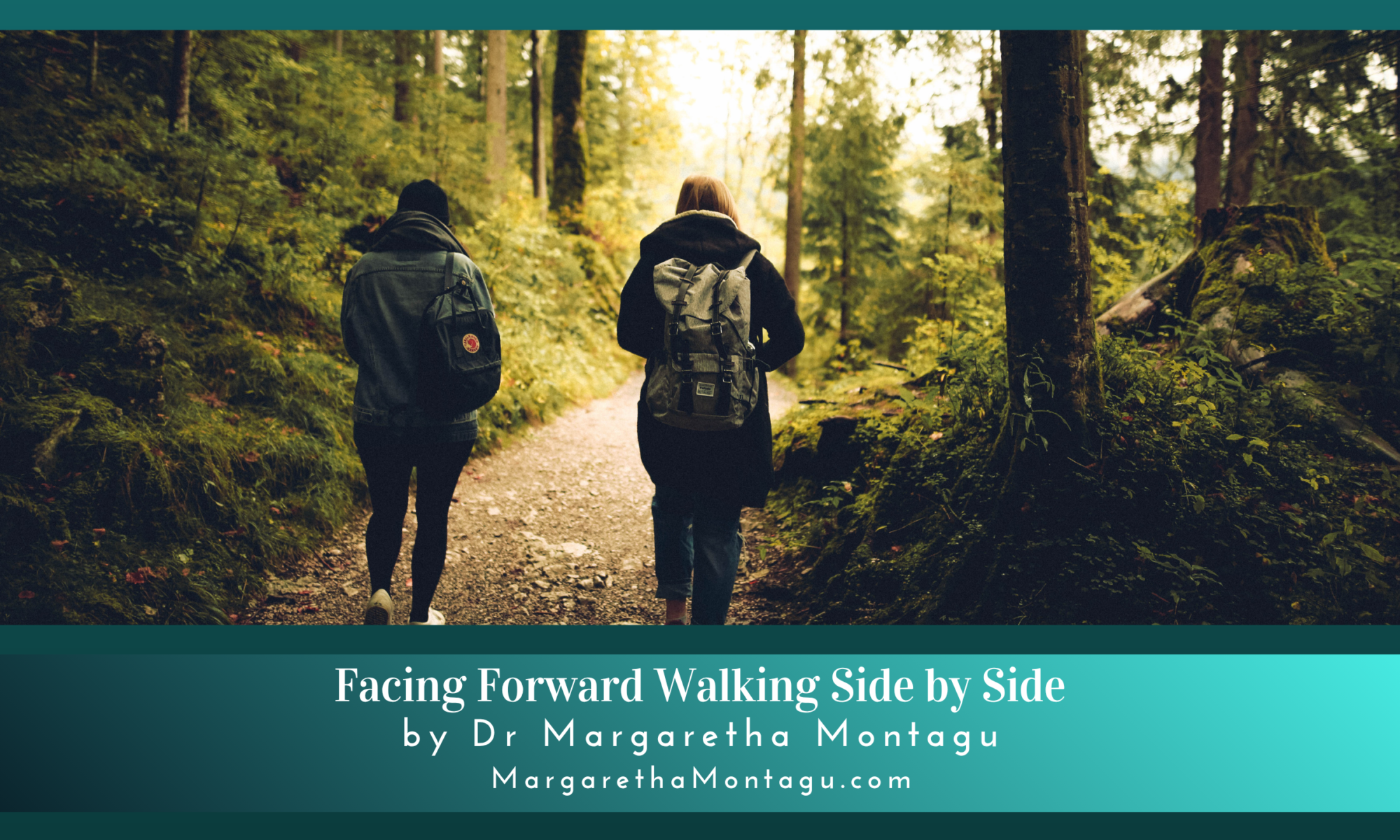
Sometimes, it is. But not always. Sometimes, the real conversations, the ones guests still mention to me months later, don’t happen at the table. They happen on the trail, mid-morning, somewhere unremarkable between two villages no one could point to on a map afterwards.
Why Facing Forward is less Challenging
There’s something about walking side by side that dinner simply can’t replicate, and it took me longer than I’d like to admit to work out what it was. At the table, you’re facing someone. Every spoken word involves eye contact. You watch their face receive what you’ve said in real time, and some instinctive, entirely sensible part of you edits accordingly.
On the trail, none of that applies. You’re both facing the same direction, toward the same stretch of path, and whatever you say simply goes out into the air rather than landing on someone’s face for immediate review. I’ve had guests tell me things walking that I’m quite certain they wouldn’t have said across a table — not because the trail is magic, but because it removes the one ingredient every confession has always needed a way around: being observed while you say it.
The Conversation I Still Think About
Years ago, walking a quiet stretch of the Voie du Puy with a guest — a retired headteacher, composed, the sort of person you’d never guess was carrying anything heavy — I asked an ordinary question about her plans after the retreat. She answered it, and then, several minutes later, apropos of nothing I’d asked, mentioned her husband had died the previous winter and she hadn’t told anyone on the trip.
I’ve thought about that exchange more than almost any other in years of hosting. Not because it was dramatic — it wasn’t, delivered quite plainly, eyes on the path ahead — but because I’m fairly certain it would never have surfaced at dinner. Something about the walking made the saying of it possible. Not easier, exactly. Just possible.
What This Means for How I Host
Although I no longer walk with my guests, and although I encourage them to walk as much of the Camino on their own, firmly believing that this is where most of the benefit lies, I stopped trying to engineer meaningful conversation around the table and trust that there will be moments of meaningful conversation on the way.
It also changed how I think about pacing the day; I now allow much longer for each day’s walk. A retreat with too much sitting — too many long lunches, too much scheduled reflection time on benches — is, I’ve come to believe, quietly working against itself. The walking isn’t just a means of transport between the beginning and the end point. Increasingly, I think walking is the most meaningful part, and the meals are simply where we recover from the effort.
Something Worth Trying, Even Off the Camino
You don’t need Gascony or a fortnight of walking to test this. Next time you need to have a conversation you’ve been avoiding, try having it while walking rather than seated across a table. Somewhere with no eye contact required, no chairs to fidget in, nothing to do but keep moving forward. I suspect you’ll find the words arrive more easily than you expected.
It’s a small thing to notice, but it’s changed how I think about hosting my Camino de Santiago walking retreats almost entirely. The retreat, in the end, isn’t really built around meals or lodging or even the route itself. It’s built around creating enough forward motion that people can finally confront the thing they came here — without quite admitting it to themselves — hoping to resolve.
If any of this sounds like the kind of break you’re after, I’d love to hear from you. Write to me at MargarethaMontagu@gmail.com, and tell me what you’re hoping to resolve, and I’ll tell you whether you’ll benefit from a walking retreat or not.
5-day/4-night “Press Pause” Nervous System Regulation Retreat – If your soul is craving fresh air, meaningful movement, and a chance to reconnect with nature and connect with horses, join me on a powerful, natural reboot for your body, mind, and spirit. Same content as the 3-day retreat, spread over 5 days. And an extra day of walking. No extreme fitness requirements. No forced bonding. No pressure to have a breakthrough. For one or two guests travelling together.
Do you dream of escaping your stressful life to raise a herd of goats or grow sunflowers in the south of France? Then you may be ready for an Esprit Meraki retreat. Get access to this “very serious” quiz to help you figure out how urgent your need for a change of scenery is, when you subscribe to my monthly newsletter.
What Life Lessons Can You Learn While Walking the Camino de Santiago? – a free guide filled with 10 not just “quaint anecdotes” or Instagram-worthy moments (though there are plenty of those) but real transformations from real people who walked this insight-giving trail – Subscribe to my monthly newsletter to Download the Guide
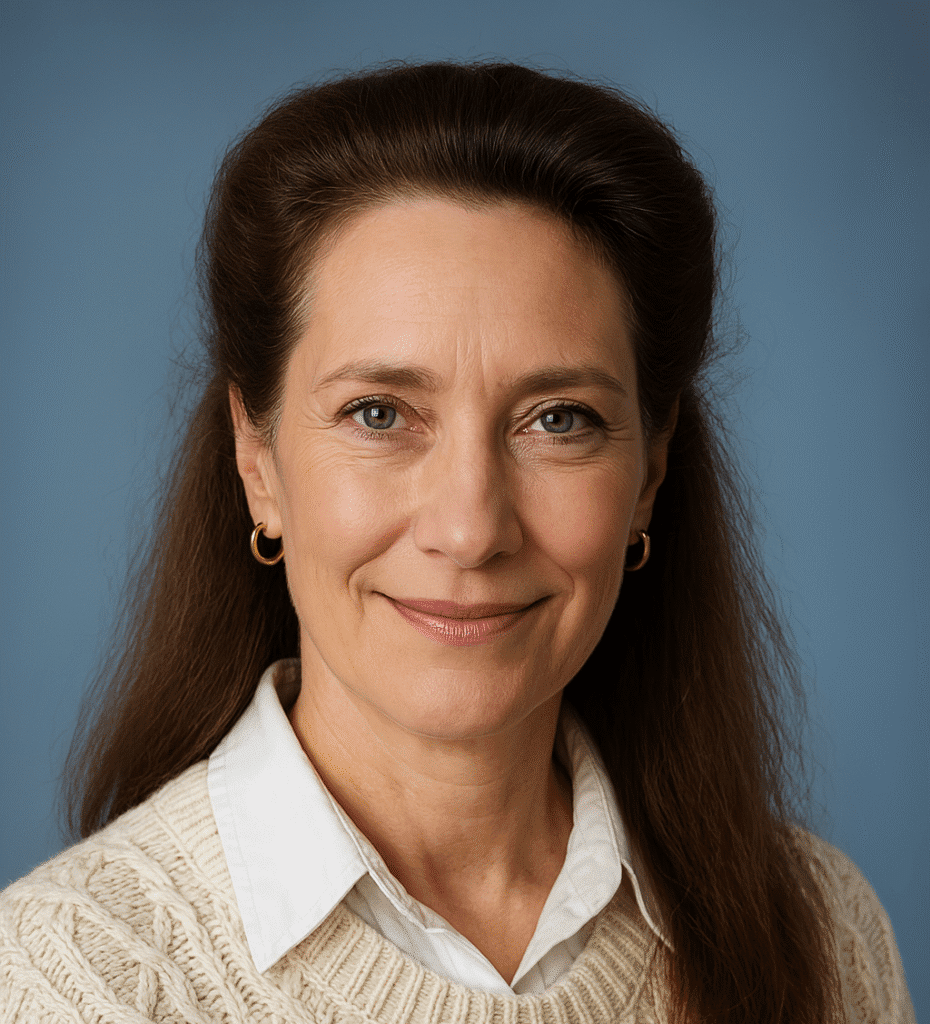
Author Bio: Dr Margaretha Montagu – described as a “game changer”, “gifted healer”, “guiding light” and “life-enriching author” – is an experienced medical doctor, a certified NLP practitioner, a medical hypnotherapist, an equine-assisted psychotherapist (EAGALAcertified) and a transformational retreat leader who guides her clients through life transitions – virtually, or with the assistance of her Friesian and Falabella horses, at their home in the southwest of France.