
For the exhausted, the overwhelmed, the overstimulated, and the quietly desperate for a different kind of life
I know we are nearly halfway through April, but it’s not too late. Should you want to, you can still make this year a slow year.
A slow year is a conscious, deliberate choice to organise a year around intensity and authenticity rather than velocity — protecting pockets of undisturbed rest, unhurried experience, and real focus, and treating these not as rewards to be earned once everything else is done, but as non-negotiables woven into the fabric of daily life.
It draws from the broader Slow Movement philosophy and stands as a quiet rebellion against the cult of productivity and the relentless urgency of our fast-paced modern life — not by doing less, necessarily, but by doing what actually matters, at a pace that allows you to be fully present.
The intentional living trend that’s less about doing less — and more about doing what actually matters
What this is: A practical guide to embracing the “slow year” — not as a romantic notion you flirt with in January and abandon by mid-February, but as an actual, lived experiment in doing life at a more reasonable pace. The kind where you still get things done (you are not, contrary to popular existential dread, turning into a moss-covered bench), but you stop behaving as though every email is a small emergency and every goal must be achieved before lunch.
It’s about learning how to move through 2026 with a steadier nervous system, clearer priorities, and the quiet, radical decision not to sprint just because everyone else has laced up their metaphorical running shoes and is charging toward burnout with impressive enthusiasm. There will be no rigid rules, no sanctimonious finger-wagging, and absolutely no requirement to churn your own butter unless you feel a deep and personal calling to do so.
What this isn’t: Not a lecture about digital detoxing delivered by someone who secretly checks their phone under the table. Not a minimalism manifesto that suggests you can solve existential angst by owning exactly seven objects (three of which are beige). And certainly not another breathless productivity system that promises you “more time” and then quietly fills that time with… more productivity.
You will not be asked to wake up at 4:30am, journal for an hour, meditate for another hour, drink something green and morally superior, and then optimize your circadian rhythm while listening to a podcast about optimizing your circadian rhythm. This is not about doing less so you can do more. It’s about doing what matters, at a pace that doesn’t make you question your life choices every Tuesday afternoon.
Read this if: You’re weary of the noise — not just the literal kind, but the constant, low-grade urgency humming in the background of modern life. You’ve opened the news recently and felt that peculiar mix of concern, disbelief, and a sudden desire to lie down in a dark room with a cup of tea and no Wi-Fi. Read this if you’ve started to suspect that “keeping up” is a game with no finish line, no prize, and slightly questionable rules.
Read this if there’s a quieter, wiser part of you (often drowned out by notifications and other people’s expectations) gently suggesting that there might be a different way to live a year. One with more pauses. More presence. Fewer self-imposed deadlines that were, if we’re honest, never agreed upon by anyone except your inner overachiever. Read this if you’d like to end 2026 not feeling like you survived it by clinging to the side, but like you actually inhabited it — fully, deliberately, and without needing a recovery period.
5 Key Takeaways
- A slow year is not about doing less. It’s about doing things that genuinely matter — with more presence, less panic.
- Intentional slowness is a radical act in a culture addicted to urgency, and choosing it requires nerve.
- Nature, story, and stillness are not luxuries. They are, according to a growing body of research, genuinely restorative to a stressed nervous system.
- Community and shared experience amplify the benefits of slow living far beyond anything you can achieve alone on a yoga mat.
- Small, consistent rituals — a morning walk, a real book, a conversation without a screen — compound quietly into something that changes you.
Introduction
The world is, at present, exhausting, in the “I opened Twitter before my first coffee and now I need to lie down” sense. Climate headlines. Political upheaval. Cost-of-living squeezes. A relentless news cycle that seems to operate on the assumption that you actually want to feel terrible, all the time.
And here you are. Smart, resourceful, not new to hard seasons, and yet — something in you is fraying at the edges. The old strategies are not quite cutting it anymore. The weekend reset doesn’t hold till the end of Tuesday. The to-do list lengthens overnight. The things that used to light you up now barely register.
You are not broken. You are overstimulated, over-scheduled, and chronically under-nourished by the things that actually matter.
This article is about a different kind of year. A slow one. And no, that doesn’t mean quitting your job and moving to a yurt (although, honestly, some days). It means something more nuanced and more intentional than that.
Part One: The Story of Andrew Garnier, or How a Man Who Fed Everyone Finally Fed Himself
A Retreat in the French Pyrenees, Late October
Andrew Garnier had not eaten a meal sitting down in eleven years.
Not a proper one. Not the kind where you taste what’s in front of you, where you notice the weight of the fork or the particular way a good wine opens up after ten minutes in the glass. He was the chef. He plated. He tasted in fractions, a brush of sauce on a fingertip, a fragment of crust stolen mid-service, a half-spoonful of something that needed more acid. He fed three hundred people a week in his restaurant, Sel Gris, and had held his Michelin star for six consecutive years. He did not, as a rule, eat.
He slept four to six hours. He communicated mostly in imperatives. His sous-chef had started leaving printed notes on his office door rather than speaking to him directly, which Andrew had noticed and chosen not to examine too closely.
It was his older sister, Céleste, who staged the intervention. Not dramatically — she was not a dramatic woman — but firmly, in the way that only a sibling who has watched you slowly disappear can manage. She booked the retreat. She told him the dates. She said, with a precision that remined him of their mother: “You are not well, Andrew. You are just very busy, which is not the same thing.”
He drove to southwest France on a Tuesday in October, telling himself he would check the restaurant group chat every two hours.
He checked it twice the first day. Once the second. After that, he forgot.
The farmhouse surprised him. Not because it was beautiful, though it was, but because of the silence. Andrew Garnier had not stood in silence since he could remember. His world was constructed of sound: the clatter of a professional kitchen, the low roar of a full dining room, the perpetual percussion of a phone that never stopped vibrating on a countertop. Here, in the courtyard, with his bag still in his hand, he could hear a woodpecker somewhere in the trees. He stood there longer than was strictly necessary, listening.
There were three other guests. A retired cardiologist from Lyon who had recently survived a health scare that had, as he put it with elegant understatement, “clarified his priorities considerably.” A secondary school teacher from Cork who had not read a novel in three years and was embarrassed about it. A middle-aged architect from Stockholm who walked like someone recently released from a long captivity — which, in a sense, he had been.
Andrew, who spent his professional life emitting confidence and authority, found that in this company, he had very little to emit. They did not know him. They did not care about his star. They passed the bread and asked him how he’d slept.
It was strangely magical.
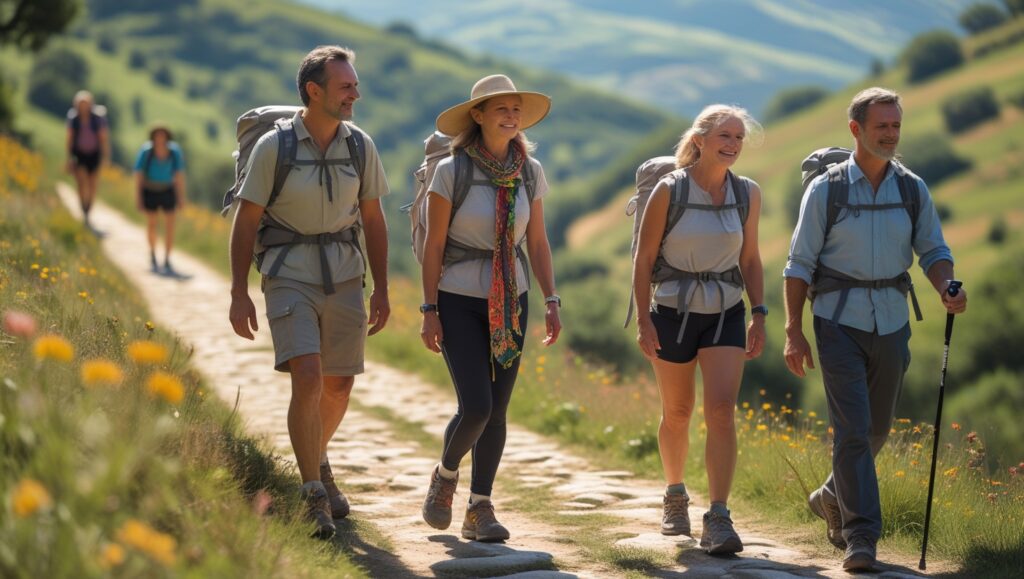
On the first morning, they walked a stretch of the ancient Camino de Santiago — a pilgrimage route worn smooth by a thousand years of seeking feet — through woodland already turning amber and copper, the air sharp with the smell of cold earth and pine resin. Andrew, whose daily exercise consisted of moving very fast between a pass and a stove, found the pace disorienting at first. There was no urgency. There was no destination beyond the next ridge.
Andrew crouched and rubbed a sprig of thyme between his fingers. He held his hand to his face and breathed in. A smell he had used ten thousand times, reduced to a technique, abstracted into a menu. And here it was, growing out of a rock in the Pyrenees, wild and indifferent and extraordinarily alive.
Something in his chest made a sound it had not made in a long time. Not a crack. Something gentler. Something splitting open.
In the afternoons, they read. Real books. Andrew, who had not finished a book in two years, had packed three, optimistically. He chose a novel at random — The Old Ways by Robert Macfarlane — and by page thirty he was unreachable. Not gone. More precisely located than he’d been in months. He read for three hours and noticed it had happened only because his tea had gone cold.
Dinner that evening was a long, cheerful affair. A paella, a local favourite, roasted root vegetables, cheeses from a nearby farm, a wine from just over the Spanish border. Andrew ate it. All of it. At a table. Sitting down. The cardiologist poured him a second glass without asking and he did not check his phone.
Afterwards, they sat by the fire and talked. Not networking. Not pitching or impressing or managing. The teacher from Cork said she’d been so tired she’d stopped being able to tell the difference between sadness and exhaustion. The architect said he’d built beautiful spaces for other people to inhabit and had somehow neglected to inhabit any himself. Andrew said almost nothing, but listened with the full, still attention he usually reserved for a dish that wasn’t working.
On the fourth morning, before breakfast, he sat alone with his journal in the paddock, watching the horses move in the early mist. There is something about a horse at rest — the weight and warmth of it, the absolute unhurried presence — that refuses to be rushed by. You cannot multitask near a horse at rest. It will have none of it.
Andrew wrote for an hour. Not a menu. Not a staffing rota. He wrote about his father, who had cooked Sunday lunch every week of his childhood without fanfare or ambition, and how the smell of a roasting chicken could still, if he let it, make him feel genuinely safe. He wrote about what he had wanted, at twenty-two, before the wanting had been overtaken by the doing. He wrote, slowly, the first few lines of a different kind of year.
He flew home on a Friday with aching legs, a finished novel, four pages of journal, and an idea for a tasting menu built entirely around the wild herbs of the Camino path. His sous-chef said he looked strange. “Strange how?” Andrew asked. She thought about it and said: “Like yourself, actually.”
He took that as the highest possible compliment.
Part Two: So, What Actually Is a “Slow Year”?
The phrase “slow year” sits within a broader cultural movement, a quiet rebellion against the cult of productivity that has colonised most of modern life.
It draws from the Slow Movement, which began with food (the Slow Food movement, founded in Italy in 1989 as a response to a McDonald’s opening near the Spanish Steps, of all the inciting incidents) and has since spread into living, travel, fashion, and the general philosophy of doing things at the pace at which they can actually be done well.
A slow year is, at its simplest, a conscious choice to organise twelve months around intensity rather than velocity. It is a year in which you decide, in advance, that you will protect pockets of genuine rest, real attention, and unhurried experience, and that you will treat these not as rewards to be earned but as non-negotiables.
This is not the same as a sabbatical, although it can include one. It is not retirement. It is not a vow of poverty or a rejection of ambition. It is closer to what the philosopher Blaise Pascal was gesturing at in the seventeenth century when he observed (and this has aged extraordinarily well) that all of humanity’s problems stem from the inability to sit quietly in a room alone.
What a Slow Year Actually Looks Like in Practice
- Protected mornings. Not all of them, not always. But enough of them. A slow morning is one in which you do not immediately hand your nervous system over to other people’s agendas.
- Reading actual books. Not articles. Not threads. Not summaries of books. The sustained attention required by long-form narrative is, it turns out, a genuine cognitive and emotional tonic.
- Choosing presence over documentation. Less photographing the moment, more inhabiting it.
- Spending significant time in natural environments. Not as exercise, necessarily — though that helps too — but as a form of recalibration. Trees are astonishingly good at this. Research agrees.
- Joining a pilgrimage. Not necessarily religious, though it can be. The act of walking somewhere, with intention, over time, changes something in the brain and the body that cannot easily be replicated by a weekend spa.
- Seeking genuine community. Not networking. The kind of conversation that happens when people are fed and rested and not performing.
The Ripple Effect
When one person in a household, a family, a team, a community chooses to slow down deliberately, something shifts in the ecosystem around them. We are, as a species, deeply porous. We regulate each other’s nervous systems. A calmer person makes it easier for others to be calm. A person who has stopped performing urgency gives others silent permission to stop too.
The slow year is not a selfish act. It is, in many ways, one of the most generous things you can offer the people around you. A version of yourself that is not running on fumes, not half-present, not held together by caffeine and obligation.
Communities, too, shift when their members return to a human pace. Local shops. Conversations with neighbours. The re-emergence of people who have time to show up, to help, to notice.
Part Three: 5 Mistakes to Avoid When You’re Trying to Live More Slowly
1. Treating “slow” as a binary switch
You cannot go from 0 to 60 mph to a full stop without consequences. The people who announce loudly that they are “doing a digital detox” and then relapse by Tuesday have confused an aspiration with a strategy. A slow year is built in increments. One protected morning. One real walk. One book finished without guilt. Small and consistent beats dramatic and short-lived.
2. Waiting for permission
No one is going to give you a slow year. Your employer will not schedule it. Your family’s needs will not spontaneously reduce. The news will not become less alarming. If you are waiting for circumstances to align before you begin living more intentionally, you are going to wait a very long time. You choose it, in spite of the evidence.
3. Going it alone
Slow living done in isolation tends to feel self-indulgent and collapses quickly under social pressure. Community is load-bearing. Shared meals, shared walks, shared stories, shared laughter — these are not optional extras. They are the structure.
4. Confusing slowness with passivity
A slow year is not about achieving less. Some of the most creative, productive, and influential people in history were radical slowpokes by modern standards. Darwin took long daily walks. Wordsworth composed while walking. Keats wrote letters. Depth and output are not arch enemies. Slowing down often unlocks capacities that busyness has been suppressing.
5. Ignoring your body
The mind wants to intellectualise this. To read the books, think the thoughts, perhaps make a vision board. But the body is the instrument. Chronic stress lives in the tissues. Walking in nature, physical tiredness from real exertion, the weight and warmth of a real meal eaten slowly — these reach parts that no amount of journaling reaches alone. Don’t outsource the physical. Include it.
A Short Intention-Setting Exercise: Your Slow Year Manifesto
Answer these three questions, longhand if you can:
1. What am I most hungry for, that I haven’t been getting? (Not achievements. Qualities of experience. Think: stillness, beauty, laughter, depth, freedom, belonging.)
2. What one thing, if I protected it consistently this year, would change how I feel most days? (A morning walk? An hour of reading before bed? A weekend monthly without commitments?)
3. Who would benefit if I became calmer and more present? (Write the names. Let that be your motivation on the days when you feel like you don’t have “time.”)
Recommended Reading: 5 Books for Your Slow Year
1. In Praise of Slowness by Carl Honoré (2004) The book that essentially launched the modern slow movement. Honoré, a self-confessed speed addict, travels the world examining cultures and communities that have pushed back against the cult of fast. Rigorous, funny, and quietly life-altering. An essential primer.
2. The Nature Fix by Florence Williams (2017) Williams travels to Finland, Japan, and South Korea to investigate why time in nature makes humans measurably healthier and happier. The science is robust, the writing is beautiful, and you will want to be in a forest within twenty minutes of opening it.
3. How to Do Nothing: Resisting the Attention Economy by Jenny Odell (2019) Part manifesto, part art criticism, part ecological love letter — this book is for the thoughtful person who suspects that reclaiming attention is actually a political act. Demanding and rewarding in equal measure.
4. The Ruthless Elimination of Hurry by John Mark Comer (2019) Do not be put off by the subtitle. This is a sharp, honest, and beautifully observed book about what chronic hurry costs us at the deepest level, and what a different pace might restore. Written with faith as its frame, but with insights that reach well beyond any one tradition.
5. Wintering: The Power of Rest and Retreat in Difficult Times by Katherine May (2020) Written in the aftermath of a family crisis, Wintering is about the seasons of withdrawal that every life contains — and how to move through them with more grace than dread. Tender, wise, and full of lovely, slow sentences.
PS: If you’re looking for a practical, day-by-day companion for the kind of inner shifts a slow year invites, my book Embracing Change — in 10 Minutes a Day is exactly the kind of quiet, grounded guide you need. It won’t shout at you. It won’t give you a seven-step system. It will, gently and consistently, help you move.
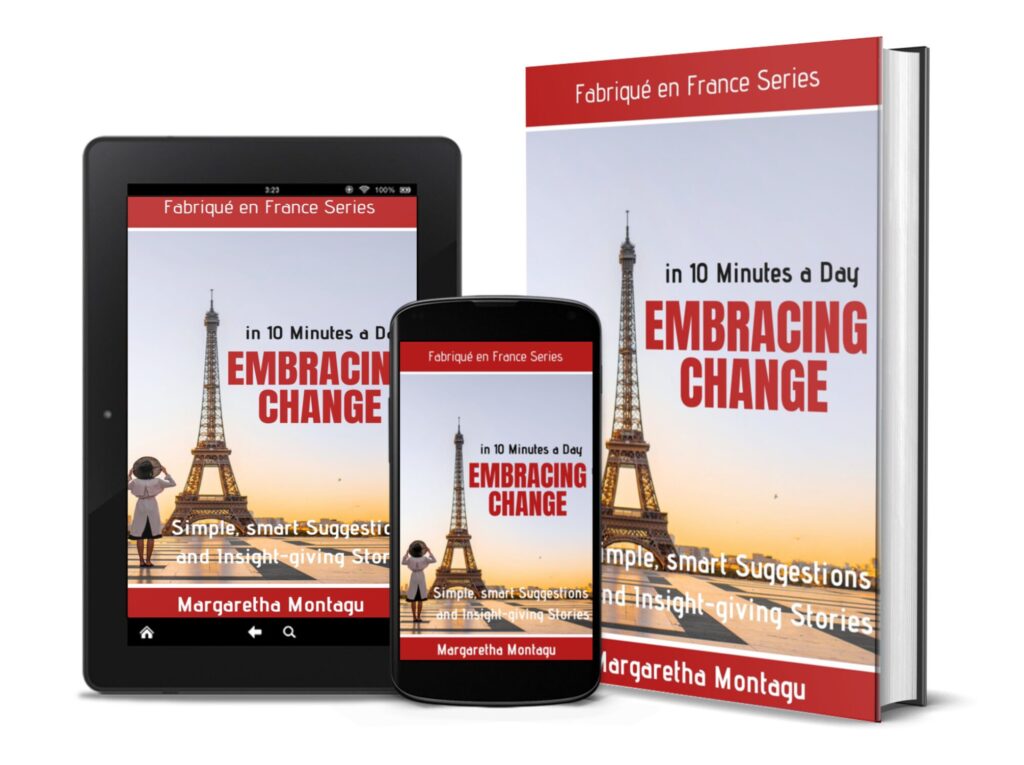
If you are currently facing a major life transition or any other dramatic change in your circumstances, and you have no idea how you are going to cope, the good news is that the strategy presented in this book can help you, step by step, to improve your ability to handle the stress caused by change, even if you feel entirely powerless at the moment.
If you join one of the Book Lovers’ Reading and Camino de Santiago Retreats, you’ll receive the Reconnect with Nature: A Guided Journaling Course Inspired by Horses online course completely free. It is, in the best possible way, exactly as peaceful as it sounds — a beautifully crafted invitation to observe, reflect, and return to yourself, using the extraordinary quiet intelligence of horses as your guide.
5 FAQs: Real Questions, Honest Answers
Q1: Is a “slow year” realistic for someone with a demanding job and family responsibilities? Yes — with one significant caveat: it will not happen by accident. You will need to decide, in advance, that certain things are protected. You don’t need a sabbatical or a six-figure savings pot. You need three or four genuine anchors in your year — experiences or rituals that are slow, nourishing, and non-negotiable. The rest can be ordinary. The anchors change everything.
Q2: I’m not sure I can “do nothing.” I get anxious when I’m not productive. Is slow living for me? Possibly more for you than for anyone else. The anxiety you feel about stillness is the symptom, not the verdict. Most people who describe themselves as “unable to relax” are not constitutionally incapable of it — they are deeply habituated to urgency. That habituation can change. It usually changes first in the body, on a walk or in a chair by a fire with a good book, before the mind catches up.
Q3: How is a reading retreat on the Camino different from just going on holiday? A holiday is typically about escape — different scenery, same self. A retreat offers something more structural: a container in which something can actually shift. The combination of purposeful walking (the Camino is one of the oldest pilgrimage routes in the world), extended reading, good food, and genuine community creates conditions for a kind of recalibration that a week in Tenerife, lovely as it is, tends not to.
Q4: Do I have to be religious to walk the Camino? Absolutely not. The vast majority of Camino walkers today describe themselves as non-religious. The path is ancient, yes — and that antiquity gives it a weight and a quality of silence that is palpable regardless of belief. What it asks of you is simply your feet and your attention. That’s enough.
Q5: I’ve been stressed for so long I’m not sure I know what “restored” feels like. Is that normal? Entirely. Chronic stress normalises itself. You stop remembering what baseline feels like and start mistaking exhaustion for personality. Many people who attend retreats report being surprised by the return of things they’d forgotten: curiosity, appetite (for food, ideas, company), a capacity for genuine joy. These things didn’t go anywhere. They were just buried under the noise.
Conclusion: The Year Ahead
There is a version of 2026 that looks very much like 2025. Fast, loud, anxious, and over before you could catch your breath.
And there is another version.
One with mornings that belong to you. Long walks on ancient paths through oak and bracken. A book so absorbing you miss your stop. A meal that took two hours because the conversation was too good to rush. A sky full of stars above a stone farmhouse in southwest France, the smell of woodsmoke in the air, and the quiet, settled knowledge that you are, finally, somewhere real.
You get to choose which version you’re in.
The world will not slow down for you. But you — smart, capable, weathered, ready — can choose a different pace. Not as an escape from your life. As a deeper entrance into it.
An Invitation
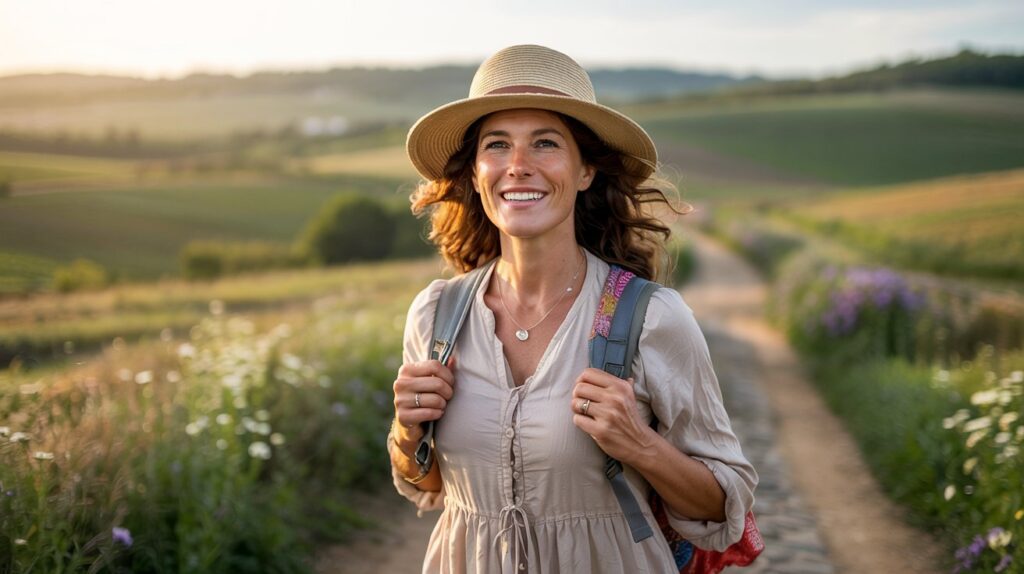
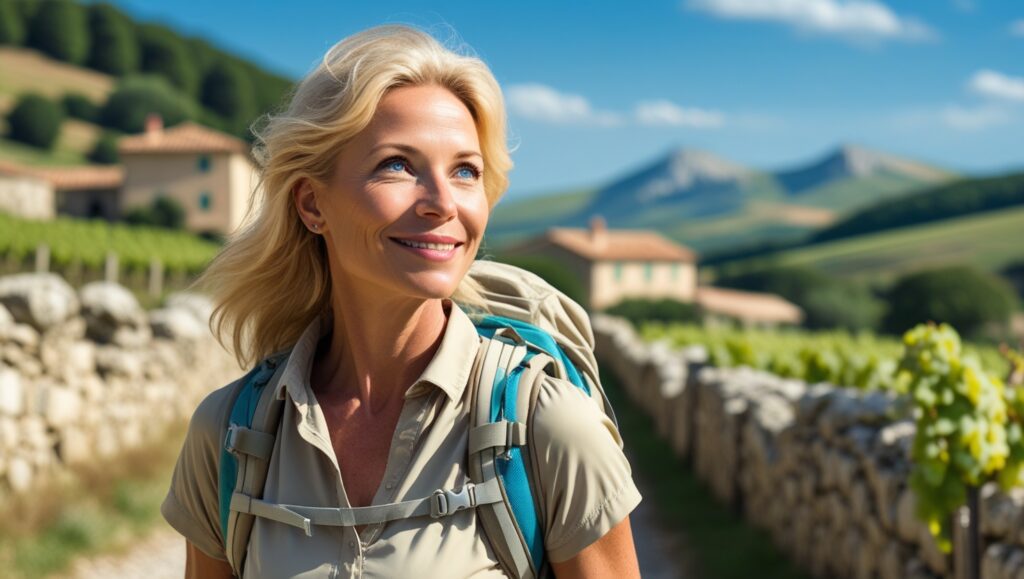
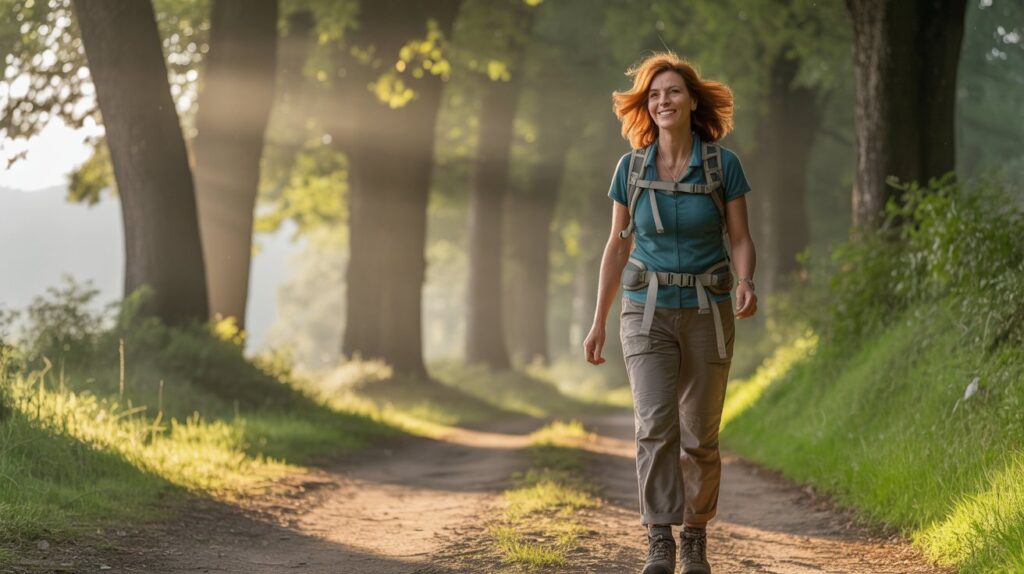
If some part of you is quietly desperate for an escape, the 5-Day Book Lovers’ Binge Reading and Camino de Santiago Walking Retreat in the heart of southwest France might be exactly the thing.
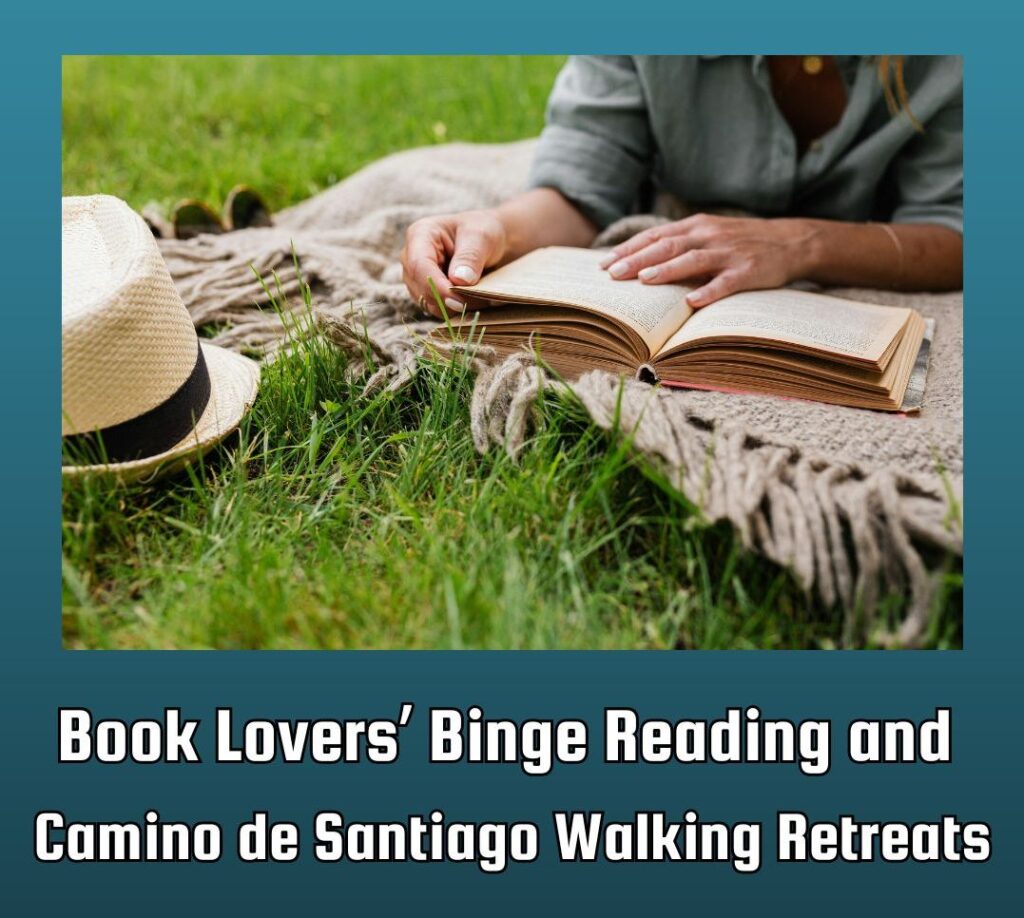
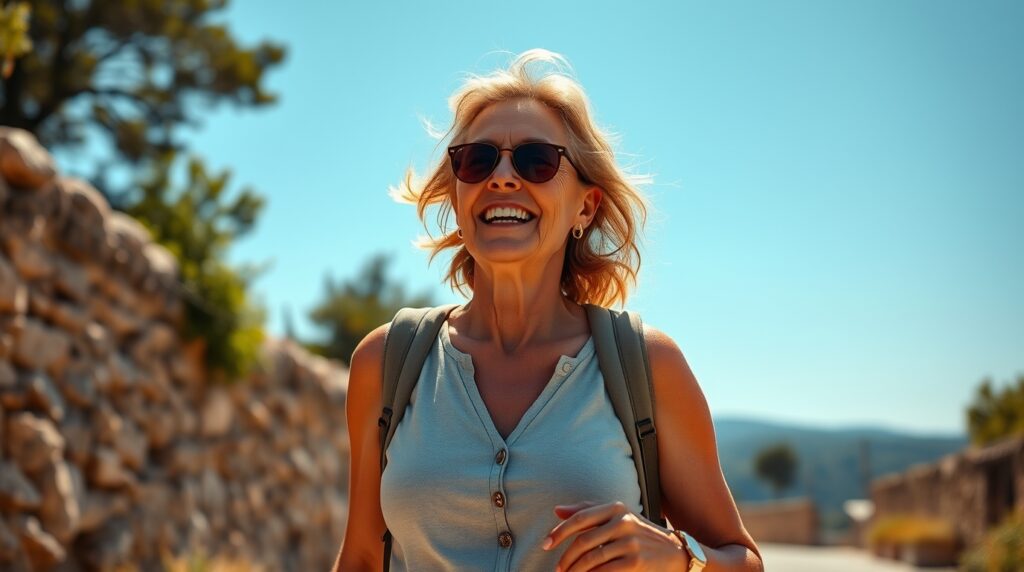
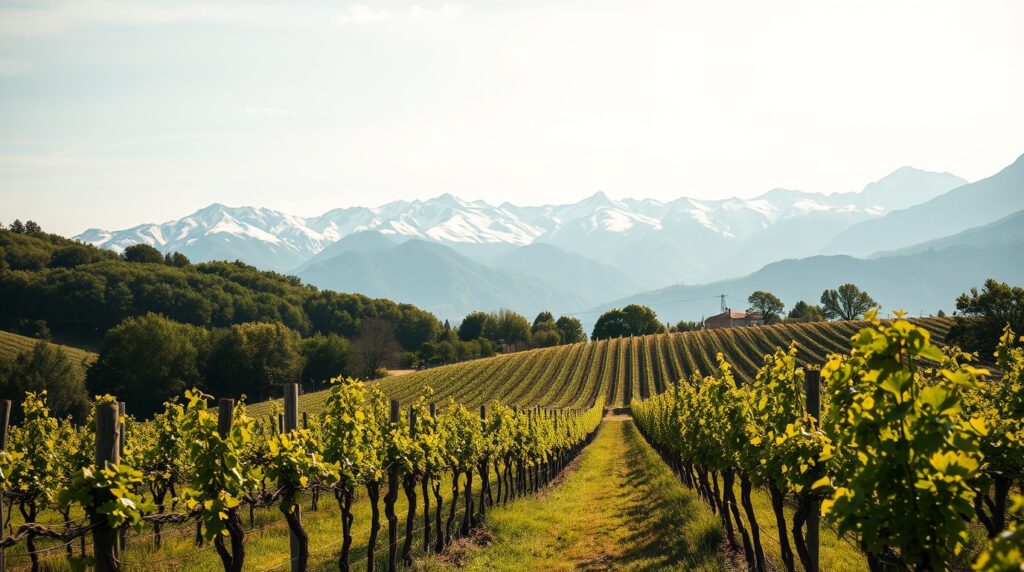
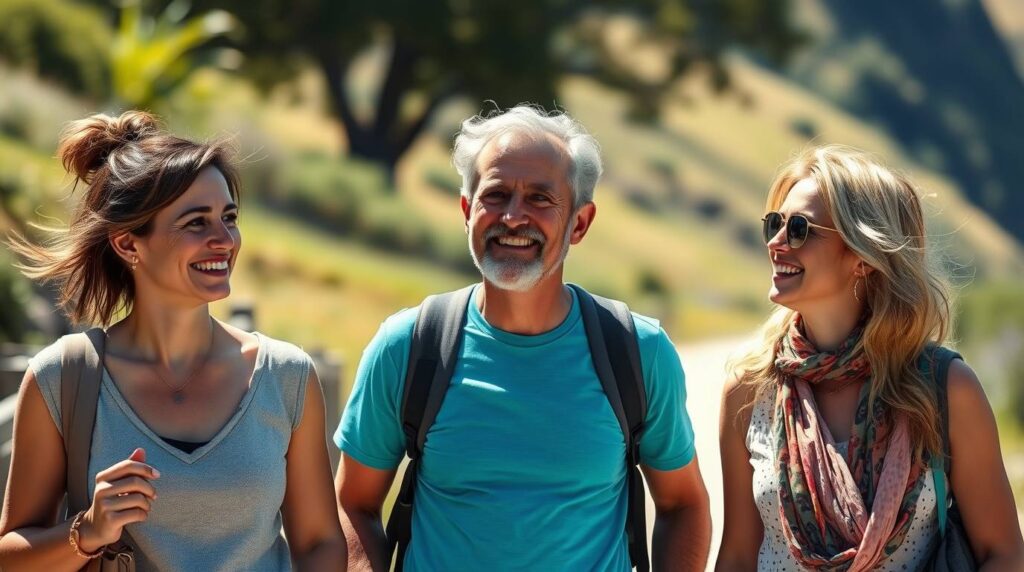
Join us for the Book Lovers Binge Reading Camino de Santiago Walking Retreat in the sun-drenched southwest of France: a journey where the trail and the story unfold together. Walk ancient paths at your own pace, then settle in each evening with a good book. This isn’t a fitness challenge—it’s a gentle rhythm—one step, one chapter, one honest conversation at a time. Rolling hills, quiet villages, golden light. No expectations, no performance, no agenda but your own unfolding.

But Are You Ready for a Retreat?
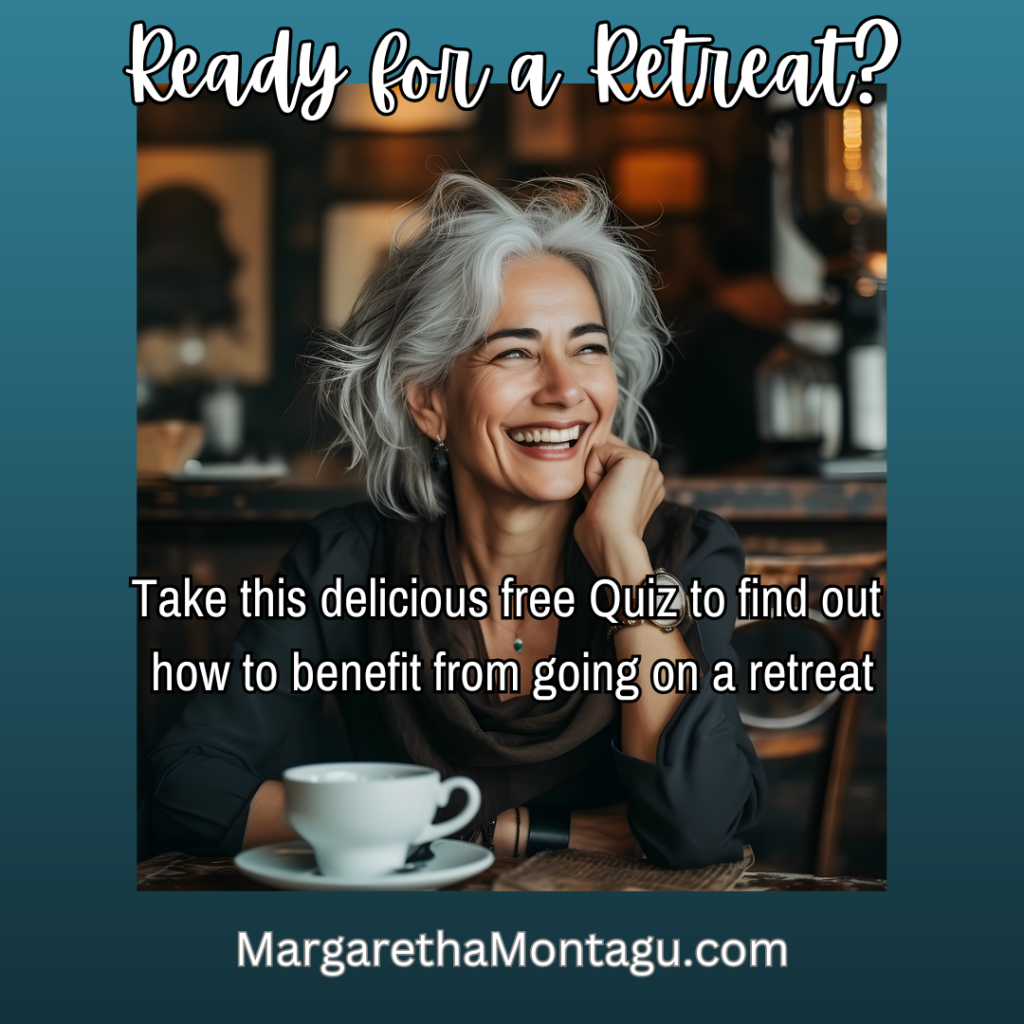
Do you dream of escaping your stressful life to raise a herd of goats or grow sunflowers in the south of France? Then you may be ready for an Esprit Meraki retreat. Get access to this “very serious” quiz to help you figure out how urgent your need for a change of scenery is, when you subscribe to my monthly newsletter.
Not sure if now is the right time, or which retreat is the right fit? Take the Ready for a Retreat? Quiz when you sign up for my newsletter, and find out exactly what kind of slow experience your particular form of tired is calling for.
References
- Bratman, G. N., Hamilton, J. P., Hahn, K. S., Daily, G. C., & Gross, J. J. (2015). Nature experience reduces rumination and subgenual prefrontal cortex activation. Proceedings of the National Academy of Sciences, 112(28), 8567–8572.
- Kabat-Zinn, J., Massion, A. O., Kristeller, J., Peterson, L. G., Fletcher, K. E., Pbert, L., … Santorelli, S. F. (1992). Effectiveness of a meditation-based stress reduction program in the treatment of anxiety disorders. American Journal of Psychiatry, 149(7), 936–943.
- Mar, R. A., Oatley, K., & Peterson, J. B. (2009). Exploring the link between reading fiction and empathy: Ruling out individual differences and examining outcomes. Communications, 34(4), 407–428.
- Selhub, E. M., & Logan, A. C. (2012). Your brain on nature: The science of nature’s influence on your health, happiness and vitality. Journal of Affective Disorders, evidence reviewed in book-form but founded on peer-reviewed studies; see also: Ulrich, R. S. et al. (1991). Stress recovery during exposure to natural and urban environments. Journal of Environmental Psychology, 11(3), 201–230.
- Aspinall, P., Mavros, P., Coyne, R., & Roe, J. (2015). The urban brain: Analysing outdoor physical activity with mobile EEG. British Journal of Sports Medicine, 49(4), 272–276.