
Theme: Making Friends and Maintaining Friendships
December 10, 2025 – 15 days to Christmas
Today’s Story: Chocolate, Sausage, and Salvation
Pierre stared at the email on his phone screen with the particular despair of someone who’d just watched their dreams get bureaucratically slaugthered. Again.
“Re: Mobile Food Service Permit Application #2847-B. Unfortunately, we require additional documentation regarding…”
He stopped reading. There were seventeen more paragraphs. There were always at least seventeen more paragraphs.
Behind him, his food truck La Route Épicée, painted an optimistic orange-and-yellow, equipped with a state-of-the-art kitchen he’d gone into serious debt for, sat immobile in a parking lot on the outskirts of Bayonne. It had been sitting there for three months. Three months of paperwork. Three months of “just one more form.” Three months of watching the Christmas market season—the lucrative, business-saving Christmas market season approach.
His phone rang. Maïa.
“You got the email,” she said. Not a question.
“How did you—”
“Because I know that sound you just made. The sound of a man being slowly strangled by French bureaucracy. Come to the shop. I have chocolate. Also, I have a plan.”
“I don’t need chocolate, I need a permit—”
“Everyone needs chocolate. Especially people lying to themselves about not needing chocolate.”
Maïa’s chocolaterie sat in the heart of old Bayonne, all exposed stone and wooden beams, the air thick with the smell of cocoa and caramelised sugar.
Maïa stood behind the counter wearing an apron that said “La Vie est Courte, Mangez du Chocolat“—life is short, eat chocolate. She was thirty-two, Pierre’s age, and had somehow managed to build a successful business while he was fighting self-righteous bureaucrats who seemed to have a vendetta against him, personally.
She slid a plate across the counter. Three pieces of dark chocolate, each topped with something unexpected: espelette pepper, fleur de sel, smoked paprika.
“Eat,” she commanded. “Then we talk about your terrible decision-making.”
Somewhat miffed, Pierre nevertheless ate. The chocolate was perfect—bitter, complex, the pepper building slowly at the back of his throat.
“You’re wasting your time,” Maïa said.
“Excuse me?”
“The permit. You’re fighting a system designed to make you quit. It’s nearly November. Even if you got approved tomorrow—which you won’t—you’d miss the entire Christmas season. Face it: your food truck is dead until January.”
Pierre felt something crack in his chest. Hearing it said out loud made it heart-wrenchingly real.
“So what am I supposed to do? Give up? Go back to working in someone else’s kitchen?”
“Non.” Maïa leaned forward. “You take a stand at the Chocolate Fair.”
The Salon du Chocolat de Bayonne—Bayonne’s famous chocolate fair. Chocolatiers from across the Basque Country and beyond set up elaborate stalls. Thousands of people attended. It was, essentially, chocolate Disneyland.
“I don’t make chocolate, Maïa. I make—”
“Fusion cuisine that nobody can try because your truck is a very expensive parking ornament. I know.” She pulled out her phone, showed him photos. “I have a double stall this year. Very prestigious, corner position. I’m offering you half. You make a small menu—four dishes, maybe five—incorporating Basque chocolate. Savoury, sweet, whatever your brain comes up with. We split the space, split the costs, you get access to my permits and my suppliers.”
“That’s not my concept—”
“Your concept is currently sitting in a parking lot, making no money AT ALL and crushing your soul. This is called adaptation. Also called not being a complete idiot.” The joy of having friends who don’t beat around the bush.
Pierre looked at the chocolate on the counter. At Maïa’s face—determined, certain, the expression of someone who’d already decided this was happening and was just waiting for him to catch up.
“I don’t know anything about cooking with chocolate.”
“Good thing your best friend is a chocolatier then, isn’t it?”
There were only five days left until the fair opened.
Maïa’s kitchen became a laboratory of taste bud destroying disasters. Pierre’s first attempt—duck confit with chocolate mole—was so rich it felt like eating velvet-covered concrete. His second—chocolate-espelette glazed pork belly—set off the smoke alarm and made Maïa’s assistant cry (probably from the pepper, though it was hard to tell). The third attempt—chocolate-infused squid ink risotto—looked like something dredged from the bottom of a gothic lake and tasted, according to Maïa, “like the ocean had a nervous breakdown and decided to punish humanity.” They tried to feed it to Maïa’s neighbour’s cat, who sniffed it once and walked away with visible disdain.
The chocolate and anchovy croquettes that were theoretically sound—salty, bitter, fried—but in practice tasted like Pierre had weaponised the concept of umami. Maïa took one bite, held up her hand for silence, chewed thoughtfully, then said, “I think you’ve created something that violates the Geneva Convention.”
“You’re thinking too complicated,” she said, rescuing the pork belly before it became charcoal. “This is Basque Country. People want familiar made interesting, not interesting made incomprehensible.”
“I don’t do familiar. I do fusion—”
“Fusion is just familiar ingredients having an identity crisis. Stop fighting your location. Use it.”
She handed him a bar of her signature dark chocolate—70% cacao from Cameroonian beans, made in Bayonne for three generations. “Start here. What does this taste like?”
Pierre closed his eyes, let the chocolate melt on his tongue. “Earth. Smoke. Something almost savoury.”
“Exactement. So use it that way. Think: what grows here? What do people eat here? How does chocolate fit?”
By day three, they had it:
Txistorra sausage with a chocolate-red wine reduction. The sausage—spicy, fatty, distinctly Basque—cut by the bittersweet depth of Maïa’s chocolate and local Irouléguy wine.
Pan-seared foie gras with a chocolate-and-pear compote. Controversial, decadent, impossible to stop eating.
Marmitako—traditional Basque tuna stew—finished with a square of dark chocolate that melted into the broth, adding complexity without sweetness.
And for dessert: gâteau Basque reimagined, filled with chocolate-cherry cream, topped with candied espelette.
“This,” Maïa said, tasting the tuna stew on day four, “this is what you should have been making all along. This is you, but also Basque. Fusion that makes sense.”
Pierre stared at her. “You just revolutionised my entire business concept in a kitchen the size of a closet.”
“Eh oui, so I did. You’re welcome. Also, dinner is on you tonight.”
That year, the Chocolate Fair exploded with people—locals, tourists, families with children hopped up on sugar samples, serious foodies with notebooks, everyone drawn by the smell of chocolate handmade-with-love and Pierre’s sausages sizzling on Maïa’s portable burner.
Their stall looked like controlled chaos. Maïa’s chocolates on one side—elegant, precisely arranged—Pierre’s pop-up kitchen on the other, steam rising, plates moving, the scent of his cooking cutting through the sweetness like a jazz note in a symphony.
By noon, they’d sold out of the foie gras.
By three, the tuna stew was gone.
By five, people were queuing thirty deep, phones out, taking photos of Pierre’s dishes, of Maïa’s chocolates, of the sign Pierre had hastily made: “Basque Fusion—La Route Épicée@Maïa Chocolaterie.”
A food critic from Sud Ouest approached tentatively, tasted everything, took notes with an expression that revealed nothing and everything. A chef from San Sebastián tried the txistorra, closed his eyes, and said something in rapid Euskara that made Maïa laugh.
“What did he say?”
“That you’ve finally stopped being a Parisian chef pretending to understand the Basque Country and started being a Basque chef with a few promising ideas.”
Pierre wasn’t sure if that was a compliment or an insult. Didn’t matter—the man bought six portions to take back to his restaurant.
By closing time, they were exhausted, depleted, covered in chocolate and olive oil and the particular satisfaction of having fed several hundred people something they’d remember. For a long time.
Maïa produced a bottle from under the counter. Patxaran—traditional Basque sloe berry liqueur, dark red, smelling of anise and success.
“To adaptation,” she said, pouring two glasses.
“To friends with brilliant ideas,” Pierre countered.
They clinked glasses, drank, and watched the fair wind down around them—the lights, the people, the success that had materialised from desperation and friendship and Maïa’s refusal to let Pierre’s concept die in a parking lot.
Pierre’s phone buzzed. An email. He almost ignored it.
The food critic. Five stars. Photos of every dish. Final line: “La Route Épicée has found its route—and it runs directly through the Basque Country’s heart, with a stop at Maïa’s chocolaterie. Book ahead for January.”
“We’re doing this again,” Pierre said. “Not just Chocolate fairs in November. Christmas. New Year. Regular pop-ups. Your kitchen, my food, our collaboration.”
“Obviously. You think I’d let you go back to fighting permit applications alone? You’d starve.”
Pierre laughed, surveyed the disaster zone of their successful day, and thought about how sometimes the best business plan is just having someone who believes in you enough to hand you half their stall and say, “Now stop being stupid and cook.”
The Making Friends and Maintaining Friendships Masterplan
The holiday season is the perfect time to reconnect with old friends. Life transitions often pull us in different directions, but that doesn’t mean the bond is lost. Sometimes, reaching out after years apart can feel like picking up right where you left off.
Think about someone you’ve lost touch with—a friend who once meant a lot to you. What would it feel like to reconnect? You might just reignite a friendship that brings new joy and comfort.
| Next time you’re stuck in a professional or creative crisis, reach out to a friend who understands your field—and be willing to accept help that looks different from what you imagined. Ask for advice. Accept the corner of someone’s stall, their kitchen, their contacts, their hard-won local knowledge. Be willing to adapt your vision to reality without abandoning what makes it yours. Worst case scenario: Your collaboration doesn’t work, you spend a week trying something different, and you go back to your original plan with new insights. Best case scenario: Your best friend revolutionises your entire business concept in five days, gives you access to their infrastructure and their community connections, challenges you to stop fighting your location and start using it, and accidentally creates a partnership that transforms both your businesses. You discover that adaptation isn’t failure—it’s evolution, and sometimes the thing you thought was a compromise (chocolate in your savoury dishes, a pop-up instead of a food truck, fusion that respects its foundation) becomes the signature that makes everything work. You learn that friendship in business isn’t just emotional support—it’s someone handing you half their stall and saying “stop being stubborn, cook something,” and refusing to let your dream die in a parking lot because bureaucracy is terrible, but giving up is worse. |
If you’re currently stuck in bureaucratic hell or professional limbo with a dream that’s going nowhere, what would your Maïa tell you to do differently?
Newsletter Subscription
I’m still collecting subscriptions to my news letter with these post, so if you haven’t subscribed already and would you like to find out what type of friend you are, how well you know your friends or if you and a new friend really are compatible, subscribe my filling in your email address in the box below and I’ll send you a set of light-hearted quizzes, quotes and questions to help you do just that. Just fill in the form below and you’ll get immediate access to them all. You can unsubscribe from this list effortlessly and at any time. Included:
–How well do you know your Friends? Quiz
– What is Your Friendship Style? and Are your Friendship Styles compatible? Quiz
– 20 of the Most Inspiring Friends and Friendship Quotes and
– 20 lighthearted Questions you can ask to get to know a new Friend
Discover how to build meaningful, lasting friendships and create a support system that truly has your back—delivered straight to your inbox!
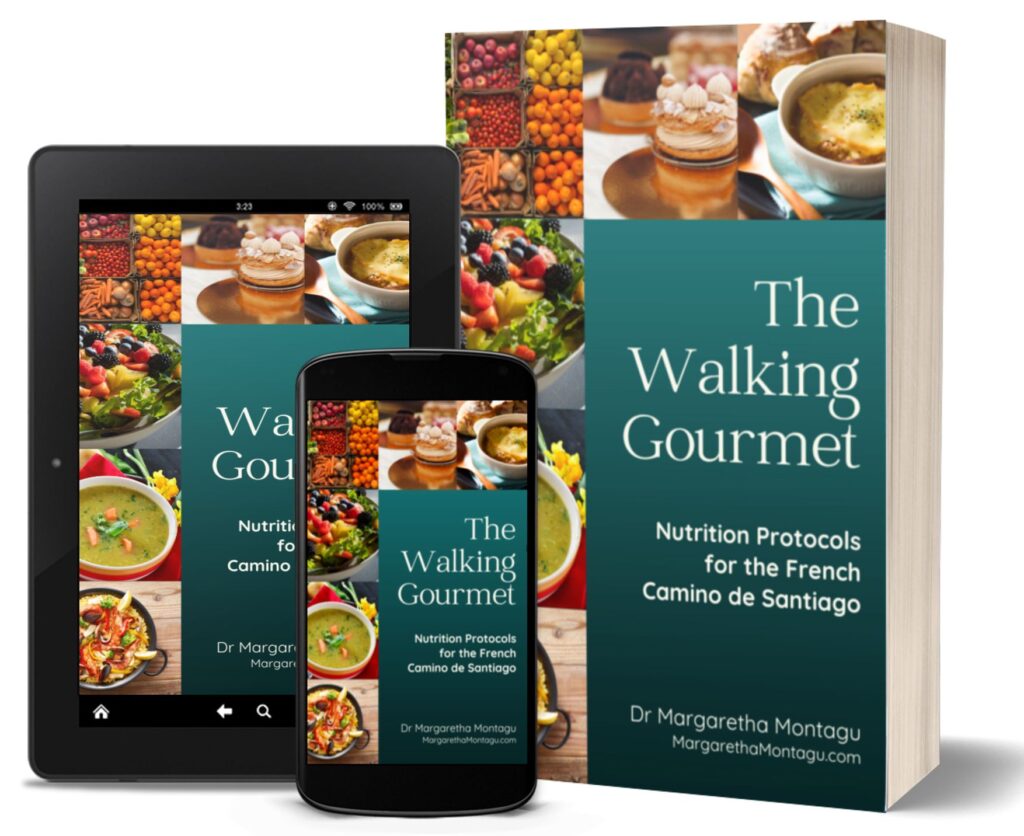
I’ve lost count of the number of guests who have asked for the recipes of the dishes I serve during my retreats. I’ve finally gotten around to publishing my retreat recipe collection as an e-book. If you’re interested in nutrition, especially while you’re walking the Camino de Santiago, or you just love authentic French cuisine, here is a link to my ebook The Walking Gourmet: Essential Food Strategies for the French Camino de Santiago
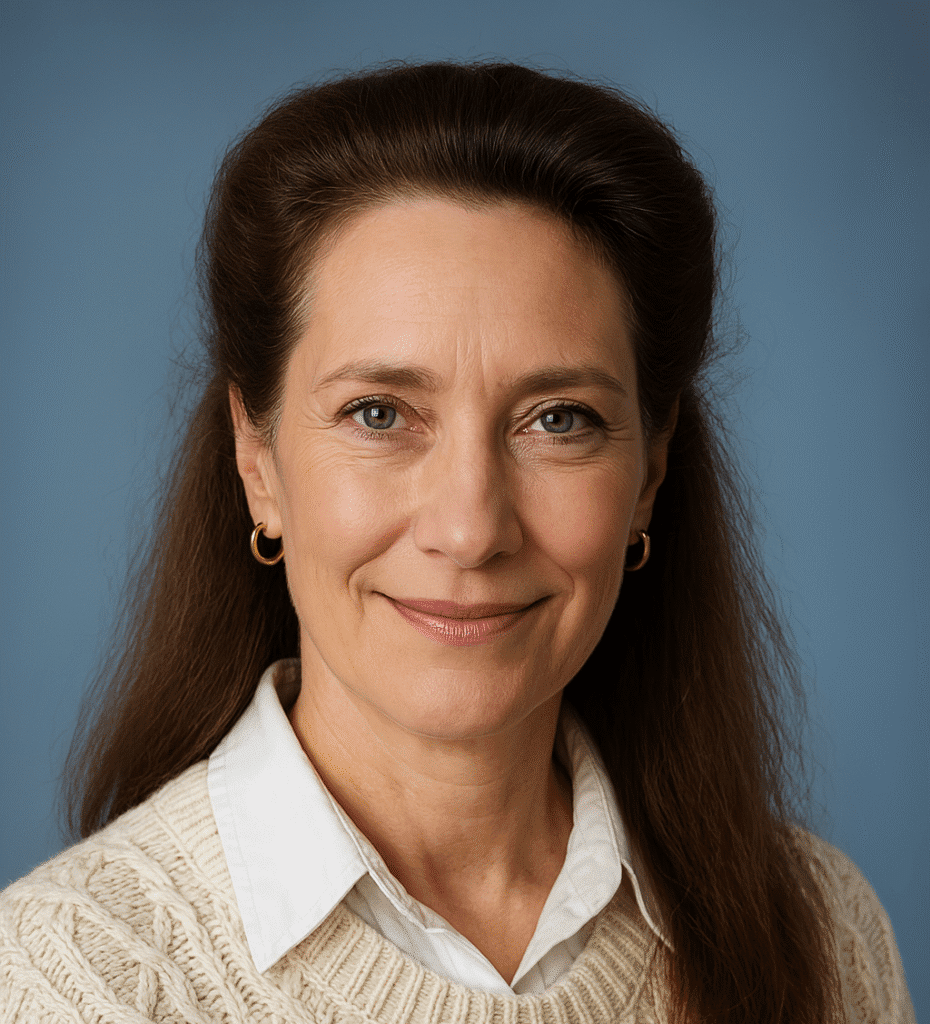
Author Bio: Dr Margaretha Montagu – described as a “game changer”, “gifted healer”, “guiding light” and “life-enriching author” – is an experienced medical doctor, a certified NLP practitioner, a medical hypnotherapist, an equine-assisted psychotherapist (EAGALAcertified) and a transformational retreat leader who guides her clients through life transitions – virtually, or with the assistance of her Friesian and Falabella horses, at their home in the southwest of France.
Lovely story with recipes!! Yes! It’s all about food for the heart and soul. 🥰
Can’t imagine Christmas without food!!!