Relationship Renewal on the Camino de Santiago

Step onto the ancient path, rediscover your rhythm: How a walking retreat in France can rekindle the spark in your relationship.

I have noticed that I’m getting more bookings from couples for my Camino de Santiago walking retreats than I did before. I wondered why – are there now more couples with problems than there were pre-pandemic – or have more couples now discovered the powerful effect that the Camino can have on relationships?

Does the comfortable choreography of YOUR relationship feel more like a clumsy tango than a graceful waltz these days? Have the harmonious notes you once effortlessly struck together devolved into a rather… discordant melody? Fear not, for there’s an ancient path, a sun-drenched ribbon winding through the soul of Europe, that offers not just respite for weary souls, but a profound opportunity to untangle those knots and rediscover each other.

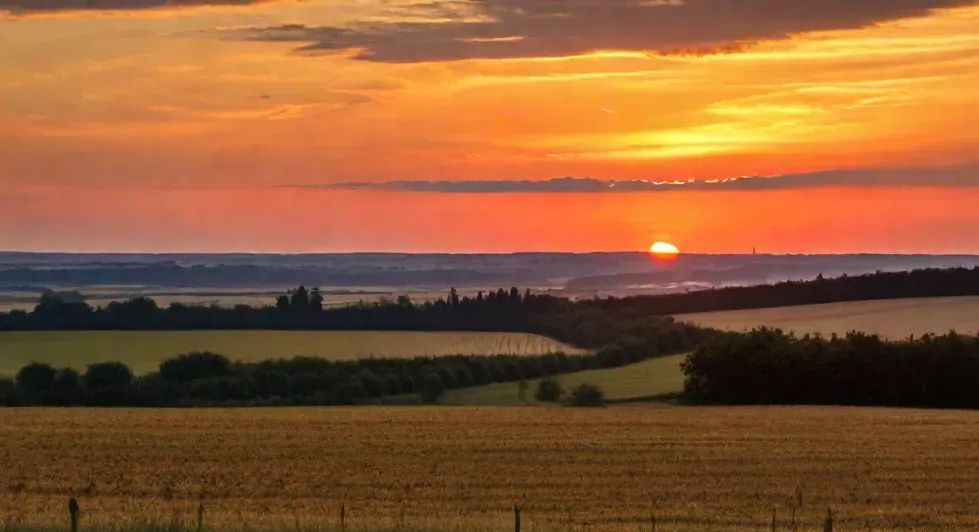
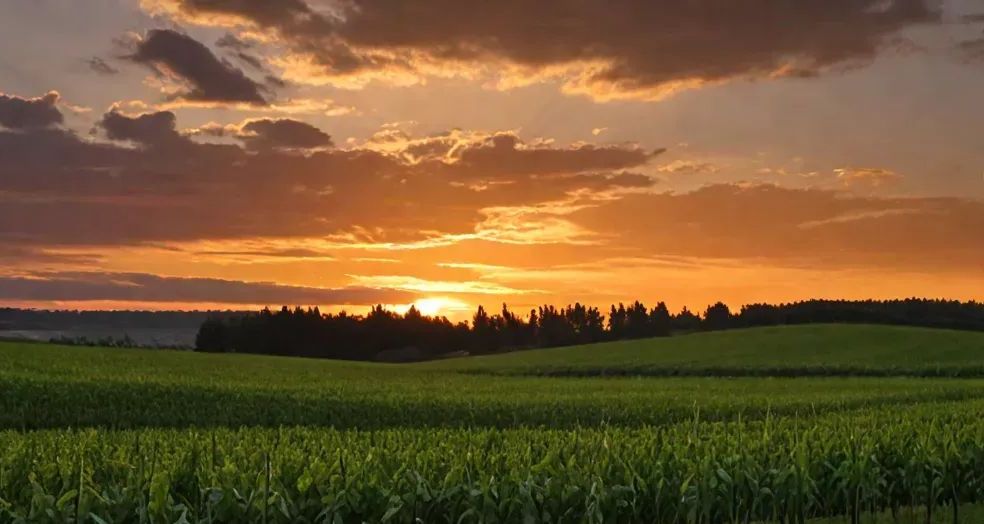
Imagine: the gentle rhythm of your footsteps, the vast expanse of the French landscape and the majestic Pyrenées mountain range stretching from east to west on the horizon, offering inspiration for honest conversations, and the shared triumphs of conquering rolling hills forging bonds stronger than any silken thread. The Camino de Santiago, that legendary trail, isn’t just for the solo walker; it’s a potent crucible for relationships, a place where the complexities of life can dissolve in the warmth of shared experience and quiet reflection.

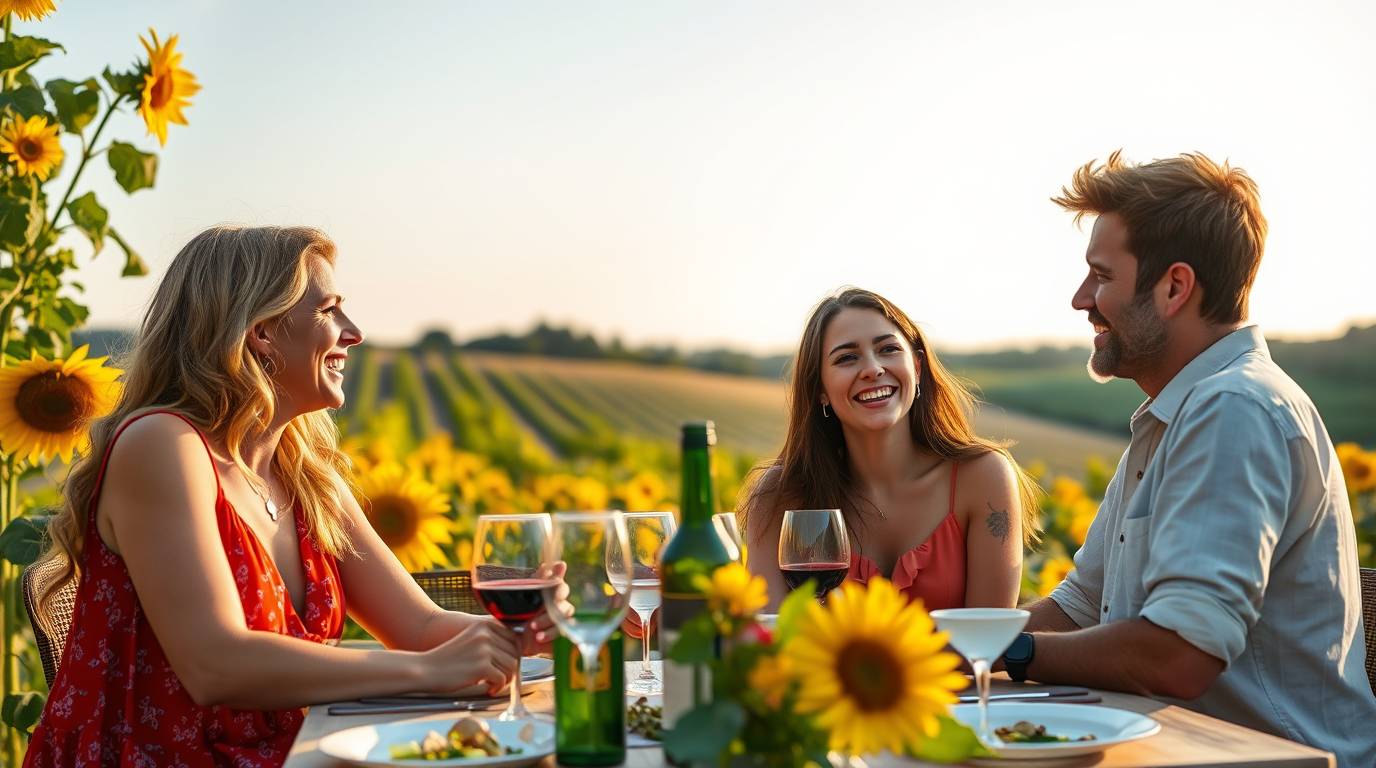
And it is this very magic, this potent blend of walking and introspection, that inspired me to open the doors of my little farmhouse here in the sun-blessed southwest of France to not just romantic relationships, but relationships of all descriptions: mothers-and-daughters, fathers-and-sons, new friends and old friends. TrailTracers, my 7-day retreats, offer you and your significant other the space and the setting to embark on this transformative journey together, at your own pace, knowing you have a comfortable haven to return to each evening. Think of it: days spent walking through breathtaking landscapes, followed by evenings filled with delicious food, perhaps a glass of local wine, and the comforting silence that allows true understanding to blossom. It’s an invitation to step away from the clamour of daily life and rediscover the simple joy of being truly present in each other’s company. So, if your relationship compass feels a little off course, perhaps it’s time to lace up your boots and let the ancient stones of the Camino guide you back to harmony.

Summary: The Camino de Santiago offers those in difficult relationships a unique opportunity to step away from the demands of daily life and rediscover their connection amidst the simplicity and shared challenges of the pilgrimage. This ancient path provides a powerful backdrop for reflection on relationship patterns and needs. TrailTracers Camino de Santiago walking retreats, in the serene southwest of France, offer a supportive and non-judgmental 7-day experience, allowing couples the space to walk, reflect, and reconnect, returning each evening to a cosy, comfortable 200-year-old farmhouse.

Keep in mind though, the Camino de Santiago cannot mend unmendable relationships.

5 Key Takeaways:

  • Shared Steps, Shared Understanding: Navigating the Camino’s physical and logistical challenges together fosters deeper empathy and strengthens teamwork within the relationship.
  • The Rhythm of Reflection: The unhurried pace of walking provides a rare and valuable space for open, honest conversations, free from the distractions of everyday life.
  • Perspective on the Path: Stepping away from familiar routines and environments allows for a fresh perspective on ingrained relationship dynamics and individual needs.
  • Back to Basics, Back to Each Other: The Camino’s simplicity highlights fundamental needs and shared values, stripping away superficialities and focusing on what truly sustains a relationship.
  • Individual Growth, United Connection: The time for personal reflection amidst the beauty of the natural world encourages individual growth, which in turn enriches and strengthens your bond.

Introduction

For centuries, pilgrims have trod the ancient paths leading to Santiago de Compostela, each step a prayer, a meditation, a quest. But beyond the individual spiritual journey, this venerable trail holds a unique potential not just for couples, but for all relationships. Imagine walking hand-in-hand, or perhaps a comfortable distance apart, through landscapes that whisper tales of resilience and endurance. The Camino becomes a shared experience, a parallel journey where you can find a new equilibrium. It begs the question: in our relentlessly fast-paced world, where connection often feels mediated by screens and fractured by obligations, can this ancient pilgrimage offer a tangible pathway to understanding and strengthening the intricate tapestry of modern relationships, particularly those bearing the weight of time and complexity?

The Camino as a Mirror of Our Relationships

The beauty of the Camino lies not just in its stunning vistas but in its uncanny ability to reflect the dynamics of our inner and outer worlds. Not just for couples, but for all relationships, this reflection can be particularly profound.

Shared Challenges, United Front: Life throws curveballs, and so too does the Camino. There are steep inclines that test physical endurance, unexpected downpours that soak you to the bone, and the simple logistics of finding the next direction-indicating sign. Navigating these shared challenges, the small triumphs and minor setbacks, can forge an unexpected sense of camaraderie. You might find yourselves instinctively offering a hand up a slippery slope, sharing the last piece of fruit, or simply offering a weary smile of encouragement. In these moments, the roles we sometimes rigidly adhere to in daily life can loosen, revealing a more fundamental partnership, a shared commitment to reaching the destination together, both literally and figuratively.

The Gift of Time and Space: In our daily lives, time often feels like a precious commodity, sliced into ever-smaller portions. Conversations with our partners/family/friends can become rushed, punctuated and fractured by the demands of work, family, and technology. The Camino, however, unfolds at a different rhythm. The gentle cadence of walking, the vastness of the landscapes, and the relative simplicity of each day create a spaciousness that is rare and precious. Imagine pausing by a babbling brook, the only sounds the gentle rush of water and the chirping of birds, and finally having the uninterrupted time to truly listen to each other, to hear not just the words but the unspoken emotions beneath. These unhurried moments can allow for conversations that delve deeper, addressing issues that might otherwise remain buried under the weight of routine.

Stripping Away the Noise: Our modern lives are saturated with distractions – notifications pinging, endless to-do lists, the constant hum of societal expectations. The Camino, in its beautiful simplicity, encourages a shedding of these superficial layers. Carrying only what is essential on your back is a powerful metaphor for focusing on what truly matters in your relationship. The external pressures and material concerns that can often fuel conflict fade into the background, allowing you to focus on the fundamental connection you share. Picture yourselves sharing a simple meal at a rustic table, the conversation flowing freely, unburdened by the usual anxieties of life back home. It’s in these stripped-down moments that the essence of your relationship can shine through.

Individual Journeys, Shared Path: While walking together, the Camino also offers ample opportunity for individual reflection. The rhythm of your steps can become meditative, allowing each person the space to process their own thoughts and feelings. This individual journey is not separate from the shared experience; rather, it enriches it. As you walk, you might become more aware of your own needs and how they intersect with your partner’s. Sharing these reflections in the quiet evenings can lead to a deeper understanding of yourselves and each other, fostering a greater sense of empathy and mutual respect. Imagine walking in comfortable silence for a stretch, each lost in their own thoughts, and then later, sharing a newfound insight that strengthens your bond.

A Spellbinding Story: The Stone and the Song

The wind, a restless spirit, whipped at Elara’s hair as she trudged up the dusty track, the weight of her pack a dull ache mirroring the weight in her chest. Beside her, Liam’s silence was a familiar, heavy cloak. They had once moved through life like a perfectly harmonised duet, their steps in sync, their laughter echoing in shared joy. Now, a discordant note had crept into their melody, a persistent dissonance that neither seemed to know how to resolve.

Liam stopped abruptly, his gaze fixed on a small, smooth stone at his feet. He picked it up, turning it over and over in his calloused hand. Elara watched him, a familiar knot tightening in her stomach. His silences had become vast, unbridgeable canyons.

“It’s… smooth,” he finally said, his voice rough, as if unused. “Been worn down by time and travel.”

Elara merely nodded, her own throat tight with unspoken words. Their journey on the Camino had begun with a fragile hope, a desperate attempt to mend what felt increasingly broken. But the miles, instead of bringing them closer, seemed to have amplified the distance between them.

One evening, huddled in a small bistro as rain lashed against the stone walls, a group of pilgrims began to sing. The melody, ancient and soulful, filled the room, weaving its way into the weary hearts. Liam, usually so reserved, started to hum along softly. Elara watched him, a flicker of the man she had fallen in love with returning to his eyes.

Later, as they lay side-by-side on thin mattresses, the silence felt different. It wasn’t the heavy, accusatory silence of their recent months, but a quieter space, filled with the echo of the song and the shared exhaustion of the day.

The next morning, as they walked through a sun-drenched vineyard, Liam reached out and gently took Elara’s hand. His touch was tentative, yet it sent a tremor through her. They walked in silence for a long while, the only sound their footsteps on the path and the rustling of leaves.

Then, Liam spoke, his voice low. “Remember that little café in Paris? The one where we first said ‘I love you’?”

Elara’s breath hitched. It was a memory she had almost buried under layers of hurt and disappointment. She nodded, tears pricking her eyes.

“I… I miss that,” he confessed, his gaze fixed on the path ahead. “I miss us.”

The words, simple and raw, hung in the air. Elara squeezed his hand, her own emotions a tangled mess of relief and lingering pain. The path ahead was still long, the challenges still present, but in that moment, something shifted. The heavy stone of silence between them had cracked, and a fragile melody, the possibility of their song rekindling, began to play once more. The Camino hadn’t magically solved their problems, but it had created the space, the quietude, for them to finally hear each other again.

Finding Perspective and Renewed Connection

The Camino de Santiago, in its essence, is a journey of stripping back the superfluous and focusing on the fundamental. For couples, this translates into an opportunity to peel away the layers of daily stress, societal expectations, and ingrained patterns that can often obscure the core of their connection. The shared experience of navigating the physical demands, the reliance on each other for support, and the sheer amount of uninterrupted time spent together can create a powerful opportunity for understanding.

Stepping outside of your familiar environment disrupts the routines that can sometimes breed resentment or stagnation. The Camino offers a neutral ground, a place where you are both simply pilgrims, facing the same challenges and sharing the same small victories. This shared vulnerability can break down walls and foster a renewed sense of partnership.

Moreover, the time for individual reflection amidst the beauty of the natural world allows each person to reconnect with their own needs and desires. This self-awareness, when shared openly, can lead to a deeper understanding of how to better support each other within the relationship. The stories whispered by the ancient stones, the camaraderie with fellow pilgrims, and the sheer act of putting one foot in front of the other can all contribute to a renewed sense of perspective and a rekindled connection.

Further Reading

  • The Pilgrimage by Paulo Coelho: This is a fictionalised account of Coelho’s own journey along the Camino de Santiago. It’s a story of self-discovery, overcoming challenges, and finding the extraordinary in the ordinary. The narrative beautifully weaves together the physical and spiritual aspects of the pilgrimage, offering a glimpse into the transformative power of the path.
  • A Field Guide to Getting Lost by Rebecca Solnit: While not specifically about the Camino, this collection of essays explores the themes of wandering, uncertainty, and the beauty of getting lost – both literally and metaphorically. It delves into how embracing the unknown can lead to profound insights about ourselves and our relationships to the world around us, resonating with the unpredictable nature of any journey, including the relational one.
  • Hold Me Tight: Seven Conversations for a Lifetime of Love by Sue Johnson: This book, grounded in Emotionally Focused Therapy (EFT), offers practical guidance on how to strengthen emotional bonds in a relationship. It outlines seven key conversations that can help couples understand their emotional needs and patterns, fostering greater security and intimacy – valuable insights to carry onto the Camino and beyond.
  • Wild by Cheryl Strayed: Although focused on the Pacific Crest Trail, this memoir of a woman’s solo hike after personal tragedy powerfully illustrates the resilience of the human spirit and the transformative power of putting one foot in front of the other. It highlights how facing physical and emotional challenges can lead to profound self-discovery and healing, themes that can resonate with the individual journeys within a couple’s Camino experience.
  • The Art of Travel by Alain de Botton: This philosophical exploration of travel delves into the psychology behind our journeys and how we can cultivate a more mindful and enriching experience. It encourages readers to appreciate the small details, find beauty in the mundane, and approach new environments with curiosity – perspectives that can enhance a couple’s shared experience on the Camino.
  • Love Sense: The Revolutionary New Science of Romantic Relationships by Sue Johnson: Another insightful work by Sue Johnson, this book explains the science behind why we love and how to build secure and lasting relationships. It provides a framework for understanding attachment needs and how to create a loving and responsive bond, offering valuable knowledge for couples seeking to deepen their connection on the Camino and in their daily lives.

Frequently Asked Questions (FAQ)

  1. We’re not experienced hikers. Is the Camino too physically demanding? The beauty of the Camino is that it caters to various fitness levels. My 7-day retreats focus on manageable sections, and the non-guided nature allows you to walk at your own pace, taking breaks as needed. It’s more about enjoyment than extreme endurance.
  2. We’re used to independent travel. Will a “retreat” feel too structured? My TrailTracers retreats are non-guided. I provide comfortable accommodation at my little farmhouse in the evenings, delicious meals, and logistical support, but the walking each day is entirely at your own pace and choice. You have the freedom to walk together, separately, or join other pilgrims as you wish.
  3. How can walking help our relationship specifically? The Camino provides a unique environment for open communication, shared challenges that build teamwork, and ample time for individual reflection that can then be shared. Stepping away from daily life allows for a fresh perspective on relationship patterns and needs.
  4. What if we have very different walking paces or preferences? That’s perfectly normal! The non-guided aspect allows each of you to walk at your own rhythm. You can agree on meeting points or enjoy periods of solitary reflection and then reconnect later in the day or at the farmhouse. This respects your individual needs while still sharing the overall experience.
  5. We’re concerned about discussing sensitive relationship issues without a mediator. Is the Camino the right place for this? The Camino offers a unique, less confrontational environment for discussing sensitive topics. The shared experience and the time away from usual stressors can often make difficult conversations feel less charged. The focus shifts from daily conflicts to deeper reflections. While we don’t provide formal mediation, the supportive and reflective atmosphere of the Camino and our retreats can facilitate more open and honest communication between partners.

Discover Deeper Connection with TrailTracers

If the idea of rediscovering the rhythm and harmony in your relationship amidst the breathtaking landscapes of the Camino de Santiago resonates with you, I warmly invite you to consider a TrailTracers retreat. This 7-day non-guided experiences in the heart of the Gascony vineyards offer a unique blend of personal space and shared experience. Imagine spending your days walking ancient paths, surrounded by stunning scenery, with the freedom to reflect and converse at your own pace. And each evening, return to the comfort and tranquillity of my farmhouse, where you can relax, enjoy delicious local cuisine, and simply be present with one another, far from the distractions of everyday life. It’s an opportunity to press pause on the complexity of everyday life, rediscover the simple joy of your connection, and perhaps, like the stone and the song, find a renewed harmony in your shared journey. À bientôt on the trail!

What Life Lessons Can You Learn While Walking the Camino de Santiago? a free guide filled with 10 not just “quaint anecdotes” or Instagram-worthy moments (though there are plenty of those) but real transformations from real people who walked this insight-giving trail – Subscribe to my monthly newsletter to Download the Guide

Hit the pause button and regain your footing during a From Troubled to Triumphant Retreat. Imagine walking a peaceful stretch of the Camino de Santiago, where every step helps untangle the mental clutter or spending time with gentle Friesian horses who teach you the art of mindfulness. Whether you choose to make a change or are forced to, this retreat offers the perfect blend of peace, perspective, and playful exploration to help you rise from troubled to triumphant!

“I am an experienced medical doctor – MBChB, MRCGP, NLP master pract cert, Transformational Life Coach (dip.) Life Story Coach (cert.) Stress Counselling (cert.) Med Hypnotherapy (dip.) and EAGALA (cert.) I may have an impressive number of letters after my name, and more than three decades of professional experience, but what qualifies me to excel at what I do is my intuitive understanding of my clients’ difficulties and my extensive personal experience of managing major life changes using strategies I developed over many years.” Dr M Montagu

The Rise of the Slow Retreat Movement

How Transformational was Your Transformational Retreat?

As an introvert, shouting from the rooftops is not exactly something I contemplate doing every day. Today, I feel a pressing need to do so. More and more, the current retreat landscape is dominated by slick marketing promising “radical transformation.” Prices have skyrocketed, with week-long retreats easily costing $3,000-10,000, not including travel. While breathtakingly beautiful locations and luxurious accommodations may provide all the comfort you could wish for, they do not always correlate with actual transformative outcomes.

The irony is palpable: people are seeking authentic experience through highly commercialised packages. These retreats often follow formulaic structures—guided meditations, sharing circles, and breakthrough activities—regardless of participants’ unique needs. The result is an experience that feels manufactured rather than organic.

Perhaps the most troubling aspect of the retreat industrial complex is the lack of accountability. How do we measure transformation? Most retreats rely on end-of-program euphoria and testimonials gathered during emotional peaks rather than longitudinal studies tracking lasting change. This creates a cycle where immediate emotional catharsis is mistaken for fundamental transformation.

Genuine transformation isn’t a weekend or even a weeklong affair—it’s a process requiring sustained effort and integration. Yet few retreats offer substantive follow-up support or frameworks for maintaining changes once participants return to their everyday lives.

In our current climate of uncertainty and rapid technological change, we need a new approach to retreats that emphasises:

Authenticity over Luxury: Transformation doesn’t require infinity pools or gourmet meals. Often, the most profound growth happens in simple settings that remove distractions, rather than add comforts.

Qualified Facilitation: Many retreat leaders lack formal training in psychology, trauma-informed care, or group facilitation. In an unregulated industry, charisma is often mistaken for competence.

Accessibility: True transformation shouldn’t be limited to those who can afford premium prices. More affordable models—shorter durations, local venues, sliding scales—can democratise access without sacrificing quality.

Integration Support: Real change happens after the retreat ends. Programs should include robust follow-up structures: community connections, accountability partnerships, and practical tools for navigating everyday challenges.

Measurable Outcomes: Retreats should define clear, realistic objectives and track progress beyond the immediate afterglow. This might include well-being assessments, behavioural changes, or relationship improvements measured months after the experience.

The Slow Retreat Movement

What might an alternative model look like? Consider the emerging “slow retreat” movement, which emphasises:

Local Experiences: Rather than exotic destinations requiring carbon-intensive travel, these programs utilise nearby natural settings, reducing both environmental impact and cost.

Extended Timelines: Instead of intense transformations, these approaches might spread experiences over longer or multiple short local retreats, allowing for real-world integration between meetings.

Skill Building: Focus shifts from emotional breakthrough to practical skill development—stress management, communication techniques, purposeful technology use—that participants can immediately implement.

Community Connection: Rather than anonymous groups that disperse after the event, these retreats build local communities that continue supporting each other’s growth.

Conclusion

The retreat industry stands at a crossroads. It can continue down the path of commercialisation and commodification, or it can evolve toward more authentic, accessible, and measurable approaches to transformation.

In uncertain times, we don’t need more expensive escapes—we need sustainable practices that build resilience, foster genuine connection, and equip us with tools to navigate change. The most valuable retreats won’t be those with the highest price tags or the most dramatic promises, but those that create lasting, meaningful change in participants’ daily lives.

True transformation isn’t a product to be purchased but a process to be assimilated.

Perhaps the most revolutionary retreat model is one that teaches us how to find meaning and growth not in extraordinary escapes, but in our ordinary lives.

“I am an experienced medical doctor – MBChB, MRCGP, NLP master pract cert, Transformational Life Coach (dip.) Life Story Coach (cert.) Stress Counselling (cert.) Med Hypnotherapy (dip.) and EAGALA (cert.) I may have an impressive number of letters after my name, and more than three decades of professional experience, but what qualifies me to excel at what I do is my intuitive understanding of my clients’ difficulties and my extensive personal experience of managing major life changes using strategies I developed over many years.” Dr M Montagu

The Introvert’s Pilgrimage: Discovering Your Hidden Strengths on the Camino de Santiago

How Annual Camino de Santiago Walking Retreats Create Lasting Transformation for Thoughtful Souls

Introduction

The crunch of gravel beneath his boots was the only sound in the predawn darkness as Marco stood frozen on the ancient path, his breath caught in his throat. After forty-seven years of drowning in a world that never stopped talking, he’d finally heard it—that voice. Not the whispers of self-doubt that had plagued him since childhood, nor the practised small talk he’d perfected to survive office parties. No, this was his actual voice, long buried beneath layers of adaptation and expectation, suddenly speaking with startling clarity in the silence of the early morning. Two days of walking, and already the armour he’d spent decades forging was cracking open, revealing not the weakness he feared but a wellspring of untapped power that left him trembling between terror and exhilaration.

For introverts like Marco (and perhaps like you), the Camino de Santiago isn’t just another bucket-list adventure or Instagram opportunity. This ancient pilgrimage route stretching across northern Spain—with its less-travelled sister paths winding through southwestern France—offers something far more valuable: a rare space where introversion isn’t just accommodated but celebrated. Where the natural tendency toward reflection becomes not a liability but a superpower.

We introverts have spent our lives in a world that often mistakes our quietness for weakness, our thoughtfulness for hesitation, our need for solitude as antisocial. But what if these very qualities—when properly nurtured in the right environment—are actually extraordinary strengths waiting to be unleashed?

This is the paradoxical magic of the Camino for the introvert soul. By stepping away from the noise, we finally hear ourselves. By walking alone, we find connection. By journeying outward, we discover what lies within.

For fifteen years now, I’ve had the privilege of witnessing this transformation through my Camino de Santiago walking retreats in the verdant valleys of southwestern France. I’ve watched as executives who can command boardrooms but dread cocktail parties discover a new kind of presence. I’ve seen artists who felt creatively blocked tap into wells of inspiration as deep as the medieval wells that dot the path. I’ve marvelled as anxious overthinkers transform into grounded philosophers, their natural analytical gifts finally finding their proper purpose.

What makes the introvert’s journey along the Camino so uniquely transformative? And why does returning year after year create compound growth that participants describe as “life-altering”? The answers lie in understanding what I’ve come to call the ten superpowers of introverts—natural strengths that the Camino experience doesn’t just accommodate but actively amplifies.

If you’ve ever felt that the world moves too fast, talks too much, and values the wrong things, perhaps it’s time to discover what happens when you honour your introvert nature instead of fighting it. When you walk at your own pace, find your own meaning, and connect with others who understand the eloquence of comfortable silence.

Let me show you how.

Summary

The Camino de Santiago offers introverts a rare and precious gift: a journey where their natural inclinations become strengths rather than liabilities. This article explores the ten distinct superpowers that flourish in the unique environment of the Camino, especially when experienced during my Camino de Santiago walking retreats in southwestern France. We’ll discover how the physical journey becomes a metaphor for inner transformation, how the rhythm of walking unlocks creativity and insight, and why returning year after year creates compound growth that many participants describe as revolutionary. Whether you’re seeking respite from an extroverted world, longing to tap into your authentic self, or simply curious about what happens when introverts are given space to thrive, the Camino offers a path forward that honours your nature rather than asking you to change it.

5 Key Takeaways

  1. Your introversion is not a flaw to overcome but a wellspring of unique abilities that, when properly nurtured on the Camino, become extraordinary strengths.
  2. The physical rhythm of walking the Camino creates a meditative state particularly accessible to introverts, unlocking creativity and insights not available in everyday life.
  3. Annual retreat attendance creates compound growth as each journey builds upon the insights and transformations of previous pilgrimages.
  4. These non-guided retreats honour the introvert’s need for autonomy while providing the perfect balance of solitude and meaningful connection.
  5. The Camino environment naturally activates all ten introvert superpowers simultaneously, creating accelerated personal development impossible to achieve in traditional settings.

The 10 Superpowers of Introverts

1. In-depth Observation

While others rush by in chattering groups, snapping selfies at designated viewpoints, the introvert notices how the morning light catches in a single dewdrop on a spider’s web. They absorb the subtle shift in architecture from one village to the next, the changing timbre of church bells, the way a local shopkeeper’s eyes crinkle with unspoken stories.

On the Camino, this superpower transforms from the sometimes overwhelming sensitivity that made crowded malls and open-office plans unbearable into a source of unmilitated joy. What the world labels as “too intense” becomes, in the right environment, an extraordinary capacity for unveil the truth.

“I’ve travelled the world,” remarked Elaine, a 62-year-old retired professor who joined my retreat for the third consecutive year, “but I never saw it as vividly as when I walked the Camino. Now I can’t unsee the miraculous in the mundane.”

2. Thoughtful Processing

In everyday life, our introvert tendency to thoroughly process experiences before responding can be mistaken for slowness or indecision. But on the Camino, this deep processing becomes a valuable asset.

Each day of walking provides new input—landscapes, conversations, physical sensations—that the introvert’s mind naturally distils into wisdom rather than merely collecting as experiences. While extroverts might need to verbally process their journey in real-time, introverts allow insights to percolate, often experiencing profound “aha” moments days after an encounter or challenge.

During my retreats, we honour this process by building in “integration time” where nothing is scheduled and participants are encouraged to journal, rest, or walk in silence, allowing their natural thoughtful processing to yield its richest rewards.

3. Meaningful Connection

Perhaps the most misunderstood introvert trait is our approach to social connection. We’re not antisocial—we’re selectively social. We prefer depth to breadth, quality to quantity.

The Camino creates a unique social environment where connections form organically around shared experience rather than small talk. Fellow pilgrims meet at a water fountain, walk together for an hour or a day, then part with no social pressure to maintain artificial bonds. The result is a series of conversations of startling depth and honesty.

“I’ve told things to strangers on the Camino that I’ve never told my family,” admitted Robert, a 57-year-old financial analyst. “There’s something about walking side by side, not having to make eye contact, that makes truth-telling possible.”

These retreats honour this by creating what I call “connection without obligation”—shared meals and walks, but always with respect for each person’s rhythm and need for solitude.

4. Inner Resilience

The Camino tests everyone physically. Blisters, unexpected storms, wrong turns, shock horror! running out of snacks—all are part of the walking experience. But introverts bring a particular strength to these challenges: inner resilience.

While extroverts might draw energy from rallying the group or finding external support, introverts naturally turn inward during difficulty, accessing deep reserves of determination that surprise even themselves. The quiet person who seemed so gentle at dinner becomes a stone-faced warrior on the mountain pass, pushing through rain and doubt with steady, unwavering steps.

“I never knew I was strong,” whispered Claire, a 41-year-old librarian. “I always thought I was the fragile one, the one who needed protection. Now I know better.”

5. Focused Presence

In an age of perpetual distraction, the ability to be fully present—with a person, a task, or a moment—has become rare and precious. Introverts excel at this singular focus, particularly when freed from the overstimulation of normal life.

On the Camino, this superpower manifests as a profound quality of attention. While walking, introverts often enter a state of flow where time both expands and contracts. Hours pass like minutes; a single minute of beauty can feel everlasting. This focused presence transforms the physical act of walking into a form of moving meditation.

“I realised I’d spent my whole life thinking about what was next,” said Thomas, a 73-year-old retired surgeon. “On the Camino, for the first time, I was exactly where I was. Nowhere else.”

6. Creative Problem-Solving

When faced with unexpected challenges, introverts draw upon their natural ability to step back, observe patterns, and consider multiple solutions before acting.

A flooded trail becomes not an obstacle but a puzzle. A missed bus becomes an invitation to discover an unplanned detour. This creative problem-solving extends beyond the practical to the existential questions that inevitably arise on pilgrimage.

“I came to the Camino with a problem I couldn’t solve,” shared Maria, a 39-year-old teacher. “Should I leave my career? Start over? The answer didn’t come as a lightning bolt but through a series of small realisations, bits of conversation, and quiet moments that gradually formed a clear path forward. I couldn’t have forced that process or rushed it.”

7. Empathetic Understanding

The sensitivity that allows introverts to notice subtle details in landscapes also tunes them to the unspoken emotional states of others. On the Camino, this empathetic understanding creates moments of connection that transcend language and cultural barriers.

A shared water bottle with a limping pilgrim. A quietly offered tissue to someone gazing too long at the horizon. Small acts of kindness that require no words but speak volumes.

“I’ve never felt so understood without having to explain myself,” reflected James, a 62-year-old widower on his first Camino. “People just seemed to know when I needed company and when I needed space.”

My retreats create a container for this empathetic understanding to flourish, particularly as participants return year after year, developing an almost familial attunement to each other’s rhythms and needs.

8. Mindful Decision-Making

The Camino presents a daily stream of decisions: Take the scenic route or the shorter path? Stop at this village or continue to the next? Push through pain or rest?

Introverts excel at mindful decision-making that aligns choices with deeper values rather than momentary impulses. While others might be swayed by group consensus or FOMO, the introvert pilgrim develops an increasing trust in their inner compass.

“I spent most of my life making decisions based on what I thought others expected,” admitted Patricia, a 58-year-old executive. “On my third Camino retreat, I finally recognised the difference between that voice and my own. Now I can hear it at home too, even in the noise of everyday life.”

9. Self-Renewal

Perhaps the most essential introvert superpower is the ability to renew energy through solitude. What looks like withdrawal to others is actually a sophisticated form of self-care and resource management.

The Camino’s rhythm naturally supports this cycle of engagement and renewal. The physical act of walking becomes a moving meditation that replenishes rather than depletes. The long stretches of optional solitude allow for the deep restoration that introverts require.

“I used to think something was wrong with me because I needed so much alone time,” said Michael, a 45-year-old graphic designer. “On the Camino, I discovered that my need for solitude wasn’t a defect but the source of my creative power. Now I protect that time without apology.”

My retreat structure respects this need, creating what one participant called “alone together time”—the comfort of knowing others are nearby without the pressure of constant interaction.

10. Authentic Expression

When freed from the expectation to perform socially in prescribed ways, introverts often discover a voice of surprising clarity and power.

On the Camino, stripped of professional identities and social masks, many introverts experience the joy of authentic expression for the first time. The person who struggles with small talk might share a poem of breathtaking beauty around the dinner table. The quiet executive might reveal a profound philosophical insight while walking.

“I’ve spent my career adapting to an extrovert’s world,” reflected Ellen, a 51-year-old attorney. “On the Camino, I remembered who I was before I learned to pretend. That voice—my actual voice—was still there, waiting.”

The Camino Experience for Introverts

What makes the Camino so uniquely suited to introverts? It begins with the nature of pilgrimage itself—a journey undertaken for reasons beyond tourism or exercise, a movement both external and internal.

The Camino offers a rare balance that feels almost designed for the introvert temperament. The shared path creates a loose community with no demands. The physical challenge provides natural conversation starters, eliminating the need for small talk. The historical and spiritual dimensions invite depth without requiring doctrinal adherence.

Most importantly, the Camino’s rhythm aligns perfectly with the introvert’s natural cadence. The daily pattern of walking, resting, eating, and sleeping creates a simplicity that strips away the noise and performance of everyday life. In this simplicity, introverts find not deprivation but liberation.

“It’s like the volume got turned down on everything that doesn’t matter,” observed William, a 68-year-old lawyer from Arkansas. “And in that quiet, I could finally hear what does.”

The southwestern French route followed during my retreats offer particular advantages for introverts. Less travelled than the main Spanish routes, these ancient paths provide more opportunities for solitude while still offering the camaraderie that makes the Camino special. The French countryside, with its rolling hills and ancient villages, creates a physical environment that mirrors the gentle, undulating nature of introvert thought—reflective rather than overwhelming, varied but not chaotic.

An Introvert’s Transformation: Sophie’s Story

The afternoon sun cast long shadows across the vineyard as Sophie stood motionless, her backpack heavy against her shoulders, her eyes fixed on the horizon where the Pyrenees rose like distant guardians. She should have felt accomplished, having walked eighteen kilometres that day—her longest yet. Instead, a familiar heaviness pressed against her chest, that same unnameable weight she’d carried from her London apartment to her consulting office to countless networking events where her practised smile never quite reached her eyes.

“You’ll love the Camino,” her sister had insisted. “It’s social! You’ll meet people from everywhere!”

Sophie had nodded, not bothering to explain that this was precisely what exhausted her—people from everywhere, all wanting pieces of her limited energy, all needing to be engaged with the bright enthusiasm her profession demanded. At fifty-three, she had perfected the art of appearing engaged while feeling hollow, of speaking eloquently while her true thoughts remained locked inside.

But she’d come anyway. Because what else was there to do with a sabbatical year and a life that looked successful on paper but felt increasingly like someone else’s?

Three days in, Sophie had yet to experience the transformation her guidebook promised. Her feet hurt. She’d spoken to few people, deflecting conversation with polite smiles and brief answers. Each night she collapsed in her blissfully private room, relieved to have survived another day of what was supposed to be enlightenment.

Now, pausing to adjust her pack, she noticed a stone wall bordering the vineyard. Something about its solidity called to her, and she found herself climbing over and sitting with her back against its sun-warmed surface. From her pack, she withdrew the journal she’d dutifully purchased but had yet to open.

Ten minutes, she promised herself. Ten minutes to rest before continuing to the next village.

She opened the blank page and, without planning to, wrote: “I am so tired of pretending.” She scratched that out and replaced it with “performing.”

The words stared back at her, stark and undeniable. And then, like water through a suddenly broken dam, more words came:

“I am tired of nodding when I disagree. Of saying yes when I mean no. Of filling silence because others find it uncomfortable. Of attending parties that drain my life force. Of apologising for needing space. Of believing something is wrong with me.”

She wrote until her hand cramped, the journal pages filling with decades of unacknowledged truth. When she finally looked up, the sun had shifted, painting the vineyard gold. How long had she been writing? Thirty minutes? An hour?

For the first time since arriving on the Camino, Sophie didn’t feel rushed. The next village, the next marker, the next achievement could wait. This moment—this honest reckoning—couldn’t.

A flutter of movement caught her eye. Across the vineyard, a solitary figure was walking slowly between the rows of grapevines. An old man with weathered hands was tenderly examining the leaves, his attention completely absorbed in the task. He hadn’t noticed Sophie, tucked against her wall, and she had the strange privilege of watching someone who believed themselves unobserved.

There was something in his focused movements that struck her. A completeness. A lack of performance. He wasn’t doing this task for anyone’s approval or acknowledgment. He simply was, fully present in his quiet communion with the vines.

Something shifted in Sophie’s chest. Not a dramatic epiphany but a quiet recognition, like finding a door in a familiar wall that she’d somehow never noticed before.

Was it possible that what she’d been calling her weakness—this need for solitude, this discomfort with constant social engagement, this tendency toward deep focus rather than wide attention—wasn’t a flaw at all? What if it were simply a different way of being, neither better nor worse than its opposite?

The next morning, Sophie did something unprecedented. Instead of forcing herself to join her chatty group, she set out an hour earlier, slipping away in the predawn light. Alone on the path, she walked to the rhythm of her own breathing, her senses gradually opening to the chorus of morning birds, the changing texture of light through leaves, the ancient stories embedded in stone walls and church spires.

By afternoon, she’d caught up with others, exchanging brief, genuine words at water fountains and rest stops. But something had changed in these encounters. She no longer felt the need to perform interest or manufacture energy. She spoke when she had something to say and fell silent when she didn’t, without apology or explanation.

To her surprise, these authentic interactions, though briefer, felt more satisfying than all her previous well-executed social performances.

Days passed. The rhythm of walking alone, connecting briefly, then returning to solitude, became not just comfortable but nourishing. Her journal filled with observations, questions, and realisations that seemed to bubble up from a previously untapped source.

On the last day, climbing a steep path through a forest of oak and chestnut, Sophie encountered a fallen tree blocking the trail. As she considered her options, another pilgrim arrived—an older woman with silver hair and eyes that crinkled at the corners.

“Quite the obstacle,” the woman remarked, studying the tree.

Together, they scouted alternate routes, eventually discovering a narrow path that circumvented the blockage. As they walked side by side, conversation flowed with surprising ease. The woman was a retired botanist from New Zealand, walking the Camino for the fifth time.

“It changes you,” she said, “but never how you expect. The first time, I came seeking dramatic answers. Now I know the Camino doesn’t give answers—it teaches you to ask better questions.”

They walked together until the next village, then parted with simple warmth. No exchanged contact information, no promises to meet again. Just a connection that existed perfectly in its moment, neither diminished by its brevity nor burdened by expectations.

That evening, writing in her journal, Sophie realised she’d spent the entire day without the heaviness in her chest. In its place was something new—a lightness that wasn’t giddy excitement but calm certainty.

“I am an introvert,” she wrote, the words both obvious and revolutionary. “And that is not something to fix or overcome. It is the source of my strength.”

By the end of the retreat, something in Sophie’s posture had already changed. She sat with quiet confidence, speaking seldom but with remarkable clarity when she did. During group activities, she participated fully, then slipped away for solitary walks without elaborate explanations or apologies.

“I used to think I was broken,” she told me on the final evening as we watched the sunset from the terrace. “Too sensitive. Too thoughtful. Too intense about some things and not excited enough about others. Now I understand I’ve been trying to live by a rulebook written for someone else.”

She turned to face me, her eyes clear and direct in a way they hadn’t been when we first met.

“I don’t need to be fixed,” she said. “I need to be valued precisely for how I am.

The following year, Sophie returned to my little farm for another retreat—not as someone seeking transformation but as someone continuing a conversation with herself. And the year after that. Each pilgrimage adding new layers of insight, each return to “normal” life marked by increased authenticity.

“The world hasn’t changed,” she told us during her fourth retreat, “but my willingness to bend myself to fit it has. That’s the real pilgrimage—the journey from pretending to being.”

How Annual Retreats Accelerate Personal Development

Sophie’s story illustrates a pattern I’ve witnessed repeatedly: the first Camino journey often sparks recognition and permission—the realisation that introversion is not a flaw but a different, equally valuable way of being in the world.

But it’s in returning—in making the pilgrimage an annual practice rather than a one-time event—that the deepest transformation occurs.

Why? Because personal growth, particularly for introverts, tends to follow a spiral pattern rather than a linear one. We revisit the same themes and challenges but from progressively higher vantage points, each turn of the spiral incorporating the wisdom of previous journeys.

The first Camino often breaks open what psychologists call the “introvert’s dilemma”—the tension between authentic self-expression and social adaptation. Pilgrims recognize how much energy they’ve been expending to fit extroverted expectations and experience the relief of temporarily setting down that burden.

The second Camino typically focuses on reclamation—recovering parts of the self that have been suppressed or neglected. Many participants report rediscovering childhood passions, creative impulses, or spiritual inclinations that had been set aside in the rush of adult responsibilities.

By the third Camino, most participants are working on integration—bringing their “Camino self” back into everyday life rather than compartmentalising. The questions shift from “Who am I really?” to “How can I live from this authentic centre despite external pressures?”

Fourth and subsequent pilgrimages often centre on contribution—how the introvert’s unique gifts can serve others without depleting the self. Many participants report career changes, relationship reconfigurations, or creative projects that allow them to express their introvert strengths more fully in the world.

This spiral pattern of growth requires time and repetition. The annual rhythm creates a perfect container—frequent enough to maintain momentum but spaced widely enough to allow for integration and application in everyday life.

“Each year I arrive with different questions,” reflected David, a 67-year-old participant in his fifth retreat. “And each year, the same path somehow provides exactly the insights I need. It’s like the Camino meets you where you are.”

The Unique Benefits of My Retreats for Introverts

What makes my particular retreat model so effective for introverts? It begins with the non-guided nature of the experience.

Unlike highly structured group tours where participants move in lockstep through predetermined activities, our non-guided approach honours the introvert’s need for autonomy while still providing essential support and community.

Each morning begins with a wholesome brunch. Participants then set out individually or in organically formed small groups, walking at their own pace for distances of their choosing. Some walk together all day, engaging in the deep conversations that emerge naturally on the path. Others prefer solitude, perhaps meeting up at designated rest points or not until the evening meal.

This flexibility allows each person to calibrate their social engagement according to their energy levels and needs—a rare luxury for introverts accustomed to rigid social expectations.

“I never have to explain why I need to walk alone for a few hours,” said Julia, a 59-year-old accountant. “No one takes it personally or thinks I’m being antisocial. That freedom from judgment is perhaps the greatest luxury of all.”

The choice of the southwestern French routes also serves the introvert temperament particularly well. Less trafficked than the more famous Spanish paths, these routes offer more opportunities for the solitude and natural beauty that nourish the introvert soul.

The accommodation prioritises quiet comfort over social buzz. Private rooms are always available for those who need complete solitude to recharge, while common areas provide spaces for voluntary gathering.

Perhaps most importantly, my retreat model respects the introvert’s relationship with time. There’s no rush to transformative insights, no forced sharing of “what I learned today.” The seven-day duration provides enough separation from everyday life to access deeper awareness while being manageable for those who find extended social settings challenging.

“What I appreciate most,” shared Thomas, a 71-year-old retired mechanic attending his fourth retreat, “is that nothing is forced. Insights arise when they’re ready, not when a program dictates they should.”

5 FAQs About The TrailTracers Retreat

1. “Do I need to be religious to benefit from the Camino retreat?”

Absolutely not. While the Camino originated as a Catholic pilgrimage, my retreats welcome people of all faiths and none. The path itself has become a spiritual metaphor that transcends any particular religious tradition—a journey of self-discovery that speaks to universal human experiences of searching, finding, and growing.

Many of my participants describe themselves as “spiritual but not religious” or simply as seekers. The Camino meets you wherever you are on your spiritual journey without imposing any particular framework or belief system.

That said, the route is dotted with magnificent churches, monasteries, and other religious sites that offer their own quiet wisdom regardless of your beliefs. Many introverts find these spaces particularly nourishing—islands of contemplative silence in a noisy world.

2. “How physically demanding is the walking portion?”

Our retreats are designed to be accessible to most reasonably fit adults, regardless of age. The daily walking distances range from 10 to 20 kilometres (approximately 6 to 12 miles), with most days falling in the 10-12 kilometre range.

The terrain in southwestern France includes gentle hills rather than steep mountains, and the paths are generally well-maintained. I provide detailed information about each day’s route, allowing you to make informed decisions about which sections to walk and which (if any) to skip.

Many participants are surprised to discover that the physical challenge of the Camino is as much mental as physical. The rhythmic nature of walking becomes meditative, and many find they can walk farther than they initially believed possible.

This unique format means you can adjust your pace and distance each day according to your energy levels and physical comfort.

3. “What if I need alone time during a group retreat?”

My retreats are specifically designed with the introvert’s need for solitude in mind. Unlike traditional group tours, where participants move together throughout the day, my format allows you to walk alone whenever you wish and retire to your room when you need to recharge.

The group aspects of this retreat—brunch, the evening meals out, occasional group gatherings—are all voluntary. Many participants develop a personal rhythm that includes both meaningful connection and necessary solitude.

“I was worried about being ‘trapped’ with a group for seven days,” admitted Rachel, a 49-year-old author. “Instead, I found I could seamlessly move between solitude and connection as my energy dictated. That freedom made the connections I did form much more genuine and nourishing.”

4. “How is each year’s retreat different from the last?”

While the physical route remains largely the same, each year’s retreat has its own unique energy and focus, shaped both by the composition of the group and by the personal journey each participant brings to the experience.

Many returning participants report that the same path somehow offers completely different insights when walked a second, third, or fourth time. As in life, we don’t step into the same river twice—both we and the Camino have changed in the interval between visits.

“My first year was about recognition—seeing my introversion clearly for the first time,” reflected Michael, a 58-year-old architect attending his fourth retreat. “My second was about healing the wounds caused by trying to be someone I’m not. My third was about reimagining my work life to honour my introvert needs. And this year seems to be about deepening my capacity for selective, meaningful connection. Same path, entirely different journey.”

Each year also features subtle variations based on participant feedback and my own evolving understanding of what best serves the introvert pilgrimage experience.

5. “What specific transformation can I expect as an introvert?”

While each person’s journey is unique, certain patterns emerge consistently among my introvert participants:

  • A profound release from self-judgment about introvert traits
  • Increased energy and creativity from celebrating rather than fighting natural rhythms
  • New language and frameworks for explaining introvert needs to others
  • Practical strategies for managing energy in extrovert-dominated environments
  • Deeper appreciation for the unique gifts that introversion brings to relationships and work
  • A shift from seeing introversion as something to overcome to recognising it as a source of strength

Perhaps most importantly, participants report a lasting change in their relationship with themselves—a quiet confidence that comes from walking their own path, literally and figuratively, at their own pace.

“I arrived believing something was wrong with me,” said Catherine, a 63-year-old retired nurse. “I left knowing my sensitivity, thoughtfulness, and need for solitude aren’t flaws to fix but gifts to cherish. That shift changed everything—how I interact with family, how I structure my days, how I meet my needs without apology.”

Further Reading

For those wanting to explore these themes more deeply between retreats, here are several books that have particularly resonated with our participants:

  • Quiet: The Power of Introverts in a World That Can’t Stop Talking by Susan Cain—The groundbreaking exploration that launched the introvert revolution, offering both validation and practical strategies.
  • The Pilgrim Soul: A Path to the Sacred Transcending World Religions by Ravi Ravindra—A thoughtful exploration of pilgrimage as a universal spiritual practice beyond specific religious traditions.
  • Solitude: In Pursuit of a Singular Life in a Crowded World by Michael Harris—A beautiful meditation on the value of aloneness in an increasingly connected world.
  • Walking Home: A Pilgrimage from Humbled to Healed by Sonia Choquette—A personal account of finding healing and transformation on the Camino.
  • The Way of the Introvert: A Journey to Authenticity and Meaningful Connection by Michaela Chung—Practical guidance for living authentically as an introvert while building relationships that respect your nature.
  • Deep Work: Rules for Focused Success in a Distracted World by Cal Newport—Though not specifically about introversion, this book validates the introvert’s natural capacity for focused attention as a rare and valuable skill in today’s fragmented world.

Your Invitation

As the ancient pilgrim paths have witnessed for centuries, transformation rarely happens in dramatic lightning-bolt moments. Rather, it emerges through the patient accumulation of steps, the gentle rhythm of presence, and the quiet courage to keep walking—both literally and metaphorically—toward your truest self.

For introverts, this journey holds particular power. In a world that often measures worth by visibility, volume, and velocity, the Camino offers a radical alternative: a path where depth trumps breadth, where silence speaks louder than noise, where being matters more than doing.

Our annual non-guided retreats in southwestern France create a container for this transformative journey—a rare space where your introvert nature is not merely accommodated but celebrated as the wellspring of wisdom and strength it truly is.

Whether you’re taking your first tentative steps toward embracing your introvert identity or continuing a pilgrimage of deepening and integration, we invite you to join our community of thoughtful travellers. Together, yet each at our own pace, we walk toward a vision of life where introvert strengths are fully realised and freely offered to a world desperately in need of our gifts.

About My 7-day transformational TrailTracers Retreat

Dates: every 1st and 3rd Saturday, March to December

Location: Two sections (Eauze to Aire-sur-Adour) of the ancient pilgrim path from Puy-en-Velay of southwestern France, beginning in Le Puy and winding through the verdant foothills of the Pyrenees.

To register or learn more, visit my TrailTracers webpage or email Welcome2Gascony@gmail.com.

“In the end, the Camino’s greatest gift to introverts isn’t what it adds to our lives but what it strips away—the pressure to be other than we are. In that spacious freedom, we discover that what we thought was our weakness is actually our most profound strength.” — Clare B., four-time retreat participant

What Life Lessons Can You Learn While Walking the Camino de Santiago? a free guide filled with 10 not just “quaint anecdotes” or Instagram-worthy moments (though there are plenty of those) but real transformations from real people who walked this insight-giving trail – Subscribe to my monthly newsletter to Download the Guide

Hit the pause button and regain your footing during a From Troubled to Triumphant Retreat. Imagine walking a peaceful stretch of the Camino de Santiago, where every step helps untangle the mental clutter or spending time with gentle Friesian horses who teach you the art of mindfulness. Whether you choose to make a change or are forced to, this retreat offers the perfect blend of peace, perspective, and playful exploration to help you rise from troubled to triumphant!

“I am an experienced medical doctor – MBChB, MRCGP, NLP master pract cert, Transformational Life Coach (dip.) Life Story Coach (cert.) Stress Counselling (cert.) Med Hypnotherapy (dip.) and EAGALA (cert.) I may have an impressive number of letters after my name, and more than three decades of professional experience, but what qualifies me to excel at what I do is my intuitive understanding of my clients’ difficulties and my extensive personal experience of managing major life changes using strategies I developed over many years.” Dr M Montagu

Moving Stillness: Processing Grief on the Camino de Santiago

Experience the transformative power of silent walking that has helped thousands process their deepest losses

The first tear fell somewhere between Eauze and Manciet.

Marie couldn’t pinpoint exactly when. Perhaps it was while walking uphill, her breath labouring, her legs burning with effort. Or maybe it was during that moment when she paused to look back at the valley below, the world she’d temporarily left behind growing small in the distance. All she knew was that after eleven months of feeling nothing—eleven months of the peculiar numbness that sometimes follows devastating loss—something inside her had finally broken open.

“I came to walk,” she told me later, her eyes now clear and bright in the golden sunlight. “I didn’t come to cry. But somehow, the Camino had other plans.”

Marie is not alone. Each year, thousands of pilgrims set out on the ancient Camino de Santiago paths that wind through France and Spain. While their stated reasons vary—adventure, spirituality, cultural exploration—many carry invisible burdens: grief, heartbreak, and loss tucked away in the corners of their backpacks and the shadows of their hearts.

What is it about placing one foot in front of another, mile after mile, day after day, that breaks through the barriers grief builds around our hearts? How does this centuries-old pilgrimage route succeed where months of traditional therapy, well-meaning advice from friends, and self-help books often fail?

The answer lies in something beautifully simple yet profoundly powerful. When we walk, especially for extended periods and distances, we enter a unique state where the rhythm of our footsteps, the steady cadence of our breathing, and the changing landscape around us create perfect conditions for our minds and hearts to process what they could not before.

“The Camino provides what I call ‘moving stillness,'” explains Thomas, a grief counsellor who walked the 500-mile French Way after losing his wife to cancer. “Your body is in motion, which somehow frees your mind to be still enough to face the things it’s been running from.”

This phenomenon isn’t just anecdotal. The combination of rhythmic physical movement, distance from daily triggers and responsibilities, immersion in nature, and the unique camaraderie of fellow pilgrims creates an almost alchemical environment for transformation. On the Camino, grief doesn’t disappear—it finally has the space to be felt, explored, and ultimately, integrated into the new landscape of your life.

For those carrying the weight of significant loss, this ancient path offers something increasingly rare in our busy, distraction-filled modern world: the gift of space, time, and gentle movement to begin healing what feels irreparably broken.

Summary: The Camino’s Gift to the Grieving

The Camino de Santiago offers a unique healing environment for those processing grief and loss. Unlike traditional settings, the pilgrimage combines physical movement, natural beauty, community, and spiritual tradition to create an ideal space for emotional processing. By removing us from the distractions and routines that often delay grief work, the Camino’s daily rhythm of walking creates both the mental space and the supportive conditions needed to confront and move through profound sorrow.

Key Takeaways:

  1. Rhythmic Walking Creates Mental Space: The repetitive motion of walking for hours each day induces a meditative state where emotions can safely surface and be processed.
  2. Distance from Daily Life Offers Perspective: Stepping away from familiar environments and routines allows for fresh perspectives on loss and its meaning in your life.
  3. Supportive Pilgrim Community Facilitates Healing: The unique camaraderie among fellow pilgrims provides both emotional support and the freedom to be vulnerable with strangers who often become friends.
  4. Physical Challenges Mirror Emotional Work: Overcoming the Camino’s physical demands parallels the emotional challenges of grief, creating meaningful metaphors and building resilience.
  5. Spiritual Dimensions Provide Comfort: Walking an ancient spiritual path connects pilgrims to something larger than themselves, offering comfort and new frameworks for understanding loss.

When Grief and Geography Converge

When I talk about “My Camino,” unlike most others, I do not refer to a pilgrimage I made at some or such time, in the recent or distant past.

“My Camino” is a specific stretch of this famous trail, spanning a distance of 42 kilometres, from Eauze to Aire-sur-Adour, in the south-west of France, and passing not less than a kilometre from my front door.

On the stretch of the trail, I discovered that grief isn’t something you “get over”—it’s something you learn to carry differently. It’s a process, not an event. And here’s where the wonder of the Camino comes in: it offers a physical journey that perfectly mirrors the emotional one.

I’ve walked this part of the trail many times over the years. I’ve watched as widows found their footing again after losing spouses of forty years. I’ve seen parents grieving children, children grieving parents, and people mourning relationships, careers, and versions of themselves that no longer exist.

And I did my own mourning. Alone on the path.

What I’ve witnessed repeatedly is that something about the geography of grief makes it resistant to being processed while sitting still. Grief needs movement. It needs space. It needs a path forward that isn’t just metaphorical.

On the Camino, that path is literal. It stretches before you each morning, marked by red and white arrows (in France) and scallop shells. You need only put one foot in front of another. And somehow, in the simplicity of that action repeated thousands of times, complicated knots of emotion begin to loosen.

“I tried everything after my daughter died,” James told me as we walked through a misty morning in the French countryside. “Therapy, medication, support groups. They all helped a bit. But it wasn’t until I started walking the Camino that I felt her death start to make any kind of sense to me. Not that I accepted it—I’ll never accept it—but I could finally start carrying it without being crushed by it.”

The Walking Mind: How Movement Unlocks Emotion

There’s wisdom in what James discovered. Our bodies and minds aren’t separate entities—they’re intimately connected. When grief lodges in our bodies, sometimes physical movement is what dislodges it.

The rhythm of walking for several hours a day creates what some neuroscientists call a “default mode network” in our brains—a state where subconscious processing flourishes. It’s similar to what happens during meditation, but with an important difference: the continual changing of scenery prevents us from getting stuck in thought loops.

On the Camino, your surroundings shift constantly. One moment you’re crossing a medieval bridge, the next you’re strolling through a forest, then you’re walking alongside vineyards or traversing a small village. This gentle but constant change of environment helps prevent the mind from locking into patterns that reinforce grief without processing it.

Additionally, the physical exertion produces endorphins—natural mood elevators. You’re literally walking yourself into a more receptive state for emotional processing.

I’ve had walkers tell me they experienced breakthrough moments while tackling a particularly steep hill, while resting their feet at a small café, or while walking in pre-dawn darkness with only their thoughts for company. The Camino provides endless settings for these transformative moments.

Finding Your Tribe in Shared Sorrow

One of the most unexpected healers on the Camino is the community that forms among pilgrims. I call it “intimate anonymity”—the paradoxical freedom to share your deepest truths with people you’ve just met.

“I talked more about my husband’s death to a stranger at lunch than I ever told my best friend of twenty years,” said Elena, a widow from Canada. “There was no history, no expectations. Just human connection in a place where everyone understands that we’re all carrying something.”

This phenomenon isn’t unique to grief, but it takes on special significance for those in mourning. In our regular lives, we often feel pressure to “move on” or “be strong.” Friends and family, though well-meaning, may grow uncomfortable with extended grieving.

On the Camino, there’s an unspoken understanding that everyone walks with purpose, and many walk with pain. The pilgrim community doesn’t rush healing or expect grief to follow a timetable. Fellow walkers offer presence without pressure, stories without solutions, and companionship without demands.

And when you need solitude instead, that’s respected too. You can walk for hours in silence, lost in memory or meditation, then rejoin the community when you’re ready. This natural ebb and flow between connection and contemplation creates ideal conditions for grief work.

The Landscape as Mirror and Medicine

Never underestimate the healing power of beauty. The Camino traverses some of Europe’s most stunning landscapes—from the dramatic Pyrenees to the rolling hills of Galicia, from ancient forests to fields of sunflowers stretching to the horizon.

This natural splendour does more than please the eye. It reminds us of our place in a larger, ongoing story. It puts our pain in context without diminishing it.

Many pilgrims report that the landscape itself becomes a kind of therapist. The wide-open spaces provide room for big emotions. The challenges of the terrain—the steep climbs, the rocky descents—become metaphors for the grief journey itself.

Mark, who walked after losing his brother to suicide, told me about a particularly difficult day climbing in intense heat. “I was angry—at the Camino, at the sun, at my aching feet. And then I realised I wasn’t just angry about the climb. I was finally letting myself feel the anger I had at my brother for leaving us. By the time I reached the top, I was sobbing. But I also felt lighter than I had in months.”

The natural world has a way of holding our pain without judgment. The mountains don’t flinch at your tears. The rivers keep flowing whether you’re laughing or crying. There’s profound comfort in that continuity.

The Weight She Carried

The morning Ana left Eauze, her backpack weighed exactly 22 pounds. She had spent weeks researching ultralight gear, trimming unnecessary items, and weighing each selection on a kitchen scale. Everything had been chosen with painstaking precision for the journey ahead.

But Ana carried another weight that no scale could measure.

Four hundred and ninety-three days earlier, she had held her mother’s hand as she took her final breath after a brutal battle with pancreatic cancer. Ana had been not just daughter but caretaker, advocate, nurse, and ultimately, witness to her mother’s suffering. When the funeral ended and the relatives departed, Ana had returned to her job, her apartment, her life—seemingly intact on the outside while collapsing within.

“I kept waiting to feel better,” she told me later. “Everyone said time heals. But time was passing, and I wasn’t healing. I was just getting better at pretending.”

The idea of walking the Camino came from an old postcard her mother had kept on her refrigerator for years—a sun-drenched image of the cathedral in Santiago de Compostela. “Someday,” her mother had always said, though someday never came.

The first three days on the Camino were physical agony for Ana. Her carefully researched boots created blisters that burned with each step. The meticulously selected backpack chafed her shoulders raw.

“I almost quit,” she admitted. “I called my sister on the fourth morning and told her I was coming home.”

But something made her continue—one more day, she promised herself. Just one more.

It was on this “one more day” that Ana met Claudia, an older woman from Portugal who had walked the Camino seven times. Claudia took one look at Ana’s pack and shook her head.

“Too heavy,” she said simply, then helped Ana spread the contents under a plane tree in a small village square. Together they created a pile to be shipped home and another, much smaller pile to keep.

“Not just the pack,” Claudia said quietly as they worked. “You carry too much here too.” She touched her own heart.

Something about the woman’s gentle directness broke through Ana’s carefully maintained composure. Before she knew what was happening, Ana was telling this stranger everything—the grueling months of her mother’s illness, the helplessness she felt watching the strongest person she knew diminish daily, the hundreds of small and large decisions she second-guessed, the words unspoken, the guilt that perhaps she hadn’t done enough.

Claudia listened without interruption. When Ana finally fell silent, the older woman simply nodded.

“Now you will walk with this,” she said. “Not to leave it behind. But to learn its shape. To make room for it.”

They walked together that day. Claudia set a pace that was challenging but manageable for Ana’s injured feet. They spoke sometimes of profound things, sometimes of trivial ones, and sometimes they didn’t speak at all. On the morning, Ana woke to find Claudia gone—moved ahead at her own pace after leaving a simple note: “The Camino provides what you need.”

Ana continued alone, her pack literally and figuratively lighter. As the days passed, something shifted. The physical pain didn’t disappear, but it changed character—becoming more like information than punishment. Similarly, her grief remained, but its texture transformed.

One evening, in a small stone church along the way, Ana found herself writing a letter to her mother that began, “I’m walking for both of us now.” She left the letter at the foot of a carved Madonna, along with a small stone she’d carried from home.

“I can’t explain exactly what changed,” Ana told me months later as we sat outside a café in Santiago, the cathedral gleaming in the distance. “The grief didn’t go away. But it somehow made room for other things too—for beauty, for friendship, for unexpected kindness from strangers. For the first time since she died, I could feel something besides loss.”

She touched the scallop shell hanging from her neck—a gift from Claudia that she’d found with the note.

“The Camino teaches you that you can carry difficult things and still move forward. One step at a time. And eventually, those steps add up to a journey you never thought you could make.”

Walking Through: Practical Aspects of Grief on the Camino

If you’re considering walking the Camino to process your own grief, here are some practical considerations to keep in mind:

Timing Matters: Consider where you are in your grief journey. The Camino is not an escape from grief but a place to engage with it deeply. Some find it most helpful after the initial shock has worn off but before patterns of grief have become too entrenched. Others walk years after their loss when they feel ready to revisit their grief from a new perspective.

Physical Preparation: While you don’t need to be an athlete, some physical preparation will help ensure that physical discomfort doesn’t overwhelm your emotional process.

Travel Light: Both literally and metaphorically. Pack minimally for your journey. Consider what emotional baggage you might also need to set down to make this journey productive.

Set Intention Without Expectation: Having an intention for your walk can help focus your experience, but be wary of specific expectations about how healing should look or feel. The Camino works in its own way and time.

Create Space for Feelings: Consider keeping a journal, taking photographs, or finding another way to document your internal journey alongside the external one. These practices can help create containers for intense emotions that may arise.

Be Kind to Yourself: The Camino is challenging under any circumstances. Walking it while grieving requires extra self-compassion. Rest when needed. Cry when moved. Laugh when possible.

Consider Walking with Support: While many find solitude valuable on the Camino, having knowledgeable support can make the journey more accessible, especially for first-time pilgrims dealing with grief. This is where a small, non-guided retreat like mine can provide a balance of independence and support.

Further Reading

For those looking to deepen their understanding of grief, pilgrimage, or the Camino de Santiago, these books offer valuable insights:

  1. Walking Home: A Pilgrimage from Humbled to Healed by Sonia Choquette – A personal account of finding healing on the Camino after significant loss.
  2. The Wild Edge of Sorrow: Rituals of Renewal and the Sacred Work of Grief by Francis Weller – Explores how traditions and rituals, including pilgrimage, can help process grief.
  3. Traveling with Grief: Walking the Camino de Santiago by Beth Jusino – A memoir specifically focused on walking the Camino while mourning.
  4. It’s OK That You’re Not OK: Meeting Grief and Loss in a Culture That Doesn’t Understand by Megan Devine – A compassionate guide to grief that complements the Camino experience.
  5. The Art of Pilgrimage: The Seeker’s Guide to Making Travel Sacred by Phil Cousineau – Explores how to approach pilgrimage with intentionality, applicable to grief journeys.

Frequently Asked Questions

Is the Camino appropriate for all types of grief?
The Camino can be helpful for many types of loss—death of loved ones, end of relationships, career changes, health diagnoses, and other significant life transitions. However, if you’re in acute crisis or the very early stages of traumatic grief, consider speaking with a mental health professional before undertaking such an emotionally demanding journey.

How physically demanding is the Camino? Can I do it if I’m not in great shape?
There are many routes of the Camino with varying difficulties. With proper preparation and realistic daily distances, most reasonably healthy adults can walk portions of the Camino. My retreats in southwest France focus on gentler sections appropriate for varied fitness levels, with options for shorter daily distances.

Will walking the Camino “fix” my grief?
Walking the Camino won’t make grief disappear—nor should it. Instead, it offers a space to develop a different relationship with your loss, potentially finding ways to integrate it into your life with less acute suffering. Many pilgrims report feeling a sense of peace or acceptance that was previously elusive.

Do I need to be religious to benefit from walking the Camino for grief?
Not at all. While the Camino has historic roots as a Catholic pilgrimage, today it welcomes people of all faiths and no faith. The spiritual dimension of the Camino is what you make of it. Many non-religious pilgrims find the journey deeply meaningful on personal, historical, or philosophical levels.

Can I walk alone if I’m processing grief, or is it better to go with others?
This is a personal choice. Solitude offers space for introspection, while companionship provides support during difficult moments. My retreat format offers a middle path—the community of fellow pilgrims, with the freedom to walk alone or with others during the day as you prefer.

Walk Toward Healing: 7-Day Camino Retreat in Southwest France

If what you’ve read resonates with your own experience of loss, perhaps it’s time to consider walking the ancient path that has helped countless others find their way through grief.

My 7-day Camino de Santiago retreats in southwest France offer a thoughtfully structured experience for those seeking to process grief and loss through pilgrimage. Unlike heavily guided tours, my retreats provide the framework and support you need while preserving the personal nature of your journey.

You’ll walk a beautiful section of the Voie du Puy (GR 65), one of the most scenic and historically rich French routes to Santiago. Starting in the medieval town of Eauze with its magnificent cathedral, we make our way through the verdant landscapes of the Gers, walking between 10 and 11 kilometres each day.

What makes these retreats unique is the balance we maintain between community and solitude. You’ll have fellow travellers who understand the grief journey, creating a supportive environment where stories can be shared without explanation or judgment. Yet each day’s walk remains your own—to process at your pace, in your way.

As someone who found my own healing on these paths after profound loss, I’ve designed these retreats to provide what I wish I’d had on my first Camino—enough structure to feel secure, enough freedom to find my way, and companions who understood that sometimes the most supportive thing is simply walking beside someone in silence.

If you’re carrying grief that needs space to breathe, consider joining us this year as we follow the ancient scallop shells and arrows through the French countryside. Together, we’ll discover what generations of pilgrims have found: that sometimes, the path forward through grief is quite literally a path.

For dates, pricing, and registration information, click here or contact me directly. Early registration is recommended as our groups are intentionally kept small to preserve the intimate nature of the experience.

Remember what the Portuguese pilgrim told Ana: “The Camino provides what you need.” Perhaps what you need is waiting for you on this ancient path.

Hit the pause button and regain your footing during a From Troubled to Triumphant Retreat. Imagine walking a peaceful stretch of the Camino de Santiago, where every step helps untangle the mental clutter or spending time with gentle Friesian horses who teach you the art of mindfulness. Whether you choose to make a change or are forced to, this retreat offers the perfect blend of peace, perspective, and playful exploration to help you rise from troubled to triumphant!

What Life Lessons Can You Learn While Walking the Camino de Santiago? a free guide filled with 10 not just “quaint anecdotes” or Instagram-worthy moments (though there are plenty of those) but real transformations from real people who walked this insight-giving trail – Subscribe to my monthly newsletter to Download the Guide

I put the essence of who I am, and everything I have experienced that makes me who I am, with great enthusiasm, into my retreats, courses and books. – Dr Margaretha Montagu (MBChB, MRCGP, NLP master pract (cert,) Transformational Life Coach (dip,) Life Story Coach (cert) Counselling (cert,) Med Hypnotherapy (dip) and EAGALA (cert)

Channeling Your Inner Critic

man walking the Camino

From Inner Critic to Inner Consultant

Summary

“That’ll never work! You’ll fail, and everyone will realise how useless you are!”

Your inner critic (or inner committee!) – that persistent voice of doubt and judgment we all have rattling round in our heads – often drowns out your joy. While traditional approaches to quieting this voice can help, there’s something uniquely powerful about walking the ancient Camino de Santiago pilgrimage route. This article explores how the combination of rhythmic walking, immersion in nature, freedom from daily pressures, and connection with fellow pilgrims creates the perfect conditions for transforming our relationship with ourselves. Through my 7-day Camino de Santiago retreat experience in southwest France, you can discover how physical movement through historic landscapes can silence your harshest critic(s) and foster a kinder inner dialogue that continues long after the walk ends.

5 Key Takeaways

  • Walking meditation engages your body in ways that quiet mental chatter more effectively than seated practice
  • The simplified daily rhythm of eat-walk-sleep bypasses overthinking that feeds self-criticism
  • Physical distance from everyday triggers creates space to examine your inner critic objectively
  • Connection with fellow pilgrims provides perspective on our universal human struggles
  • The historical context of the Camino puts our personal challenges into a broader, more compassionate context

The Critic Who Never Takes a Day Off

Now let’s see…When was the last time your inner critic took a vacation?

You know the voice I mean—the one that helpfully points out that your presentation wasn’t quite good enough, your parenting could use improvement, your body isn’t measuring up, and by the way, remember that embarrassing thing you said at dinner last week? Yeah, THAT voice.

Most of us have been living with this particularly unhelpful roommate in our heads for decades. It criticises our choices, questions our worth, and generally provides a running commentary that would get an actual person promptly uninvited from our lives.

“My inner critic is so constant I sometimes don’t even recognise it as a separate voice,” laughed Sarah, a 42-year-old teacher I met on last year’s Camino retreat. “It’s just the background music of my life—the slightly depressing playlist I cannot remember consciously choosing.”

If this sounds familiar, you’re in excellent company. From twenty-somethings to octogenarians, our inner critic is perhaps our most universal companion—and often our least favourite travelling partner.

What’s fascinating is how this voice persists despite our best efforts. Therapy helps. Meditation helps. Positive affirmations sometimes help (when the critic isn’t mocking them). But for many, these approaches create temporary relief at best.

This is where walking the Camino de Santiago offers something entirely different.

Why Walking Works Where Willpower Fails

“I’ve tried everything to quiet that voice,” Martin told me on his third day walking through the stunning French countryside. “Therapy, meditation apps, journaling, even a silent retreat where I nearly lost my mind because—guess what—when everything else gets quiet, my inner critic is amplified – 20 times!”

By day five, Martin’s experience had dramatically shifted. “It’s the strangest thing,” he reflected as we sat outside a 12th-century chapel. “I haven’t been trying to silence the critic at all. I’ve just been walking. And somewhere between those rolling hills and ancient stone villages, that voice… well, it didn’t disappear, but it gentled. Like it finally got tired and decided to enjoy the view instead.”

Martin’s experience highlights something I’ve witnessed hundreds of times: walking the Camino accesses parts of our psyche that talking alone simply cannot reach.

There’s something about the combination of physical movement, natural beauty, historical context, and simple daily rhythm that bypasses our intellectual defenses and speaks directly to our embodied experience.

Think about it—most approaches to taming the inner critic are cerebral. They ask us to out-think the very voice that excels at thinking. It’s like trying to out-chess a chess master.

Walking pilgrimage offers a different approach entirely. It engages the body as the primary vehicle for transformation, rather than trying to think our way to a new relationship with ourselves.

The Camino Way: A Path Through Time

The Camino de Santiago isn’t just any walking path—it’s a historical pilgrimage route walked by millions over more than a thousand years. When you place your feet on these ancient trails in southwest France, you’re literally walking in footsteps that stretch back through centuries.

There’s something profoundly perspective-shifting about this. Your inner critic may be convinced that your particular failings and struggles are uniquely terrible, but it’s hard to maintain that fiction when you’re walking the same path as countless others who carried their own burdens, doubts, and imperfections.

As Helena, a spirited 76-year-old on her third Camino retreat, put it: “When I walk these paths, I feel both incredibly small and part of something enormous. My problems don’t disappear, but they shrink to their proper size. And that voice that’s always telling me I’m not enough? It seems to realise how ridiculous it sounds in the grand scheme of things.”

This historical perspective is combined with stunning natural beauty that works its own particular magic on our psyches. The southwest France portions of the Camino wind through medieval villages, verdant forests, rolling vineyards, and open countryside where the horizon stretches endlessly. Nature has a way of putting our human-scale concerns into context without dismissing them.

The Echo and the Silence

The morning fog still clung to the valley as Thomas crested the hill, his breath coming in short puffs that hung briefly in the cool air before dissolving. Six days of walking had transformed his city stride into something more deliberate, more attuned to the subtle variations of the path beneath his feet.

“You’re still too slow,” the familiar voice in his head commented. “Everyone else reached the village hours ago.”

Thomas adjusted his pack and continued forward, neither fighting the voice nor particularly heeding it. He’d spent fifty-three years in argument with that critical inner monologue—a voice that sounded suspiciously like his father’s—and he’d long ago learned that direct confrontation only strengthened its resolve.

What he hadn’t expected was how this walk would change their relationship.

The path descended sharply here, requiring his full attention as loose stones shifted underfoot. For several minutes, the voice fell silent as his focus narrowed to each step, each placement of his hiking pole, each subtle shift of weight.

This had been happening more frequently as the days passed—these stretches where the voice simply… paused. Not because he was fighting it, but because something more immediate required his attention: the path, the rhythm of walking, the startling cry of a bird he couldn’t name.

The village of Lelin-Lapujolle appeared around a bend, medieval stone buildings clinging to a cliff face above the Lot River. Thomas stopped, breath catching at the unexpected beauty. The morning light illuminated the ancient stone with a golden glow that seemed to radiate from within.

“You won’t get the photo right,” the voice started automatically, but it sounded distant now, like an echo bouncing off faraway hills rather than a shout directly in his ear. Thomas found himself smiling slightly as he reached for his camera anyway.

Two other pilgrims were already at the viewpoint—a young woman with a notebook and an older man with a weathered face who nodded in greeting.

“Magnificent, isn’t it?” the older man said in accented English. “I’ve walked this stretch every year for a decade, and it still stops me in my tracks.”

“First time for me,” Thomas replied, surprised by the ease of conversation. Back home, he would have rehearsed this simple exchange mentally, anticipating all possible responses, judging his own before they even left his mouth.

“Ah, then you’re seeing it with fresh eyes! What a gift,” the man said. “I’m Jacques.”

“Thomas.” They shook hands, and something in the simple human contact after days of solitary walking brought unexpected emotion to Thomas’s throat.

The young woman looked up from her notebook. “I’m Elise. Are you two walking together?”

“No, just met,” Thomas said. “I’ve been walking alone.”

“But not really alone, yes?” Jacques’s eyes crinkled at the corners. “We all walk with many companions on the Camino, even when no one is beside us.”

Thomas felt a jolt of recognition. “Actually, I’ve had plenty of company in my head. Not all of it welcome.”

Jacques laughed, a rich sound that seemed to belong perfectly to this ancient landscape. “Ah, the voice! The one that tells you nothing is good enough, especially yourself. My old friend.”

“You have it too?” Thomas asked, surprised.

“Everyone walking this path carries such a voice,” Jacques gestured toward the village. “The medieval pilgrims called it ‘the devil on my shoulder.’ Now we have fancier names, but it’s the same companion.”

“Does it ever… go away?” Elise asked quietly.

Jacques considered this, looking out over the valley where wisps of fog still clung to the riverbed. “Mine has not disappeared entirely, no. But its power has changed. After many Caminos, it has become more like… how to say it… a weather report I can choose to ignore, rather than a command I must obey.”

Thomas felt something shift inside him—not a dramatic revelation but a subtle realignment, like a vertebra quietly settling into its proper place. For days, he’d noticed the voice growing quieter during his walks but hadn’t understood why. Now he recognised that the Camino itself was working a kind of alchemy on his most persistent companion.

“Shall we continue to the village together?” Jacques suggested. “There’s a café with excellent coffee and even better croissants.”

As they descended the final stretch toward Lelin, Thomas found himself walking in natural rhythm with these strangers who somehow weren’t strangers. The voice in his head offered a brief critique of his awkward gait compared to Jacques’s easy stride, but the observation lacked its usual sting.

“I hear you,” Thomas thought in response, with something approaching affection for this familiar part of himself. “But I’m going to enjoy this coffee anyway.”

And somewhere between the hilltop and the ancient village square, it occurred to Thomas that this—not the silencing of the voice but a new relationship with it—might be the true gift of the Camino. Not the absence of the echo, but a spaciousness around it that allowed other sounds to be heard as well: the crunch of gravel beneath boots, the church bells ringing the hour, the simple pleasure of shared laughter over morning coffee.

The voice would likely return to full volume when he went back to his demanding job and complicated life. But something fundamental had shifted in their relationship, as if the vast landscape had created a corresponding vastness within him—one big enough to hold both the criticism and, more importantly, everything else.

Five Ways the Camino Transforms Your Inner Dialogue

What Thomas discovered in our story reflects what many pilgrims experience. There’s something uniquely powerful about the Camino experience that works on our inner critic in ways other approaches can’t match. Here’s why:

1. The Liberation of Simplicity

“On the Camino, life becomes beautifully simple,” explains Marta, a 38-year-old marketing executive. “You walk, you eat, you sleep. When your days are stripped down to these essentials, the inner critic loses much of its ammunition.”

This simplicity is deceptively powerful. Our inner critics thrive in complexity—they love having multiple balls in the air so they can point out which ones we’re dropping. The Camino’s simplified daily structure removes this complexity, giving the critic much less to work with.

2. The Wisdom of the Body

The physical nature of walking pilgrimage engages us in ways purely mental approaches can’t match.

“My inner critic is a master debater,” laughs David, a 62-year-old attorney. “It can out-argue any positive affirmation I throw at it. But it can’t argue with my body’s experience of cresting a hill and seeing the sunrise over the French countryside. Those moments bypass the critic entirely.”

The body has its own wisdom, and walking for hours each day puts us in touch with this embodied intelligence. The critic, which operates primarily in the realm of thought, finds itself outflanked by direct physical experience.

3. The Universality of Struggle

Unlike retreat experiences where everyone puts their best foot forward, the Camino has a way of revealing our shared humanity. Blisters don’t discriminate. Fatigue visits everyone. The steep hills challenge each pilgrim.

“Seeing others struggle with the same things I was struggling with—both physically and emotionally—was incredibly comforting,” shares Ana, a 29-year-old teacher. “It’s harder for my inner critic to convince me I’m uniquely flawed when I can see the universality of human challenges all around me.”

4. The Gift of Natural Rhythm

There’s something about the rhythm of walking that naturally regulates thought patterns. Many pilgrims report that the steady pace of footsteps creates a metronomic effect that helps quiet the chaotic nature of self-critical thoughts.

As Peter, a 71-year-old retired engineer, puts it: “Walking for hours each day seems to organize my thinking. The critic still pipes up, but its comments become part of a more orderly mental landscape rather than the chaotic jumble I normally experience.”

5. The Power of Historical Perspective

“Walking a path that people have traveled for a thousand years puts my own struggles into perspective,” reflects Jennifer, a 45-year-old healthcare worker. “My inner critic tries to convince me that my particular problems and flaws are uniquely terrible, but standing in a church where pilgrims have prayed for centuries makes that argument pretty flimsy.”

This historical context provides a unique form of perspective that’s difficult to access in our novelty-focused culture. There’s something profoundly reassuring about connecting your individual journey to a tradition of human seeking that spans centuries.

From Critic to Companion: A New Relationship

The goal of walking the Camino isn’t to permanently silence the inner critic—that voice is part of our human equipment and serves some protective functions. Rather, the transformation is about changing our relationship with that voice.

“Before the Camino, my inner critic was like an abusive boss I couldn’t escape,” explains Miguel, a 56-year-old consultant. “Now it’s more like an overly cautious friend whose advice I can take or leave. The voice isn’t gone, but its power over me has fundamentally changed.”

This shift from dictator to consultant represents the sustainable transformation many pilgrims experience. The critic becomes just one voice among many—and often a much quieter one at that.

What’s particularly remarkable is how this transformation continues to unfold long after the walking ends. Many pilgrims report that the spaciousness they discover on the Camino becomes a portable inner landscape they can access even amid the complexities of daily life.

The Practical Path: Walking the Southwest France Camino

This 7-day Camino de Santiago retreat through southwest France offers the ideal conditions for this work with your inner critic. This particular route follows historic pilgrimage paths through medieval villages, ancient forests, and breathtaking countryside.

Unlike heavily structured retreats that schedule every moment, this experience honours the personal nature of your journey. You walk at your own pace, alone or with others as you prefer. The absence of constant direction creates space for your own inner wisdom to emerge, often from surprising places.

The southwest France portion of the Camino offers unique advantages for this inner work. Less crowded than Spanish sections, these paths provide the solitude needed for deep reflection. The medieval villages you’ll pass through—many virtually unchanged for centuries—create a palpable sense of stepping outside ordinary time.

Frequently Asked Questions

Q: Do I need to be especially fit to participate?
A: Not at all! The selected routes average 10-28 kilometers daily, with options for shorter distances. Most reasonably healthy adults can manage this with some preparation. Remember, this isn’t a race—walking slowly often enhances the reflective benefits.

Q: Will I be completely alone? That sounds intimidating.
A: You’ll have as much solitude or company as you prefer. Many pilgrims walk portions alone and connect with others during breaks or meals. The camino has a wonderful way of providing exactly the right balance of solitude and connection that each person needs.

Q: I’ve tried to address my inner critic for years with little success. Will this really be different?
A: Many participants report that the walking pilgrimage reaches parts of their psyche that talking approaches haven’t accessed. The combination of physical movement, nature immersion, historical context, and distance from daily triggers creates uniquely effective conditions for transformation.

Q: Do I need to be religious to benefit from this retreat?
A: Not at all! While the Camino has religious origins, people of all faiths and no faith find meaning in the journey. The path itself and the act of walking meditation are the transformative elements, not any particular spiritual framework.

Q: How will I know if this experience is right for me?
A: If you’ve struggled with a harsh inner critic and found conventional approaches helpful but insufficient, this retreat likely offers a valuable complement to your existing practices. The physical nature of the experience reaches different aspects of the self than purely mental approaches.

Further Reading

For those interested in exploring these concepts further:

  • The Pilgrimage by Paulo Coelho – A classic tale of transformation on the Camino
  • Walking to Listen by Andrew Forsthoefel – A beautiful exploration of how walking creates unique conditions for understanding
  • Self-Compassion by Kristin Neff – Excellent research-based approaches to befriending yourself
  • Wherever You Go, There You Are by Jon Kabat-Zinn – Classic wisdom on mindful presence
  • The Art of Pilgrimage by Phil Cousineau – Explores the deeper meaning of sacred journeys

Footsteps to Freedom

We’ve explored how walking the ancient paths of the Camino de Santiago creates unique conditions for transforming your relationship with your inner critic. The combination of rhythmic walking, immersion in nature, distance from daily triggers, and connection with centuries of fellow pilgrims offers something that conventional approaches often can’t provide: a full-bodied experience of self-compassion.

But reading about walking is like reading about swimming—informative but not transformative. The real power comes from taking the journey yourself.

The “Troubled to Triumphant” transformational retreat along the paths of southwest France offers this immersion experience. For several days, you’ll walk ancient paths that have transformed countless lives before yours. You’ll experience the unique combination of physical movement, natural beauty, historical perspective, and reflective space that creates the perfect conditions for silencing your harshest critic and fostering a kinder inner dialogue.

Each day brings new terrain—both externally and internally. Medieval villages emerge from morning mist. Ancient forests open to spectacular vistas. And gradually, almost imperceptibly at first, the critical voice that has accompanied you for so long begins to soften, to transform from dictator to consultant, from enemy to companion.

This retreat respects your unique process while providing the logistical support that allows you to focus entirely on your journey.

Previous participants often say the same thing: “I expected a nice walking holiday, but what I got was a new relationship with myself.”

For more information about upcoming retreat dates, practical arrangements, and registration details, visit Margaret Montagu’s Troubled to Triumphant Transformational Retreat page.

Your journey to a kinder inner dialogue awaits—one step at a time.

What Life Lessons Can You Learn While Walking the Camino de Santiago? a free guide filled with 10 not just “quaint anecdotes” or Instagram-worthy moments (though there are plenty of those) but real transformations from real people who walked this insight-giving trail – Subscribe to my monthly newsletter to Download the Guide

Hit the pause button and regain your footing during a From Troubled to Triumphant Retreat. Imagine walking a peaceful stretch of the Camino de Santiago, where every step helps untangle the mental clutter or spending time with gentle Friesian horses who teach you the art of mindfulness. Whether you choose to make a change or are forced to, this retreat offers the perfect blend of peace, perspective, and playful exploration to help you rise from troubled to triumphant!

“I am an experienced medical doctor – MBChB, MRCGP, NLP master pract cert, Transformational Life Coach (dip.) Life Story Coach (cert.) Stress Counselling (cert.) Med Hypnotherapy (dip.) and EAGALA (cert.) I may have an impressive number of letters after my name, and more than three decades of professional experience, but what qualifies me to excel at what I do is my intuitive understanding of my clients’ difficulties and my extensive personal experience of managing major life changes using strategies I developed over many years.” Dr M Montagu

Legacy Contemplation Opportunity

Annual Camino de Santiago Walking Retreats

#AnnualCaminoDeSantiagoEscape

Why do you walk the Camino de Santiago again and again every year? Because it’s my annual board meeting with myself.

Summary

In our fast-paced world of quarterly reports and constant digital connectivity, we rarely create space to contemplate our deeper purpose and legacy. Annual walking retreats along the Camino de Santiago in southwest France offer a powerful antidote, providing structured time away from daily demands to reflect on what truly matters. This article explores how these 7-day retreats create transformative opportunities for people seeking to align their remaining decades with their deepest values.

Key Takeaways:

  1. Walking retreats create mental space for deeper life reflection, impossible in daily routines
  2. Annual contemplation rituals establish consistent patterns for personal growth
  3. The historic Camino de Santiago provides a proven framework for meaningful reflection
  4. Walking in nature stimulates different cognitive processes essential for legacy thinking
  5. Non-guided retreats allow for personalised contemplation at one’s own pace

The Modern Contemplation Crisis

When was the last time you asked yourself: “What am I really doing with my life?” Not in a late-night existential panic, but in a thoughtful, structured way with enough time and space to genuinely explore the answer?

For most of us, the honest response is “not recently enough.” We’re caught in what I like to call the “hamster wheel of immediacy”—running faster and faster without questioning whether we’re even on the right wheel. Between endless Zoom calls, family obligations, and the hypnotic scroll of social media, who has time to contemplate their legacy?

The trouble is, as we reach mid-life and beyond, this question becomes increasingly urgent. The math gets simpler: we’ve lived more years than we have left. Yet ironically, this is precisely when many of us are at our busiest, often at the peak of careers or juggling multiple family responsibilities.

“I’ll think about that when I retire,” we tell ourselves, as if deep reflection is a luxury to be postponed rather than a necessity for living well. But here’s the uncomfortable truth: without intentional contemplation, we risk spending our most productive decades building someone else’s dream rather than fulfilling our own purpose.

The Transformative Power of Walking

There’s something almost magical about walking. Not the hurried pace between meetings or the perfunctory lap around the block with the dog, but sustained, purposeful walking day after day.

Throughout history, great thinkers have recognised this power. Aristotle conducted his teaching while walking, forming what became known as the Peripatetic School. Nietzsche claimed that “all truly great thoughts are conceived while walking.” Thoreau found that his thoughts began to flow “the moment my legs begin to move.”

What these luminaries understood intuitively, neuroscience now confirms: walking fundamentally changes how we think. When we walk, especially in natural settings, our brain activates different neural pathways. The prefrontal cortex—our executive function centre—gets a well-deserved break, allowing more creative and contemplative parts of our mind to emerge.

Add to this the simple rhythm of left-foot-right-foot for hours each day, and something profound happens. The mind stops its frantic bouncing and settles into deeper patterns. Questions that seemed impenetrable in your office suddenly clarify themselves three days into a walking journey.

As one recent pilgrim told me with a laugh, “I spent ten years in therapy trying to figure out what became blindingly obvious on day four of my Camino walk.”

The Camino de Santiago Experience

There’s walking, and then there’s walking the Camino de Santiago. This ancient pilgrimage route has been traversed for over a thousand years, originally by religious pilgrims seeking the tomb of St. James. Today’s pilgrims come with diverse motivations—some religious, others spiritual in a broader sense, and many simply seeking clarity during life transitions.

What makes the southwest France route particularly special is its combination of breathtaking beauty and relative solitude. Unlike the more travelled Spanish routes, the French paths through charming villages and golden countryside provide space for genuine reflection without the crowds.

The Camino offers a unique paradox: it’s both a deeply personal journey and a communal experience. You might walk alone for hours, deep in thought, then share a meal with fellow pilgrims from around the world, exchanging insights and stories. This balance of solitude and connection creates the perfect conditions for meaningful contemplation.

There’s also something powerful about following in the footsteps of millions who came before you—each with their own questions, struggles, and revelations. The path itself seems to hold a certain wisdom, as if the collective seeking of so many souls has imbued the very dirt with purpose.

As one 62-year-old executive put it after completing the journey: “I’ve had fancy meditation retreats in five-star hotels and week-long strategy sessions in Swiss chalets. Nothing—absolutely nothing—compares to the clarity I found simply putting one foot in front of the other on the Camino.”

Annual Retreats as Life Anchors

Why annual? Because transformation isn’t a one-and-done affair.

Think of annual walking retreats as your personal board meeting—except instead of PowerPoint presentations and fluorescent lights, you get ancient paths and star-filled skies. It’s an appointment with yourself that becomes sacred through its regularity.

The first year might bring revelations about an immediate life challenge. The second might deepen into questions about your relationships. By the third, you might be contemplating your legacy in earnest—how you want to be remembered, what truly matters in the decades ahead.

Each journey builds upon the last. You return to certain questions with fresh perspective. You check in on commitments made during previous walks. You notice patterns in your thinking that might otherwise remain invisible.

Margaret, a 72-year-old who has completed three annual walking retreats, describes it as “watching my life from a loving distance.” She adds with a mischievous smile, “My children dread what changes I might announce after my ‘Camino week,’ but they’ve also told me they hope to adopt the practice themselves someday.”

This annual rhythm creates a framework for intentional living. The knowledge that you’ll be walking and reflecting every year gives you permission to “park” certain big questions until you have the proper space to address them. “I’ll walk with that next September,” has become a common refrain among regular pilgrims.

The Accidental Pilgrim

The rain had been falling steadily for three hours when Martin Ellsworth realised he had made a terrible mistake.

His boots—purchased hastily two days before departure—were not, in fact, waterproof. Each step on the muddy path sent another cold squelch through his socks. His expensive rain jacket had surrendered an hour ago, and water now ran freely down his neck.

This was supposed to be his triumphant mid-life reset. After twenty-seven years building a successful accounting practice, he had finally listened to his doctor’s warnings about stress. “Take a real break,” Dr. Meijer had insisted. “Not a business conference in Hawaii. Something completely different.”

The Camino de Santiago had seemed perfect on paper. Historical. Meaningful. A touch of adventure without requiring him to sleep in a tent or eat insects. The travel blogger had made it sound so enlightening.

The travel blogger had not mentioned blisters.

“This is ridiculous,” Martin muttered, adjusting his pack for the hundredth time. “I’m fifty-three years old. I run a sixteen-person firm. I don’t need to be slogging through mud to find myself.”

Ahead, the path disappeared into a grove of ancient oaks, their twisted forms dark against the grey sky. Martin stopped, seriously contemplating turning back. His phone had no signal, but surely he could find a road, flag down a car, find a train station…

“First Camino?”

The voice startled him. A small woman with silver hair emerged from behind, moving with surprising speed for someone who must have been in her seventies. She wore a simple poncho and carried a walking stick adorned with scallop shells.

“Is it that obvious?” Martin asked, attempting a smile.

“Only to someone on their twelfth,” she replied, eyes crinkling with amusement. “I’m Elaine. The trick is to accept the weather, not fight it. You’re already wet—might as well enjoy the rain.”

“Martin. And enjoying the rain seems like a stretch.”

She laughed. “May I walk with you a while? These old knees appreciate conversation as distraction.”

They moved together under the canopy of oaks, where the rain softened to a gentle patter. Elaine asked no personal questions but shared stories of her previous pilgrimages—the German professor who carried stones representing his regrets, the young couple who alternated carrying their child’s favourite stuffed animal to be blessed at Santiago.

“Why do you come back?” Martin finally asked. “Haven’t you ‘found yourself’ by now?”

Elaine’s laugh was like wind chimes. “Oh, I don’t come to find myself. I come to lose myself—all the identities and roles I accumulate each year. Mother. Grandmother. Retired teacher. Widow. Out here, I’m just Elaine again.”

Martin considered this. Who was he without his title, his firm, his reputation? The thought was both terrifying and curiously liberating.

That evening, warmed by a wood stove, Martin found himself surrounded by walkers from different countries. His wet clothes hung drying alongside those of a Brazilian artist, a Canadian nurse, and a Japanese retiree. They shared simple food and complex stories.

No one asked what he did for a living. No one checked their phone. Instead, they discussed what had called them to this path, what questions they had.

When Martin admitted he didn’t really know why he’d come, just that something felt missing, heads nodded in understanding rather than judgment.

By day four, the skies had cleared and so had something in Martin’s mind. The rhythm of walking had quieted the constant churn of work thoughts. His feet had toughened. He’d given his expensive watch to a young pilgrim whose phone had died, realising time moved differently here.

Each morning began with a simple question he’d learned from Elaine: “What wants to be known today?” Then he would walk, listening for answers in the crunch of gravel, the calls of birds, the stories of fellow travellers.

On the sixth day, climbing a steep hill outside a medieval village, Martin suddenly stopped. The realisation didn’t come as a dramatic epiphany but as a quiet certainty: he had been measuring his life all wrong.

His firm’s growth, his impressive client list, his careful retirement calculations—none of these reflected what truly mattered to him. The numbers balanced, but the meaning didn’t.

At the summit, looking out over rolling hills that had witnessed centuries of pilgrims, Martin sat on a stone wall and began to write in the journal he’d previously ignored. He wrote about his children, grown now and pursuing their own paths. About the pro bono work that had always given him more satisfaction than his highest-paying clients. About the woodworking hobby he’d abandoned fifteen years ago because it “wasn’t productive.”

When Elaine found him there an hour later, she didn’t interrupt his writing. She simply placed a scallop shell beside him and continued on her way.

That evening, at he dinner table, walkers were sharing their “Camino moments”—those instances of clarity or connection that had made the journey worthwhile. When his turn came, Martin surprised himself.

“I realised today that I’ve spent my life helping others plan for a future they never fully inhabit,” he said. “Including myself. I’m an expert at deferring life.”

The table quieted.

“This path has been here for a thousand years,” he continued. “People walking, thinking, questioning. I’ve been so focused on accumulating that I forgot to ask what it’s all for.”

A young woman across the table nodded. “So what will you do differently?”

Martin smiled. “I’m coming back next year, for starters. And the year after that. I want this to be my annual board meeting with myself. The rest… I’m still figuring out. But I know it involves more walking and less worrying.”

Later that night, Martin stood outside under stars brighter than any he’d seen in decades. He felt simultaneously smaller and more significant than he had in years. Whatever came next would be different. The path had shown him that much.

When he returned home the following week, his colleagues noted a change they couldn’t quite name. His children remarked that he laughed more easily. His calendar now had a permanent block for the first week of September each year—non-negotiable.

And in his office, replacing the framed accounting license, hung a simple scallop shell.

[End of featured story]

Beyond Professional Success: Finding Deeper Purpose

What Martin discovered in our story reflects what many mid-life and older adults encounter—a growing awareness that professional accomplishments, while valuable, don’t address our deeper questions about meaning and legacy.

We spend decades climbing the proverbial ladder, only to sometimes discover it’s leaning against the wrong wall. The metrics we’ve used to measure success—promotions, portfolio values, property—suddenly seem incomplete when we contemplate what we truly want to leave behind.

Walking retreats create a unique opportunity to step outside these conventional measures. When you’re reduced to a body in motion, carrying only essentials, different priorities naturally emerge. The questions shift from “How am I doing?” to “Who am I becoming?” and “What matters most?”

This isn’t about rejecting career success or material comfort. Rather, it’s about putting these achievements in proper perspective within a more holistic view of a well-lived life. It’s about ensuring that the story you’re writing with your life aligns with your deepest values—not just with external expectations.

As one pilgrim in his 60s memorably put it: “I came to the Camino wondering if I should sell my business. I left understanding that was the wrong question entirely. The right question was: how do I want to use the time I have left?”

The From Troubled to Triumphant Retreats

You might wonder why I emphasise that my retreats are non-guided. Wouldn’t expert leadership enhance the experience?

Not necessarily. The most profound insights often emerge when we’re given structure without prescription—a container for exploration rather than a directed tour.

My 7-day Camino walking retreats provide the logistical framework—accommodation, route guidance, emergency support—while leaving the actual journey entirely your own.

As an adult with decades of life experience, you bring your own wisdom to the path. You know your questions better than any guide could. What you need is time, space, and the freedom to follow your own rhythm—sometimes walking in silence for hours, other times engaging deeply with fellow pilgrims.

This format creates a perfect balance between solitude and community. You’re never truly alone (unless you choose to be), yet you’re free from group schedules or mandatory sharing circles. Connections form organically over shared meals or chance encounters on the path, often resulting in more authentic exchanges than facilitated groups can provide.

As Janet, a 58-year-old retreat participant, shared: “I’ve done guided retreats where I felt pressure to have the ‘right’ insights or experiences. On the Camino, I could be completely honest with myself. Some days were profound, others I just counted birds or worried about my blisters. Both were exactly what I needed.”

Practical Aspects of Legacy Building

The magic of walking retreats isn’t just in the experience itself but in how the insights continue to unfold and integrate after you return home.

Many participants find that decisions that seemed complicated before their journey now appear straightforward. The spaciousness of the walking mind often cuts through unnecessary complexity, revealing what truly matters.

I encourage participants to develop practices for preserving and implementing their insights:

  • Journal during the journey without judgment or analysis
  • Create symbolic reminders of key realisations (many find the traditional scallop shell serves this purpose)
  • Schedule regular “mini-retreats” (even an hour of walking) to revisit Camino insights
  • Identify one concrete change to implement immediately upon returning home
  • Find ways to share your experience without diluting it through oversimplification

The most powerful legacy-building happens when Camino insights influence everyday decisions. As one participant put it: “I now ask myself before any major commitment: ‘Will this matter in my life story? Does it align with what I discovered on the Camino?'”

This regular return to deeper purpose creates a life of greater coherence and satisfaction. Small choices align with big values. The “noise” of urgent but unimportant demands diminishes. Space opens for what truly matters.

MyTransformational Camino Walking Retreats

The southwest France Camino experience I offer combines ancient tradition with modern comfort. Over seven days, you’ll walk the historic pilgrim route through golden countryside and medieval villages, staying in a comfortable farmhouse that balances authenticity with comfort.

This retreat is designed specifically for you if you are seeking deeper life reflection through the time-tested method of walking. Whether you’re contemplating career transitions, evolving relationships, or your broader legacy, the Camino provides the perfect container for meaningful reflection.

Participants describe the experience as “life-altering,” “clarifying,” and “exactly what I didn’t know I needed.” Many return year after year, creating an annual tradition of meaningful contemplation.

Whether you’re walking alone, with a partner, or with friends, the journey adapts to your needs. Many find that even when starting with companions, the path creates natural opportunities for both connection and solitude.

Frequently Asked Questions

How physically demanding is the retreat?

The route involves walking approximately 10-28 km daily over varying terrain. While not technically difficult, it requires basic fitness to walk for several hours each day. I recommend a simple training program in the months before your journey, gradually building to 3-hour walks. Remember, this isn’t a race—many find that slower walking enhances contemplation.

What if I’ve never done anything like this before?

First-time pilgrims often have the most profound experiences precisely because everything is new. The Camino community is famously welcoming to newcomers, and the route is well-marked. Many participants report that the journey helped them discover capacities they didn’t know they possessed.

How do you balance solitude with community on a non-guided retreat?

The beauty of the Camino is its natural rhythm of solitude and connection. Most walks begin with quiet walking, allowing for personal reflection. Shared meals and create organic opportunities for meaningful exchange with fellow pilgrims when desired. You’ll find a remarkable lack of small talk—something about the journey encourages authentic communication.

What kinds of insights or changes can I expect?

While every journey is unique, common themes include: clarified priorities, recognition of deferred dreams, new perspective on relationships, reduced attachment to status or possessions, and a deeper sense of life purpose. Many report continued unfolding of insights for months after returning home. The journey tends to answer the questions you need addressed, even if they’re not the ones you thought you were asking.

How does this compare to other retreat experiences?

Unlike meditation retreats that require sitting still, walking retreats engage the body in movement—often making contemplation more accessible for those who find traditional meditation challenging. Unlike adventure travel, the focus remains on inner exploration rather than external experiences. The combination of physical journey and inner reflection creates a uniquely powerful container for transformation.

Further Reading and Resources

For those interested in exploring the concepts of walking pilgrimage and legacy contemplation further:

  • “Walking to Listen” by Andrew Forsthoefel
  • “The Art of Pilgrimage” by Phil Cousineau
  • “What Do You Want To Do Before You Die?” by The Buried Life
  • “From Age-ing to Sage-ing” by Zalman Schachter-Shalomi
  • “Walking: One Step at a Time” by Erling Kagge

The Call of the Camino

As our lives grow increasingly complex and digitally mediated, the simplicity of walking an ancient path offers a powerful antidote. The Camino de Santiago has been calling pilgrims for over a thousand years—each seeking answers to life’s fundamental questions.

What questions are you carrying? What aspects of your life’s direction would benefit from the clarity that comes from walking and reflecting? What legacy are you creating, intentionally or by default?

These questions deserve more than fleeting consideration between meetings or in late-night moments of restlessness. They deserve the spaciousness that only dedicated time away can provide.

My walking retreats offer this gift of time—seven days to contemplate what truly matters, supported by the wisdom of an ancient tradition and the beauty of the southwest French countryside.

To learn more about upcoming retreat dates or to reserve your place on this transformative journey, click here. Early registration is recommended as group sizes are intentionally kept small to preserve the contemplative nature of the experience.

Your future self—and those whose lives you touch—will thank you for this investment in clarity, purpose, and legacy.

What Life Lessons Can You Learn While Walking the Camino de Santiago? a free guide filled with 10 not just “quaint anecdotes” or Instagram-worthy moments (though there are plenty of those) but real transformations from real people who walked this insight-giving trail – Subscribe to my monthly newsletter to Download the Guide

The Purpose Pursuit Protocol -a proven, structured process designed and tailor-made specifically for high-achievers who refuse to settle for surface-level success. We strip away the noise, the expectations, the external definitions of “making it,” and get to the core of what actually drives you. The work that electrifies you. The contribution that makes your life matter.

“I am an experienced medical doctor – MBChB, MRCGP, NLP master pract cert, Transformational Life Coach (dip.) Life Story Coach (cert.) Stress Counselling (cert.) Med Hypnotherapy (dip.) and EAGALA (cert.) I may have an impressive number of letters after my name, and more than three decades of professional experience, but what qualifies me to excel at what I do is my intuitive understanding of my clients’ difficulties and my extensive personal experience of managing major life changes using strategies I developed over many years.” Dr M Montagu

The Wisdom Integration Cycle: Annual Retreats for Accelerated Personal Growth

Breaking Through Personal Growth Ceilings: Why Annual Retreats Outperform One-Time Transformations

#AnnualCaminoDeSantiagoEscape

Why do you attend a Camino de Santiago walking retreat every year? To integrate what I learn into who I am.

Summary

In our rush to make progress, we often skip the most crucial step for genuine growth: integration. The Wisdom Integration Cycle offers a refreshing alternative—a rhythm of implementation, reflection, and integration through annual walking retreats that compounds personal development far beyond typical growth curves. By stepping away from daily demands and walking the historic Camino de Santiago paths in southwest France, participants create space for the deep processing that transforms experience into wisdom. This article explores how annual retreats create lasting change through deliberate cycles of growth, helping us navigate life’s complexities with increasing clarity.

5 Key Takeaways

  • Annual retreats create a rhythm that turns experience into lasting wisdom
  • Walking meditation along the Camino facilitates unique neural processing not possible in everyday settings
  • The three-phase cycle (implementation, reflection, integration) compounds growth exponentially over time
  • Nature immersion provides perspectives that office-based development cannot match
  • Creating annual “wisdom anchors” transforms reactive lives into intentionally crafted objectives

When Experience Fails to Become Wisdom

So what happened to last year’s epiphanies?

You know the ones—those brilliant insights that were going to change everything. The realisations that hit you during that workshop, the clarity from that book, the resolution from that difficult conversation.

If you’re like most of us, they’ve faded into the background noise of life. Not because they weren’t valuable, but because we rarely create the conditions needed to transform experiences into wisdom.

“I feel like I keep learning the same lessons over and over,” confessed Martin, a 52-year-old executive I met during a retreat last year. “I’ve attended enough seminars to wallpaper my office with certificates, but somehow, I’m still struggling with the same core issues.”

Martin isn’t alone. We’re living in a paradox: more information than ever before, yet a peculiar poverty of wisdom. We collect experiences like trading cards but rarely integrate them into the fabric of our being.

This is where the Wisdom Integration Cycle comes in—and why walking an ancient trail might be the missing piece in your personal development puzzle.

The Wisdom Integration Cycle: Nature’s Hidden Pattern

Think about how trees grow. They don’t just extend upward constantly. They have seasons of outward growth, followed by periods of consolidation. Winter isn’t just dormancy—it’s when trees internally process and integrate the previous season’s growth, strengthening their core.

Humans need similar cycles, yet modern life rarely accommodates them.

The Wisdom Integration Cycle mirrors this natural rhythm with three distinct phases:

  1. Implementation – Where we actively apply our current understanding
  2. Reflection – Where we honestly assess what worked and what didn’t
  3. Integration – Where we synthesise these reflections into new wisdom

Most of us are stuck in perpetual implementation mode. We’re doers, achievers, constantly in motion. When something doesn’t work, we quickly pivot to the next approach without proper reflection. Even when we do reflect, we rarely create the conditions for lasting integration.

As my friend Joanna, a 67-year-old retired teacher, puts it: “I used to think reflection meant thinking about my mistakes while walking to my next class. Now I understand it requires a completely different state of being.”

Why Walking Works Wonders

“But why walking?” you might ask. “Couldn’t I just schedule reflection time at home?”

There’s something uniquely powerful about walking as a form of moving meditation that facilitates integration in ways sitting meditation or typical vacations don’t.

When Philippe, a 59-year-old architect, first arrived for his Camino retreat, he was skeptical. “I’ve done spa retreats, meditation retreats, even silent retreats. How different could walking be?”

By day three, he had his answer.

“There’s something about the rhythm of walking that unlocks parts of my brain that usually stay dormant,” he shared over dinner. “Thoughts bubble up, connect, and integrate in ways they never do when I’m deliberately trying to solve problems.”

He’s right. Research suggests that walking creates a unique brain state that combines the benefits of light exercise, nature exposure, and the meditative quality of repetitive movement. Add to this the historical significance of walking an ancient pilgrimage route, and you have perfect conditions for the kind of perspective-shifting integration most personal development approaches lack.

The Camino’s Secret: Time Outside of Time

The Camino de Santiago isn’t just any walking route—it’s a path walked by pilgrims for over a thousand years. When you tread these stones in southwest France, you’re quite literally walking in the footsteps of countless others who sought meaning and clarity.

There’s something wonderfully humbling about this. Your biggest problems and greatest achievements are put into perspective when you’re walking paths that have witnessed centuries of human joy and suffering.

As Anne, a 72-year-old retired executive, laughingly put it: “Nothing deflates the ego quite like realising your ‘unprecedented’ midlife crisis is actually quite pedestrian in the grand scheme of things!”

It’s this perspective—impossible to gain in everyday environments—that creates the conditions for genuine integration.

The Bridge at Eauze

The morning fog clung to the valley like a stubborn memory, obscuring the ancient village that Marie knew lay ahead. Her boots, now broken in after four days on the Camino, made a steady rhythm on the dirt path—left, right, left, right—matching the cadence of her breathing.

She’d started this journey with her mind cluttered like an overstuffed suitcase: the recent divorce papers sitting unsigned on her kitchen counter, her daughter’s increasingly distant phone calls from university, the restructuring at work that left her department in shambles. At 56, Marie had expected to feel settled, not set adrift.

The first days had been physically demanding but mentally unchanged—her thoughts spinning in familiar, fruitless patterns. Then yesterday, something shifted.

“The body has to get tired before the mind can get quiet,” Jacques had said over dinner. He was a weathered Frenchman in his seventies who’d walked this route annually for two decades. When Marie asked why he returned year after year to walk the same path, he’d just smiled and said, “You don’t step in the same river twice.”

Now, as she descended into the valley, the fog began to lift. The medieval village of Conques emerged like a vision from another time—stone buildings with terra cotta roofs clustered around the magnificent Abbey Church of Sainte-Foy, its towers reaching skyward.

Marie paused to catch her breath and drink water. Below, a slender stone bridge arched over a stream. Something about its simple, elegant construction held her gaze.

Built centuries ago, it had weathered countless seasons—floods and droughts, war and peace. Yet it stood, not despite its age but because of it. Each stone had settled more firmly against its neighbours over time, the structure becoming stronger through the very pressures that might have destroyed a less thoughtfully constructed bridge.

Marie carefully descended the path toward the bridge. A memory surfaced—her grandmother’s hands kneading bread dough, explaining that the pushing down was what gave the bread its ability to rise. “Sometimes we need to be pressed down to rise properly,” she’d said.

Stepping onto the ancient stones of the bridge, Marie stopped midway and looked down at the clear water flowing beneath. Her reflection wavered in the current, familiar yet somehow different.

“We build our lives like bridges,” she whispered to herself, the realisation rising naturally from some deep place within. “Stone by stone, experience by experience. But it’s not just the collecting of stones that matters—it’s how they’re placed in relation to each other.”

Her divorce wasn’t just an ending but a stone in a larger structure. Her daughter’s independence, her career uncertainty—all stones finding their proper places in the bridge of her life.

For the first time since beginning her walk, Marie felt a curious lightness. Not happiness exactly, but perspective—as if she’d been climbing a spiral staircase and had finally reached a landing where she could see both where she’d been and where she might go next.

She stood silently, watching the play of light on water, understanding that this moment of clarity hadn’t come despite her journey’s difficulties but because of them.

When she finally continued toward the village, her pace had changed—deliberate, measured, like someone who had all the time in the world, or perhaps like someone who had finally found her place in the world.

The ancient bell of Manciet began to toll, their resonance filling the valley. Marie smiled. She had three more days of walking before this retreat ended, but something essential had already been completed—a cycle of understanding that couldn’t be rushed or forced, only allowed.

The Hidden Mathematics of Personal Growth

Most professional development follows a linear trajectory at best. You learn something, apply it, improve slightly, then plateau until you learn the next thing.

The Wisdom Integration Cycle creates something different: compound growth. Each cycle doesn’t just add to your development—it multiplies it.

This happens because integrated wisdom becomes the foundation for all future learning. It’s not just accumulated knowledge but transformed understanding.

I’ve watched participants return year after year, each with their own version of the same observation: “The changes compound. Each year builds on the last in ways I couldn’t have predicted.”

Helena, a 63-year-old psychologist, explained it beautifully: “The first year, I resolved some long-standing issues with my adult children. The second year, I noticed how those improved relationships gave me confidence in other areas. By the third year, I was taking creative risks I’d put off for decades, partly because the previous cycles had given me such a solid sense of self.”

This compounding effect explains why annual retreats create such dramatic long-term changes compared to one-off experiences, regardless of how powerful they initially seem.

Creating Your Personal Wisdom Anchor

There’s something psychologically powerful about knowing you have an annual appointment with yourself—what I call a “wisdom anchor” in your year.

“It changes how I approach challenges throughout the year,” explains Thomas, a 65-year-old retired engineer who has completed the retreat four times. “When I face something difficult, I think, ‘I can explore this more deeply during my Camino time.’ It makes me more patient, more observant.”

This future-focused reflection point creates a psychological container for processing experiences. Rather than needing immediate closure on complex situations, you develop the capacity to hold questions open longer, allowing for more nuanced understanding to emerge.

The rhythm itself becomes therapeutic—implementation in the world, followed by reflection on the Camino, followed by integration that informs your next cycle of growth.

Is This Approach Right for You?

The Wisdom Integration Cycle through annual walking retreats tends to resonate most strongly with people in particular life situations:

  • Those navigating significant life transitions (career changes, retirement, relationship shifts)
  • Professionals who’ve achieved conventional success but sense something deeper calling
  • Anyone feeling that their growth has plateaued despite continued learning
  • Those seeking to transform accumulated experiences into genuine wisdom
  • People wanting to age with increasing purpose and clarity rather than diminishing possibilities

Frank, a 48-year-old financial advisor who initially came to “check off from his bucket list” the famous Camino, found himself unexpectedly moved by the experience. “I came for the historical sites and stayed for the historical insights—about myself,” he joked. “Now I structure my entire year around this week.”

The Practical Mechanics of Transformation

My 7-day Camino de Santiago retreat in southwest France follows the historic path through some of the most beautiful and spiritually significant sections of the route.

Unlike heavily structured retreats, this experience honours the personal nature of integration. You walk at your own pace, alone or with others as you prefer. The absence of constant guidance creates space for your own wisdom to emerge.

What makes this particular retreat special is the balance it strikes between structure and freedom. While you’re responsible for your own journey during the day, evenings offer group dinners where connections and conversations naturally develop.

The southwest France portion of the Camino offers unique advantages for this work—less crowded than Spanish sections, with medieval villages virtually unchanged for centuries, creating a sense of stepping outside of time that facilitates a wider perspective.

Frequently Asked Questions

Q: Do I need to be religious to benefit from this retreat?
A: Not at all! While the Camino has religious origins, people of all faiths and no faith find meaning in the journey. The path itself and the act of walking meditation are the transformative elements, not any particular spiritual framework.

Q: I’m not in great physical shape. Can I still participate?
A: Absolutely. The selected routes average 11-28 kilometres daily, with options for shorter distances. Most reasonably healthy adults can manage this with some preparation. Remember, this isn’t a race—walking slowly often enhances the reflective benefits.

Q: What if I prefer solitude during my reflection time?
A: The non-guided nature of this retreat respects individual preferences. Some participants walk together, others prefer solitude.

Q: How is this different from just taking a walking holiday?
A: While a walking holiday provides exercise and scenery, the 7-day retreat is intentionally designed around the Wisdom Integration Cycle. The specific routes, pre-retreat preparation materials, and facilitated evening reflections (optional but recommended) all support deeper integration.

Q: I’ve never done anything like this before. Will I feel out of place?
A: First-timers often express this concern, then discover they feel remarkably at home. The Camino has a centuries-old tradition of welcoming newcomers. As Patricia, a 68-year-old first-timer put it: “By day two, I felt like I’d been doing this my whole life. There’s something about the path that makes you feel you belong there.”

Further Reading for the Wisdom Journey

For those interested in exploring these concepts further:

  • Walking to Listen by Andrew Forsthoefel – A beautiful exploration of how walking creates unique conditions for understanding
  • The Pilgrimage by Paulo Coelho – A classic tale of transformation on the Camino
  • The Art of Pilgrimage by Phil Cousineau – Explores the deeper meaning of sacred journeys
  • Wanderlust: A History of Walking by Rebecca Solnit – An insightful look at walking as a contemplative practice
  • The Wisdom Pattern by Richard Rohr – Explores the order-disorder-reorder cycle that parallels the Wisdom Integration Cycle

From One Path to Your Path

As we’ve explored, the Wisdom Integration Cycle offers a natural rhythm for transforming experiences into wisdom. Annual walking retreats along the Camino provide ideal conditions for this essential but often neglected aspect of personal development.

But reading about integration is like reading about swimming—informative but not transformative. The real power comes from immersion.

My Troubled to Triumphant” transformational retreat along the paths of southwest France offers you this immersion. For seven days, you’ll walk ancient paths that have transformed countless lives before yours. You’ll experience the unique combination of physical movement, natural beauty, historical perspective, and personal reflection that creates the perfect conditions for integration.

Each day brings new terrain—both externally and internally. Medieval villages emerge from morning mist. Ancient forests open to spectacular vistas. And gradually, imperceptibly at first, your perspective shifts. Challenges that seemed insurmountable appear manageable. Confusion gives way to clarity. And most importantly, disconnected experiences begin to form meaningful patterns.

This non-guided retreat respects your unique process while providing the logistical support that allows you to focus entirely on your journey.

Previous participants often say the same thing: “I came expecting a nice walking holiday and left with a transformed perspective on my life.”

Will this be your year to walk the Camino?

For more information about upcoming retreat dates, practical arrangements, and registration details, visit Margaret Montagu’s Troubled to Triumphant Transformational Retreat page.

Your journey to wisdom awaits—one step at a time.

What Life Lessons Can You Learn While Walking the Camino de Santiago? a free guide filled with 10 not just “quaint anecdotes” or Instagram-worthy moments (though there are plenty of those) but real transformations from real people who walked this insight-giving trail – Subscribe to my monthly newsletter to Download the Guide

“I am an experienced medical doctor – MBChB, MRCGP, NLP master pract cert, Transformational Life Coach (dip.) Life Story Coach (cert.) Stress Counselling (cert.) Med Hypnotherapy (dip.) and EAGALA (cert.) I may have an impressive number of letters after my name, and more than three decades of professional experience, but what qualifies me to excel at what I do is my intuitive understanding of my clients’ difficulties and my extensive personal experience of managing major life changes using strategies I developed over many years.” Dr M Montagu

Embodied Problem-Solving: Walking Meditation Unlocks Solutions

When Thinking Fails, Walking Prevails: The Science of Embodied Problem-Solving

Why do you attend a Camino de Santiago walking retreat in the southwest of France every year? So my physical body can help me solve my professional problems.

Summary

When conventional analysis fails, movement succeeds. This article explores how walking meditation – particularly along ancient pilgrimage routes like the Camino de Santiago – helps solve seemingly intractable problems through embodied cognition. By integrating mindfulness with physical movement, walking meditation creates unique neural conditions that foster insight and creativity. The article shares scientific evidence for walking’s cognitive benefits, explains why desk-bound thinking often fails, and offers practical techniques anyone can use. It culminates with an invitation to experience transformative problem-solving through guided walking retreats on the historic Camino de Santiago, where centuries of pilgrims have found answers to life’s greatest questions one step at a time.

Introduction

Sarah had been staring at her laptop for six hours straight. The spreadsheets, sticky notes, and three empty coffee cups crowding her desk were mocking witnesses to her stalemate. As the newly appointed project director for a struggling nonprofit, she needed to completely reimagine their fundraising strategy by Monday morning. Yet after days of research, analysis, and conventional brainstorming, she remained stuck in the same circular thinking.

“I’m going for a walk,” she announced to no one in particular, closing her laptop with more force than necessary.

Two hours later, Sarah returned to her apartment with flushed cheeks, windblown hair, and most importantly—clarity. The solution had arrived not through more analysis but through movement itself. What her mind couldn’t solve sitting still, her body helped unlock while in motion.

Sarah’s experience illustrates something humans have known intuitively for millennia: there’s a peculiar alchemy that happens when we solve problems on our feet rather than from our seats. This embodied problem-solving—the integration of movement, particularly walking meditation, with contemplative thinking—creates pathways to solutions that remain stubbornly elusive to conventional analysis.

And nowhere is this embodied wisdom more profoundly experienced than on ancient pilgrim paths like the Camino de Santiago, where for over a thousand years, pilgrims have found answers to their deepest questions through the simple, transformative act of walking.

The Science Behind Walking and Cognitive Function

The connection between walking and enhanced thinking isn’t just anecdotal—it’s neurological. When we walk, our hearts pump faster, circulating more blood and oxygen to the brain. This increased oxygenation particularly benefits the hippocampus, which is vital for memory formation and learning. Meanwhile, the rhythmic, bilateral movement of walking synchronises our brain hemispheres, creating ideal conditions for both convergent and divergent thinking.

In a landmark Stanford study, researchers found that walking increased creative output by an average of 60% compared to sitting. Participants demonstrated significantly enhanced divergent thinking—the ability to generate multiple possible solutions to open-ended problems—while walking or immediately afterward. Remarkably, this effect occurred whether participants walked indoors on a treadmill or outdoors in nature, though natural environments provided additional cognitive benefits.

Another study published in the Journal of Experimental Psychology found that walking improved convergent thinking as well—the ability to arrive at a single, correct solution—particularly for problems requiring insight rather than analytical processing. This research suggests walking helps us access unconscious mental processes that often hold the key to our most challenging problems.

Perhaps most fascinating is research showing walking affects our attentional systems. It creates what neuroscientists call a “default mode network” activation—a state where the brain makes novel associations between previously unconnected ideas while simultaneously relaxing its executive functions that might otherwise censor creative connections. This neurological state mirrors what meditation practitioners have described for centuries as a state of “open awareness.”

Why Conventional Analysis Falls Short

We’ve been trained to believe that harder thinking equals better solutions. This assumption drives us to intensify our analytical efforts when faced with challenging problems—more data, more focus, more desk time. Yet this approach often leads precisely nowhere.

Conventional analysis frequently fails because:

  1. Mental fixation: The longer we stare at a problem using the same mental models, the more entrenched our thought patterns become. We get stuck in cognitive ruts, unable to see alternatives.
  2. Analytical overload: Too much information can actually impair decision-making. The prefrontal cortex—our brain’s analytical center—becomes overwhelmed and effectively shuts down when processing excessive data.
  3. Stress accumulation: Prolonged analytical effort creates mental tension. As cortisol levels rise, our cognitive flexibility diminishes, making creative problem-solving increasingly difficult.
  4. Disconnection from embodied wisdom: Traditional analysis treats the mind as disembodied, ignoring the fact that cognition is fundamentally shaped by our physical experiences and sensations.

As Nobel laureate Daniel Kahneman has demonstrated through his research on thinking systems, our most valuable insights often emerge not from deliberate analysis (System 2 thinking) but from our intuitive, experiential mind (System 1). Walking meditation creates ideal conditions for these intuitive breakthroughs, particularly for problems that have resisted rational analysis.

Walking Meditation: The Body-Mind Connection

Walking meditation represents one of humanity’s oldest solutions to its most persistent problems. From Buddhist monks traversing monastery grounds to Aristotle teaching while strolling through the Lyceum in ancient Athens, movement-based contemplation crosses cultural and historical boundaries.

Unlike seated meditation, which often seeks to transcend the body, walking meditation fully embraces our embodied nature. Each step grounds awareness in physical sensation—the pressure of foot meeting earth, the swing of arms, the rhythm of breath syncing with movement. This heightened bodily awareness shifts cognitive processing from abstract, verbally-dominated thinking to more holistic, multisensory integration.

The practice creates what psychologists call “transient hypofrontality”—a temporary downregulation of the brain’s prefrontal cortex. While this might sound counterproductive for problem-solving, it actually helps bypass the analytical overthinking that often blocks insight. As executive function relaxes, the brain’s default mode network activates, allowing unconscious processing to surface novel connections and solutions.

Walking meditation differs from ordinary walking through its intentionality and awareness. The practitioner brings a specific problem or question into the walk, holds it lightly in awareness without forcing analysis, and remains receptive to insights that emerge naturally through movement. This approach combines the focus of meditation with the neural stimulation of physical activity—a potent combination for breakthrough thinking.

The Camino Effect: Transformation Through Pilgrimage

For over a thousand years, the Camino de Santiago—a network of ancient pilgrimage routes leading to the shrine of the apostle Saint James in northwestern Spain—has been known for its transformative effect on those who walk it. What countless pilgrims have experienced across centuries now finds explanation in contemporary neuroscience: prolonged walking in contemplative environments fundamentally reshapes our cognitive processes.

The Camino creates unique conditions for embodied problem-solving:

Disruption of routine: The physical displacement from familiar environments interrupts habitual thinking, creating space for new perspectives.

Extended walking time: Unlike brief walks, the Camino’s sustained daily walking (typically 10-30 kilometres daily) allows deeper neural reorganisation and access to unconscious processing.

Reduced sensory overload: The simplified daily structure and removal from technological distractions allow the mind to process complex problems without constant interruption.

Community and solitude balance: The Camino provides both solitary walking time for internal processing and community interaction that offers new perspectives and feedback.

Connection to historical precedent: Walking the same path countless others have traversed while seeking answers creates a psychologically powerful framework for transformation.

Modern pilgrims consistently report that solutions to long-standing personal and professional problems seem to “arrive” during their Camino journey—often after they’ve stopped consciously forcing the issue. This phenomenon, which many call “The Camino Effect,” exemplifies embodied problem-solving at its most profound.

Practical Applications for Modern Challenges

The principles of embodied problem-solving through walking meditation translate remarkably well to contemporary challenges across various domains:

Business Innovation: Some of history’s greatest business breakthroughs emerged during walks. Steve Jobs was famous for his walking meetings, believing they fostered more creative thinking. Twitter CEO Jack Dorsey reportedly walks five miles to work each day, using this time to process strategic challenges. Companies like Google and Facebook have incorporated walking paths into their campuses, acknowledging movement’s role in creative problem-solving.

Scientific Discovery: Albert Einstein famously took walks when stuck on mathematical problems, later noting, “The legs are the wheels of creativity.” Darwin’s “thinking path”—a sandy track he paced daily while developing his evolutionary theory—became so worn from his footsteps that it’s preserved as a historical landmark. Modern scientists often report their most significant insights occurring during walks rather than in the laboratory.

Personal Decision-Making: Complex life decisions—career changes, relationship challenges, or personal identity questions—benefit particularly from embodied processing. Walking meditation helps integrate emotional, rational, and somatic information, leading to decisions that feel right intellectually, emotionally, and physically.

Creative Blocks: Writers, artists, and other creatives have long used walking to overcome blockages. Research in cognitive psychology confirms that walking specifically enhances divergent thinking—the generation of multiple creative possibilities—making it particularly valuable for those facing creative impasses.

What these diverse applications share is recognition that our most profound thinking transcends disembodied analysis. By literally putting our bodies in motion, we activate different neural networks, access unconscious processing, and create conditions where insights can emerge organically rather than through forced analytical effort

Past participants like Michael, a technology executive who’d spent months stuck on a strategic pivot for his company, often describe the experience as “mind-opening in the most literal sense.” After his Camino retreat, Michael recalled: “I’d been approaching the problem with spreadsheets and stakeholder analyses for months. Three days into the Camino, while simply walking and observing the pattern of light through oak leaves, the entire restructuring plan arrived fully formed. It was as if my feet found the answer my mind couldn’t reach.”

Career coach Elena Rodriguez found similar clarity about her practice’s direction: “I arrived with questions about scaling my business versus maintaining personal connection with clients. The rhythmic walking created space where the right path became obvious—not through analysis but through embodied knowing.”

A Pilgrim’s Tale: Finding Answers in Footsteps

The following story illustrates the transformative potential of embodied problem-solving through a walking pilgrimage:

Thomas clutched the smooth stone in his pocket, running his thumb over its surface as he had thousands of times since beginning his Camino journey twelve days earlier. The stone—a physical metaphor for the burden he carried—had been selected from a beach near his home in Portland the day before his flight to Spain.

“Select a stone that represents your problem,” the retreat guide had instructed. “Carry it with you each day. When you find your answer, you’ll know what to do with the stone.”

Thomas had chosen his stone carefully—smooth yet weighty, about the size of a golf ball—to represent the decision that had consumed him for months: whether to accept the partnership at his law firm or follow his long-suppressed dream of environmental advocacy.

On paper, the decision seemed obvious. The partnership offered financial security, prestige, and the culmination of fifteen years of gruelling work. His spreadsheet analysis, pro-con lists, and consultations with mentors all pointed toward accepting the partnership. Yet something held him back—something he couldn’t articulate but felt viscerally each time he imagined saying yes.

“Analysis paralysis,” his wife had diagnosed. “You need to get out of your head.”

Now, after 25 kilometres on the Camino Frances route, Thomas’s analytical mind had finally begun to quiet. The rhythm of his walking poles striking ancient pathways had replaced the internal argument that previously dominated his thoughts. His body moved through landscapes that had witnessed pilgrims wrestling with decisions for a thousand years before spreadsheets existed.

That morning, in the misty pre-dawn light outside Villafranca del Bierzo, the retreat guide had suggested a different walking meditation.

“Today, walk as if you’ve already made your decision,” she advised. “Don’t try to decide which decision—just notice which version of the future your body naturally assumes as you walk.”

Thomas had nodded, sceptical yet willing after nearly two weeks of experiencing how the Camino worked its subtle magic on even the most analytical minds.

The morning passed in silence as he walked steadily through vineyards toward Nogaro. His feet found their rhythm, and as the sun burned through the mist, Thomas realised with startling clarity that his body was walking as if he had declined the partnership. His shoulders carried none of the tension he associated with the firm. His breath moved easily, without the slight constriction he experienced during partnership discussions.

Most tellingly, he found himself noticing details—the particular green of moss on stone walls, the conversation between two elderly French women shelling beans on a village bench, the way sunlight filtered through eucalyptus leaves—with a presence he hadn’t experienced in years of seventy-hour workweeks.

Near the summit, Thomas paused at an ancient stone cross where pilgrims traditionally left tokens to mark significant transitions. Without a conscious decision, he reached into his pocket, held the smooth stone one last time, and placed it at the base of the cross alongside countless others.

The physical act of releasing the stone produced an instantaneous shift—not just emotionally but physically. His chest expanded. His walk lightened. The decision he’d battled intellectually for months clarified through his body’s wisdom in a single moment of embodied knowing.

That evening, while other walkers shared stories over a communal dinner, Thomas quietly composed an email declining the partnership. The words flowed effortlessly, with a certainty his previous analysis had never produced. When he described the experience later to Elena, she simply nodded.

“Your feet knew before your mind did,” she said. “That’s the Camino’s oldest lesson.”

Three months later, Thomas launched an environmental justice project representing indigenous communities against corporate polluters. His legal skills found expression aligned with values his body had recognised long before his analytical mind caught up. When asked about his dramatic career shift, Thomas often responded by showing a photo of a small stone resting against an ancient cross near a French vineyard.

“Some answers,” he would explain, “can only be found on foot.”

Techniques to Try Today

While a full Camino pilgrimage creates ideal conditions for embodied problem-solving, you can begin incorporating walking meditation into your problem-solving practice today:

Problem-framing walk: Before walking, clearly articulate the problem you’re facing. Write it as a specific question. Then walk for at least 20 minutes without actively trying to solve the problem. Simply hold the question lightly in awareness as you walk, noticing any insights that emerge.

Bilateral stimulation walking: For particularly stuck problems, try exaggerated bilateral walking—intentionally swinging your arms across your body’s midline with each step. This enhanced cross-lateral movement strengthens neural integration between brain hemispheres, often triggering unexpected connections.

Five senses walking: When analytical overthinking dominates, try a sensory-focused walk. Systematically notice something you’re experiencing through each sense—sight, sound, touch, smell, and taste. This grounds you in embodied awareness, often allowing unconscious processing to surface solutions.

Decision-testing walks: For decisions between alternatives, try embodying each option during separate walking segments. Walk for 10 minutes “as if” you’ve chosen option A, noting your physical and emotional response. Then switch to walking “as if” you’ve chosen option B. Your body’s response often reveals wisdom your analytical mind has overlooked.

Capture system: Insights during walking can be fleeting. Develop a simple system to capture them—whether a voice memo app, small notebook, or even mental anchoring techniques that link insights to physical landmarks you pass, allowing you to “retrieve” them later.

Walking meetings: Transform your next brainstorming session or difficult conversation into a walking meeting. The shared rhythm often reduces confrontation while enhancing collaborative problem-solving.

Nature amplification: Whenever possible, conduct your walking meditation in natural settings. Research shows that nature exposure further enhances cognitive flexibility and creative problem-solving beyond the benefits of walking alone.

Conclusion

In our screen-dominated era of ever-increasing information and analysis, we’ve largely forgotten what pilgrims, philosophers, and poets have always known: our most profound wisdom emerges not from disembodied thinking but through embodied movement. Walking meditation—particularly along paths like the Camino that have accumulated centuries of problem-solving energy—creates unique conditions where solutions can emerge organically from the integration of mind and body.

The Camino de Santiago offers more than beautiful landscapes and historical significance. It provides an ancient technology for accessing embodied wisdom that remains unmatched by modern analytical methods. Each footstep along its well-worn paths represents potential for transformation—for finding answers to questions that have resisted conventional approaches.

My Camino walking retreat invites you to experience this transformative process yourself. Whether you’re facing professional crossroads, personal dilemmas, creative blocks, or simply seeking deeper integration between your analytical and embodied wisdom, the Camino awaits with answers that can only be discovered on foot.

Guests return to my Camino retreats year after year. They often report that each journey reveals new layers of insight impossible to access in a single experience. Like the ancient practice of walking meditation itself, embodied wisdom increases with repetition. Each year’s 7-day journey builds upon previous insights while addressing life’s ever-evolving challenges.

The St Puy French route of the Camino—with its distinctive landscape, cuisine, and cultural texture—offers particularly potent conditions for this recurring renewal. As Jean, a three-time retreat participant, observed, ‘The same path is never the same path twice. Each return to these retreats has answered different questions I didn’t even know to ask the year before.’ I invite you not just to experience my retreats once, but to make it an annual practice—a yearly “pilgrimage” that becomes its own rhythm of embodied problem-solving in your life’s journey.

After all, as pilgrims have known for centuries: some problems can’t always be solved by thinking harder—sometimes they can only be solved by walking farther.

Key Takeaways

  1. Movement unlocks mental blockages: When conventional analysis fails, walking creates neurological conditions that access different thinking processes and bypass mental fixation.
  2. Walking meditation combines mindfulness with movement: The integration of focused awareness with rhythmic physical activity creates ideal conditions for insights to emerge.
  3. The body often “knows” before the mind: Embodied wisdom can reveal solutions through physical sensations and responses that analytical thinking might miss or override.
  4. Historic pilgrimage routes amplify problem-solving effects: The Camino de Santiago’s combination of extended walking, reduced distractions, and connection to pilgrimage tradition creates uniquely powerful conditions for transformation.
  5. Embodied problem-solving can be practised anywhere: While pilgrimage offers optimal conditions, simple walking meditation techniques can be incorporated into daily life for enhanced problem-solving capacity.

Further Reading

  • Oppezzo, M., & Schwartz, D. L. (2014). “Give your ideas some legs: The positive effect of walking on creative thinking.” Journal of Experimental Psychology: Learning, Memory, and Cognition.
  • Kahneman, D. (2011). Thinking, Fast and Slow. Farrar, Straus and Giroux.
  • Ratey, J. J. (2008). Spark: The Revolutionary New Science of Exercise and the Brain. Little, Brown and Company.
  • Keinänen, M. (2016). “Taking your mind for a walk: A qualitative investigation of walking and thinking among nine participants.” Journal of Phenomenological Psychology.
  • Fredrickson, B. L. (2013). Love 2.0: Finding Happiness and Health in Moments of Connection. Penguin.
  • Coelho, P. (1987). The Pilgrimage. HarperOne.
  • Ramachandran, V. S. (2011). The Tell-Tale Brain: A Neuroscientist’s Quest for What Makes Us Human. W. W. Norton & Company.

Identity Reset: The Annual Practice That Grounds Success in Core Values

#AnnualCaminoDeSantiagoEscape

Why do you attend a Camino de Santiago walking retreat every year? To remind myself who I am without my professional accoutrements.

In the crisp autumn air of southwest France, Maria stood at the start of the day’s Camino de Santiago walk, her designer hiking boots still pristine, her expensive backpack feeling foreign against her shoulders. Just 72 hours earlier, she had been closing a multi-million-dollar deal as the CEO of a thriving tech company. Here, on the ancient pilgrim’s route, no one knew her name, her title, or her achievements. For the first time in years, she felt both terrified and exhilarated by her sudden anonymity.

“I remember thinking, ‘Who am I if I’m not the successful CEO?'” Maria would later recall. “It was like I’d been wearing a suit of armour for so long that I’d forgotten what my own skin felt like.”

Maria’s experience reflects a growing crisis among accomplished professionals: the gradual fusion of personal identity with professional achievement until one becomes indistinguishable from the other (see research below.) This phenomenon—what I call “identity imprisonment“—leaves even the most successful individuals feeling trapped by the very accomplishments they worked so hard to achieve.

The solution? An intentional, annual practice of “identity reset“—a deliberate period of stripping away professional identities and status markers to reconnect with core values and essential self.

The Golden Cage of Success

Success, for all its rewards, often constructs an invisible prison around those who achieve it. The corner office, the prestigious title, the industry recognition—these become more than achievements; they become who we are. This transformation happens gradually, almost imperceptibly:

First comes the natural association of our work with our identity. “I’m a lawyer” replaces “I practice law.” “I’m a CEO” supplants “I lead a company.” This linguistic shift reveals a deeper psychological merger.

Next comes the external reinforcement. Society rewards and recognises professional identity, creating powerful incentives to maintain and strengthen it. We receive validation, respect, and opportunities based on this professional self.

Finally, and most subtly, we begin to filter our own experiences and choices through this professional lens. Leisure activities become networking opportunities. Relationships are evaluated for their strategic value. Even our most personal choices—where to live, when to start a family, what to wear—become extensions of our professional brand.

The problem isn’t success itself. The problem is that success becomes the only acceptable narrative. Vulnerability, uncertainty, failure—these become existential threats rather than natural parts of being human.

The symptoms of this identity imprisonment are widespread and growing:

  • Persistent anxiety and fear of failure, even among the most accomplished
  • Inability to enjoy achievements as each success merely raises the bar for the next
  • Deteriorating personal relationships as professional identity demands constant attention
  • Crisis when professional setbacks occur, triggering not just career stress but identity collapse
  • Difficulty making authentic choices as decisions become filtered through professional impact

The Power of Periodically Pressing Reset

The Identity Reset concept emerged from observing two seemingly disparate traditions: the ancient practice of pilgrimage across cultures and the modern technological habit of periodic system restarts.

In ancient traditions worldwide, pilgrimage served as a way for individuals to temporarily shed their societal roles and status. Whether walking to Mecca, journeying to the Ganges, or following the Camino de Santiago, pilgrims historically adopted simple garments and humble positions, effectively erasing the markers that distinguished prince from pauper.

Meanwhile, in our digital world, we’ve come to understand the necessity of regularly rebooting our systems—clearing the cache, closing background processes, and allowing our devices to return to their essential functions.

The Identity Reset combines these insights: an intentional period—ideally annual—where people step away from professional identities to reconnect with core values and essential self.

An annual reset isn’t about abandoning success. It’s about ensuring that success remains a tool for expressing your values rather than a cage that constrains them.

The Camino: Where Identity Reset Naturally Occurs

While Identity Reset can occur in many settings, the Camino de Santiago offers a uniquely powerful environment for this practice, combining physical challenge, historical significance, and a natural stripping away of status.

The ancient pilgrim’s route stretching across France and northern Spain has witnessed centuries of travellers seeking renewal. Today, it continues to work its transformative magic, particularly for those accustomed to positions of power and prestige.

The Camino’s power to facilitate Identity Reset stems from several key elements:

Physical Equalisation: On the trail, everyone walks the same path, stays in the same simple accommodations, and faces the same challenges. The CEO and the college student both get blisters.

Anonymity: The tradition of introducing yourself simply as “a pilgrim from [your country]” immediately removes professional identifiers. Many walkers report the liberation of not being asked “what they do” for weeks at a time.

Shared Purpose: Despite diverse backgrounds, all pilgrims share the common goal of reaching Santiago, creating an immediate community that transcends professional hierarchy.

Physical Challenge: The demanding nature of walking 20+ kilometres daily shifts focus from mental status to physical presence, forcing attention to the immediate experience rather than abstract identity.

Simplified Living: Carrying only what you need in a backpack and focusing on basic needs (food, water, shelter) strips away the trappings that often reinforce professional identity.

James, a senior partner at a prestigious law firm who attended one of our guided Camino retreats, described his experience: “By day three, I realised I hadn’t thought about work in 24 hours—something that hadn’t happened in fifteen years. By day five, I was having conversations about life, love, and meaning without once mentioning my profession. It was like discovering a version of myself I’d forgotten existed.”

While the Camino naturally facilitates Identity Reset, a structured retreat approach significantly deepens this experience.

“What makes these retreats powerful is the combination of the Camino’s natural identity-stripping properties with intentional practices,” explains retreat facilitator Dr M Montagu. “Participants don’t just temporarily escape their professional identity—they actively reconstruct a healthier relationship with it.”

Returning Transformed: Success Without Imprisonment

The true test of an Identity Reset comes after returning to professional life. Can the insights and reconnection with core values survive the powerful pull of professional identity?

Evidence from past participants suggests they can—with the right approach.

After completing their Camino Identity Reset, participants report several common transformations in their relationship with professional success:

Boundaries: Establishing clearer separation between work and personal life, including simple practices like removing work email from personal devices or creating physical transitions between work and home.

Value-Aligned Choices: Making professional decisions that align with core values rather than defaulting to status or advancement considerations.

Regular Mini-Resets: Implementing smaller, more frequent practices that maintain connection with essential self, such as monthly hiking days without devices or weekly reflection sessions.

Community: Maintaining relationships with fellow retreat participants who understand and support continued identity reset practices.

Linguistic Shifts: Consciously changing how they speak about themselves, using phrases like “I work as a…” rather than “I am a…” to maintain separation between being and doing.

Michael, a surgeon who attended a reset retreat three years ago, describes the lasting impact: “I still perform surgery, but I no longer am my surgeon identity. That shift has allowed me to be more present with my family, more creative in my approach to medicine, and ironically, more effective in my practice because I’m not carrying the crushing weight of perfection that came with fusing myself with my professional role.”

The Call to Reset

The accelerating pace of professional life and the increasing blurring of work and personal boundaries make Identity Reset not merely beneficial but essential for sustained well-being and authentic success.

As technological connectivity extends the reach of professional identity into every moment of our lives, the deliberate practice of stepping away becomes a radical act of self-preservation and growth.

The Camino de Santiago has offered this opportunity for centuries—a chance to walk away from who we think we are and rediscover who we might become.

My retreats provide the structure, community, and guidance to make this ancient practice accessible to modern professionals seeking authentic success without identity imprisonment.

This year, groups will again gather at my little farm in southwest France to begin the journey of walking away from professional identity and toward essential self. Some will be first-time pilgrims; others will be returning for their annual reset.

All will discover that true success lies not in accomplishment alone but in maintaining a core identity that holds steady beneath the shifting surface of professional achievement.

Will you join them on the Camino this year?

5 Key Takeaways

  1. Professional success often creates “identity imprisonment” when achievements become fused with personal identity, creating anxiety and preventing authentic choices.
  2. Annual Identity Reset practices provide necessary separation between professional achievements and essential self, allowing reconnection with core values.
  3. The Camino de Santiago creates an ideal environment for identity reset through physical equalisation, anonymity, shared purpose, and simplified living.
  4. Structured reset retreats deepen the experience through guided reflection, community support, and reintegration planning.
  5. Returning professionals report lasting benefits including clearer boundaries, value-aligned choices, and higher satisfaction without sacrificing professional effectiveness.

Further Reading

  • “Walking to Listen” by Andrew Forsthoefel – A memoir of discovering identity through long-distance walking
  • “Essentialism” by Greg McKeown – Explores focusing on what truly matters
  • “Pilgrim’s Progress in the Modern World” by Dr. Sarah Chen – Academic research on contemporary pilgrimage experiences
  • “The Power of Full Engagement” by Jim Loehr and Tony Schwartz – Strategies for energy management and identity renewal
  • “The Happiness Track” by Emma Seppälä – Research on success without stress or burnout

Frequently Asked Questions

Q: Isn’t taking time away from my career a professional risk?

A: While any absence requires planning, participants frequently report that their reset experiences actually enhance their professional performance through improved creativity, better decision-making, and reduced burnout. Many find that the perspective gained becomes a professional advantage.

Q: Do I need to be religious to benefit from a Camino Identity Reset?

A: Not at all. While the Camino originated as a religious pilgrimage, today’s walkers come from all spiritual backgrounds and none. The path itself—with its physical challenges, community, and separation from ordinary life—creates the reset conditions regardless of religious belief.

Q: How physically demanding is the experience?

A: My retreats are designed to be challenging but accessible. Participants typically walk 10-18 kilometres daily, with options for support when needed. The physical component is actually essential to the reset process, as it grounds participants in immediate bodily experience rather than abstract identity.

Q: What if my professional identity is positive and meaningful to me?

A: Identity Reset isn’t about rejecting professional achievement but ensuring it remains a healthy part of a broader identity rather than consuming it entirely. Many participants deeply value their work and return with renewed passion after reconnecting with why their profession matters to them on a values level.

Q: How do I maintain the benefits of reset once I return to my demanding professional life?

A: Our retreats include specific reintegration planning, creating practical strategies tailored to each participant’s circumstances. Additionally, we maintain a community of past participants who support each other in maintaining boundaries and regular mini-reset practices throughout the year.

Research that this article is based on: Professionals Losing Sight of Personal Identity Separate from Professional Roles

A significant body of research and commentary has explored the phenomenon where professionals report losing sight of their personal identity, becoming overly enmeshed with their professional roles. This issue is increasingly recognised in organisational psychology, career counselling, and wellness literature.

Key Findings from Research and Literature

  • Blurring of Professional and Personal Identity
    Studies and expert commentary highlight that professional and personal identities are often closely intertwined. Many people instinctively define themselves by their occupation, especially in social contexts, which can make it difficult to maintain a sense of self that is distinct from their professional role. This is reinforced by societal norms that equate success and self-worth with professional achievement.
  • Impact of Job Loss or Career Transition
    Research published in the Journal of Organisational Behaviour indicates that job loss, or even the fear of it, can have a profound negative impact on self-esteem and well-being. This is partly because individuals struggle to separate their sense of self from their professional identity, leading to feelings of confusion, loss, and diminished self-worth. Career transitions, such as retirement or layoffs, often trigger a period of identity loss, characterised by uncertainty, disconnection, and anxiety about one’s purpose and value outside of work.
  • Symptoms and Consequences of Identity Loss
    Signs of losing sight of personal identity include confusion about one’s purpose, feelings of being lost or disconnected, difficulty making decisions, and even physical symptoms like fatigue and headaches. The literature suggests that this identity loss is a natural, though challenging, reaction to major life changes, and can be exacerbated by a lack of planning or support during transitions.
  • Theoretical Perspectives
    Psychological theories, such as Erik Erikson’s stages of psychosocial development, emphasise that career plays a pivotal role in shaping identity. However, when career identity overshadows personal identity, individuals may experience a crisis of self, particularly if their professional role is disrupted.
  • Professional Identity in Practice
    Quantitative research distinguishes between personal professional identity (how one sees oneself as a professional) and group professional identity (how society and peers view the profession). A well-established personal professional identity is linked to confidence, professional efficacy, and a sense of solidarity with one’s field. However, when this identity becomes the primary or sole source of self-definition, individuals may struggle to adapt to changes or setbacks in their professional life.
  • Work-Life Balance and Identity
    Research on work-life balance underscores the importance of maintaining boundaries between professional and personal life to prevent burnout and loss of self. Professionals who conflate their career and personal identity are at higher risk for psychological distress and diminished well-being, especially during career disruptions.

Summary Table: Key Aspects of Identity Loss in Professionals

AspectDescription
Blurring of identitiesDifficulty distinguishing self-worth from professional achievement
Impact of job loss/transitionLoss or change in career can trigger confusion, grief, and identity crisis
SymptomsConfusion, disconnection, anxiety, physical symptoms
Theoretical contextErikson’s and other theories link career to identity formation but warn of over-identification
Importance of balanceWork-life balance is crucial to preserving personal identity

Conclusion

Research consistently finds that professionals are vulnerable to losing sight of their personal identity when it becomes overly fused with their professional role. This can lead to significant psychological distress, especially during career transitions or disruptions. Maintaining a healthy distinction and balance between professional and personal identities is widely recommended to support long-term well-being and resilience.

Citations

Cornett M, Palermo C, Ash S. Professional identity research in the health professions-a scoping review. Adv Health Sci Educ Theory Pract. 2023 May;28(2):589-642.Keshmiri F, Farahmand S, Bahramnezhad F, Hossein-Nejad Nedaei H. Exploring the challenges of professional identity formation in clinical education environment: A qualitative study. J Adv Med Educ Prof. 2020 Jan;8(1):42-49.

Elsouri, M.N.; Cox, V.; Jain, V.; Ho, M.-J. When Personal Identity Meets Professional Identity: A Qualitative Study of Professional Identity Formation of International Medical Graduate Resident Physicians in the United States. Int. Med. Educ. 20254, 1. 

Masashi Goto, Collective professional role identity in the age of artificial intelligence, Journal of Professions and Organization, Volume 8, Issue 1, March 2021, Pages 86–107

Your Work is What You Do, Not Who You Are: Unravel Your Identity From Your Profession
Tony Jamous

Sawatsky AP, Matchett CL, Hafferty FW, Cristancho S, Ilgen JS, Bynum WE 4th, Varpio L. Professional identity struggle and ideology: A qualitative study of residents’ experiences. Med Educ. 2023 Nov;57(11):1092-1101. doi: 10.1111/medu.15142. Epub 2023 Jun 3.

Toubassi D, Schenker C, Roberts M, Forte M. Professional identity formation: linking meaning to well-being. Adv Health Sci Educ Theory Pract. 2023 Mar;28(1):305-318.

Zeng Z, Lu Z, Zeng X, Gan Y, Jiang J, Chen Y, Huang L. Professional identity and its associated psychosocial factors among physicians from standardised residency training programs in China: a national cross-sectional study. Front Med (Lausanne). 2024 Aug 29;11:1413126.


To learn more about upcoming retreats on the Camino de Santiago, including dates, pricing, and application information, contact me directly.

What Life Lessons Can You Learn While Walking the Camino de Santiago? a free guide filled with 10 not just “quaint anecdotes” or Instagram-worthy moments (though there are plenty of those) but real transformations from real people who walked this insight-giving trail – Subscribe to my monthly newsletter to Download the Guide

“I am an experienced medical doctor – MBChB, MRCGP, NLP master pract cert, Transformational Life Coach (dip.) Life Story Coach (cert.) Stress Counselling (cert.) Med Hypnotherapy (dip.) and EAGALA (cert.) I may have an impressive number of letters after my name, and more than three decades of professional experience, but what qualifies me to excel at what I do is my intuitive understanding of my clients’ difficulties and my extensive personal experience of managing major life changes using strategies I developed over many years.” Dr M Montagu

Physical Intelligence Development: How Somatic Wisdom Enhances Leadership

Walking the Way to Wisdom: An Annual Pilgrimage and the Somatic Foundation of Exceptional Leadership

Why do you attend a Camino de Santiago walking retreat in the southwest of France every year? To enhance my leadership skills.

#AnnualCaminoDeSantiagoEscape

In the rolling hills of southwestern France, along the ancientCamino de Santiago pilgrimage route, a senior executive walks slowly and deliberately, her feet slightly blistered but her mind unusually clear. After several days of walking, something has shifted—her decision-making feels more grounded, more intuitive. What began as a 7-day walking retreat has become a profound personal transformation: wisdom, she discovers, resides not just in the mind, but in the body.

This experience represents a growing understanding that exceptional leadership requires more than cognitive prowess. While business schools and leadership programs emphasize analytical frameworks and strategic thinking, they often overlook the intelligence that develops through physical experience. The body, when properly engaged, becomes not merely a vehicle for the brain but a source of wisdom in itself—a phenomenon increasingly recognized as “physical intelligence” or “somatic wisdom.”

Regular physical exercise, especially during a walking retreat—a journey with purpose beyond the merely physical—builds a form of embodied intelligence that enhances leadership presence and decision-making in ways cognitive training alone cannot provide. In this article, I want to explore how physical intelligence develops, why it matters for leadership, and how deliberate physical exercise—like an annual pilgrimage along the Camino de Santiago—can significantly increase leadership effectiveness.

Understanding Physical Intelligence

Physical intelligence extends beyond traditional notions of athleticism or fitness. It encompasses the body’s role in shaping cognition, emotion, and decision-making—what researchers call “embodied cognition.” This framework recognises that our thinking processes are deeply influenced by bodily states and physical experiences.

The concept isn’t new. Ancient wisdom traditions from East and West have long emphasized the unity of mind and body. Zen Buddhism’s emphasis on posture during meditation, yogic traditions connecting breath to mental states, and indigenous practices involving ritualised movement all acknowledge that wisdom resides in the body as much as the mind. The Camino de Santiago itself—with origins dating back over a millennium—represents one of humanity’s oldest approaches to developing wisdom through embodied experience.

Modern neuroscience confirms these ancient insights. The brain doesn’t merely control the body; the relationship is bidirectional. The body—through its posture, movement patterns, tension, and sensations—continuously influences cognitive function, emotional regulation, and decision-making processes. Research in embodied cognition demonstrates that physical states affect everything from mood to moral judgment, from creativity to confidence.

Physical intelligence differs from cognitive intelligence in several key respects. While cognitive intelligence processes abstract information and creates mental models, physical intelligence processes sensory information and creates somatic awareness. Cognitive intelligence excels at analysis; physical intelligence excels at integration. Most importantly, physical intelligence provides a form of knowing that precedes conscious thought—what leadership researchers call “felt sense” or “embodied knowing.”

The concept of pilgrimage adds another dimension. Unlike routine exercise, pilgrimage carries meaning—it’s undertaken not merely for physical development but for transformation. The Camino de Santiago in southwestern France offers precisely this combination: physical challenge within a context of meaning, history, and reflection. When experienced annually, it creates a developmental rhythm that cognitive leadership training alone cannot provide.

The Leadership-Body Connection

The relationship between physical states and leadership effectiveness is profound yet often unrecognised. Research by Amy Cuddy at Harvard Business School shows that body posture affects not only how others perceive us but how we perceive ourselves. Her work on “power posing” demonstrates that expansive postures increase confidence and risk tolerance—qualities essential for decisive leadership.

Beyond posture, physical states directly affect leadership presence. Presence—that quality that commands attention and inspires trust—has tangible physical dimensions. Leaders with strong physical intelligence exhibit congruence between their words and their bodies, creating an impression of authenticity that purely cognitive approaches to leadership cannot replicate.

Emotional regulationanother cornerstone of effective leadership—is similarly rooted in bodily experience. The ability to remain calm under pressure, to respond rather than react, begins with awareness of physiological stress responses. Leaders with developed somatic awareness can recognise tension, breathing changes, and other physical manifestations of stress before they derail clear thinking.

Perhaps most surprisingly, physical intelligence enhances decision-making. Antonio Damasio’s research on the somatic marker hypothesis suggests that emotions and bodily sensations play crucial roles in decision-making by creating “somatic markers”—essentially, gut feelings that guide choices. Leaders with developed physical intelligence can access these somatic markers more effectively, tapping into intuitive knowledge accumulated through experience.

This body-leadership connection explains why structured walking experiences like my 7-day Camino retreat in southwestern France can transform leadership capability. The daily rhythm of walking, reflection, and community creates a laboratory for developing somatic awareness. When repeated annually, these experiences build upon each other, creating deeper layers of embodied wisdom that enhance leadership presence year after year.

The Transformative Power of the Camino Experience

A Camino walking retreat offers a uniquely powerful vehicle for developing physical intelligence. Several elements make this experience particularly effective for leadership development:

First, the walking itself—ranging from 12 to 20 kilometers daily along ancient pathways—creates the perfect balance of challenge and accessibility. Unlike extreme endurance events, the Camino’s moderate intensity allows for both physical engagement and mental reflection. The terrain’s variety—from gentle valleys to moderate climbs—creates a physical vocabulary that mirrors leadership challenges: sometimes progress is easy, sometimes difficult, but steady forward movement remains the constant.

Second, the historical context adds depth to the physical experience. Walking paths trodden by pilgrims for over a thousand years creates a sense of perspective difficult to achieve in conventional leadership development settings. Many participants report that this historical dimension—the sense of being part of something larger and more enduring than current business challenges—fundamentally shifts their leadership mindset.

Third, the reflection transforms walking into wisdom. Each day’s journey includes structured reflection protocols that help participants connect physical experiences to leadership challenges. Questions like “What does today’s terrain teach about navigating uncertainty?” or “How does your walking rhythm relate to your leadership rhythm?” translate somatic experience into leadership insight.

Fourth, the community dimension adds richness unavailable in solo development efforts. Walking with fellow leaders—sharing challenges, insights, and encouragement—creates a learning community that continues long after the retreat ends. Many participants report that their “Camino cohort” becomes a trusted circle of advisors for years to come.

Finally, the simplicity of the experience—days structured around walking, reflection, nourishing meals, and rest—creates space for insights that rarely emerge in busy executive lives. Without digital distractions and with the gentle rhythm of walking, the mind settles and deeper wisdom emerges.

The annual return to the Camino increases these benefits exponentially. Each year’s journey builds upon previous experiences, allowing participants to notice changes in their physical and leadership capabilities. The annual pilgrimage becomes a reliable rhythm for leadership renewal and development—a week that many executives describe as the most transformative investment in their leadership growth.

Developing Physical Intelligence for Leadership

The development of physical intelligence follows principles distinct from cognitive development. While cognitive learning often proceeds through abstraction and analysis, somatic learning requires embodied experience and reflection.

The first principle is consistency. Physical intelligence develops not through occasional intense experiences but through regular practice that creates somatic patterns. The annual return to the Camino creates this consistency, establishing a yearly rhythm of renewal and growth.

The second principle is challenge. Physical intelligence develops at thresholds—points where comfort ends and adaptation begins. The Camino’s daily distances and terrain create these “productive discomfort zones” that trigger neurological and psychological adaptation. Leadership coach Richard Strozzi-Heckler calls these “threshold experiences”—moments when we meet our perceived limits and discover new capacities beyond them.

The third principle is conscious attention. Unlike routine exercise performed while distracted, the guided Camino experience encourages focused awareness on bodily sensations, movement patterns, and emotional responses. This attention transforms mechanical walking into somatic learning.

The fourth principle is reflection. Physical experiences become leadership wisdom when explicitly connected to leadership challenges through reflection. The daily guided sessions during the Camino retreat facilitate these connections, helping participants translate somatic experience into leadership insight.

Between annual pilgrimages, participants can maintain their development through:

  1. Morning movement practice: A daily discipline of walking, jogging, cycling, swimming or similar practice focusing on presence and breathing, establishing a somatic foundation for leadership presence.
  2. Regular threshold experiences: Monthly physical challenges that echo the Camino experience—perhaps a challenging hike or extended walk with purposeful reflection.
  3. Somatic check-ins: Brief daily practices of body awareness, noticing posture, tension, and breathing patterns, especially before important leadership moments.
  4. Community connection: Regular check-ins with fellow Camino alumni, maintaining the supportive community established during the retreat.
  5. Anticipatory reflection: As the next annual pilgrimage approaches, setting specific developmental intentions based on current leadership challenges.

The goal isn’t perfection but progress—developing the kind of embodied wisdom that allows leaders to access their full intelligence—cognitive, emotional, and physical—in service of more effective leadership.

Case Studies: Transformation on the Camino

The impact of my 7-day Camino experience on leadership effectiveness is evident in the stories of participants who return annually for their leadership development.

Sarah M., CEO of a technology startup, first joined the southwestern France Camino retreat during a particularly challenging phase of company growth. “I arrived completely in my head—analysing problems, running scenarios, barely sleeping,” she recalls. “By day three of walking, something shifted. My thinking became clearer, more integrated with my instincts.” Sarah has returned for three consecutive years, each time working through different leadership challenges. “It’s become my annual reset—the one week that keeps me grounded for the other fifty-one.”

James T., a senior partner at a consulting firm, was skeptical when first recommended to the Camino retreat. “I thought it sounded too soft—walking and talking about feelings,” he admits. “But I was hitting a ceiling in my leadership effectiveness despite all the executive education programs.” His first Camino experience revealed how physical tension was undermining his presence with clients. “I realised I was physically bracing in challenging conversations, which made me appear defensive even when I wasn’t.” Three annual pilgrimages later, James reports not only improved client relationships but better decision-making. “There’s a clarity that comes from this annual practice that I can’t get any other way.”

Elena R., a hospital administrator, began the Camino tradition during a major career transition. “I was moving from clinical practice to leadership, and frankly, I was struggling with impostor syndrome,” she shares. The physical achievement of completing each day’s walk gradually rebuilt her confidence. “There’s something about meeting a physical challenge that translates to leadership courage.” Now in her fifth year of annual pilgrimages, Elena leads a major healthcare system transformation. “Each year on the Camino gives me the physical and emotional reserves to lead change with both strength and compassion.”

What unites these diverse leaders is their discovery that annual physical pilgrimage creates a form of leadership development unavailable through traditional means. They’ve found that the combination of physical challenge, historical context, guided reflection, and supportive community creates transformative learning that cognitive approaches alone cannot provide.

Conclusion: An Annual Pilgrimage as Leadership Practice

The divide between cognitive and physical approaches to leadership development reflects a deeper cultural mind-body dualism that has limited our understanding of human potential. Exceptional leadership requires not just brilliant strategy but embodied wisdom—the kind that develops through deliberate physical practice approached with a pilgrim’s mindset.

My 7-day Camino de Santiago walking retreat in southwestern France offers precisely this development opportunity. Through daily walking, reflection, and community, participants develop somatic wisdom that enhances their leadership presence and decision-making. When experienced annually, this pilgrimage creates a developmental rhythm that becomes increasingly powerful over time.

The benefits extend far beyond the week itself. Participants report lasting changes in their leadership presence, improved decision-making under pressure, enhanced emotional regulation, and greater overall resilience. Many describe the annual pilgrimage as the cornerstone of their leadership practice—the experience that integrates and gives meaning to other development efforts.

For those considering this path, the invitation is simple: experience the Camino once, and discover the wisdom of your body.

In a business world still dominated by cognitive approaches to leadership, this embodied path offers a remakable competitive advantage. Leaders who develop physical intelligence bring not just analytical skill but whole-person wisdom to their organisations—a quality increasingly essential in a complex, rapidly changing world.

The ancient paths of the Camino in southwestern France await, offering wisdom that has guided pilgrims for centuries. For the modern leader willing to walk these paths with purpose and return with regularity, they offer a development experience unlike any other—one that builds, step by step, the physical intelligence that extraordinary leadership requires.

Further Reading and Next Steps

  • “The Body Keeps the Score” by Bessel van der Kolk
  • “Leadership Embodiment” by Wendy Palmer
  • “Walking Your Blues Away” by Thom Hartmann
  • “Presence” by Amy Cuddy
  • “The Leadership Dojo” by Richard Strozzi-Heckler

To learn more about the 7-day Camino de Santiago walking retreats in southwestern France and how annual participation can transform your leadership effectiveness, visit my website for upcoming dates and registration information. Early registration is recommended as retreats are limited to ensure individualised attention and optimal community development.

What Life Lessons Can You Learn While Walking the Camino de Santiago? a free guide filled with 10 not just “quaint anecdotes” or Instagram-worthy moments (though there are plenty of those) but real transformations from real people who walked this insight-giving trail – Subscribe to my monthly newsletter to Download the Guide

Hit the pause button and regain your footing during a From Troubled to Triumphant Retreat. Imagine walking a peaceful stretch of the Camino de Santiago, where every step helps untangle the mental clutter or spending time with gentle Friesian horses who teach you the art of mindfulness. Whether you choose to make a change or are forced to, this retreat offers the perfect blend of peace, perspective, and playful exploration to help you rise from troubled to triumphant!

“I am an experienced medical doctor – MBChB, MRCGP, NLP master pract cert, Transformational Life Coach (dip.) Life Story Coach (cert.) Stress Counselling (cert.) Med Hypnotherapy (dip.) and EAGALA (cert.) I may have an impressive number of letters after my name, and more than three decades of professional experience, but what qualifies me to excel at what I do is my intuitive understanding of my clients’ difficulties and my extensive personal experience of managing major life changes using strategies I developed over many years.” Dr M Montagu

If you’re feeling overwhelmed, exhausted, or on the edge of burnout, you need immediate support. The Road Map to Resilience: Burnout to Brilliance online course (with the option of adding coaching sessions) is designed for exactly that: a practical, step-by-step course to help you regain control, rebuild your energy, and find clarity in the chaos. This isn’t a quick fix—it’s about proven strategies to calm your nervous system, shift your mindset, and create sustainable resilience. No need to cope with this on your own—let’s get you back on track.

All content of this website is copyrighted. You cannot copy the content of this page