
The Burnout Chronicles
There’s a particular kind of tired that doesn’t show up on any test. I know because I’ve had patients describe it to me for two decades, and because I lived it myself for rather longer than I’d like to admit. It’s the tiredness that comes from being the one everyone else leans on, for so long that you’ve forgotten there was ever a version of you who got to lean on someone else.
I had a patient once, I’ll call her Anne, who came to see me for headaches that wouldn’t resolve. She was fifty-two, ran a household of six, including an elderly father-in-law and a daughter going through a divorce, and had not, by her own account, had a single day off in three years where someone else was responsible for holding things together. Her headaches weren’t a mystery once you knew that. What was a mystery, at least to her, was that she’d never once considered herself under strain. “I’m the practical one,” she told me. “Someone has to be.”
That sentence has stayed with me longer than almost anything else a patient has said to me. Someone has to be. It’s such a reasonable thing to think, and it’s exactly the thought that keeps capable people running on empty for years without ever naming what’s happening to them.
Being the strong one has a strange kind of invisibility built into it. Nobody checks in on the person who’s always fine, because you’ve spent years demonstrating, quite convincingly, that you don’t need checking in on. You become the person others call when something’s wrong, which means you’re perpetually discussing everyone else’s crisis and rarely, if ever, discussing yours with anyone. Over time this stops feeling like a role you play and starts feeling like a fact about who you are. Not “I’m coping right now” but “I’m a coper.” The first is a temporary state. The second is an identity, and identities are much harder to put down, even when they’re crushing you.
I need to be specific about the cost, because “burnout” as a word has become so broad it’s almost stopped meaning anything. The cost of being the strong one for too long is rarely dramatic. It’s more often a gradual narrowing. You stop mentioning that you’re struggling, because you’ve noticed people seem faintly relieved when you say you’re fine, and some unconscious part of you doesn’t want to destroy that relief. You stop asking for help with small things, because it’s quicker to just do them yourself, and soon you’re doing everything yourself, and calling it efficiency instead of what it actually is. You develop headaches, or a bad back, or insomnia, or the kind of low mood that doesn’t look like sadness so much as a faint, permanent greyness over everything, and you treat each symptom as an isolated inconvenience rather than what it usually is: your body’s attempt to get your attention after your mind stopped listening.
The particular irony of this pattern is that the people most likely to fall into it are precisely the people least likely to ask for help, because asking for help feels like abdicating the role that gives them their sense of worth. I’ve watched capable women in particular function like this for decades, often praised the entire way for their resilience, which is a strange thing to be congratulated for when what it’s actually costing you is your health.
If any of this sounds familiar, and I suspect it does, the first step usually isn’t a retreat or a course or even a conversation with a friend. It’s simply naming the pattern out loud, ideally to someone who’s spent years watching what unmanaged strain does to a body and a mind, and who can help you build something more sustainable than white-knuckled coping.
That’s the work I do, the before, during and after my retreats. As a stress management expert with two decades of clinical experience and a fair amount of hard-won personal history on the subject, I help people who’ve been the strong one for too long recognise the pattern before it costs them their health, and build something more sustainable in its place.
If Anne’s story, or any part of your own, sounds alarmingly familiar, I’d genuinely like to help.
Find out more, have a look at my Rested, Rooted and Realigned retreats and/or my guided online course Roadmap to Resilience: From Burnout to Balance
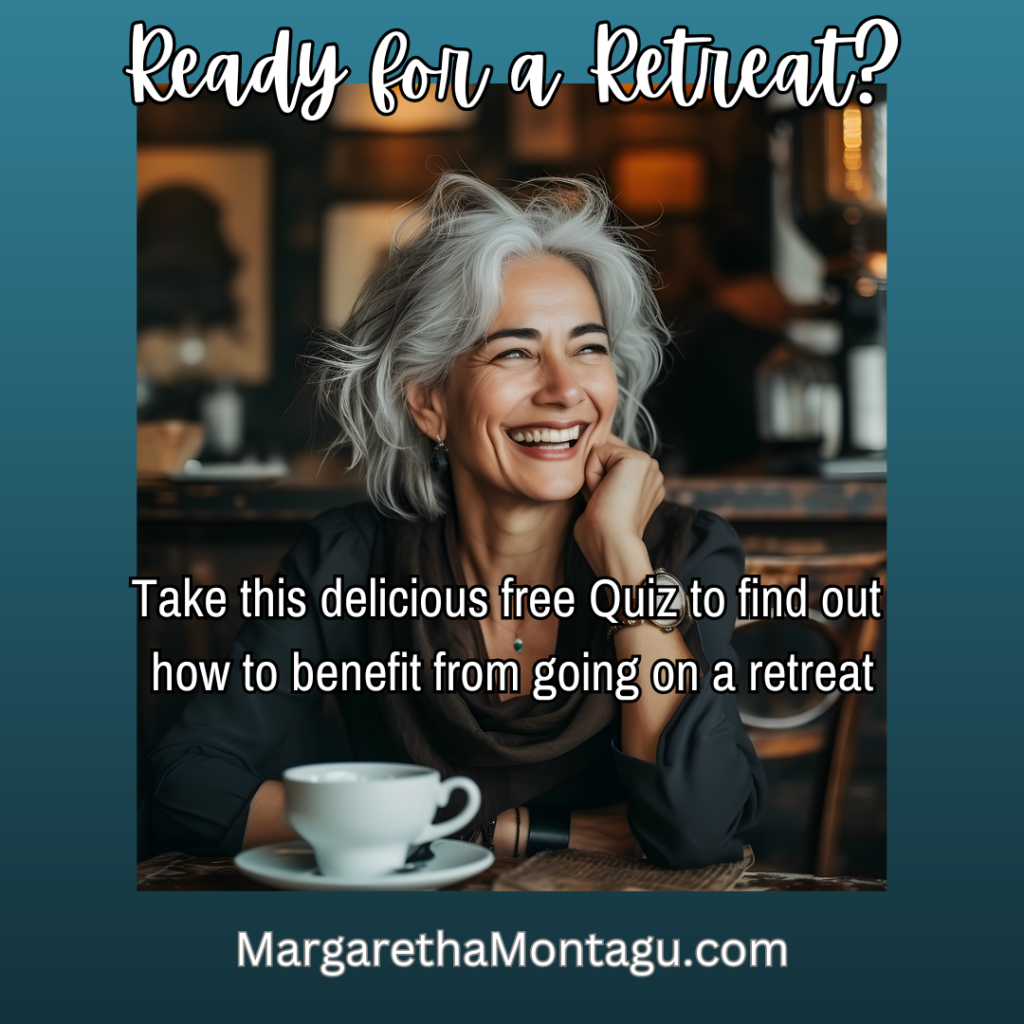
Do you dream of escaping your stressful life to raise a herd of goats or grow sunflowers in the south of France? Then you may be ready for an Esprit Meraki retreat. Get access to this “very serious” quiz to help you figure out how urgent your need for a change of scenery is, when you subscribe to my monthly newsletter.
It’s time to kick exhaustion to the curb and finally ditch that terminally overwhelmed feeling, evict your inner critic, declutter your mind and take control of your life like a boss. You’re about to turn your life from a comedy of errors into a blockbuster success story (with a much better soundtrack). This two-day online course is designed for anyone facing a major life transition, needing to dramatically reduce stress, end exhaustion and overwhelm, and prevent or recover from burnout.
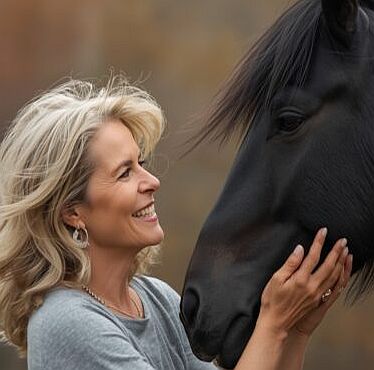
3-day/2-night Private “Press Pause” Nervous System Regulation Retreat –this bespoke, one-on-one retreat on the Camino de Santiago in the sun-blessed southwest of France enables you to press pause, connect with a small herd of Friesian and Falabella horses, recalibrate your inner compass, and return to your life rested, rooted and realigned with who you are now.
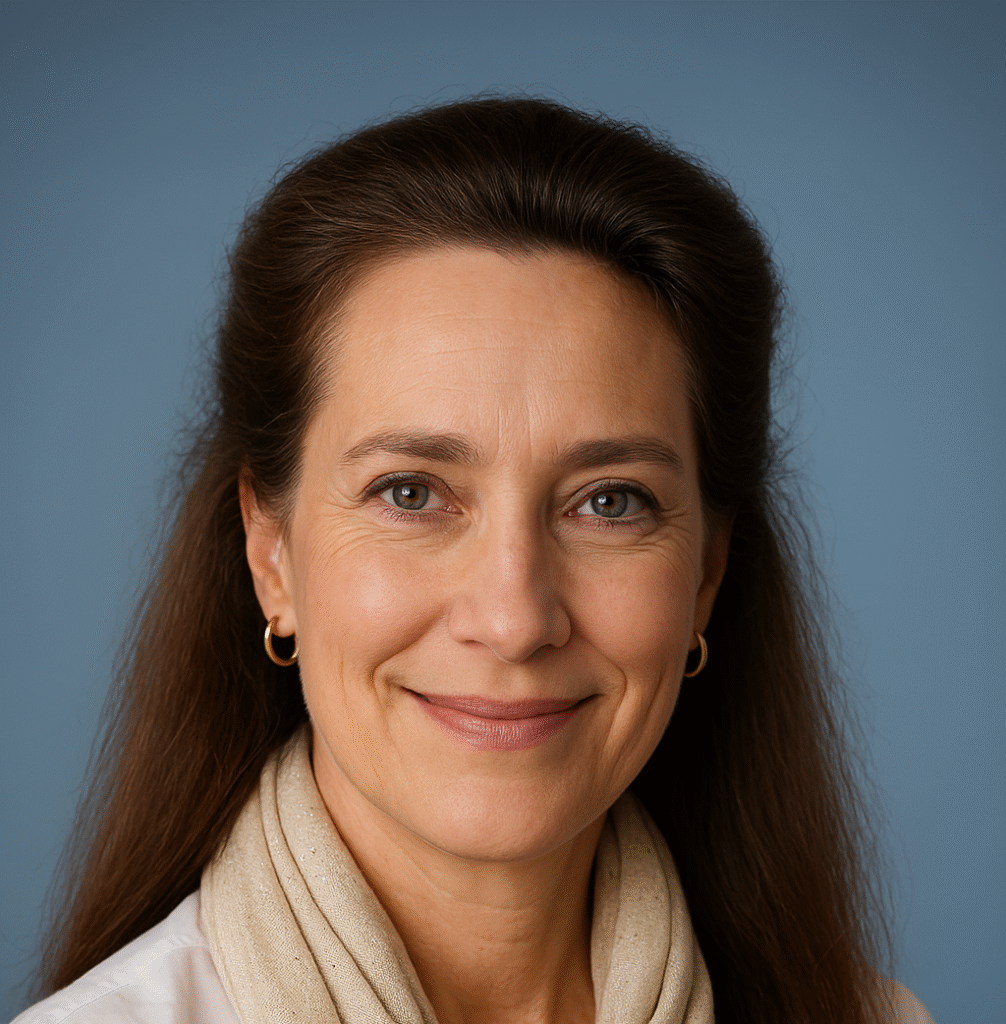
“I am an experienced medical doctor – MBChB, MRCGP, NLP master pract cert, Transformational Life Coach (dip.) Life Story Coach (cert.) Stress Counselling (cert.) Med Hypnotherapy (dip.) and EAGALA (cert.) I may have an impressive number of letters after my name, and more than three decades of professional experience, but what qualifies me to excel at what I do is my intuitive understanding of my clients’ difficulties and my extensive personal experience of managing major life changes using strategies I developed over many years.” Dr M Montagu