December 4, 2025 – 21 Days to Christmas
Today’s Story: Marie’s Wig Collection
For Harriet
The text arrives at 6:47 AM on December 10th: Chemo brain strikes again. Forgot to buy eggs. Also forgot what eggs are for. Send help.
By 7:15, there are four dozen eggs in Marie’s kitchen. Also: three different types of bread, two quiches (one still warm), a rotisserie chicken, and Lisa standing at the stove making scrambled eggs.
“You didn’t have to come,” Marie says from the doorway, her own head wrapped in the soft green scarf that Jen brought last week because it “matched her eyes and also her face when she’s nauseous.”
“I was already up,” Lisa lies. She wasn’t. Her hair is in a messy bun and she’s wearing inside-out leggings. “Besides, someone has to make sure you eat some real food.”
Marie shuffles to the table. Her slippers make a soft shushing sound against the hardwood. Everything feels both sharper these days—colours too bright, sounds too loud, but her own body somewhere far away, like she’s operating it by remote control.
Lisa slides eggs onto a plate. They’re perfect—soft, buttery, the way Marie’s mom used to make them. Marie’s throat tightens.
“Don’t you dare cry over eggs,” Lisa warns. “I have a reputation to maintain as someone who can’t cook.”
“These are really good.”
“I Googled it in your driveway. ‘Scrambled eggs for your friend who’s going through hell.'” Lisa sits down across from her.
Marie takes a bite. Her stomach, which has spent three days staging a revolution, cautiously accepts the offering.
“The group chat is losing it, by the way,” Lisa says, pulling out her phone. “Jen wants to know if we’re doing Christmas at your place or hers. Rachel sent seventeen ideas for ‘chemo-friendly holiday crafts,’ which is apparently a category that exists. And Sarah—” She pauses, scrolling. “Sarah wants to know if you’d rather talk about it or never mention it and just aggressively focus on normal things.”
“What did you tell them?”
“That you’d let us know when you knew.” Lisa looks up. “Will you? Let us know?”
Marie pushes eggs around her plate. Outside, someone’s car alarm is going off. The morning light coming through the window is thin and pale, the kind of winter light that makes everything look temporary.
“I don’t know what I need,” she admits. “Some days I want everyone here. Other days I want to crawl into a corner.”
“Okay. So we’ll figure it out as we go.” Lisa says it like it’s simple. Like Marie isn’t a burden with a rotating schedule of bad days and worse days. Like showing up at 7 AM to make scrambled eggs is just what you do.
By December 15th, there’s a system.
Monday, Wednesday, Friday: Lisa brings breakfast and sits with Marie during the morning nausea. They don’t talk much. Sometimes Lisa reads the news out loud. Sometimes they just sit.
Tuesday and Thursday: Jen comes after work with dinner and terrible reality TV. They watch home renovation shows and make fun of people’s design choices. Jen does a running commentary in different accents. Marie laughs until her ribs hurt, and it’s the first time hurting has felt good in weeks.
Saturday: Rachel arrives with craft supplies and chaos. Last week, they made ornaments out of salt dough. This week, she’s brought supplies for decorating gingerbread houses, except she forgot the gingerbread, and they end up building houses out of TUC crackers and icing. Marie’s collapses. Rachel declares it “architecturally honest.”
Sunday: Sarah takes Marie to appointments. Holds her hand as the needle goes in. Doesn’t flinch at the blood draws. Asks the doctors questions Marie’s too tired to ask. Takes notes in a little spiral notebook with a ginger cat on the front.
It’s not perfect. Some days, Marie cancels everythin,g and they let her be. Some days, someone says the wrong thing and Marie cries in the bathroom. Some days, the group chat goes quiet because nobody knows what to say.
But they keep showing up.
On December 23rd, Marie wakes up, and her pillow is covered in hair—the last of it finally letting go. She knew it was coming. The oncologist warned her. But knowing and seeing are different countries.
She texts the group chat: Houston, we have a situation.
Twenty minutes later, all four of them are in her bathroom. Rachel brought clippers. Jen brought champagne (sparkling cider for Marie). Lisa brought the wig collection—all five of them, lined up on the counter like a strange police lineup.
“We could do a ceremonial shaving,” Rachel suggests. “Very Britney Spears 2007.”
“Or we could just buzz it quick and move on,” Sarah offers, ever practical.
Marie looks at herself in the mirror. At her friends crowded into her tiny bathroom, still in their coats because they came so fast. At the wigs—blond, auburn, black, silver, and one truly unfortunate pink one they bought as a joke, but Marie secretly loves.
“Ceremonial,” she decides. “But skip the breakdown. I’m too tired for a full Britney moment.”
Lisa plugs in the clippers. The buzz fills the small space—mechanical, final, and somehow less scary than Marie imagined.
Rachel goes first, shaving one strip down the middle. “Mohawk phase!” she announces. Jen takes the next section. Then Sarah. Then Lisa. They’re laughing, and Marie’s crying, but it’s not sad crying. It’s something else—something that feels like a mix of surrender and relief.
When it’s done, Marie runs her hand over her bare scalp. It’s smooth. Strange. Hers.
“You look badass,” Jen says.
“You look like you could join a punk band,” Rachel adds.
“You look like you,” Sarah says quietly, and somehow that’s the one that lands.
Lisa picks up the pink wig and places it on Marie’s head with the solemnity of a coronation. “Your Majesty.”
They take seventeen selfies. Marie looks exhausted, ridiculous, surrounded by her support team. She posts one to Instagram with the caption: “Like my new hair”? The comments flood in within minutes.
That night, they eat Chinese takeout in Marie’s living room. Her tiny Christmas tree—decorated entirely with the salt dough ornaments they made—twinkles in the corner. Someone’s fortune cookie says “Better things are coming.” Marie doesn’t believe in fortune cookies, but she keeps the slip of paper anyway.
“Next year,” Jen says, sprawled on the floor, “we’re doing Christmas somewhere warm. Beach. Mimosas. No cancer.”
“Legally binding,” Rachel agrees.
Marie pulls the pink wig down lower. It’s itchy but perfect. Her friends are arguing now about whether Die Hard is a Christmas movie. The same argument they’ve had every December for six years.
Everything is different. Everything is the same.
She’s going to be okay. Not because the treatment is working—though it is. Not because she’s so brave—but because she has friends she can trust.
The Make Friends and Maintain Friendships Masterplan
In a season often marked by busy schedules and loud celebrations, there’s something beautifully grounding about quiet moments shared with friends. Sometimes, the best connections don’t need words.
Friends aren’t just the people we laugh with during the good times—they’re the ones who show up with scrambled eggs at dawn when we’ve forgotten what eggs are for, who sit in silence when words fail, who hold our hands through the unbearable and somehow make it bearable. During life’s hardest transitions—illness, loss, divorce, upheaval—friends become our infrastructure, the scaffolding that holds us upright when we can’t stand on our own. Those friendships don’t suddenly materialise in crisis; they’re built in the ordinary moments that come before, in the small, consistent acts of showing up, checking in, and staying connected even when life gets busy.
Nurturing friendships isn’t just about enriching our lives—it’s about building a network of love sturdy enough to catch us when we fall, and being strong enough to catch others when they do. We invest in friendships not because we expect catastrophe, but because we’re human, and being human means we’ll all face hard seasons eventually. When we do, we’ll need someone who knows us well enough to bring the right wig, ask the right questions, or simply sit beside us and say nothing at all. The friends we cultivate today become the lifeline we’ll need tomorrow, and the lifeline we can offer when someone else’s world falls apart.
| Today, show up consistently for someone going through a hard time—not just once, but again and again, even when it’s inconvenient. Worst case scenario: Your schedule gets complicated and you have to wake up early sometimes. Best case scenario: You become the person someone thinks of when they remember who helped them survive the hardest season of their life, and you learn that love isn’t just the big gestures—it’s scrambled eggs at 7 AM and sitting quietly through the bad days and showing up with clippers when life falls apart. |
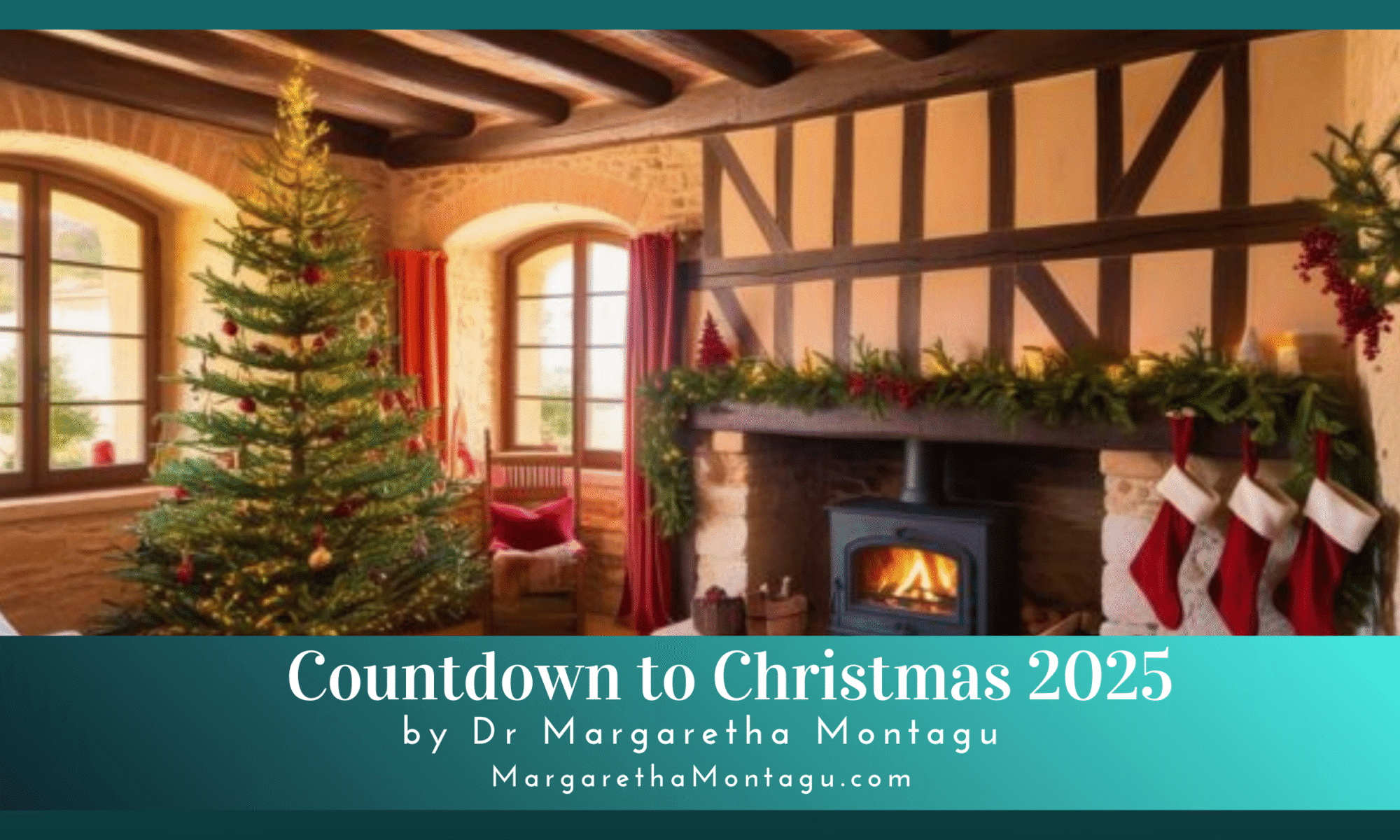
As my mission in life is to help people through difficult times, this Christmas Countdown Calendar is about making friends and maintaining friendships, because we all need our friends in times of trouble. I have created a set of light-hearted quizzes, quotes and questions to help you “Be the friend you’d like to have.” Would you like to find out what type of friend you are? How well do you know your friends? If you and a new friend are really compatible? Just fill in the form below, and you’ll get immediate access. I’ll also add you to my newsletter list, though you can unsubscribe from this list effortlessly and at any time. Included:
- How well do you know your Friends? Quiz
- What is Your Friendship Style? and Are your Friendship Styles compatible? Quiz
- 20 of the Most Inspiring Friends and Friendship Quotes and
- 20 lighthearted Questions you can ask to get to know a new Friend
Last Year’s Christmas Countdown Calendar post
Designed for those navigating a life transition, the Radical Renaissance Protocol guides you through an identity reset, helping you reconnect with your purpose, realign your values, and reclaim the clarity you thought you’d lost. This isn’t about fixing what’s broken: through reflection, strategic reinvention, and soul-anchored mentoring, you’ll transform uncertainty into direction and dormant potential into meaningful impact.

If your soul is craving fresh air, meaningful movement, and a chance to reconnect with nature, join us on a Camino de Santiago Crossroads Retreat in the southwest of France. This isn’t just a scenic hike – it’s a powerful, natural reboot for your body, mind, and spirit. Imagine quiet paths, rolling hills, cozy evenings, and slow conversations. No fitness requirements. No forced bonding. No pressure to have a breakthrough. Just one foot in front of the other, and a journey that meets you exactly where you are.
I put the essence of who I am, and everything I have experienced that makes me who I am, with great enthusiasm, into my retreats, courses and books. – Dr Margaretha Montagu (MBChB, MRCGP, NLP master pract (cert,) Transformational Life Coach (dip,) Life Story Coach (cert) Counselling (cert,) Med Hypnotherapy (dip) and EAGALA (cert)