
Coping with Life Changes, Challenges and Transitions Series
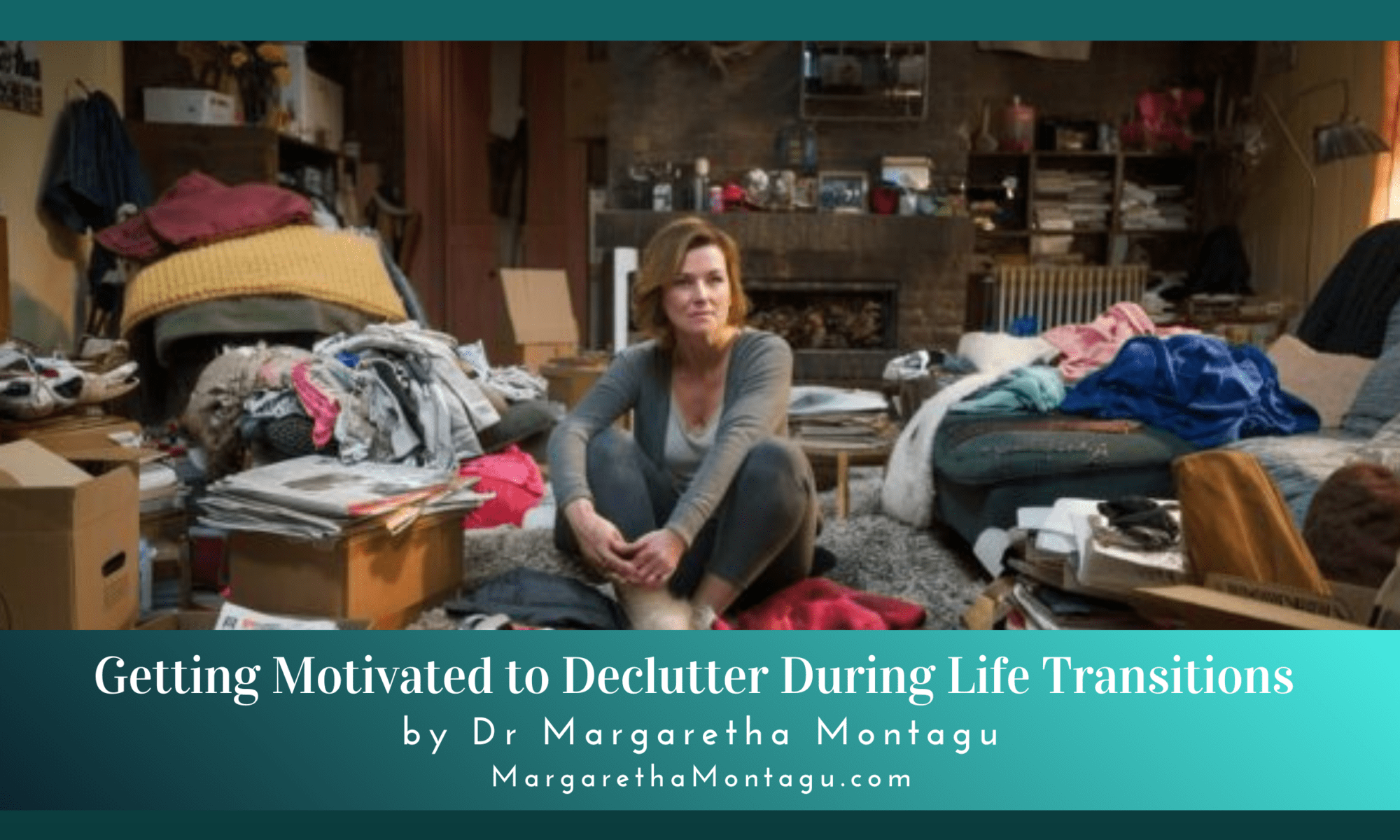
Theresa stood in the middle of her living room, surrounded by piles of paperwork from years gone by, dusty stacks of old newspapers and magazines, bulging boxes of “fat” clothes and “thin” clothes, some never worn, and an eclectic collection of thoughtless gifts.
After 20 years of living, or rather existing, in the same old house, a recent divorce had thrown her kicking-and-screaming, right into the middle of a debilitating life transition. She sneezed as she picked up a sticky photo album from a shelf, she realised it wasn’t just her failed marriage that she had to let go—it was the mountains of useless clutter that had silently accumulated over the years, and were now threatening to suffocate her.
I am no minimalist, but I have found that decluttering during a life transition, challenge of change, such as moving house, getting divorced, changing careers, losing someone you love or finding yourself with an empty nest, can be useful in more than one way. For one thing, life transitions often involve long waiting periods, and decluttering can give you something mood-lifting to do.
During a major life change, decluttering may seem like an impossible task to set yourself, to motivate and inspire you, read through the benefits listed below Theresa’s story.
The secret is to start small.
Theresa Tremaine’s Post-Divorce Declutter
Theresa didn’t wake up one morning and think, Today feels like a good day to dismantle my past. She simply opened a cupboard.
The avalanche of mismatched mugs, expired spices, and guilt-laden “I’ll fix this one day” projects told her what she already knew: life had shifted, and her home hadn’t caught up yet.
Theresa had survived a divorce: a life transition that doesn’t come with balloons or a congratulations card. It comes with questions. Big ones. Who am I now? What stays? What goes? Apparently, the contents of her junk drawer were eager to weigh in.
At first, decluttering felt practical. Sensible. Almost boring. But somewhere between donating clothes that no longer fit her body or her life, and recycling paperwork from a career chapter that was now firmly closed, something unexpected happened.
She felt lighter.
Each item she released was a tiny act of courage. Not dramatic courage—no cape required—but the steady, grounded kind. The kind that says, I trust myself enough to let go.
Theresa began to notice that some objects weighed far more emotionally than they ever did physically. A souvenir from a relationship that had run its course. A folder of plans for a future that never quite arrived. Releasing them wasn’t about being ruthless—it was about being honest.
As the shelves emptied, something else settled in. Her mind stopped racing. The silence wasn’t empty; it was spacious. There was time now—to breathe, to dream, to not have all the answers yet. Inviting her to imagine what might come next.
At the end, Theresa found one last box marked “Stuff to Decide Later.” She laughed out loud. She taped the box shut, added it to a dustbin bag and stepped back. Decluttering hadn’t given her a roadmap—but it had taught her this: courage isn’t about having certainty. It’s about trusting yourself enough to clear the path.
Decluttering during life transitions can:
(I have tried to order the benefits below according to their usefulness, starting with those that were useful to me. Everyone and every transition is different, you may find benefits at the bottom of this list at the top of yours!)
1. Reduce Stress: Clutter can make you feel anxious and overwhelmed, as a disorganised space often mirrors a chaotic mind.
2. Boost Mental Clarity: When your surroundings are free of unnecessary items, it’s easier to concentrate on the tasks at hand and make thoughtful decisions during a life transition.
3. Enhance Self-Awareness: Understanding why you’ve held onto certain items and recognising what you value can provide insights into your personality, preferences, and priorities.
4. Facilitate a Fresh Start: Clearing clutter helps you physically and symbolically make space for new opportunities, relationships, and experiences, enabling you to move forward and make a fresh start.
5. Increase Productivity: A tidy environment can significantly boost your productivity. Without the distraction of clutter, you can work more efficiently, whether you’re setting up a new home office, starting a new project, or simplifying your daily routine.
6. Promote Better Sleep: By removing unnecessary items and creating a peaceful sleeping environment, you enhance your ability to rest and recharge, which is crucial during times of change.
7. Improve Physical Health: The act of sorting, cleaning, and organising can be a form of physical activity. Additionally, reducing clutter can help minimise dust and allergens in your home, leading to a healthier living space.
8. Encourage Mindfulness: Deciding what to keep and what to discard, can be an excellent mindfulness exercise, as you concentrate on staying present in the moment and to not get lost in memories of the past or trapped by your fears for the future.
9. Save Time and Energy: A clutter-free home is easier to maintain and clean. By decluttering, you reduce the time and energy spent searching for items, cleaning around piles of stuff, and managing your space, allowing you to focus on more meaningful activities.
10. Letting go of items associated with past experiences can be emotionally liberating. Decluttering allows you to release the negative emotions tied to those items, paving the way for emotional healing and manifesting a new chapter in your life.
11. Create a Sense of Accomplishment: The process of decluttering, sorting, and organising can boost your confidence and motivate you to tackle other aspects of your life transition.
12. Enhance Creativity: Without the visual and mental distractions of clutter, your mind is free to explore new ideas and engage in creative thinking.
13. Increase Financial Stability: Selling unwanted items can generate extra income, and sometimes become a profitable side hustle or even main income. Additionally, being organised helps you avoid unnecessary purchases by knowing exactly what you have.
15. Cultivate Useful Habits: The practice of decluttering can lead to the development of better organisational habits. Maintaining a clutter-free space encourages regular tidying and mindful consumption, fostering long-term discipline and organisation.
16. Strengthen Relationships: A tidy, ordered home can improve relationships with those who live with you. It reduces conflicts over misplaced items and creates a more harmonious living environment.
17. Promote Decision-Making Skills: Decluttering requires making decisions about what to keep and what to let go of. This practice can enhance your decision-making skills, making it easier to make other important choices during life transitions.
18. Make your living space is more visually appealing: Creating an environment that reflects your style and preferences can boost your mood and make your home a more enjoyable place to live.
19. Decluttering helps you reduce the physical and emotional baggage you carry. Whether it’s an unexpected move, a new job, ta break up or a redundancy, being organised makes the process smoother and less overwhelming.
20. Increases Overall Happiness: Controlling your physical environment can positively impact your emotional well-being, making you feel empowered and at peace.
Frequently Asked Questions: Decluttering During Life Transitions
1. Why does decluttering feel so overwhelming during major life transitions?
Life transitions—whether moving, divorcing, retiring, or losing a loved one—already stretch our emotional and mental capacity. When you add the physical task of sorting through belongings, you’re not just organising objects; you’re processing memories, identity, and change all at once. Each item you encounter can trigger emotions or decisions about who you were versus who you’re becoming. The overwhelm is completely normal because you’re essentially doing psychological work disguised as physical work. To manage this, break the process into very small chunks (one drawer, not one room), give yourself permission to take breaks when emotions surface, and remember that decluttering during transitions isn’t about perfection—it’s about creating space for your next chapter. Consider enlisting a supportive friend or professional organiser who can provide both practical help and emotional steadiness during the process.
2. How do I decide what to keep when everything feels emotionally charged?
During transitions, nearly everything can feel meaningful because you’re in a heightened emotional state. Start by identifying your non-negotiables—items that truly represent who you are or want to become, not who you were obligated to be. Ask yourself: “Does this item support the life I’m moving toward?” rather than “Does this remind me of the past?” For particularly difficult decisions, use the “maybe box” method—pack uncertain items away for three to six months. If you don’t think about or need them during that time, you have your answer. Also, recognise that photographs can preserve memories without requiring you to keep the physical object itself. You might photograph your child’s artwork, your grandmother’s china pattern, or that college t-shirt before letting the item go. The memory remains accessible without the storage burden. Finally, remember that keeping everything honors nothing—by being selective, you elevate the items you do keep to their rightful significance.
3. What’s the best way to start decluttering when facing a major move or downsizing?
Begin with the easiest category first, not the hardest. Many people make the mistake of starting with emotionally laden items like photos or heirlooms, which leads to immediate paralysis. Instead, start with something straightforward like expired pantry items, old magazines, or duplicate kitchen tools. These quick wins build momentum and confidence. Next, measure your new space if possible and create a realistic floor plan to understand what will actually fit. This transforms decluttering from an abstract emotional task into a concrete spatial puzzle. Work room by room, completing each space fully before moving to the next—seeing finished areas motivates you to continue. Use the four-box method: keep, donate, sell, and trash. Be honest about what you’ll realistically use in your new situation. That bread maker you haven’t touched in five years is unlikely to suddenly become essential. Finally, schedule decluttering sessions for times when you have good energy, not late at night when decision fatigue sets in.
4. How can I let go of items connected to my old identity without losing myself?
This question gets to the heart of why decluttering during transitions feels so profound. Your belongings have represented who you were—the musician, the athlete, the corporate professional, the parent of young children. Releasing them can feel like erasing that identity. The truth is, your identity lives in you, not in your things. The guitarist you were doesn’t disappear when you sell the guitar you no longer play; that experience shaped who you are today. Reframe decluttering as making room for growth rather than loss. Keep a carefully curated selection of items that genuinely honour your past—perhaps one or two truly meaningful pieces per life chapter. Consider creating a memory box for each major phase: not everything from that phase, but the most significant representations. Some people find it helpful to write about their relationship with items before releasing them, essentially journaling the meaning so it’s not lost even when the object is gone. Remember too that some identities need to be released to make space for new ones. Holding onto every version of yourself creates a cluttered life with no room for evolution.
5. What should I do with sentimental items that nobody else wants or values?
This is one of the most painful aspects of decluttering during transitions, especially after losing a loved one or when adult children don’t want family heirlooms. First, accept that emotional value and practical value are different things, and that’s okay. Your grandmother’s china set was precious in her era and meaningful to you because of her, but your children live different lives with different needs. Their lack of interest doesn’t diminish your memories or the love your grandmother had. You have several options: Keep only the most meaningful pieces rather than entire sets—perhaps one teacup that you actually use for coffee on quiet mornings. Photograph collections before donating them, creating a digital record. Repurpose items creatively: turn a wedding dress into christening gowns, frame sections of vintage linens as art, or transform jewellery into new pieces you’ll actually wear. Consider whether museums, historical societies, or speciality collectors might value items with genuine historical significance. Finally, donate thoughtfully to places where items will be used and appreciated—vintage dishes to someone setting up their first apartment, books to little free libraries, tools to vocational programs. The items continue their story even if not within your family, and sometimes that’s the most honourable choice of all.
Conclusion
With each item Theresa decided to discard, she felt a weight lift off her shoulders. The process wasn’t just about tidying up; it was about making space for new opportunities. In the midst of her life transition, getting rid of the clutter became a powerful act of reclaiming her life, her freedom, and her future.
Decluttering during life transitions is more than just tidying up; it’s a transformative process that can significantly impact your mental, emotional, and physical well-being. For Theresa, it was a journey of emotional release, mental clarity, and personal empowerment. By embracing the process of getting rid of clutter, you can not only create a more restful living space but also pave the way for a smoother, more positive transition into the next chapter of your life. Whether it’s enhancing creativity, supporting financial well-being, or preparing for future changes, the benefits of decluttering are profound, long-lasting and far-reaching.
A clutter-free environment can be a key factor in successfully managing a life transition.
« In any given moment we have two options: to step forward into growth or step back into safety.” — Abraham Maslow
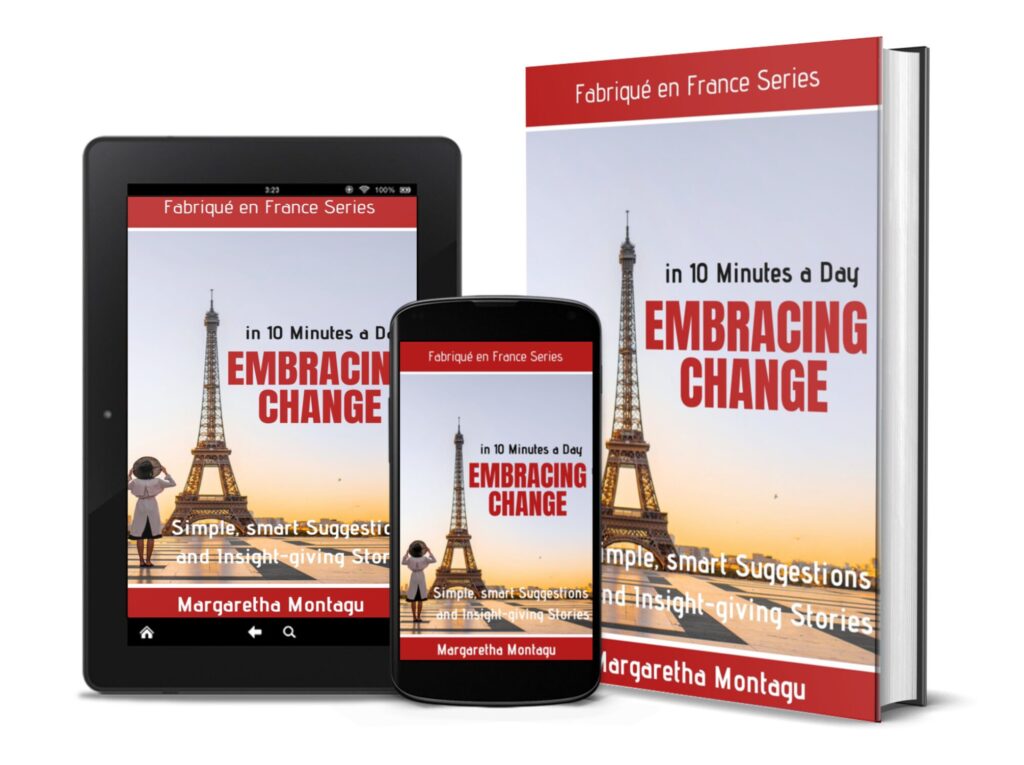
If you are currently facing a major life transition or any other dramatic change in your circumstances, and you have no idea how you are going to cope, the good news is that the strategy presented in this book can help you, step by step, to improve your ability to handle the stress caused by change, even if you feel entirely powerless at the moment.

Private Breakup and Divorce Recovery Retreat -this 2-day/2-night, bespoke, one-on-one break-up and divorce retreat on the Camino de Santiago in the sun-blessed southwest of France enables you to press pause, recalibrate your inner compass, and return to your life with more purpose, intention, and clarity.
Designed for those navigating a life transition, the Radical Renaissance Protocol guides you through an identity reset, helping you reconnect with your purpose, realign your values, and reclaim the clarity you thought you’d lost. This isn’t about fixing what’s broken: through reflection, strategic reinvention, and soul-anchored mentoring, you’ll transform uncertainty into direction and dormant potential into meaningful impact.

Firm Foundations for Your Future Protocol – a fast-paced, high-impact, future-focused course that facilitates the construction of identity-shaping stories about your future self so that you can make the changes needed to avoid having to go through big life changes again and again—without needing to process your past in depth and in detail.

In addition to the Camino de Santiago retreats that I host at my little French farm southwest of Bordeaux, I have also created 7 online courses, ex. The Purpose Protocols, The Roadmap to Resilience – from Burnout to Brilliance Protocol and The Change Careers without Starting from Scratch – each course is available with or without one-to-one support. To stay in contact, I invite you to subscribe to my newsletter, you’ll get immediate access to my free life crisis quiz.