
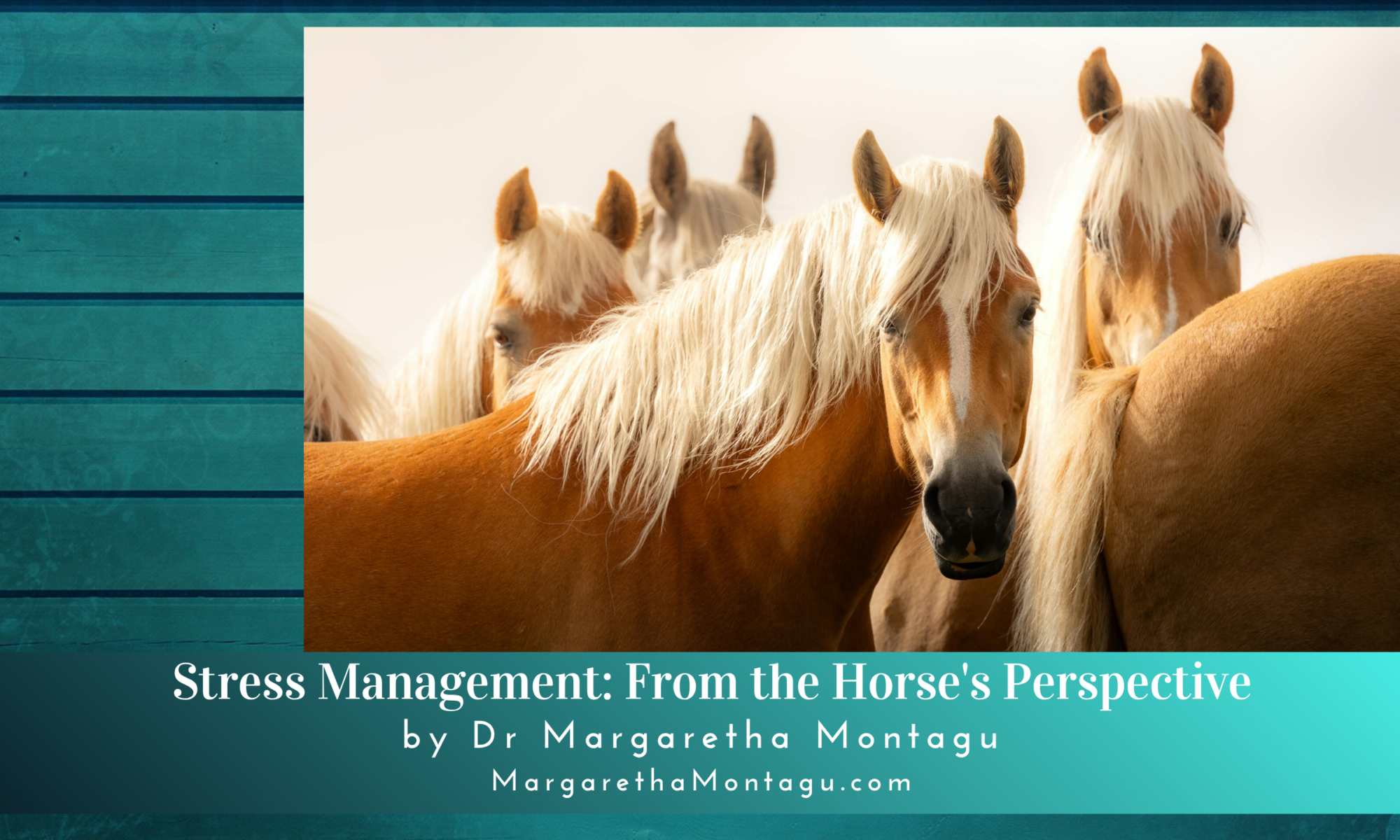
A strange thing happens when you lean your forehead against a horse’s shoulder. I didn’t fully appreciate the stress management effect until a guest, a cardiologist, of all people, told me she could feel her own heart rate drop within about ninety seconds of standing next to Valentino. She wasn’t being poetic. She was, quite literally, timing it.
I wish I could say I discovered this through careful research. I didn’t. For years I walked out to the paddock mid-meltdown, phone still buzzing in my pocket, jaw clenched from some email I hadn’t yet answered, and found that by the time I’d stood next to Valentino for a few minutes, the meltdown had, somewhat revealingly, lost its momentum. Revealing because it’s much harder to stay righteously stressed about something once your body has quietly decided to calm down without giving you advance notice.
The Slow Living Horse
Valentino has a stillness the other horses don’t quite have. He’s not serene, exactly. He’ll still trot the fence line if something interesting happens two fields over, but his baseline is calm in a way that seems to be contagious. Stand next to him for five minutes, and you’ll notice your shoulders relax around minute two, usually without your conscious involvement.
For a long time, I assumed this was just a good feeling, the sort of thing you’d call “grounding” without examining it too closely. But the research on this is more concrete than the wellness-industry language around it would suggest. A systematic review of equine-assisted therapeutic activities found that nearly all the studies reviewed reported a favourable effect on participant heart rate variability, with the activities encouraging a relaxed state by engaging the parasympathetic nervous system, the part of your nervous system responsible for calming you back down after stress, rather than keeping you braced for it. Separate research on veterans with PTSD found that heart rate measured lower during time spent interacting with horses, even when other stress markers didn’t move as dramatically.
Why We’re So Bad at Stress Management
Here’s the frustrating part: nothing about what Valentino does is complicated. He breathes slowly. He’s not rushing anywhere. He’s not holding three unfinished conversations in his head while pretending to be present for a fourth. And somehow, my own nervous system, sophisticated, evolved, allegedly in charge, takes its cues from his simple, unhurried breathing faster than it ever takes them from my own intention to “just relax.”
I think this is because most of us try to calm down using our minds, which is a bit like trying to fix a flooding bathroom by reasoning with the tap. We tell ourselves to relax, we recite the logic of why the stress isn’t warranted, we make lists of reasons everything is fine, and none of it touches the actual physiological alarm bell that’s ringing underneath. Conscious breathing works for the same reason standing next to Valentino works: it bypasses the argument entirely and goes straight to the body. A slow exhale, deliberately longer than the inhale, does mechanically what a calm horse does simply by existing near you: it nudges the nervous system out of alert mode without requiring you to first win an internal debate about whether you’re allowed to feel calm or not.
I spent two decades in medicine watching people, myself included, try to think their way out of a stress response. It was never going to work through. It only works through the body, through breath, through stillness, through something slower nearby that the nervous system can access.
Borrowing Someone Else’s Calm
You don’t need a horse for this, though I’ll admit having one helps enormously. What you need is the same principle: something outside your own frantic pace that your body can match itself to. A slow four-count breath. A walk with no destination. Five minutes near something, a person, a pet, a patch of quiet, that isn’t in a hurry.
The mistake most of us make is waiting until we’re already overwhelmed to try this, at which point it feels almost insulting, like being told to calm down mid-panic. It works far better as a small, repeated habit rather than an emergency measure, the same way Valentino isn’t calm because he practised being calm in a crisis. He’s calm because unhurried is simply his baseline, maintained daily, long before any particular stress arrives.
That’s really the whole practice. Not eliminating stress, which isn’t realistic for any of us with functioning lives. Just building in small, regular moments where your body gets to remember what unhurried feels like, so it has somewhere to return to when things do get loud.
Come and meet Valentino
If your version of stress management needs an update, it might not require becoming someone who meditates for an hour each morning before sunrise. A few days here, near horses who have absolutely no interest in your deadlines, tends to do more for a nervous system than most techniques I could describe to you in writing. Come find out for yourself. Valentino keeps his schedule refreshingly open.
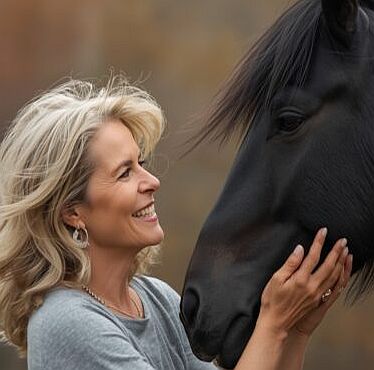
3-day/2-night Private “Press Pause” Retreat –this bespoke, one-on-one retreat on the Camino de Santiago in the sun-blessed southwest of France enables you to press pause, connect with a small herd of Friesian and Falabella horses, recalibrate your inner compass, and return to your life rested, rooted and realigned with who you are now.
© Dr. Margaretha Montagu, Esprit Meraki
Reference: The Effects of Equine Assisted Therapy on Plasma Cortisol and Oxytocin Concentrations and Heart Rate Variability in Horses and Measures of Symptoms of Post-Traumatic Stress Disorder in Veterans. ScienceDirect (published Feb 2018). View
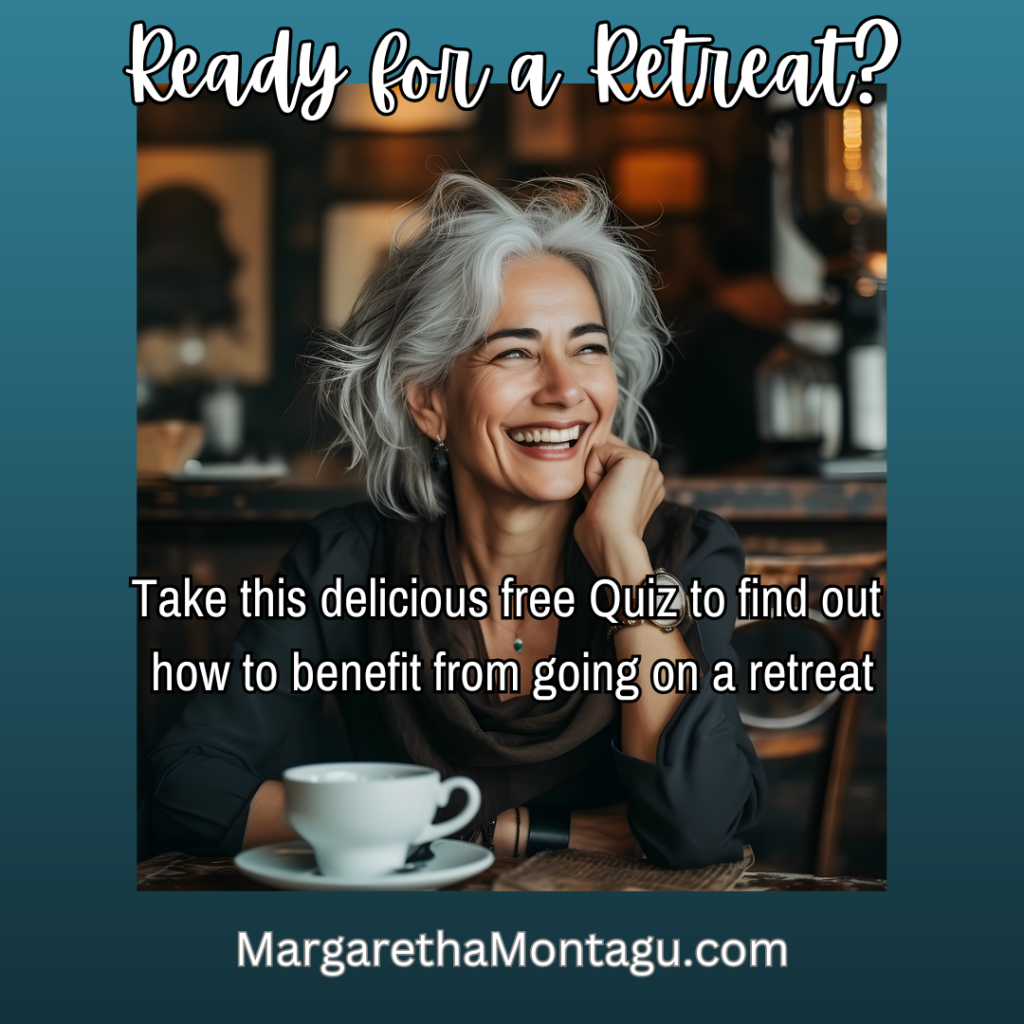
Do you dream of escaping your stressful life to raise a herd of goats or grow sunflowers in the south of France? Then you may be ready for an Esprit Meraki retreat. Get access to this “very serious” quiz to help you figure out how urgent your need for a change of scenery is, when you subscribe to my monthly newsletter.
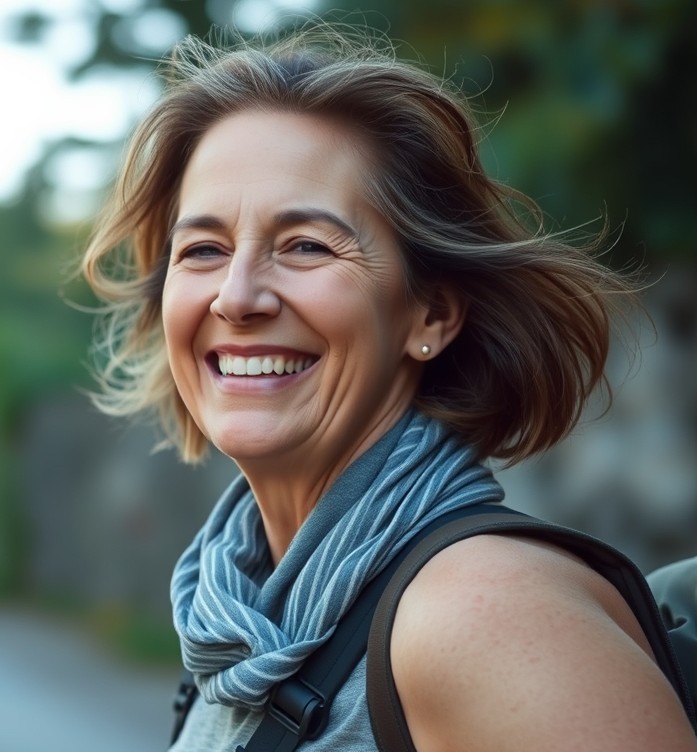
5-day/4-night “Press Pause” Camino de Santiago Walking Retreat – If your soul is craving fresh air, meaningful movement, and a chance to reconnect with nature and connect with horses, join me on a powerful, natural reboot for your body, mind, and spirit. Same content as the 3-day retreat, spread over 5 days. And an extra day of walking. No extreme fitness requirements. No forced bonding. No pressure to have a breakthrough. For one or two guests travelling together.

Author Bio: Dr Margaretha Montagu – described as a “game changer”, “gifted healer”, “guiding light” and “life-enriching author” – is an experienced medical doctor, a certified NLP practitioner, a medical hypnotherapist, an equine-assisted psychotherapist (EAGALAcertified) and a transformational retreat leader who guides her clients through life transitions – virtually, or with the assistance of her Friesian and Falabella horses, at their home in the southwest of France.