
The neuroscience of uncertainty, decision fatigue and emotional overload.
One of the most common questions I hear from people struggling through a major life change is: “Why am I so tired all the time?”
Not the sort of tired that disappears after a good night’s sleep.
This is different.
It’s the kind of exhaustion that makes replying to an email feel like climbing a mountain. The sort that leaves you staring into the fridge, unable to remember why you opened it. The sort that has you wondering whether you’ve lost the plot.
You’ve not.
In fact, your exhaustion may be one of the most normal responses to an abnormal situation.
When life changes dramatically, we tend to focus on the obvious losses: the relationship, the career, the home, the financial security or the future we had imagined.
What we don’t notice is the invisible workload our brain has suddenly taken on.
Every day, your mind is trying to answer hundreds of questions it never had to think about before.
What happens next?
Did I make the right decision?
Can I afford this?
Who am I now?
What if things never get any better?
Should I stay?
Should I leave?
Should I start again?
Even making ordinary decisions can become unexpectedly difficult.
Tea or coffee?
Reply now or later?
Go for a walk or stay at home?
None of these choices are particularly important on their own, but together they create something psychologists call decision fatigue. Every decision uses mental energy. When uncertainty becomes your status quo, your brain has far more decisions to process than usual.
It’s rather like leaving dozens of apps running on your phone all at once.
Eventually, the battery drains.
Your brain works in much the same way.
Even as a doctor, I’ve been fascinated by how closely our minds and bodies work together. Emotional stress isn’t “just in your head”. Your body responds as though it has detected a physical threat. Stress hormones increase. Sleep becomes lighter. Concentration suffers. Your nervous system remains on high alert, even while you’re sitting quietly on the sofa.
No wonder you’re exhausted.
Then there’s another, often overlooked, source of tiredness.
Uncertainty.
Human beings generally cope better with bad news than with endless uncertainty. At least bad news gives us something concrete to deal with. Uncertainty keeps the mind endlessly rehearsing possible futures, searching for answers that simply don’t exist yet.
It’s mentally draining.
This is one reason I encourage people not to make every important decision immediately after a LifeQuake. When your internal battery is running low, even making sensible choices can feel too demanding.
Instead, begin by conserving your energy.
You don’t have to solve your entire future this week.
You only need to decide what the next good step might be.
That might mean making one phone call.
Having one honest conversation.
Walking for half an hour without your phone.
Writing down the worries circling endlessly in your mind.
Or simply allowing yourself an afternoon without feeling guilty for resting.
We live in a culture that treats rest as a reward for productivity.
Nature tells a different story.
Winter isn’t just rest, it’s preparation.
Seeds spend months hidden beneath the soil before anyone sees evidence of growth. Trees appear lifeless for months before fresh leaves emerge in spring. The quiet season isn’t empty. It’s essential.
Perhaps you’re in one of those seasons too.
Your tiredness doesn’t necessarily mean you’re falling behind.
It may simply mean your mind and body are doing the extraordinary work of adapting to a life you never expected to be living.
That work is largely invisible. But invisible doesn’t mean unimportant.
So, if today all you managed to do was make yourself a cup of tea, take the dog for a walk, or simply get out of bed when everything inside you wanted to stay under the duvet, don’t dismiss it.
Recovery isn’t measured only by dramatic breakthroughs.
More often, it’s measured by small acts of courage repeated day after day.
One quiet step. Then another. Until, almost without noticing, you realise you’re no longer just surviving the storm.
You’re learning how to remain standing in it.
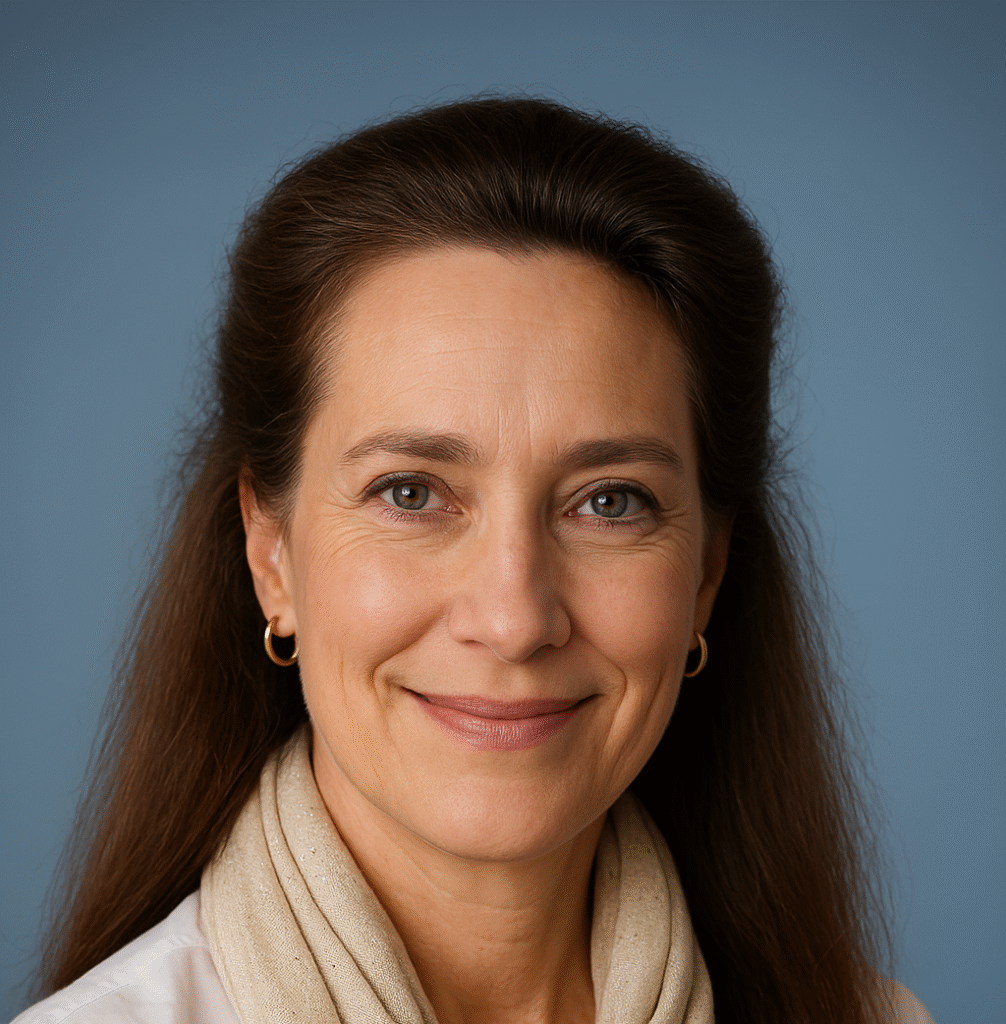
Author Bio: Dr Margaretha Montagu – described as a “game changer”, “gifted healer”, “guiding light” and “life-enriching author” – is an experienced medical doctor, a certified NLP practitioner, a medical hypnotherapist, an equine-assisted psychotherapist (EAGALAcertified) and a transformational retreat leader who guides her clients through life transitions – virtually, or with the assistance of her Friesian and Falabella horses, at their home in the southwest of France.

If your soul is craving fresh air, meaningful movement, and a chance to reconnect with nature, join us on a CrossRoads Camino de Santiago Walking Retreat – a powerful, natural reboot for your body, mind, and spirit. No fitness requirements. No forced bonding. No pressure to have a breakthrough. Just one foot in front of the other, and finding your way to a brighter future.
Do you dream of escaping your stressful life to raise a herd of goats or grow sunflowers in the south of France? Then you may be ready for an Esprit Meraki retreat. Get access to this “very serious” quiz to help you figure out how urgent your need for a change of scenery is, when you subscribe to my monthly newsletter.