
Retreats During Life Transitions: Escape Route or Expensive Mistake?
What this is: A straight-talking exploration of whether booking that getaway during your divorce, career crisis, or major life upheaval is genuine self-care or just really expensive avoidance. Spoiler: it depends entirely on why you’re going.
What this isn’t: A guilt trip about deserving a break or a prescription for what you “should” do. This isn’t about whether you need rest (you do), it’s about whether a holiday will actually give you what you’re hoping for.
Read this if: You’re tempted to book flights while your life is in flux and you’re wondering if you’re running toward something or away from something. Or if you’ve already returned from a holiday feeling more confused than when you left.
Why Your Mid-Crisis Retreat Could Be the Best (or Worst) Decision You’ll Make
5 Key Takeaways
Going on Retreat While Your Life Falls Apart: Strategic Move or Self-Sabotage?
- The “why” matters infinitely more than the “where” – Your intention determines whether a holiday becomes transformational or just postpones the inevitable reckoning.
- Timing isn’t about calendar dates – It’s about your internal readiness to either process or pause, and knowing which you genuinely need right now.
- Not all getaways are created equal – A boozy resort week hits differently than a walking retreat, and your transition stage determines which serves you better.
- The person you’re running from has your boarding pass – You can’t outrun your thoughts, but you can choose environments that help you think better ones.
- Strategic rest isn’t the same as strategic avoidance – Learning to tell the difference might be the most valuable skill you develop this year.
Introduction: The £3,000 Question
With one eye still on last year’s retreat season and what it taught me, and the other on next year’s season, I’m planning to go on a retreat of my own: one that will involve two 12-hour flights and a serious financial investment.
Only natural to think carefully about why I’m going on this retreat: to recharge my batteries, obviously, to get inspiration for the next season’s retreats, and…yes, to process the current life transition I’m going through at the moment.
I’ve watched this particular scenario play out dozens of times over nearly two decades of hosting transformational retreats: someone books a holiday three weeks after their world implodes, convinced that a change of scenery will provide the clarity they’re desperately seeking. Sometimes it does. Often, all they have done is to purchase an expensive delay.
How will I avoid this happening to me?
The real question isn’t whether you should go on holiday during a life transition. It’s whether you’re seeking the kind of rest that restores or the kind that merely distracts. Because here’s what twenty years as a physician and retreat host has taught me: your crisis has already packed its bags, and it’s coming with you.
To avoid the distraction trap, I’m planning to mindfully make the most of every moment, and to record all insights as they appear, by doing a series of stories, as I did in December, with my 24 Advent stories.
So before you cancel those flights, know this: done intentionally, a holiday during a transition, no matter how radical, can be the pause that changes everything. The trick is knowing the difference between running away and making your way mindfully toward.
The Woman Who Fled to Bali (And Found Herself)
Emma Richardson had been staring at her laptop screen for forty-seven minutes, cursor blinking mockingly in a blank email, when she finally snapped it shut and opened a travel website instead.
Three months earlier, her husband had moved out. Two months earlier, she’d been made redundant. Six weeks earlier, her mother had been diagnosed with early-onset dementia. The universe, it seemed, had decided to reorganise her entire life in one brutal quarter, leaving Emma standing in the wreckage of every certainty she’d carefully constructed over fifteen years.
The Bali retreat looked perfect. Yoga at sunrise. Meditation at sunset. Organic food, whatever that meant. The photographs showed women in flowing linen, laughing over coconut bowls, looking exactly like people whose lives hadn’t recently detonated. Emma’s credit card was out before she’d consciously decided.
Her sister’s reaction was immediate: “You’re running away.”
“I’m taking care of myself,” Emma shot back, defensive in that way that proves the other person has hit raw bone.
The flight was interminable. Emma watched three films without registering a single plot point, her mind circling the same anxious loop: what should she do about work, about Martin, about her mother’s care, about the fact that she was thirty-nine and suddenly had no idea who she was anymore.
Bali was gorgeous. Objectively, undeniably gorgeous. The yoga shala overlooked rice terraces that shimmered in the morning light. The food was extraordinary. Her room smelled of frangipani and sandalwood.
And Emma? Emma felt absolutely nothing.
Well, not nothing. She felt guilty for spending money she couldn’t afford. Anxious about the emails piling up. Terrified that she’d return home in two weeks exactly as lost as when she’d left, only poorer and more stressed.
On the third morning, she skipped yoga. Instead, she sat on her balcony with terrible instant coffee and finally let herself cry. Properly. The kind of crying that sounds like an animal and leaves you wrung out and strangely clean.
The retreat facilitator, a woman named Ketut with unsettling intuitive accuracy, found her there an hour later.
“Maybe you needed to fall apart somewhere safe,” Ketut said simply, settling into the chair beside her without asking permission. “Your home has too many ghosts right now. Here, you can break without an audience.”
Emma hadn’t thought of it that way. She’d been so busy feeling guilty about “running away” that she hadn’t noticed what she’d actually done: given herself permission to collapse somewhere she wouldn’t have to immediately reassemble for other people’s comfort.
Over the next ten days, something shifted. Not dramatically. Not like the books promised. But Emma started walking the rice paddies each morning, letting her mind unspool without trying to fix anything. She journaled without editing. She told her story in the evening circles without apologising for taking up space.
She didn’t return home with answers. But she returned with something more valuable: the realisation that she didn’t need to have answers yet. That this transition was happening to her, yes, but also through her, and there was a difference.
Six months later, Emma would tell me she’d needed that holiday precisely because it wasn’t an escape. It was a controlled environment to stop performing competence and start processing reality. The Bali retreat hadn’t fixed anything. It had given her space to stop trying to fix everything and start feeling it instead.
Why Holidays During Transitions Are Trickier Than You Think
The question of whether to take a holiday during a major life transition isn’t actually about holidays at all. It’s about what we’re asking that holiday to do for us, and whether our expectations align with reality.
As both a physician who spent two decades working with stressed patients and someone who has hosted transformational retreats on the Camino de Santiago for the same length of time, I’ve seen every variation of this scenario. I’ve watched people book holidays as elaborate avoidance mechanisms. I’ve also watched people use intentional getaways as the catalyst for genuine transformation. The difference isn’t in the destination, the duration, or even the cost. It’s in the intention and, crucially, in the timing.
This is what I want to do during this retreat.
Here’s what most people don’t realise: life transitions operate on their own timeline, and that timeline rarely cooperates with our holiday calendar. The acute crisis phase, that initial period where everything feels raw and rough, isn’t when most people can actually absorb the benefits of a restorative break. Your nervous system is in survival mode. You’re not thinking clearly. You’re making decisions from a place of pain rather than clarity.
This is when retreats become expensive forms of numbing. You’re physically somewhere beautiful while mentally still trapped in the disaster you left behind. Worse, you’ve now added guilt about not being able to “enjoy yourself” or “make the most of it” to your already considerable emotional load.
But there’s a sweet spot, usually three to six months into a transition (though this varies wildly based on the nature of the crisis and can be as long as 5 years, or more), where strategic rest becomes transformative. You’ve survived the initial impact. You’re no longer in pure survival mode. You have just enough emotional bandwidth to actually process rather than merely react. This is when the right kind of getaway can offer profound insights.
The keyword being “right.” A week at an all-inclusive resort where you anaesthetise your feelings with alcohol and avoid all introspection will feel good in the moment and terrible on the flight home. But a retreat that offers structure, gentle guidance, and space for reflection, like the storytelling circles we facilitate in my Camino de Santiago Crossroads retreats, can help you metabolise your experience in ways that staying home simply won’t allow.
Your environment shapes your thinking more than you realise. Sometimes you need distance from your regular life, not to escape it but to see it clearly. Your home is full of triggers and reminders and responsibilities that keep you in familiar patterns. A new environment interrupts those patterns, creating space for new thoughts to emerge.
This isn’t just feel-good psychology. This is about how your brain processes trauma and change. You need both activation (engaging with your difficult feelings) and rest (stepping back from constant crisis management). Most people only give themselves one or the other. The magic happens when you create conditions for both.
A well-timed, intentionally chosen holiday during a life transition can be the pause that allows integration. It can be the space where you finally grieve what’s ending and start imagining what’s beginning. It can be where you remember that you’re still you, even when everything around you has changed.
But it only works if you’re honest about what you’re actually seeking. And that requires asking yourself some uncomfortable questions before you book anything.
Five Critical Mistakes to Avoid
1. Booking in the Eye of the Storm
The absolute worst time to book a holiday is in the first shock of crisis. I don’t care how good the deal is or how much you “need to get away.” Your judgment is compromised. Your nervous system is dysregulated. Wait. Let the dust settle slightly. Give yourself at least six to eight weeks from the initial crisis before making major holiday decisions. The exception? If someone else is organising it for you and all you have to do is show up. Sometimes being held by others’ planning is exactly what you need.
2. Choosing Destinations That Require Peak Mental Energy
Now is not the time for that complex itinerary through five countries with multiple connections and logistical challenges. Your cognitive capacity is already stretched. Choose simple. Choose direct flights. Choose places where someone else handles the details. This isn’t about lacking adventure; it’s about conserving your limited resources for actual healing rather than travel logistics.
3. Going Solo When You Need Witnesses (or Vice Versa)
Some transitions require solitude to process. Others require community to witness and validate your experience. Knowing which you need is crucial. If you’re someone who processes by talking and you book a silent solo retreat, you’ll feel more isolated. If you’re someone who needs quiet internal space and you book a group tour, you’ll feel invaded. Be brutally honest about your actual needs, not what you think you should need.
4. Expecting the Holiday to Fix You
This is the biggest trap. You cannot outsource your healing to a location. Bali will not solve your divorce. The Maldives will not cure your career crisis. These places can provide supportive environments for you to work on yourself, but they cannot do the work for you. If you’re going on holiday expecting to return “fixed,” you’re setting yourself up for profound disappointment. Go to rest, to reflect, to process. Don’t go expecting alchemy.
5. Returning Without Integration Time
This mistake happens on the back end. You have a profound experience on your holiday, gain real insights, feel genuinely restored, and then land back home and immediately dive back into the chaos with no buffer. Schedule at least two days between returning home and resuming normal responsibilities. Give yourself time to integrate what you’ve learned before the default patterns reassert themselves. Otherwise, that expensive wisdom evaporates within forty-eight hours.
A Simple Intention-Setting Exercise
Before you book anything, try this:
Find a quiet space. Close your eyes. Take three deep breaths.
Now ask yourself: “What am I hoping this holiday will give me?”
Write down the first five things that come to mind. Don’t edit. Be honest.
Look at your list. For each item, ask: “Can a holiday actually provide this, or am I asking it to do something it cannot do?”
For example:
- “I want to feel rested” → A retreat can provide this.
- “I want to know what to do about my marriage” → A basic retreat probably cannot provide this, but it might provide space to think more clearly about it. A relationship-themed retreat might be more useful.
- “I want to feel like myself again” → A retreat cannot restore your old self, but it might help you start discovering your new self.
Now, ask yourself one final question: “What do I need to bring with me to make this journey worthwhile?”
This might be a journal. A willingness to be uncomfortable. Permission to do absolutely nothing. An openness to meeting new people. Whatever it is, name it. Write it down. Pack it alongside your swimsuit.
This simple practice can be the difference between a retreat that serves you and one that disappoints you.
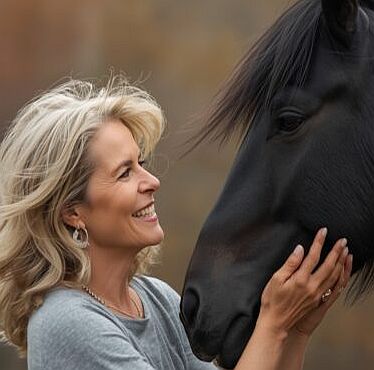
3-day/2-night Private “Press Pause” Camino de Santiago Walking Retreat –this bespoke, one-on-one retreat on the Camino de Santiago in the sun-blessed southwest of France enables you to press pause, connect with a small herd of Friesian and Falabella horses, recalibrate your inner compass, and return to your life rested, rooted and realigned with who you are now.
Further Reading: Five Books That Actually Help
1. “The Art of Stillness: Adventures in Going Nowhere” by Pico Iyer
Iyer writes about the profound power of stillness in a world obsessed with movement. This isn’t a self-help book; it’s a philosophical exploration of why going nowhere can sometimes take you exactly where you need to be. I chose this because it challenges our assumption that change requires constant motion.
2. “How to Do Nothing: Resisting the Attention Economy” by Jenny Odell
Odell makes a compelling case for strategic withdrawal as a form of resistance and restoration. Particularly relevant if you’re considering a holiday as an escape from productivity culture. This book will help you understand the difference between numbing and genuine rest.
3. “Wintering: The Power of Rest and Retreat in Difficult Times” by Katherine May
May’s gorgeous meditation on the necessity of fallow periods during life transitions is essential reading. She writes about winter, both literal and metaphorical, as a time that requires different things from us. Beautiful, wise, and deeply comforting.
4. “The Gifts of Imperfection” by Brené Brown
Brown’s work on vulnerability and wholehearted living is particularly valuable when you’re in transition and feeling broken. This book reminds you that falling apart is sometimes necessary before you can reconstruct yourself more authentically. Not specifically about holidays, but crucial for understanding the inner work.
5. “Wild: From Lost to Found on the Pacific Crest Trail” by Cheryl Strayed
Strayed’s memoir of walking the PCT after her life imploded is the ultimate story of using physical journey as a metaphor for internal transformation. Whether you’re considering a walking holiday or any kind of getaway, this book shows what’s possible when you stop running and start walking toward yourself.
P.S. If you’re looking for a practical, accessible guide to navigating transitions, my book “Embracing Change, in 10 Minutes a Day” offers daily practices you can use before, during, and after any holiday to support genuine transformation. It’s designed for people who are time-poor but need real tools, not platitudes.

If you are currently facing a major life transition or any other dramatic change in your circumstances, and you have no idea how you are going to cope, the good news is that the strategy presented in this book can help you, step by step, to improve your ability to handle the stress caused by change, even if you feel entirely powerless at the moment.
Five FAQs People Are Actually Asking
Q: How do I know if I’m ready for a holiday or if I’m just avoiding dealing with my problems?
A: Ask yourself this: “Am I booking this to create space for processing, or to avoid feeling uncomfortable feelings?” If you’re hoping the holiday will mean you don’t have to think about your situation, that’s avoidance. If you’re hoping it will give you space to think differently about your situation, that’s strategic rest. Also check your body. Avoidance often feels urgent and panicky (“I need to get away NOW”). Strategic rest feels more like a deep exhale (“I need space to breathe and think”).
Q: Is it selfish to spend money on a holiday when my life is falling apart?
A: Only you can answer this based on your actual financial situation, but here’s a reframe: is it selfish to invest in your capacity to navigate this transition well? Sometimes spending money on genuine restoration prevents far more expensive breakdowns later. The question isn’t whether you “deserve” a holiday (you do), it’s whether this particular holiday, at this particular time, is the most effective use of limited resources. If you’re choosing between therapy and a holiday, choose therapy. If you’re choosing between collapsing from exhaustion and taking a restorative break, the break might be essential.
Q: Should I go alone or take someone with me?
A: This depends entirely on what you need to process. Some realisations only come in solitude. Others require the witnessing and reflection that good company provides. Consider: do you need to be seen and validated, or do you need privacy to fall apart? Both are legitimate needs at different points in transition. Trust your gut on this one, but don’t default to taking someone just because you’re afraid to be alone with your thoughts. That discomfort might be exactly what you need to sit with.
Q: What if I go on a retreat and still feel terrible?
A: Then you feel terrible in a different location, and that’s okay. A retreat isn’t a cure; it’s a container. Sometimes the value is simply proving to yourself that you can function somewhere new, that the world is bigger than your crisis, that you’re still capable of getting on a plane and showing up. Lower your expectations. Stop demanding that the holiday “fix” you. Let it be what it is: a pause. Nothing more, nothing less.
Q: How long should I wait after a major life event before booking a holiday?
A: There’s no universal timeline, but as a general guideline: wait until you’re sleeping semi-normally again, until the acute crisis fog has lifted enough that you can think beyond the next twenty-four hours, until you have some sense of what you’re moving toward (even if it’s vague). For most people, this is somewhere between six weeks and three months post-crisis. But listen to your actual body and mind, not arbitrary timelines. If you’re still in survival mode, wait. If you’ve stabilised enough to have capacity for reflection, it might be time.
Conclusion: The Holiday You Take Versus the Journey You Make
Here’s what I’ve learned from watching people navigate transitions, from my work as a physician, from hosting transformational retreats, and from writing eight books about crisis, confidence and change: the external journey you take matters far less than the internal one you’re willing to make.
You can go to Bali and learn nothing. You can stay home and transform everything. Or, more powerfully, you can use a well-chosen, intentionally planned getaway as a catalyst for the deeper work you’re already committed to doing.
The question isn’t really “Should I go on retreat during my life transition?” The question is: “Am I ready to use this pause wisely, or am I still hoping geography will save me?”
As the poet David Whyte writes: “The journey is not about arriving somewhere else, but about arriving here, to this place you never left, as someone you have never yet been willing to be.”
Your next chapter doesn’t start when you return from holiday.
It starts the moment you decide to show up honestly to wherever you are.
Join Me for a Different Kind of Journey
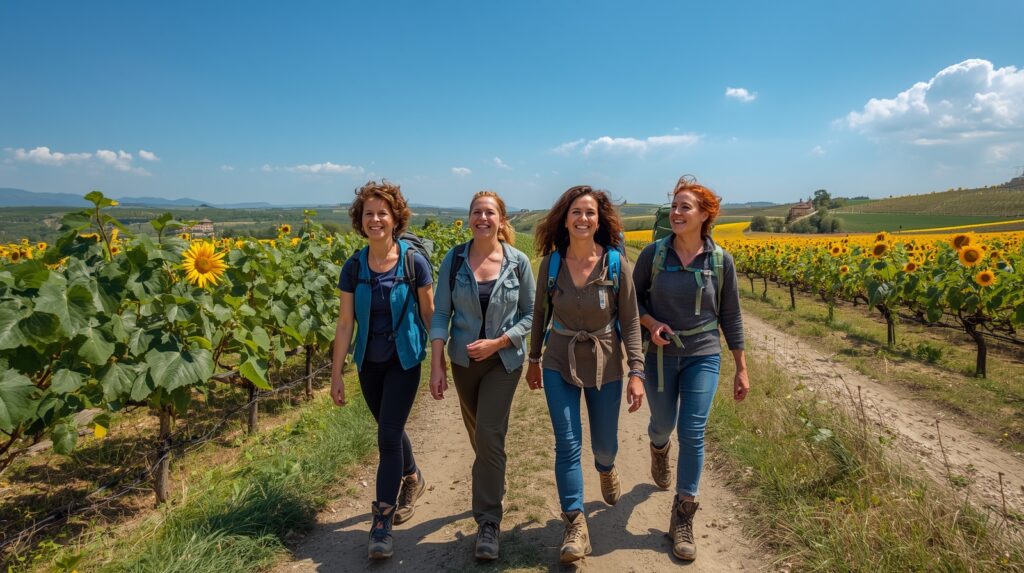
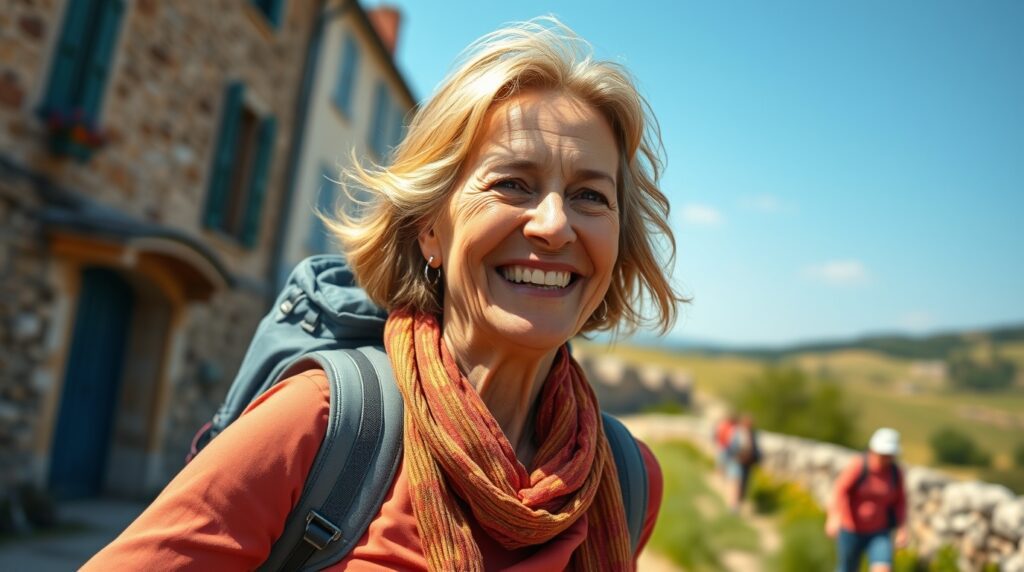
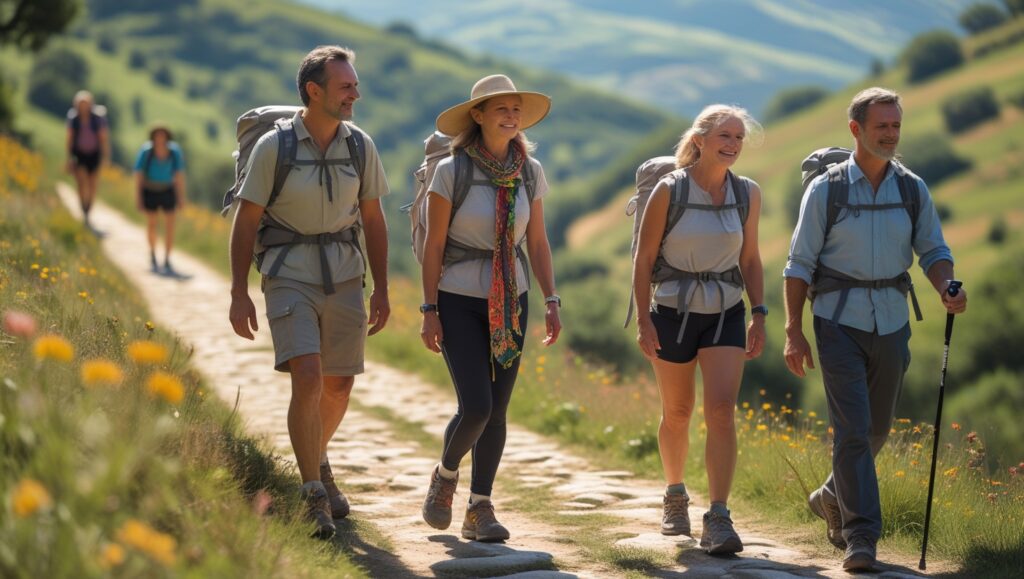
If this article has stirred something in you, if you’re recognising that what you need isn’t escape but intentional space to process your transition, consider joining us for a seven-day Crossroads Camino de Santiago hiking retreat in the stunning south-west of France.
This isn’t a typical walking holiday. Each day, you hike sections of the ancient Camino, creating space for your thoughts to settle and clarify with each step. In the evenings, we gather for storytelling circles with my Friesian horses, whose presence creates an atmosphere of gentle witnessing that allows profound truths to surface. You’ll be working through elements of my Purpose Pivot Protocol course, designed specifically for people navigating major life transitions.
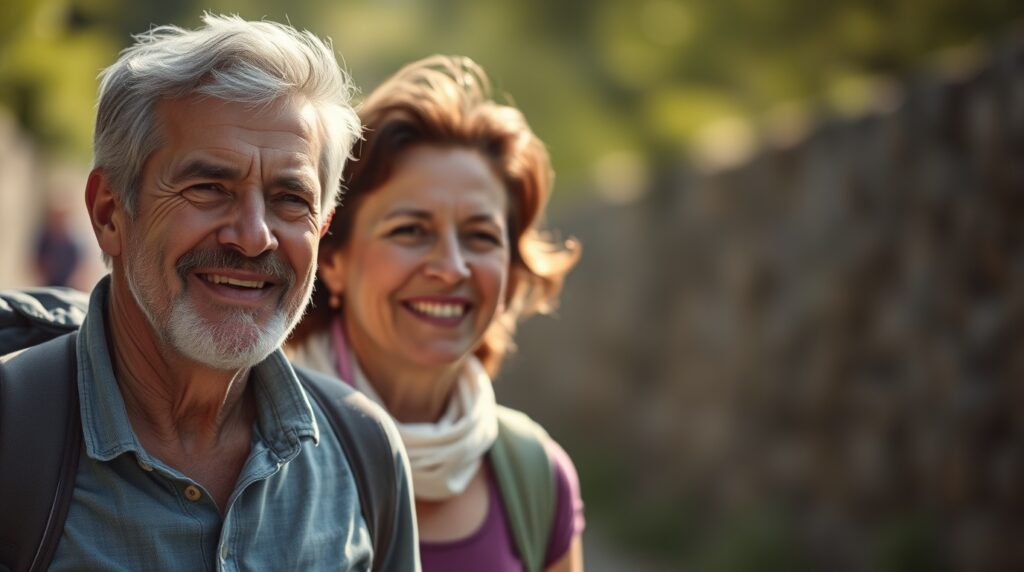
This retreat is for people who are done running and ready to walk toward themselves. For people who know that transformation requires both solitude and community, both movement and stillness, both challenge and support. My retreats are intentionally supportive and refreshingly free of forced positivity or prescriptive answers.
You won’t leave with all your problems solved. But you will leave with clarity about your next right step, held by a community that sees your struggle and your strength equally clearly.





A final question for reflection: If this holiday you’re considering could give you only one thing, what would you most want it to be? And more importantly, what would you need to bring with you to make that possible?
I’d love to hear your thoughts. What’s your experience with holidays during difficult transitions? Did they help or hinder your journey?
Discover your readiness for change with my Turning Point Quiz.
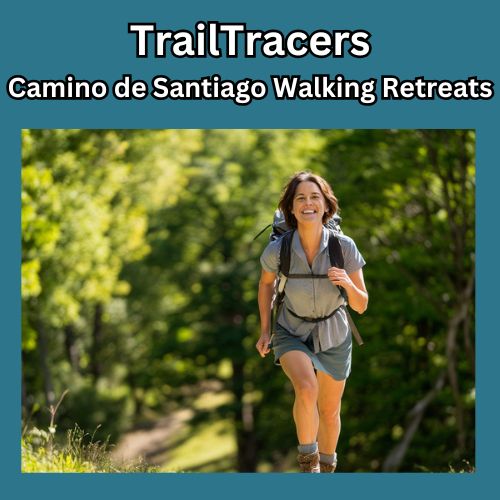
If your soul is craving fresh air, meaningful movement, and a chance to reconnect with nature, join us on a Camino de Santiago Walking Retreat in the southwest of France. This isn’t just a scenic hike – it’s a powerful, natural reboot for your body, mind, and spirit. Imagine quiet paths, rolling hills, cozy evenings, and slow conversations. No fitness requirements. No forced bonding. No pressure to have a breakthrough. Just one foot in front of the other, and finding your way to a brighter future.

The Purpose Pivot Challenge – drawing inspiration from the Camino de Santiago, this transformative course guides you through a proven framework to recalibrate your authentic purpose and create a meaningful and fulfilling next act. Get immediate access

Author Bio: Dr Margaretha Montagu – described as a “game changer”, “gifted healer”, “guiding light” and “life-enriching author” – is an experienced medical doctor, a certified NLP practitioner, a medical hypnotherapist, an equine-assisted psychotherapist (EAGALAcertified) and a transformational retreat leader who guides her clients through life transitions – virtually, or with the assistance of her Friesian and Falabella horses, at their home in the southwest of France.