
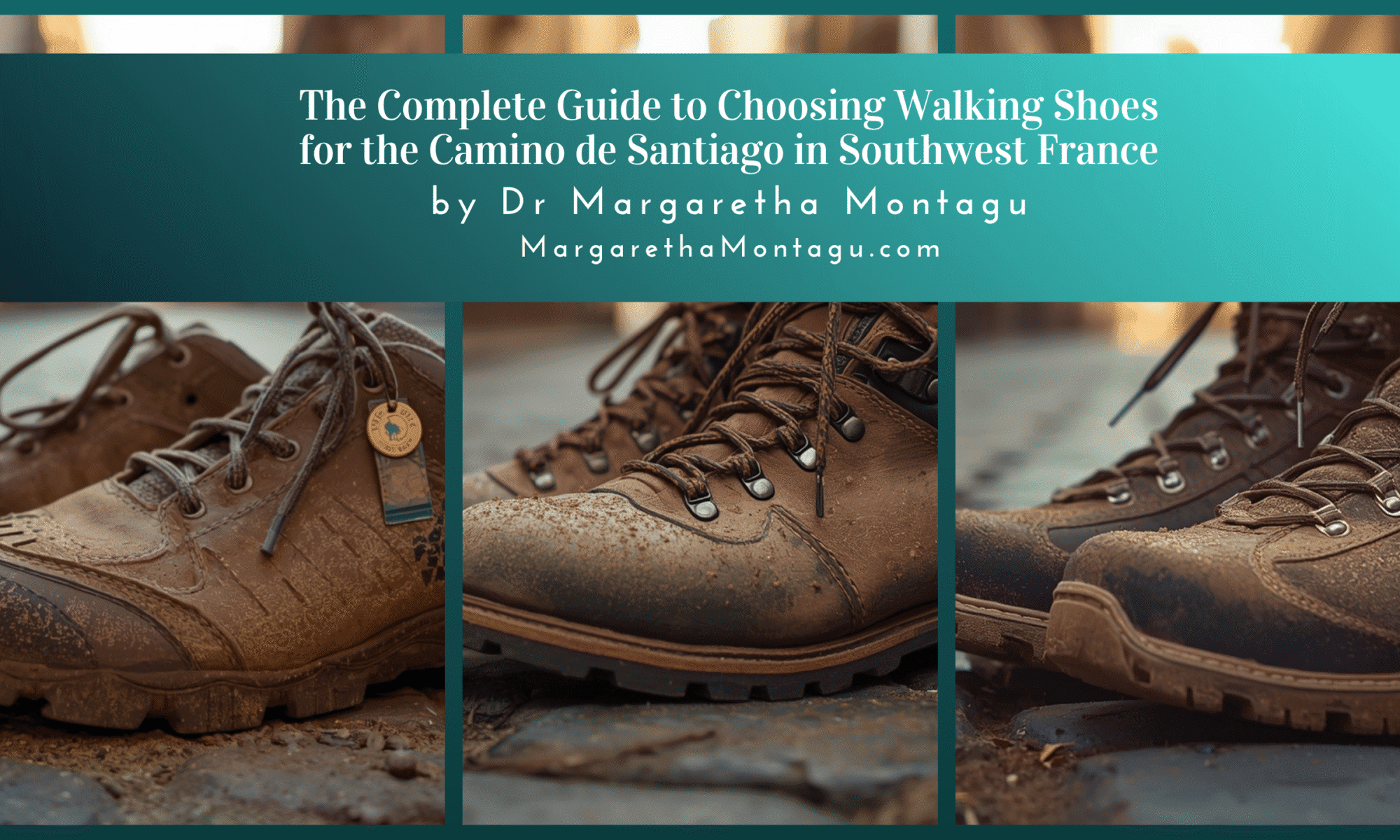
This comprehensive guide should provide you with the knowledge to choose walking shoes for the Camino de Santiago through southwest France. Remember that the “perfect” shoe is highly individual—what works wonderfully for one pilgrim might not suit another.
Walking the Camino de Santiago through the rolling hills, medieval villages, and sun-drenched landscapes of southwest France is a transformative experience that demands careful preparation. While pilgrims often focus on spiritual readiness, nothing will derail your journey faster than poorly chosen footwear. Your shoes are quite literally the foundation of your Camino experience, and selecting the right pair requires thoughtful consideration of terrain, distance, personal biomechanics, and weather conditions.
Understanding the Southwest France Routes
The French routes of the Camino de Santiago primarily include the Via Podiensis (Le Puy route) and the Via Tolosana (Arles route), both of which traverse significant portions of southwest France before crossing into Spain. These paths wind through the Dordogne, Lot, Tarn-et-Garonne, and Gers departments, featuring diverse terrain from paved village streets to rocky mountain paths, river valleys to exposed plateaus.
The terrain in this region presents unique challenges. Unlike the more famous Spanish sections, the French paths often follow historic routes through agricultural land, vineyards, and forests. You’ll encounter everything from smooth asphalt roads connecting villages to muddy farm tracks after rain, loose gravel paths, and occasionally steep ascents and descents. The climate ranges from hot, dry summers where temperatures can exceed thirty-five degrees Celsius to cool, wet springs and autumns when rain can make trails slippery and challenging.
The Great Debate: Boots or Shoes?
The traditional image of a pilgrim often includes sturdy leather boots laced high above the ankle. However, modern thinking has evolved considerably, and the choice between boots and shoes depends entirely on individual needs rather than convention.
Trail shoes have become increasingly popular among Camino walkers. These low-cut shoes offer several advantages for the relatively moderate terrain of southwest France. They’re lighter than boots, which reduces fatigue over long distances. The weight savings might seem minimal per shoe, but multiply that by the twenty thousand steps you’ll take each day, and the difference becomes significant. Trail shoes also dry faster if they get wet, breathe better in warm weather, and generally require less break-in time. For pilgrims with strong ankles and good proprioception, trail shoes provide adequate support while allowing natural foot movement.
Light hiking boots represent a middle ground that many pilgrims find ideal. These typically rise just above the ankle, offering moderate support without the bulk and weight of traditional mountaineering boots. They provide better protection against rocks and roots, offer more ankle stability on uneven terrain, and generally feature more robust construction that can handle varied conditions. The trade-off is slightly more weight and potentially less breathability than trail shoes.
Traditional hiking boots with full ankle support are less common on the Camino today but still have their place. If you have a history of ankle injuries, carry a particularly heavy pack, or simply feel more confident with additional support, these boots can work well. However, they require extensive breaking-in, can be hot in summer conditions, and add considerable weight to each step.
The key consideration is this: the Camino routes through southwest France are not technical mountain trails. You’re following established paths through agricultural and rural landscapes. Most pilgrims find that trail shoes or light hiking boots provide perfectly adequate support while offering better comfort over the long daily distances you’ll cover.
Essential Features to Prioritise When Choosing Walking Shoes for the Camino de Santiago
Regardless of whether you choose shoes or boots, certain features are non-negotiable for Camino footwear.
Fit is paramount. Your shoes should feel comfortable from the first wearing, with enough room in the toe box that your toes don’t hit the front when walking downhill. You should be able to wiggle your toes freely, and there should be about a thumb’s width between your longest toe and the shoe’s end. Remember that feet swell during long days of walking, sometimes by half a size or more, so shoes that feel perfect in the shop might feel tight after fifteen kilometers on the trail.
Cushioning and support matter enormously when you’re walking twenty to thirty kilometers daily for weeks on end. Look for shoes with adequate midsole cushioning to absorb impact, particularly if you’ll be walking on paved surfaces. The arch support should match your foot type. If you have high arches, flat feet, or overpronate, consider shoes designed for your specific biomechanics or plan to use custom orthotics.
Traction is crucial, especially on the varied terrain of southwest France. Look for outsoles with deep, multidirectional lugs that can grip both loose gravel and smooth rock. While you won’t encounter technical mountain terrain, you will face muddy paths after rain, and good traction prevents slips and falls that could end your Camino prematurely.
Breathability becomes increasingly important as you move into warmer months. Mesh panels in the upper allow air circulation and help moisture escape. This keeps your feet cooler and reduces the likelihood of blisters from damp conditions. Some shoes incorporate waterproof-breathable membranes, which we’ll discuss shortly.
Durability is essential for footwear that must survive hundreds of kilometers. Examine the construction quality, reinforced toe caps, sturdy stitching, and robust materials. While you shouldn’t necessarily choose the heaviest option, extremely lightweight minimalist shoes may not survive the entire journey without significant wear.
The Waterproofing Question
One of the most debated aspects of Camino footwear is whether to choose waterproof shoes with membranes like Gore-Tex or opt for non-waterproof breathable alternatives.
Waterproof shoes offer obvious advantages when walking through morning dew-soaked grass, crossing shallow streams, or facing rainy days. Your feet stay dry in wet conditions, which can prevent blisters and maintain warmth in cooler weather. However, waterproof membranes have significant drawbacks that many experienced pilgrims consider deal-breakers.
The fundamental problem is that waterproof membranes work both ways. While they keep external water out, they also trap moisture inside. Your feet produce considerable perspiration during long walking days, and in waterproof shoes, this moisture has nowhere to escape. The result is often feet that stay damp from sweat, potentially causing more blister problems than occasional rain would create. Additionally, if water does enter waterproof shoes (over the top, through worn areas, or from crossing deep streams), it becomes trapped inside and takes much longer to dry than non-waterproof alternatives.
Most experienced pilgrims walking the Camino during warmer months choose non-waterproof shoes that breathe well and dry quickly. They accept that their feet will get wet occasionally but find that the shoes dry out during breaks or by morning. For spring and autumn walking when rain is more frequent and temperatures cooler, waterproof shoes become more appealing, though many pilgrims still prefer breathable shoes paired with waterproof socks or simply accepting wet feet as part of the experience.
Consider your walking season, personal preference for dry feet versus breathability, and how you generally tolerate having wet feet when making this decision.
Breaking In Your Footwear
Perhaps no aspect of Camino preparation is more critical than properly breaking in your shoes. Arriving in Le Puy-en-Velay or another starting point with brand-new, unworn shoes is a recipe for disaster.
Begin wearing your chosen shoes at least two months before your departure. Start with short walks around your neighborhood, gradually increasing distance and difficulty. Wear them during your daily activities, on errands, and eventually on training hikes that simulate Camino conditions. Pay attention to any pressure points, rubbing, or discomfort, and address these issues before departure.
During the break-in period, wear the same socks you plan to use on the Camino. This ensures the fit accounts for your complete foot system. If you develop hot spots or blisters during training, experiment with different lacing techniques, sock combinations, or consider whether you need a different shoe model.
Some shoes require more break-in than others. Full leather boots might need months to soften and conform to your feet, while modern synthetic trail shoes often feel comfortable almost immediately. However, even quick-to-break-in shoes benefit from significant pre-Camino mileage. This allows you to verify the fit under real walking conditions and builds confidence that your footwear will perform as needed.
If your shoes cause persistent problems during training despite adequate break-in time, don’t ignore these warning signs. It’s far better to find a different model before your Camino than to struggle through hundreds of kilometers in uncomfortable footwear.
Socks: The Often-Overlooked Component
Your choice of socks is nearly as important as your shoe selection. Quality hiking socks work with your shoes to prevent blisters, manage moisture, and provide cushioning.
Look for socks made from merino wool or synthetic hiking sock materials. Avoid cotton entirely, as it retains moisture and creates friction. Merino wool naturally wicks moisture, resists odor, provides cushioning, and maintains comfort across a range of temperatures. Synthetic blends can offer similar properties and often dry even faster than wool.
The fit of your socks matters tremendously. They should conform to your foot without bunching or sagging, which creates pressure points and blisters. Many hikers prefer seamless socks or socks with flat toe seams to minimize friction. The cushioning level is personal preference; some walkers prefer thick, heavily cushioned socks, while others choose thinner options for a more precise feel.
Consider bringing several pairs of socks and rotating them daily. This allows you to wash and dry socks while wearing a fresh pair. Some pilgrims adopt a two-sock system, wearing a thin liner sock beneath a thicker outer sock. The liner wicks moisture away from the skin, while the two layers slide against each other rather than against your foot, reducing blister formation.
Specialised Considerations
Certain foot conditions require additional consideration when selecting Camino footwear.
If you have bunions, hammertoes, or Morton’s neuroma, prioritize shoes with wide toe boxes that don’t compress the forefoot. Brands like Altra and Topo Athletic design shoes with anatomical toe boxes that allow natural toe splay. This reduces pressure on problem areas and can prevent these conditions from worsening during your journey.
Plantar fasciitis sufferers need shoes with excellent arch support and cushioning, particularly in the heel. Consider shoes with removable insoles so you can insert custom orthotics if needed. Some hikers with plantar fasciitis find that shoes with a slight rocker design reduce strain on the fascia.
For those with flat feet or overpronation, look for shoes with stability features or plan to use supportive insoles. Conversely, if you have high arches, you’ll need shoes with adequate arch support and cushioning to compensate for reduced natural shock absorption.
Anyone with diabetes or peripheral neuropathy should consult with a healthcare provider before undertaking the Camino. Proper footwear becomes even more critical when sensation is reduced, and you may need specialized shoes with extra cushioning and protection.
Where to Purchase and How to Test
Buy your Camino shoes from a specialized outdoor retailer where staff have expertise in fitting hiking footwear. Bring the socks you plan to wear on the Camino and any orthotics you use. Shop later in the day when your feet are slightly swollen, simulating the conditions you’ll experience while walking.
Try multiple brands and models. Walk around the store extensively, including on inclined surfaces if available. Many outdoor retailers have ramps or steps specifically for testing footwear. Pay attention to how your heel sits in the shoe (it shouldn’t slip), whether the lacing provides adequate adjustment, and how the shoe flexes as you walk.
Don’t rush this decision based on price or appearance. The most expensive shoe isn’t necessarily the best for your feet, and the shoe that looks ideal might not fit your particular foot shape. Trust your own comfort assessment over brand reputation or reviews.
Consider purchasing shoes slightly larger than your normal size to account for foot swelling and the thick socks you’ll wear. However, they shouldn’t be so large that your foot slides around inside, which causes blisters just as readily as shoes that are too tight.
Care and Maintenance
Once you’ve selected and broken in your perfect Camino shoes, proper care ensures they last the entire journey.
After each day’s walk, remove the insoles and open the shoes fully to allow them to air out. If they’re wet, stuff them loosely with newspaper or use a specialized shoe dryer to accelerate drying. Never place wet shoes directly next to heaters or in direct sunlight, as excessive heat can damage adhesives and materials.
Keep the outsoles clean by removing mud and debris, which can pack into lugs and reduce traction. If your shoes get particularly dirty, rinse them with clean water and allow them to dry naturally. Check regularly for signs of wear, particularly in the outsole, heel counter, and stitching. Address minor issues promptly before they become major problems.
During your Camino, you might consider treating your shoes with a waterproofing spray if you chose non-waterproof models. This provides some water resistance without completely sealing the shoe. Apply these treatments during rest days so the shoes have time to dry completely before your next walking day.
When Things Go Wrong
Despite perfect preparation, footwear problems can still arise during your Camino. Many towns along the route have shoe shops where you can purchase replacements if necessary. Don’t hesitate to invest in new shoes mid-journey if your original choice proves unsuitable. Continuing in shoes that cause pain or blisters will likely end your pilgrimage.
Some pilgrims carry lightweight camp shoes or sandals to wear in the evenings. These give your feet a break from your walking shoes and allow the walking shoes to air out completely. If you develop blisters or foot pain, switching to sandals for a day or two can sometimes allow minor issues to heal while you continue walking at a reduced pace.
The Camino community is remarkably supportive, and fellow pilgrims often have advice or solutions for footwear problems. Albergue hospitaleros frequently know where to find shoe repairs or replacements. Don’t suffer in silence if your shoes aren’t working; the Camino has a way of providing solutions when you need them.
Extensive FAQ: Camino Footwear Questions Answered
Q: Should I choose trail running shoes or hiking boots for the Camino in southwest France?
For most pilgrims, trail running shoes or light hiking boots are ideal for the southwest France sections of the Camino. The terrain consists primarily of established paths, village roads, and moderate trails rather than technical mountain terrain. Trail shoes offer lighter weight, better breathability, and faster drying times. However, if you have a history of ankle problems, carry a heavy pack, or simply feel more secure with ankle support, light hiking boots are a excellent choice. Traditional heavy hiking boots are generally unnecessary and can cause more fatigue over the long daily distances.
Q: How much should I expect to spend on good Camino walking shoes?
Quality walking shoes for the Camino typically range from one hundred to two hundred euros. While this might seem expensive, consider that these shoes will carry you for hundreds of kilometers and are arguably your most important piece of equipment. Investing in proper footwear prevents blisters, injuries, and the potential need to purchase replacement shoes during your journey. That said, the most expensive shoes aren’t necessarily the best for your feet. Focus on fit and comfort over price. Some pilgrims successfully complete the Camino in moderately priced shoes, while expensive boots might not work for someone else’s foot shape.
Q: Do I need to buy shoes a full size larger than my normal shoes?
Most experts recommend purchasing hiking shoes about half a size to a full size larger than your regular street shoes. This accommodates the thick hiking socks you’ll wear and allows for foot swelling that occurs during long days of walking. Your toes should not touch the front of the shoe when walking downhill, as this causes bruised toenails and blisters. However, the shoes shouldn’t be so large that your foot slides around inside, which creates friction and blisters. When trying on shoes, wear your planned hiking socks and ensure you have about a thumb’s width of space beyond your longest toe.
Q: How many kilometers can I expect my shoes to last?
The lifespan of hiking shoes varies considerably based on the shoe construction, your weight, walking style, and terrain. Generally, quality hiking shoes or trail runners last between eight hundred and fifteen hundred kilometers before the cushioning degrades and outsole wears significantly. The Le Puy route to Saint-Jean-Pied-de-Port covers approximately seven hundred and fifty kilometers, so most shoes should survive this distance. However, if you’re walking from Le Puy all the way to Santiago (approximately fifteen hundred kilometers total), you may need to replace your shoes along the way. Watch for signs of wear such as compressed midsoles, worn tread, or developing holes. Some pilgrims intentionally start with shoes that already have a few hundred kilometers on them to avoid breaking in new shoes on the trail.
Q: Are waterproof shoes worth it for spring and autumn Camino walking?
This question divides experienced pilgrims into passionate camps. Waterproof shoes with membranes like Gore-Tex keep external water out, which is valuable during rainy periods common in spring and autumn. However, these membranes also trap internal moisture from perspiration, potentially leaving your feet damp even on dry days. Many experienced pilgrims prefer non-waterproof breathable shoes that dry quickly if they get wet, accepting occasional wet feet as preferable to constantly damp conditions from trapped sweat. For spring and autumn walking when rain is more frequent and temperatures cooler, waterproof shoes become more appealing. Consider your personal tolerance for wet feet, the specific months you’ll be walking, and whether you prioritize keeping water out or allowing moisture to escape. Some pilgrims compromise by bringing waterproof socks they can wear with breathable shoes on rainy days.
Q: Can I complete the Camino in sandals or minimalist shoes?
Some pilgrims successfully walk the Camino in hiking sandals or minimalist footwear, but this requires specific preparation and isn’t recommended for most walkers. Hiking sandals expose your feet to sun, dirt, and potential injury from rocks or roots. They provide minimal cushioning and support, which can lead to fatigue and overuse injuries when walking twenty to thirty kilometers daily for weeks. If you’re interested in sandals, you must train extensively in them beforehand, build up considerable foot strength, and accept increased risk of blisters between the toes and on exposed skin. Minimalist or barefoot-style shoes similarly require significant adaptation time to build foot strength. Most podiatrists and experienced pilgrims recommend against starting the Camino in minimalist footwear unless you’ve been wearing such shoes exclusively for at least six months prior. The risk of stress fractures, tendonitis, and other injuries increases substantially when transitioning to minimalist footwear while simultaneously increasing mileage dramatically.
Q: What should I do if I develop blisters despite choosing good shoes?
Blisters happen to most pilgrims at some point, even with perfect footwear. At the first sign of a hot spot (a warm, tender area before a blister forms), stop immediately and address it. Apply specialized blister prevention tape, moleskin, or compeed bandages to reduce friction. If a blister has already formed, treatment depends on its size and severity. Small blisters can often be left intact and protected with bandages. Larger, painful blisters may need to be carefully drained by sterilizing a needle, puncturing the edge of the blister, and gently pressing out the fluid while keeping the skin covering intact. Many albergues have pilgrims who volunteer to provide basic blister treatment, and pharmacies along the route stock blister care supplies. Prevention is always better than treatment, so address hot spots immediately, keep your feet dry, use anti-friction products on vulnerable areas, and ensure your shoes fit properly without being too tight or too loose.
Q: Should I bring a backup pair of shoes on the Camino?
Most pilgrims do not carry a second pair of walking shoes due to weight and space considerations. However, bringing lightweight camp shoes, sandals, or flip-flops for wearing in the evenings is highly recommended. This allows your walking shoes to dry and air out overnight while giving your feet a break from confinement. Some pilgrims bring lightweight trail shoes or sandals that could serve as emergency backup walking shoes if their primary footwear fails catastrophically. If you’re concerned about your shoes failing, starting with footwear that’s already proven reliable over several hundred training kilometers provides more security than carrying backup shoes. Remember that towns along the Camino have shoe shops where you can purchase replacements if absolutely necessary, though finding your exact size and preferred model isn’t guaranteed.
Q: How do I know if my shoes are properly broken in before starting the Camino?
Properly broken-in shoes should feel comfortable immediately when you put them on, with no tight spots, rubbing, or pressure points anywhere. You should be able to walk fifteen to twenty kilometres in them without developing blisters, hot spots, or foot pain. The materials should have softened and molded to your feet, moving naturally with your gait rather than feeling stiff. Ideally, you’ll have walked at least one hundred to two hundred kilometers in your shoes during training before starting the Camino. This builds confidence that the shoes work for your feet and allows time to address any problems. If you’re still developing new blisters in the same spots after fifty or more kilometers in your shoes, they likely aren’t the right model for your feet, and you should consider trying a different shoe rather than hoping they’ll eventually work.
Q: What’s the difference between men’s and women’s hiking shoes?
Women’s hiking shoes are typically designed with a narrower heel, higher instep, and different overall proportions to match the average female foot shape. The cushioning may also be adjusted for typically lighter body weight. However, foot shape varies tremendously among individuals regardless of gender. Some women have feet that fit better in men’s shoes, and some men need women’s shoes for proper fit. Don’t limit yourself to shoes marketed for your gender if you find a better fit elsewhere. Focus entirely on how the shoes feel on your specific feet. Width is particularly important; some brands offer different width options (narrow, regular, wide) which can be more significant than gender-specific models.
Q: Is it better to have too much room or too little room in my shoes?
Neither extreme is ideal, but if forced to choose, slightly too much room is generally preferable to shoes that are too tight. Shoes that are too tight cause immediate problems: compressed toes, blisters, hot spots, and circulation issues. They also don’t accommodate foot swelling during long walks. However, shoes with too much room allow your foot to slide around, causing blisters from friction and reducing stability. The ideal fit has enough room for your toes to move and spread naturally with about a thumb’s width beyond your longest toe, while the midfoot and heel fit snugly without being tight. You should be able to tighten or loosen the laces to adjust fit throughout the day as your feet swell and shrink. When trying shoes in the store, walk on an incline to simulate downhill walking; your foot should not slide forward and jam your toes into the front.
Q: Can I successfully walk the Camino in shoes I bought online without trying them on?
While some people successfully order hiking shoes online based on reviews and size charts, this approach carries significant risk for something as important as Camino footwear. Shoe fit varies tremendously between brands and even between different models from the same manufacturer. What works perfectly for one person may not suit another’s foot shape, even in the same size. If you must purchase online, order from retailers with excellent return policies and order multiple sizes or models to try at home. Walk extensively indoors on carpet so you can return shoes that don’t fit perfectly. Better yet, visit a specialized outdoor retailer where knowledgeable staff can assess your foot type, watch you walk, and recommend models likely to fit your biomechanics. The ability to try on multiple options and receive expert fitting advice makes in-person shopping strongly preferable for footwear this critical to your Camino success.
Q: How important are insoles, and should I replace the ones that come with my shoes?
Insoles (also called footbeds) significantly impact comfort and support. The insoles that come with hiking shoes provide basic cushioning and support, which is adequate for many people. However, if you have specific foot issues like plantar fasciitis, flat feet, high arches, or overpronation, aftermarket insoles or custom orthotics can dramatically improve comfort and reduce injury risk. Quality replacement insoles from companies specialising in foot support often provide better arch support, cushioning, and shock absorption than stock insoles. If you currently use custom orthotics in your regular shoes, bring them to the shoe store when fitting hiking shoes, as they’ll affect the fit. Many pilgrims successfully walk the entire Camino on stock insoles, so don’t feel you must upgrade unless you have specific foot problems or find the original insoles insufficient. Replace insoles that show signs of compression or wear, as degraded cushioning contributes to foot fatigue and injury.
Q: What should I look for when trying on shoes in the store?
When trying shoes in the store, wear the socks you’ll use on the Camino and bring any orthotics you plan to use. Shop later in the day when your feet are slightly swollen. First, check the overall length and ensure you have proper toe room (about a thumb’s width beyond your longest toe). Walk around extensively, not just standing in front of a mirror. Pay attention to the heel; it should fit snugly without slipping up and down as you walk. Check the width; your foot shouldn’t bulge over the midsole, but the shoe shouldn’t squeeze your foot either. Test the lacing system by tightening and loosening it to ensure you can adjust fit easily. Walk on an incline or stairs if available to simulate uphill and especially downhill walking, where your foot slides forward. Your toes shouldn’t jam into the front on downhill slopes. Feel for any pressure points, rubbing, or uncomfortable spots anywhere on your foot. Trust your own comfort assessment over staff recommendations or reviews. If a shoe doesn’t feel immediately comfortable, it’s not the right model for your feet.
Q: How do I prevent my feet from sliding forward in my shoes when walking downhill?
Feet sliding forward during downhill walking causes bruised toenails, blisters on toes, and general discomfort. Proper lacing technique can help significantly. Use a “heel lock” or “lace lock” technique: skip the last set of eyelets when lacing normally, then thread each lace through the skipped eyelet on the same side, creating a loop. Cross the laces and thread each one through the opposite loop before tying normally. This locks your heel back into the shoe and prevents forward sliding. Additionally, ensure your shoes fit properly in the heel cup; some slippage indicates a poorly fitting shoe for your heel shape. Tighten your laces before descents, and consider shoes with a more snug midfoot or additional lacing options that allow better lock-down. Training on hills before your Camino helps you develop the muscle control to prevent foot sliding. Some pilgrims use toe protectors or specialized taping techniques to prevent bruising if sliding remains an issue despite proper fit and lacing.
Q: Are expensive high-end hiking shoes worth the investment for the Camino?
Expensive shoes often incorporate premium materials, advanced cushioning systems, better construction, and longer durability than budget options. However, the most expensive shoe isn’t automatically the best choice for your feet. A moderately priced shoe that fits your foot shape perfectly will serve you far better than an expensive model that doesn’t match your biomechanics. That said, quality footwear is worth investing in for the Camino. Very cheap shoes (under sixty euros) often lack adequate cushioning, support, and durability for walking hundreds of kilometres. The sweet spot for most pilgrims is mid-range to upper-mid-range shoes (one hundred to one hundred eighty euros) that offer good construction and materials without luxury-brand pricing. If you have specific foot problems or want features like custom fitting systems or premium materials, higher-end shoes may justify their cost. Consider the total cost of your Camino; spending an extra fifty to one hundred euros on footwear that prevents injury and ensures comfort throughout your journey is excellent value compared to the overall investment in time and money the pilgrimage represents.
Q: What are the signs that I need to replace my hiking shoes during the Camino?
Several indicators suggest your shoes have reached the end of their useful life. Compressed, flattened midsoles lose cushioning ability and lead to foot fatigue and pain. If you press on the midsole and it doesn’t spring back, or if you notice the shoes feel “dead” or harsh on your feet, the cushioning has degraded. Significant outsole wear, especially if the lugs are worn flat or if tread is missing, reduces traction and can cause slips on wet surfaces. Worn-through areas, particularly on the upper near the toes or along stitching lines, allow water and debris to enter. If the heel counter has collapsed and no longer provides structure, the shoe can’t stabilize your foot properly. Developing new blisters or foot pain in previously comfortable shoes often indicates that cushioning has degraded. If you notice any of these signs and you’re not near the end of your journey, consider purchasing replacement shoes in the next town with a sporting goods store. Many Camino towns have shops catering to pilgrims, though selection may be limited.
Q: Should I treat my new hiking shoes with waterproofing spray before starting the Camino?
If you’ve chosen non-waterproof breathable shoes, applying a DWR (durable water repellent) treatment can provide a useful compromise. These sprays allow the shoes to shed light rain and morning dew while maintaining breathability. They won’t make your shoes waterproof but offer more water resistance than untreated fabric. Apply the treatment well before your departure (at least a week) to ensure it fully cures and doesn’t cause any adverse reactions. Reapply during your Camino as needed, particularly after cleaning your shoes. If you’ve chosen shoes with built-in waterproof membranes like Gore-Tex, additional waterproofing treatment is unnecessary and may interfere with breathability. For leather or synthetic leather shoes, appropriate protectant or conditioning products help maintain the material and provide water resistance. Always test any treatment on a small area first to ensure it doesn’t discolor or damage your shoes. Follow the manufacturer’s instructions carefully, and apply treatments in well-ventilated areas.
Q: How do I manage foot odor in my hiking shoes during the Camino?
Foot odor results from bacteria thriving in the warm, moist environment inside shoes. Several strategies minimize this issue. First, choose shoes with good breathability that allow moisture to escape. Remove your shoes and air out your feet during breaks. Each evening, take out the insoles and open your shoes fully to dry. Wash your feet daily and dry them thoroughly, particularly between toes. Change into fresh, clean socks each day. Merino wool socks naturally resist odor better than synthetic alternatives. Some pilgrims sprinkle foot powder or baking soda inside their shoes to absorb moisture and control odor. Antimicrobial insoles or insole treatments can reduce bacteria growth. If your shoes become particularly smelly, wash them gently by hand (never in a washing machine with waterproof shoes) and allow them to dry completely. Alternating between two pairs of shoes, if you’re willing to carry the weight, allows each pair to fully dry between wearings. Remember that some degree of foot odor is normal and unavoidable when walking long distances daily; don’t stress excessively about it, as fellow pilgrims understand this reality.
Q: What specific shoe brands do experienced pilgrims recommend for the Camino?
While individual foot shape determines the best shoe more than brand reputation, certain manufacturers consistently produce models popular among Camino walkers. Salomon trail running shoes and light hiking boots are extremely common, with models like the X Ultra often praised for comfort and durability. Merrell offers various options suitable for the Camino, particularly their Moab series. Hoka trail shoes have gained popularity for their maximal cushioning, which some pilgrims find reduces fatigue. La Sportiva makes technical yet comfortable options. Asics and Brooks trail running shoes work well for pilgrims preferring lighter footwear. Keen, Oboz, and Vasque produce reliable hiking boots and shoes. Altra shoes, with their distinctive wide toe boxes, suit pilgrims with bunions or those who prefer a more natural toe spread. Scarpa and Lowa offer quality options, particularly for those needing traditional boot construction. The “best” brand varies entirely based on your foot shape; some feet fit perfectly in Salomon, while others need Altra’s wide toe box or Hoka’s cushioning. Always try multiple brands when shoe shopping rather than committing to a brand based on reputation alone.
Q: How should I deal with rain and wet conditions regarding my footwear?
Rain is inevitable on the Camino, particularly during spring and autumn months in southwest France. If you’ve chosen waterproof shoes, they should keep your feet dry in most rain, though they may fail in sustained heavy rain or when crossing deep puddles. If you’re wearing non-waterproof breathable shoes, accept that your feet will get wet during rain. Surprisingly, this often causes fewer problems than one might expect. Wet feet aren’t inherently damaging if you manage them properly. During rain, keep walking; the warmth from movement prevents cold-induced problems. During breaks, if possible, remove your shoes and wring out your socks. Apply anti-friction balm to your feet before putting socks back on. Many pilgrims continue walking in wet shoes and socks rather than stopping frequently to change, allowing their shoes to dry gradually. In the evening, do everything possible to dry your shoes and socks: remove insoles, stuff shoes with newspaper (changed several times as it becomes sodden), position them near (not on) heat sources, or use hand dryers available in albergue bathrooms. Start the next day with dry socks even if your shoes remain damp; they’ll dry as you walk. Some pilgrims bring waterproof socks as a compromise, wearing breathable shoes with waterproof socks on rainy days. Gaiters can help keep rain from entering over the top of your shoes.
Q: Is it better to have a soft, cushioned shoe or a firmer, more supportive one?
This preference divides pilgrims based on personal biomechanics and walking style. Soft, heavily cushioned shoes (like Hoka models) provide maximum shock absorption and can reduce fatigue on hard surfaces. They feel comfortable immediately and protect joints from impact. However, they may feel less stable on uneven terrain and provide less ground feel. Firmer shoes with moderate cushioning offer better stability, more precise foot placement on technical sections, and some people find them more supportive over long distances. They may feel less comfortable initially but provide better control. Consider the terrain you’ll encounter; the southwest France Camino includes substantial paved and hard-packed sections where cushioning becomes valuable. Your body weight also matters; heavier walkers typically benefit from more cushioning, while lighter individuals may prefer firmer options. Your pronation pattern, arch height, and any existing foot problems influence this choice. If you’re unsure, moderate cushioning represents a safe middle ground. Training walks help you understand whether you prefer cushioned or firmer shoes for your specific biomechanics.
Q: Can I wash my hiking shoes, and if so, how?
You can wash hiking shoes, though the method depends on the materials. Never put hiking shoes in a washing machine, particularly waterproof models, as this can damage membranes, separate glued components, and deform the shoes. Instead, wash by hand using a soft brush, mild soap or specialized shoe cleaner, and water. Remove laces and insoles first, washing these separately. Scrub away dirt and mud, paying attention to the outsole where debris accumulates in lugs. Rinse thoroughly with clean water to remove all soap residue. For the interior, wipe with a damp cloth or use a shoe-specific cleaning solution if odor is an issue. After washing, stuff shoes loosely with newspaper to help them maintain shape and absorb moisture. Allow them to air dry naturally in a well-ventilated area away from direct heat sources like radiators, fires, or direct sunlight, which can crack materials and weaken adhesives. Drying typically takes twenty-four to forty-eight hours. If your shoes have leather components, apply appropriate leather conditioner after they’ve dried to prevent cracking. During the Camino, you’ll likely clean your shoes more frequently with just water and a brush rather than doing full washes. Many albergues have outdoor areas where you can rinse muddy shoes without making a mess indoors.
Q: What’s the best way to lace my hiking shoes for maximum comfort?
Different lacing techniques address specific fit issues. The standard criss-cross lacing works well if your shoes fit properly, but variations can solve problems. For narrow feet or heel slipping, use the heel lock technique described earlier: create loops at the top eyelets and thread the opposite lace through each loop before tying. For high insteps, skip one set of eyelets in the middle where pressure occurs, or use a parallel “straight bar” lacing that reduces pressure across the top of the foot. For wide forefeet, use a wider criss-cross pattern at the toe box and tighter lacing at the ankle. For toe pain on descents, tighten the laces at the forefoot more than the ankle to prevent forward sliding. Some pilgrims adjust their lacing throughout the day, loosening slightly as feet swell in the afternoon. Experiment with different techniques during training to find what works for your feet. Many online resources demonstrate specific lacing patterns for various foot issues. The ability to adjust lacing easily is one reason hiking shoes have multiple eyelets and reliable lacing systems.
Q: Should I worry about the weight of my hiking shoes?
Shoe weight significantly impacts fatigue over long distances. The old hiking adage suggests that one pound on your feet equals five pounds on your back in terms of energy expenditure. While the exact multiplier is debatable, lighter shoes definitely reduce fatigue. Each step requires lifting your entire shoe weight, and over twenty to thirty thousand steps daily, this accumulates substantially. Trail running shoes typically weigh between two hundred fifty and four hundred grams per shoe, while traditional hiking boots can weigh five hundred to eight hundred grams or more. Over a twenty-kilometer day, lighter shoes save considerable energy. However, weight isn’t the only consideration. Very lightweight shoes may sacrifice cushioning, support, durability, and protection. The goal is finding the lightest shoe that still provides adequate support, cushioning, and durability for your specific needs. For most Camino walkers on the southwest France routes, modern trail runners or light hiking boots offer an excellent balance of low weight with sufficient features. Don’t choose the absolute lightest option if it compromises essential functions, but don’t default to heavy traditional boots if lighter options would serve you better.
Q: How do I know if I’m overpronating or supinating, and does it matter for shoe choice?
Pronation refers to the natural inward rolling of your foot during walking or running to absorb shock. Overpronation means excessive inward rolling, while supination (underpronation) means insufficient inward rolling with the foot rolling outward. Neutral pronation is ideal. You can assess your pattern by examining worn shoes: overpronators wear the inside edge of the heel and forefoot, while supinators wear the outside edge. Many running or outdoor specialty stores offer gait analysis where staff watch you walk or run to assess your biomechanics. For the Camino, moderate pronation issues often don’t require specialized shoes if you’re not experiencing pain or injury. Severe overpronation may benefit from stability shoes with firmer midsoles on the inner side, or motion control features. Supinators typically need neutral shoes with good cushioning since their feet don’t naturally absorb shock as effectively. Many modern shoes offer enough inherent stability for mild overpronation without being specifically marketed as stability shoes. If you have a history of knee, hip, or ankle pain related to your gait, addressing pronation issues through appropriate shoes or orthotics becomes more important. For most pilgrims without injury history, neutral shoes work well.
Q: What’s the difference between trail running shoes and hiking shoes?
Trail running shoes prioritize light weight, flexibility, and breathability for fast movement on trails. They have aggressive outsoles for traction, but less robust construction than hiking shoes. The uppers use lightweight materials, often mesh, for maximum breathability. Cushioning varies by model but tends toward responsive rather than plush. Trail runners typically offer less ankle support, durability, and weather protection than hiking shoes. Hiking shoes or boots feature more substantial construction with reinforced toe caps, more durable uppers (often synthetic leather or full leather), stiffer midsoles for support, and generally more cushioning for carrying heavier loads. They’re designed for all-day comfort over long distances with a pack. For the Camino, both work well. Trail running shoes excel if you value light weight, breathability, and quick drying, and if you’re carrying a lighter pack and have strong ankles. Hiking shoes or light boots are preferable if you want more support, durability, weather protection, or ankle stability. Many modern trail running shoes have evolved to offer enough support and cushioning for non-technical hiking like the Camino. The line between categories has blurred, with many “trail shoes” essentially being light hiking shoes. Try both categories when shopping to see which suits your preferences.
Q: How do I prevent black toenails (subungual hematoma) on the Camino?
Black toenails result from repeated trauma when your toes bang against the front of your shoe, typically during downhill sections. Blood collects under the nail, causing discoloration and sometimes nail loss. Prevention focuses on proper shoe fit and technique. Ensure your shoes have adequate toe room (thumb’s width beyond your longest toe). Use the heel-lock lacing technique to prevent your foot from sliding forward during descents. Trim your toenails before starting the Camino, cutting them straight across and not too short, as very short nails can actually increase problems. Some pilgrims tape their toes with medical tape or use toe protectors. During descents, tighten your laces and take shorter, controlled steps rather than letting gravity pull you forward. If you feel your toes hitting the front of your shoe, stop and adjust your laces immediately. Once a black toenail develops, there’s little to do except protect it and wait for it to grow out. If it becomes very painful due to pressure from accumulated blood, a healthcare provider can drain it, though this carries infection risk. Many pilgrims complete the Camino with black toenails that eventually fall off and regrow. While unsightly, they’re usually more of a cosmetic issue than a serious problem.
Q: Should I start the Camino with brand new shoes or partially worn shoes?
This is a nuanced question that depends on what “partially worn” means. Starting with completely unworn shoes is definitely not recommended, as even shoes that require minimal break-in benefit from at least fifty to one hundred kilometers of pre-Camino walking to ensure they fit properly and to identify any problems. However, starting with shoes that are already significantly worn (say, with five hundred or more kilometers on them) poses risks if they’re nearing the end of their functional life. The ideal scenario is shoes with one hundred to three hundred kilometers of training mileage. They’re properly broken in, you’ve verified they work for your feet, but they still have most of their cushioning and tread life remaining. This provides confidence without the risk of premature failure. Some pilgrims intentionally purchase their Camino shoes six months in advance and use them for all their walking during that period, accumulating perhaps two to three hundred kilometers before departure. If you’re planning a very long Camino (Le Puy to Santiago, approximately fifteen hundred kilometers), you might actually want less pre-worn shoes to maximize their lifespan, or plan to replace them mid-journey. The key is substantial break-in through real hiking mileage while retaining most of the shoe’s functional life.
Q: How do I deal with foot swelling during long walking days?
Foot swelling during long walks is completely normal and results from increased blood flow, fluid retention, and inflammation from repeated impact. Most people’s feet swell by half a size or more during extended walking. Several strategies manage this effectively. First, ensure your shoes have adequate room from the start to accommodate swelling. Adjust your lacing throughout the day, loosening slightly as your feet expand. During breaks, remove your shoes and elevate your feet when possible to encourage fluid drainage. Flexing your feet and toes helps maintain circulation. Some pilgrims wear compression socks, though opinions divide on whether these help or hinder. Stay well-hydrated; paradoxically, dehydration can worsen swelling. Reduce salt intake, as excess sodium promotes fluid retention. In the evenings, elevate your legs and feet while resting. Cold water foot baths or gentle massage can reduce swelling. Most swelling resolves overnight, though some accumulation may persist as you continue walking day after day. If swelling becomes severe, causes pain, or is accompanied by redness and warmth (signs of infection or thrombosis), seek medical attention. Normal swelling, while uncomfortable, is a natural response to the demands you’re placing on your feet.
Q: Can orthotics or custom insoles really make a difference?
For people with specific biomechanical issues, custom orthotics or quality aftermarket insoles can dramatically improve comfort and prevent injury. Orthotics address problems like overpronation, flat feet, high arches, plantar fasciitis, leg length discrepancies, and other structural issues. They work by optimising the alignment and function of your feet, which affects your entire kinetic chain up through ankles, knees, hips, and back. If you currently use orthotics in your daily shoes and walk comfortably, you should definitely use them in your Camino shoes. When fitting hiking shoes with orthotics, bring the orthotics to the store and try shoes with them in place, as they affect fit and may require slightly larger shoes. If you don’t currently use orthotics but experience foot, ankle, knee, or hip pain during training, consider seeing a podiatrist or sports medicine specialist for evaluation. Even over-the-counter supportive insoles from companies like Superfeet, Sole, or Powerstep can provide significantly better support than basic stock insoles. However, if you have no pain or problems with stock insoles during training, there’s no need to add orthotics. The principle is: if your feet are happy and healthy with what you have, don’t change it. If you’re experiencing problems, orthotics might be part of the solution.
Q: What should I do if my shoes get completely soaked from crossing a stream or heavy rain?
When shoes become thoroughly saturated, immediate action helps minimize problems. If possible, remove your shoes and wring out your socks, squeezing as much water as possible from them. Some pilgrims carry a lightweight spare pair of socks for this situation. Apply anti-friction balm or powder to your feet before putting socks back on, as wet conditions dramatically increase blister risk. If you have many kilometers remaining that day, you may choose to continue in wet shoes and socks rather than changing repeatedly, accepting that they’ll stay wet. The movement of walking generates heat that prevents cold-related issues. Synthetic and merino wool socks maintain some insulation even when wet, unlike cotton. At your destination, immediately remove insoles and open shoes completely. Stuff them with newspaper, changing the paper every few hours as it becomes saturated. Position shoes near heat sources but never directly on them. Many albergues have radiators or drying rooms specifically for this purpose. Hand dryers in bathrooms can be used to blow warm air into shoes. If the weather is dry the next day, you might strap shoes to your pack to air-dry while walking. Start the next morning with dry socks even if shoes remain slightly damp. Most shoes, especially non-waterproof models, will dry surprisingly well overnight with proper care.
Q: How important is ankle support, and do I really need boots that go above the ankle?
The importance of ankle support is one of the most debated topics in hiking footwear. Traditional wisdom held that high boots prevent ankle sprains by restricting motion. However, modern understanding suggests that boots don’t actually prevent the ankle from rolling in a true stumble; the forces involved exceed what boot material can resist. What boots do provide is proprioceptive feedback (awareness of ankle position) and support for people with weak ankles or previous injuries. For the Camino routes through southwest France, which follow established paths without technical terrain, most people with healthy ankles find that low-cut trail shoes or light hiking shoes provide adequate support. Your ankles strengthen naturally through walking, and unrestricted ankle movement allows natural gait patterns. However, if you have a history of ankle sprains, ligament damage, or weak ankles, the additional support and stability of boots that cover the ankle may provide valuable confidence and protection. Heavier packs also make ankle support more appealing. The decision should be based on your personal history and what feels stable to you. Many experienced hikers have transitioned from boots to trail shoes over time as their ankles strengthened, but there’s no shame in preferring boots if that’s what works for your body. Try both during training to see which provides better stability and comfort for your specific situation.
Q: What do I do if I can’t find hiking shoes that fit my feet properly?
Some people have foot shapes that don’t match standard hiking shoe designs. If you’ve tried multiple models and brands without finding a comfortable fit, several options remain. First, explore less common brands that cater to specific foot shapes. Altra makes shoes with very wide toe boxes. Keen accommodates wider feet. Some European brands like Lowa or Hanwag offer different width options. Consider trying shoes marketed for the opposite gender, as foot shape varies more between individuals than between genders. If width is the issue, look specifically for shoes available in wide sizes. For very narrow feet, consider children’s or youth sizes from quality brands, which are essentially adult shoes in smaller dimensions. If standard hiking shoes don’t work, you might explore approach shoes (designed for technical mountain approaches), which often have different fit characteristics. Some pilgrims successfully walk the Camino in well-cushioned walking shoes or trail-oriented athletic shoes from mainstream athletic brands like Nike, Adidas, or New Balance, particularly models with robust construction and good traction. As a last resort, custom-made hiking boots exist but are expensive and require long lead times. If you truly cannot find suitable footwear, consider consulting a podiatrist or footwear specialist who can assess your specific situation and provide recommendations.
Q: How do I train my feet for the demands of the Camino?
Training your feet is as important as breaking in your shoes. Start with your planned walking shoes and gradually increase mileage over several months. Begin with shorter walks of five to ten kilometers and progressively increase distance and difficulty. Include hills, varied terrain, and consecutive walking days to simulate Camino conditions. Walk on surfaces similar to what you’ll encounter: paved roads, gravel paths, dirt trails. Train with the pack weight you’ll carry, as this significantly affects how your feet respond. During training, practice your blister prevention strategies: anti-friction products, sock systems, and foot care routines. Strengthen your feet and ankles with specific exercises: calf raises, toe curls with a towel, balance exercises on one foot, and ankle circles. These strengthen the muscles and connective tissues that support your feet. If possible, schedule back-to-back long walking days to simulate consecutive Camino days without rest. Pay attention to any pain or problems during training and address them before departure. Many pilgrims find that their feet adapt remarkably well to daily walking, but this adaptation happens more smoothly with proper preparation. Don’t neglect overall fitness; stronger legs reduce the load on your feet by providing better support and shock absorption throughout your stride.
Q: Are there any special considerations for walking the Camino in summer heat?
Summer walking in southwest France can involve temperatures exceeding thirty-five degrees Celsius. Heat affects footwear choices and foot care significantly. Prioritise maximum breathability in your shoe selection. Mesh uppers, ventilation ports, and non-waterproof construction become crucial. Your feet will sweat considerably, so moisture management is critical. Change socks during the day if possible, carrying an extra pair to swap at midday. Use anti-friction products liberally, as the combination of sweat and heat dramatically increases blister risk. Consider wearing lighter-weight socks or even liner socks to reduce heat buildup, though ensure you maintain adequate cushioning. Some pilgrims walk in sandals during extreme heat, accepting the trade-offs of less protection for better cooling. Start walking very early to cover most distance before peak heat, which allows you to wear slightly less breathable shoes if necessary without overheating. Keep your feet clean and dry during midday breaks. Watch for signs of heat-related swelling, which can be more pronounced than normal walking swelling. If your feet swell significantly in the heat, you may need to loosen laces or adjust your socks. Avoid leaving your shoes in direct sunlight, as the materials can heat to uncomfortable temperatures. In extreme heat, some pilgrims wet their shoes deliberately, allowing evaporative cooling, though this only works with non-waterproof shoes.
Q: What’s the best strategy if I need to buy new shoes during the Camino?
Despite careful preparation, sometimes shoes fail or prove unsuitable during your journey. Larger towns along the southwest France Camino routes like Conques, Cahors, Moissac, and Aire-sur-l’Adour have sporting goods stores where you can purchase replacements. Some advantages exist to buying shoes mid-Camino: you’ll know exactly what problems you’re trying to solve, your feet will be adapted to walking, and you can test the new shoes immediately on Camino terrain. However, selection may be limited, and finding your exact size and preferred model isn’t guaranteed. If you need replacement shoes, visit a proper outdoor or sporting goods store rather than just buying any athletic shoes from a general retailer. Explain your situation to the staff; many stores near the Camino understand pilgrims’ needs. Be prepared to compromise on brand or model if your preference isn’t available. Break in new shoes gradually if possible, perhaps walking shorter days for the first few days or alternating with your old shoes if they’re still functional enough. Some pilgrims ship replacement shoes to themselves at planned stops along the route, though this requires advance planning and reliable postarestante services. Consider this strategy if you’re walking a very long Camino and know you’ll need fresh shoes partway through, or if you have difficult-to-fit feet and can’t risk depending on local availability.
This comprehensive guide should provide you with the knowledge to choose appropriate footwear for your Camino journey through southwest France. Remember that the “perfect” shoe is highly individual—what works wonderfully for one pilgrim might not suit another. The key is understanding your own feet, training adequately, and being willing to adjust your approach if problems arise. The Camino has been walked for over a thousand years by people in all manner of footwear, from medieval leather boots to modern technical shoes. While proper equipment certainly helps, your determination, preparation, and willingness to adapt matter far more than any specific brand or model. Trust the journey, listen to your body, and take care of your feet—they’re carrying you on a remarkable adventure.
Walking the Camino de Santiago for a Week in the Southwest Of France
Choosing the right footwear is just one element of preparing for a successful Camino journey. If you’re curious about experiencing this ancient pilgrimage route through the beautiful landscapes of southwest France but feel uncertain about planning it independently, a hosted walking retreat might be the perfect introduction.
Join a small-group 7-day Camino de Santiago walking retreat in southwest France, designed to give you an authentic taste of pilgrimage while providing the support and local knowledge that makes the experience truly special. Walking carefully selected sections of the historic route, you’ll discover medieval villages, pastoral landscapes, and the profound rhythm of walking meditation—all while I handle the logistics, share insights about the region’s history and culture, and ensure your feet (in those perfectly chosen shoes!) carry you comfortably each day.
These week-long retreats are ideal whether you’re considering a longer Camino in the future and want to test the experience, or simply wish to immerse yourself in the beauty and contemplation of pilgrimage walking without the extensive planning a multi-week journey requires. If you’d like to learn more about walking the Camino together, I’d be delighted to share details about upcoming retreat dates and what makes this corner of France so magical for pilgrims.
Buen Camino!





What Life Lessons Can You Learn While Walking the Camino de Santiago? – a free guide filled with 10 not just “quaint anecdotes” or Instagram-worthy moments (though there are plenty of those) but real transformations from real people who walked this insight-giving trail – Subscribe to my monthly newsletter to Download the Guide

“I am an experienced medical doctor – MBChB, MRCGP, NLP master pract cert, Transformational Life Coach (dip.) Life Story Coach (cert.) Stress Counselling (cert.) Med Hypnotherapy (dip.) and EAGALA (cert.) I may have an impressive number of letters after my name, and more than three decades of professional experience, but what qualifies me to excel at what I do is my intuitive understanding of my clients’ difficulties and my extensive personal experience of managing major life changes using strategies I developed over many years.” Dr M Montagu