
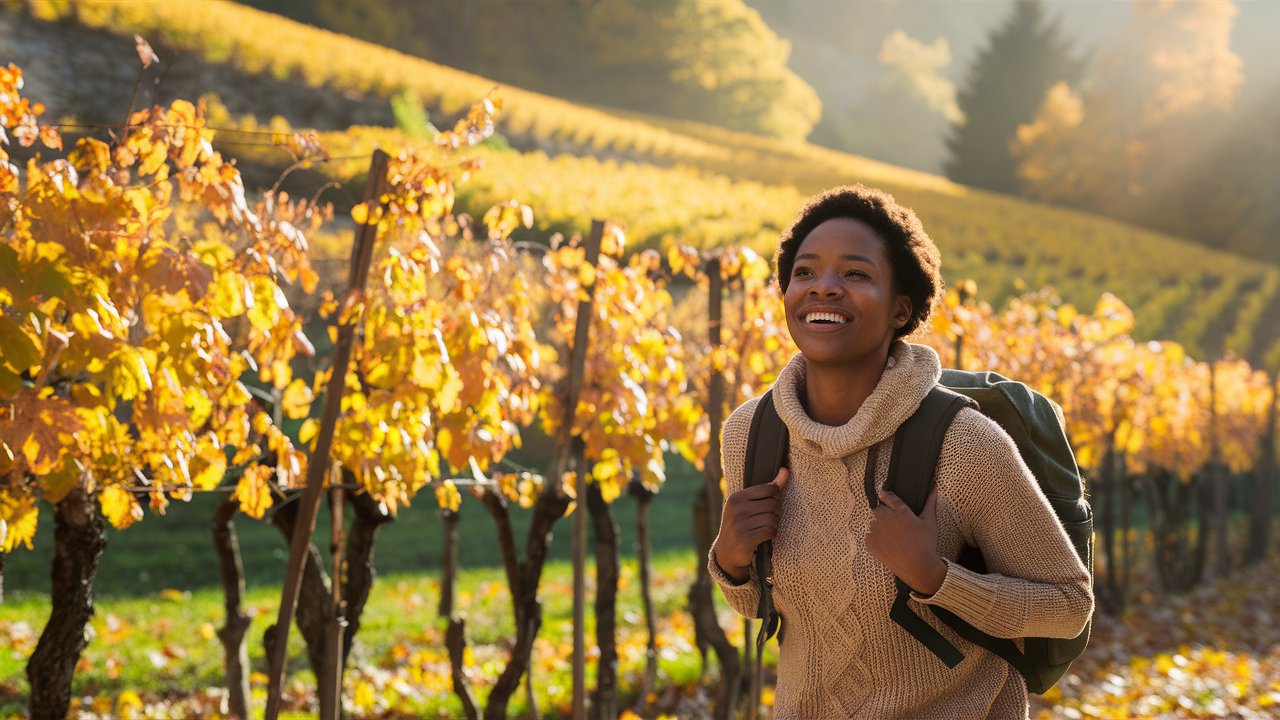
“All great things begin with a vision… a dream… I’ve always believed that success comes from not letting your eyes stray from that target. Anyone who wants to achieve a dream must stay focused, strong, and steady.” Estee Lauder
It’s that time of the year again. Retreat season is slowly coming to an end, only one retreat left for this year and that is the Book Lover’s Christmas Binge Reading retreat. I’m looking backwards towards spring, summer and autumn 2024, to figure out what went well, what didn’t and how I want to change what I do in 2025.
As my newsletter readers know, 2025 will be the year I start offering my signature retreats (gulp!) My health constraints are forcing me to do retreats less often, so I’ll gradually be transitioning towards longer (7 days instead of 5 days) and less frequent retreats (once a month only) and I’ll be focussing on working with people going through life transitions exclusively.
As 2025 will be a transition year, all my 5-day retreats will still be available, but less frequently.
Mindfully looking forward and backward, I felt a bit overwhelmed by the extent of this change, the risk involved and the amount of work I would need to do to make it happen. I decided I needed a vision statement for 2025. Vision statements are like road maps, they show you the way you want to go and keep you on track until you reach your destination.
You know that feeling when you’re at a crossroads in life, and everything feels a little…well, messy? That was me a couple of years ago. And now, as I’m wrapping up my 2024 retreat season and gearing up for big changes in 2025, it all feels strikingly familiar. Retreats have always been my thing—creating a place where my guests can rest, reflect, and, if needed, reinvent themselves. But this year, it’s me standing in that reflection space.
It’s exciting and terrifying in equal measure, and I’ll admit, the thought of reimagining everything from scratch has been overwhelming. I knew I needed a clear vision to guide me, not just for 2025 but for how I want to live and work moving forward.
When you are going through a life transition, a well-crafted vision statement helps you stay grounded by articulating what truly matters to you and the future you want to create. It serves as a powerful reminder of your long-term goals and values, helping you navigate challenges and make decisions that align with your authentic self. In essence, a vision statement transforms uncertainty into opportunity by giving you a clear roadmap for whatever comes next.
I remembered something a former guest of mine, Susan, shared after a Camino de Santiago walking retreat. She had crafted a vision statement during her time there—one that, as she put it, “kept her sane and focused” during her own life upheaval. Her story stayed with me, partly because of how relatable it was.
Here’s how she told it:
Susan’s Camino Story: Finding Clarity One Step at a Time
“There’s a moment in every woman’s life,” Susan had written to me, “when she looks at herself in the mirror and thinks, What the hell am I doing?”
For her, that moment came at 52, under the unflattering glare of a bathroom’s fluorescent lights. Her kids were grown. Her career—a blur of endless meetings and PowerPoint slides—left her feeling like a hamster on a wheel. And her marriage? Let’s just say it hadn’t survived the transition to an empty nest.
That’s how she found herself signing up for a five-day Camino retreat. She wasn’t an outdoorsy type, and she wasn’t looking for some Eat, Pray, Love-style epiphany. She just knew she needed help.
Day 1: The Bulging Backpack
Susan’s story began with an overstuffed backpack. She’d packed too many clothes (a rookie mistake) and underestimated how much walking all day would challenge her. But by the time she was trudging through the rolling hills of Gascony, surrounded by green fields and adorable (but definitely smug) sheep, something began to shift.
That first evening, she asked me if I could help her craft a vision statement. Susan explained that she’d written vision and mission statements for companies throughout her career, so why not one for herself?
I gave her a small notebook and told her, “The Camino will do the hard work. Your job is just to notice what comes up.”
Day 2: A Wildflower Moment
The next day, Susan stopped by a cluster of wildflowers and remembered something I’d said the night before: “Your vision isn’t just about goals. It’s about who you are and who you want to be.”
At first, she rolled her eyes (totally fair—I would’ve done the same). But as she walked, she realised how true it was.
“I didn’t know who I wanted to be,” she wrote later, “but I knew who I didn’t want to be: afraid, stuck, and too scared to try something new.”
That night, she jotted down a simple list:
- Who I don’t want to be: Trapped. Afraid. Alone.
- Who I want to be: Brave enough to leave my comfort zone.
It wasn’t polished or profound, but it was a start.
Day 3: Soup and Simplicity
Day three brought one of those Camino moments that stay with you forever. Susan stopped for lunch at a tiny café—a place with mismatched chairs, herbs hanging from the ceiling, and a sleepy cat basking in a sunbeam. The owner, Colette, served her soup in a chipped ceramic bowl.
“It was just soup,” Susan said. “But it felt like the universe was hugging me.”
Colette, with all the wisdom of someone who’s lived a simple and full life, told her, “The simple things are the most important.”
And that was it: simplicity. Susan realised how cluttered her life had become—not just physically, but emotionally. She’d spent years chasing more—more success, more recognition, more validation—without ever asking herself if she truly needed it.
That evening, she added her first vision word to her notebook: Simplicity.
Day 4: The Long Path
The fourth day tested Susan in ways she hadn’t expected. The path was longer, her feet were sore, and the novelty of walking had officially worn off. But when she reached the top of a hill and saw the landscape open up—a fertile valley, a meandering river, and sunflower fields stretching to the horizon—she had another epiphany.
“I’d spent so much of my life avoiding difficult things,” she wrote. “But walking that longer path reminded me that the hard things—the ones that make you sweat and ache—are often the most rewarding.”
That night, she added another word: Courage.
By the final day, Susan felt lighter—not physically (her feet were still screaming), but mentally. She shared her reflections with me that evening.
“My vision,” she said, “is to live simply, with courage. To stop avoiding the hard paths and start choosing what feels meaningful, even if it’s scary.”
Back Home
Susan emailed me a few weeks later, saying that her Camino vision had stuck with her. She’d decluttered her home, signed up for a creative writing class, and started exploring a new career path.
“It’s not perfect,” she admitted. “But it’s mine: Live simply. Be brave. Choose the longer path when it matters. On the tough days, when I feel like I’m spinning my wheels or drowning in uncertainty, I look at it and think, Okay, what’s one small thing I can do today to live with courage, kindness, or curiosity?”
Why You Should Write Your Own Vision Statement
Hearing Susan’s story reminded me how powerful a vision statement can be—not just for your career, but for your life.
Just grab a notebook, carve out some quiet time, and ask yourself:
- What kind of person do I want to be moving forward?
- What do I care about, really?
- What am I willing to leave behind, and what do I want to carry with me?
- What am I afraid of, and how can I face it?
You do owe it to yourself to take a moment to think about what really matters to you.
If you can’t carve out the time to attend one of my retreats at my little farmhouse here in the southwest of France but still feel the need to reflect, reset, rediscover your life’s purpose and create a vision statement, the Rearing to get going in the Right Direction e- course, inspired by my horses, might be just the thing for you. Designed to help you reconnect with your core values, this course provides practical tools and reflective exercises that guide you through clarifying your priorities and uncovering what truly matters to you. During the course I introduce you to actionable strategies to help you uncover your true purpose – the exact ones I use myself – all at your own pace, in your own home. Whether you’re navigating a life transition, or simply seeking clarity, the course offers a structured yet flexible framework equipping you with a step-by-step process to create a compelling vision for your future. And if you need some additional support, you can opt for 1:1 coaching. It’s like having a retreat in your pocket, ready to use whenever you are.
If you have a couple of questions before you start creating YOUR vision statement, I have answered the ones I get most often below:
5 FAQs About Vision Statements
- What is a vision statement, and how does it differ from a mission statement?
A vision statement is a concise declaration of your aspirations and the impact you want to create in your life or work. It acts as a guiding star, helping you stay focused on your long-term goals and providing clarity during decision-making. A vision statement describes where you want to go and what you aim to achieve in the future, while a mission statement focuses on your current actions and how you will achieve your goals. - What are the key elements of a strong vision statement?
A strong vision statement is clear, inspiring, future-focused, and aligned with your core values. It should reflect your aspirations and motivate you to take action. - How long should a vision statement be?
Ideally, a vision statement is short and memorable, often a single sentence or a brief paragraph. However, its length can vary as long as it remains clear and impactful. - What if I feel stuck or unsure about what to include in my vision statement?
If you’re feeling stuck, start by reflecting on your values, passions, and long-term goals. Journaling, guided prompts, or courses like Road Map to Resilience can help you gain clarity and structure your thoughts. - How often should I revisit or update my vision statement?
Revisit your vision statement whenever you experience significant life changes or transitions. Reviewing it annually or biannually ensures it remains relevant and aligned with your evolving goals.
You must have some vision for your life. Even if you don’t know the plan, you have to have a direction in which you choose to go… You want to be in the driver’s seat of your own life because if you are not, life will drive you.” Oprah Winfrey
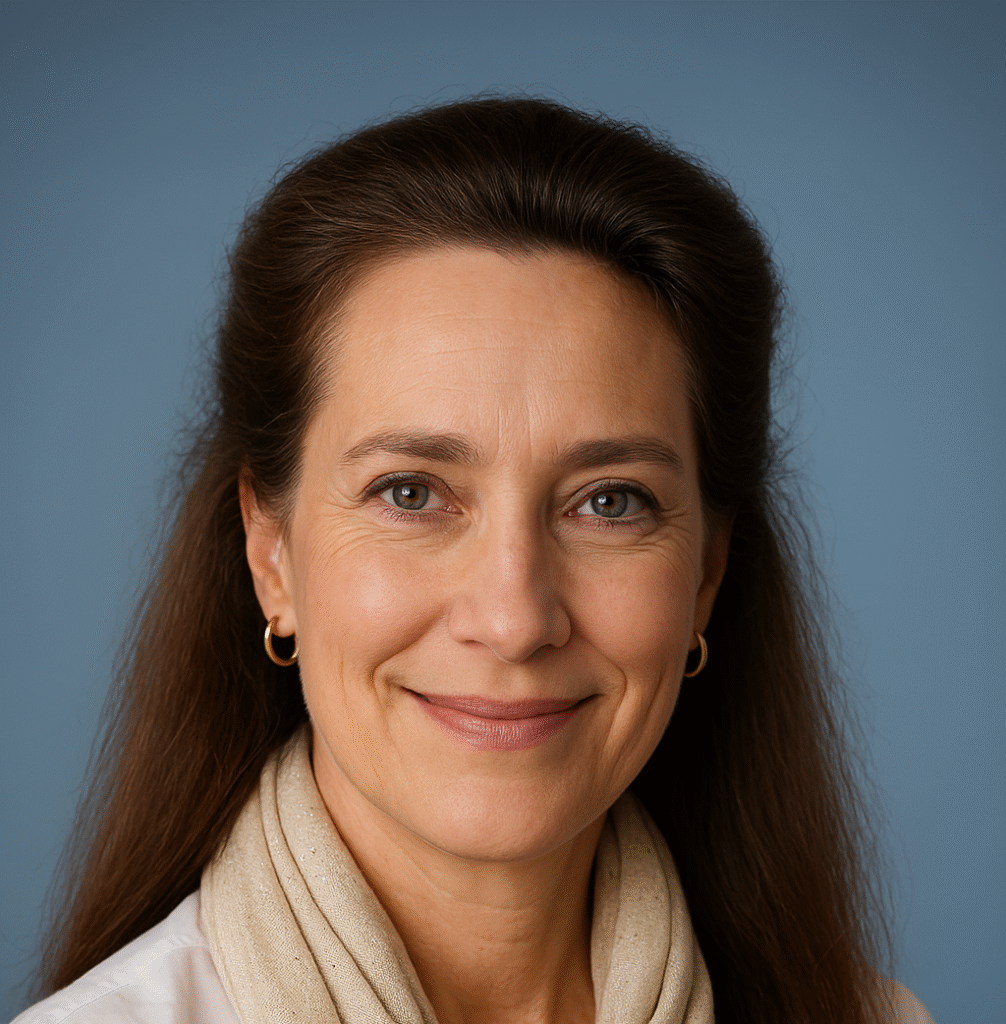
I put the essence of who I am, and everything I have experienced that makes me who I am, with great enthusiasm, into my retreats, courses and books. – Dr Margaretha Montagu (MBChB, MRCGP, NLP master pract (cert,) Transformational Life Coach (dip,) Life Story Coach (cert) Counselling (cert,) Med Hypnotherapy (dip) and EAGALA (cert)
Why just survive when you can thrive? Enrol in my How to Survive a Life Quake 7-part online course. Think of it as your step-by-step survival kit for those “what-on-earth-just-happened” moments in life.