
Introduction
To most of my retreat guests, this comes as a surprise: the Camino de Santiago is not a single road, but a set of pathways created by faith, history, and endurance that has pulsed through Europe for over a millennium. Among its many arteries, the Camino de Santiago Via Podiensis, or the Le Puy Route, is often cited as the most soulful. Stretching from the high volcanic plateaus of the Velay to the lush, rolling hills of Gascony, it is a path that challenges the body while feeding the spirit. To walk the Via Podiensis is to engage in a dialogue with history, one where every step echoes the footfalls of millions who have sought redemption, clarity, or simply the horizon since the 10th century.
In this deep dive, I’m exploring the intricate tapestry of this route, focusing specifically on the evocative stretch between Eauze and Nogaro. This segment, nestled in the heart of the Gers department, serves as a cameo of the Gascon experience—a blend of Gallo-Roman grandeur, medieval piety, and the timeless craft of Armagnac.

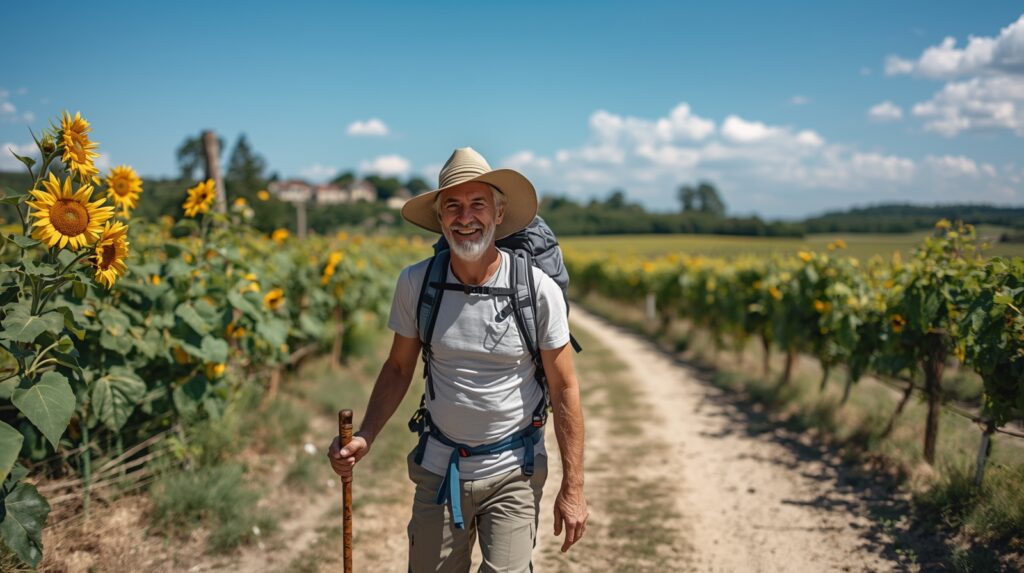
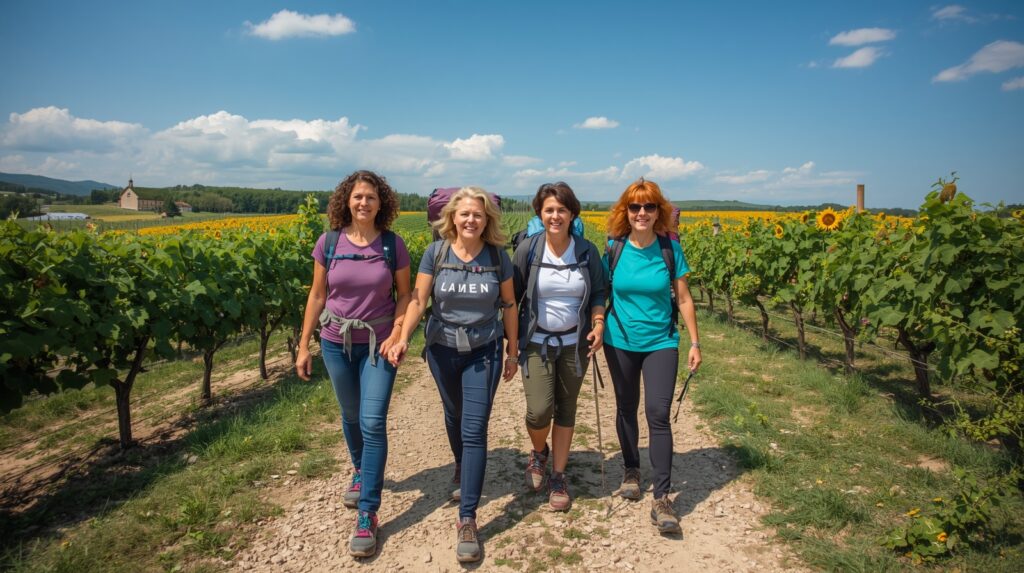
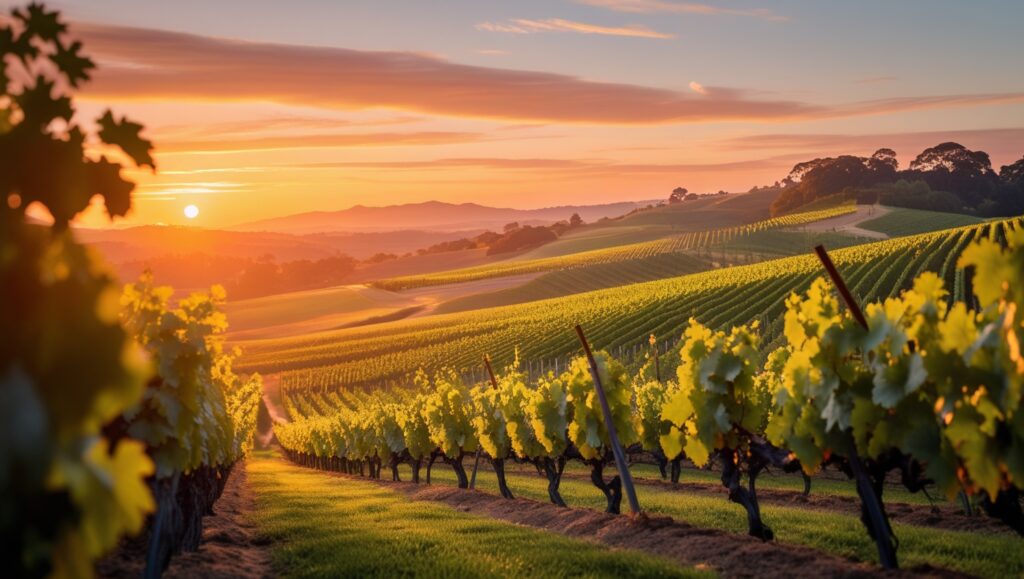
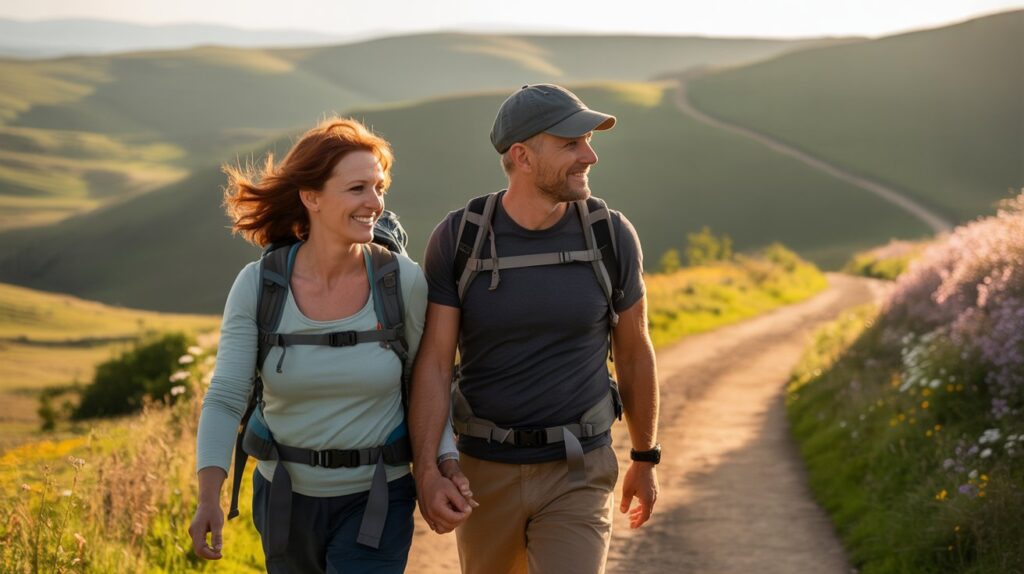
Part I: The Tao of the Via Podiensis
The Bishop’s Legacy: Godescalc of Le Puy
The story of the Via Podiensis begins with a single man: Godescalc, the Bishop of Le Puy-en-Velay. In the year 950 or 951 AD, Godescalc became the first recorded non-Spanish pilgrim to make the journey to Santiago de Compostela. Traveling with a large entourage of clergy, soldiers, and servants, he established a precedent that would turn the small town of Le Puy into one of the four major gathering points for pilgrims in France.
Godescalc’s journey was more than a personal act of devotion; it was a geopolitical statement. By linking the Auvergne region with the shrine of Saint James in Galicia, he helped integrate the Christian kingdoms of the north with the burgeoning pilgrimage culture of the Iberian Peninsula. Today, the route he pioneered is called the GR65, a Grand Randonnée trail that remains the gold standard for those seeking the “authentic” Camino experience.
The UNESCO Recognition
In 1998, the Via Podiensis was recognized by UNESCO as part of the World Heritage site “Routes of Santiago de Compostela in France.” This designation highlights the route’s exceptional cultural value, preserved through its Romanesque churches, medieval bridges, and the intangible heritage of hospitality that still thrives in the villages along the way.
Part II: Entering the Gers—The Land of D’Artagnan
As the pilgrim crosses from the department of Lot into the Gers, the landscape undergoes a subtle but profound transformation. The rugged limestone cliffs of the Quercy give way to the “Gascogne vallonnée”—the rolling hills of Gascony. This is the land of the Musketeers, specifically the historical figure of Charles de Batz-Castelmore, better known as d’Artagnan.
A Sensory Landscape
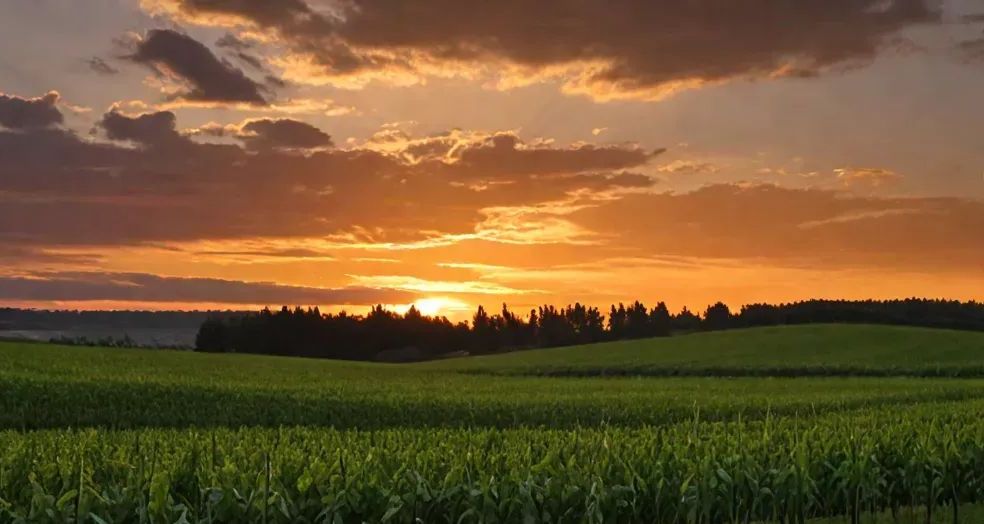
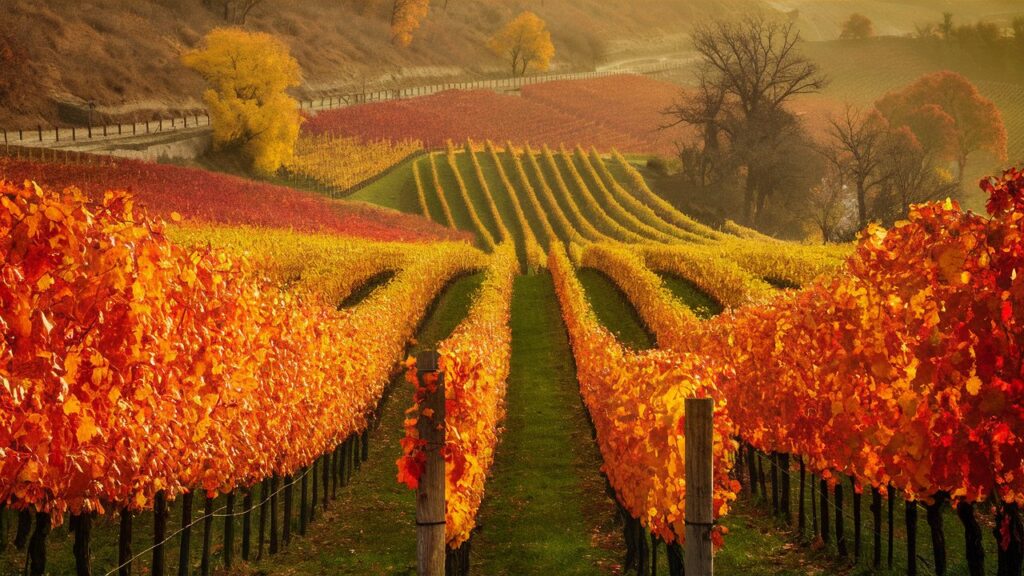
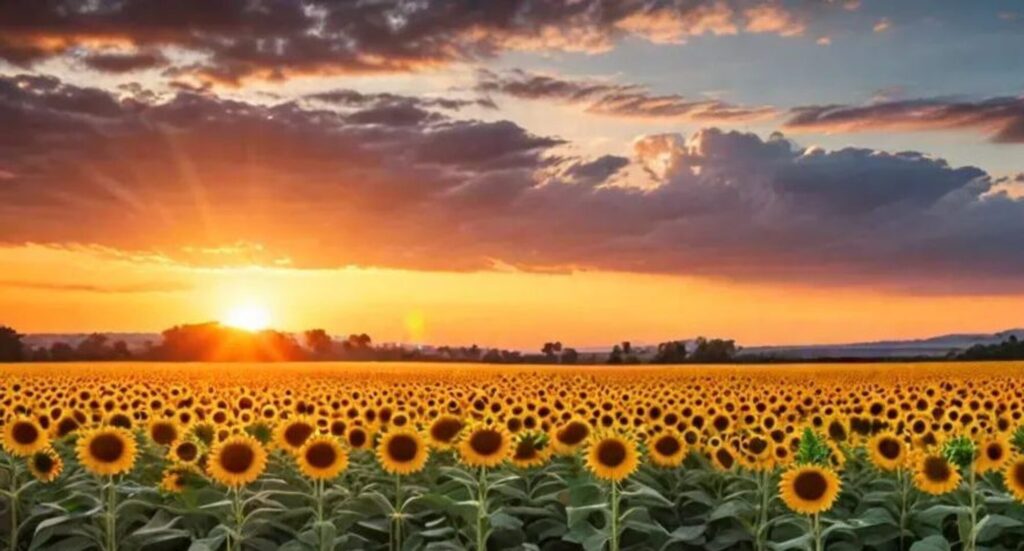
The Gers is often described as the “Tuscany of France.” It is a region where the agricultural cycle dictates the rhythm of life. In summer, the valleys are a riot of yellow as sunflowers turn their heads to the sun. In autumn, the air is thick with the sweet, heady scent of fermenting grapes. For the pilgrim, this section of the Camino is a sensory feast, characterized by:
- The Sight: Vast horizons broken only by the silhouettes of hilltop bastides and ancient farmsteads.
- The Sound: The rhythmic crunch of gravel underfoot and the distant chime of village church bells.
- The Taste: A cuisine defined by confit de canard, foie gras, and the fiery warmth of Armagnac.
Part III: Eauze—The Gallo-Roman Capital
Elusa: The Roman Powerhouse
Before it was a pilgrim stop, Eauze was Elusa, the capital of the Roman province of Novempopulanie. In the 3rd and 4th centuries, Elusa was a bustling administrative and commercial hub, a status that is still evident in the town’s layout and its archaeological riches.
The Treasure of Eauze
In 1985, a discovery was made that would cement Eauze’s place in archaeological history. During excavations near the former Roman station, workers unearthed a massive hoard of Roman coins and jewelry. Known as the Treasure of Eauze, it consists of over 28,000 silver coins and approximately 50 pieces of gold jewelry, including necklaces, rings, and bracelets. This hoard, likely buried during the turbulent 3rd century to protect it from Germanic invasions, is now the centerpiece of the town’s archaeological museum. For the pilgrim, visiting the museum offers a glimpse into the sophisticated world that existed long before the first medieval pilgrims arrived.
The Cathedral of Saint-Luperc
Dominating the town square is the Cathedral of Saint-Luperc. Built in the late 15th century, it is a prime example of Southern Gothic architecture. Its single, wide nave and lack of transepts are characteristic of the region’s style, designed to accommodate large congregations for preaching. The cathedral’s stained glass and its solemn atmosphere provide a fitting place for pilgrims to receive a blessing before embarking on the next stage of their journey.
Part IV: The Art of Armagnac—Spirit of the Soil
To walk through the Gers without acknowledging Armagnac is to ignore the very soul of the region. Armagnac is France’s oldest brandy, predating Cognac by several centuries. It is a product of the terroir, deeply influenced by the sandy soils of the Bas-Armagnac and the clay-limestone of the Ténarèze.
The Grapes of the Camino
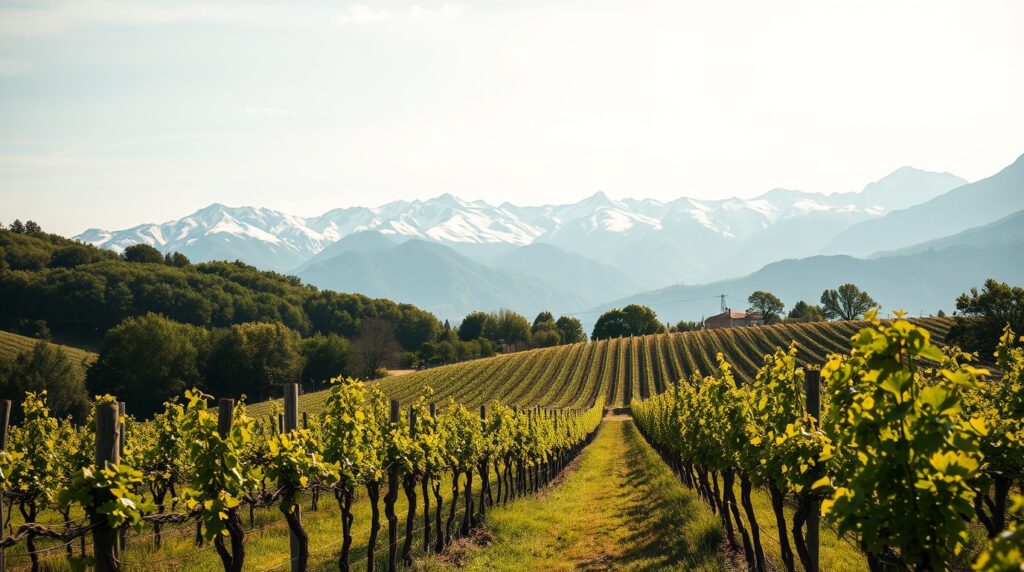
As the GR65 winds through the vineyards between Eauze and Nogaro, pilgrims are walking past the four primary grape varieties used in Armagnac production:
- Ugni Blanc: The workhorse of the region, providing high acidity and low alcohol, ideal for distillation.
- Folle Blanche: The “soprano” of grapes, offering delicate floral notes but highly susceptible to disease.
- Colombard: Known for its herbal and fruity aromas.
- Baco 22A: A unique hybrid grape created by schoolteacher François Baco following the phylloxera crisis. It adds structure and earthy notes, making it a cornerstone of the Bas-Armagnac style.
The Distillation Process
Unlike Cognac, which is double-distilled in pot stills, Armagnac is typically distilled once in a continuous Armagnac alambic. This process retains more of the grape’s natural esters and oils, resulting in a more robust, rustic, and complex spirit. For the walker, a small “degustation” at a local producer is a rite of passage, a way to internalize the very landscape they have spent the day traversing.
Part V: The Stage from Eauze to Nogaro
The Path and the Pace
The 21-kilometer stretch from Eauze to Nogaro is often cited as one of the most pleasant stages of the entire Via Podiensis. The terrain is forgiving, with gentle slopes that allow for a steady, meditative pace. The trail leads walkers through a landscape that feels deeply private—small farm roads, shaded paths between vineyards, and occasional copses of oak trees.
Manciet: The Midpoint of Mercy
Approximately 11 kilometers into the stage, the pilgrim reaches Manciet. This village has been a sanctuary since the 12th century. The historical Hôpital de Saint-Jacques here was not a hospital in the modern sense, but a house of hospitality where pilgrims could find food, a bed, and basic medical care.
The architecture of Manciet, with its stone houses and quiet streets, invites a pause. It is a place to refill water bottles and reflect on the communal nature of the pilgrimage. Even today, the spirit of the hospitalero lives on in the local gîtes that welcome modern travelers with the same warmth shown to their medieval predecessors.
Part VI: Nogaro—Tradition Meets the Fast Lane
The Romanesque Majesty of Saint-Nicolas
Entering Nogaro, the pilgrim is greeted by the Church of Saint-Nicolas. This 11th-century Romanesque gem is a testament to the enduring power of medieval faith. Its thick stone walls and rounded arches create an atmosphere of profound stillness. The interior, often lit only by candles, offers a stark contrast to the bright Gascon sun outside. It is a place where the weight of the backpack seems to lift, if only for a moment.
The Circuit Paul Armagnac
Nogaro presents a fascinating cultural juxtaposition. While it is a key stop on an ancient spiritual path, it is also home to the Circuit Paul Armagnac, a world-class motor racing track. This blend of the ancient and the modern is typical of the French countryside, where history is not preserved in amber but lived alongside the contemporary world.
Part VII: The Philosophy of the Walk
Walking the Camino is an exercise in “stripping away.” As the days pass, the concerns of the modern world—emails, deadlines, social media—fade into the background. They are replaced by more immediate, elemental concerns: the state of one’s feet, the location of the next water source, and the simple beauty of a sunrise over a Gascon vineyard.
The Eauze to Nogaro stretch, with its gentle beauty and rich history, is the perfect environment for this mental shift. It is a stage that doesn’t demand heroic physical effort, but rather invites a quiet, inward journey. It is here, in the heart of the Gers, that many pilgrims find their “Camino legs”—that state of being where walking feels as natural as breathing.
Finding Your Own Path
The Via Podiensis is more than a trail; it is a living history book, a gallery of natural beauty, and a sanctuary for the soul. The journey from Eauze to Nogaro, with its Roman roots, its liquid gold of Armagnac, and its medieval echoes, represents the very best of what the Camino has to offer. It is a reminder that in our fast-paced world, there is still immense value in moving at the speed of a human step.
If you have ever felt the call of the Camino, perhaps it is time to answer. For those who seek to experience this magic without the logistical stress of planning a solo trek, I invite you to join one of my 5-day Camino de Santiago walking adventures.
My retreats are carefully curated to include the stunning Eauze to Nogaro stretch, offering a perfect blend of physical movement, cultural immersion, and spiritual reflection. We handle the heavy lifting—from luggage transfers to boutique accommodations and gourmet Gascon meals—allowing you to focus entirely on the journey. Whether you are seeking a personal breakthrough or simply a beautiful escape into the heart of France, my small-group retreats provide the support and community to make your Camino dream a reality.
Click here to learn more about our upcoming dates and secure your spot on the path.


Part VIII: Beyond the City Walls—The Villa of Séviac
To truly understand the Gallo-Roman heritage that Eauze (Elusa) represents, one must venture slightly off the main GR65 path to the Villa of Séviac. Located near Montréal-du-Gers, this site is one of the most significant rural aristocratic residences of the late Roman Empire in Gaul.
The Art of the Mosaic
The Villa of Séviac is world-renowned for its mosaics, covering over 625 square meters. These intricate floor designs, dating from the 4th and 5th centuries, feature geometric patterns and stylized floral motifs that reflect the wealth and sophistication of the Elusate aristocracy. For the modern visitor, walking through the ruins of the villa’s thermal baths and private apartments provides a tangible connection to the “art de vivre” that has defined Gascony for nearly two millennia. The presence of such luxury in a rural setting underscores the stability and prosperity of the region during the Pax Romana, a stark contrast to the fortified villages (bastides) that would emerge centuries later.
The Thermal Tradition
The villa also boasts an impressive private bath complex, complete with caldarium (hot bath), tepidarium (warm bath), and frigidarium (cold bath). This Roman obsession with water and hygiene is a precursor to the modern spa culture found in nearby Barbotan-les-Thermes. For the pilgrim, the story of Séviac serves as a reminder that the quest for comfort and rejuvenation is as old as the road itself.
Part IX: The Bastides of the Gers—Architecture of Defense and Trade
As the pilgrimage route evolved in the 13th and 14th centuries, it coincided with the rise of the bastides. These “new towns” were built throughout Southwest France, characterized by a strict grid plan and a central market square surrounded by arcades (les couverts).
A Grid for Growth
The bastides were more than just military outposts; they were economic engines. By offering land and tax incentives to settlers, local lords (and often the English crown, which ruled Aquitaine) created vibrant commercial hubs. On the Camino, towns like Montréal-du-Gers and Nogaro exhibit these architectural traits. The central square was the heart of the community, where pilgrims could find markets, blacksmiths, and hostels.
The Arcades: A Pilgrim’s Shelter
The arcaded squares of the Gers bastides are a distinctive feature. These covered walkways allowed trade to continue regardless of the weather—a boon for the pilgrim seeking shelter from the fierce Gascon sun or a sudden Atlantic rainstorm. Today, these squares remain the social centers of the towns, where the modern “apéritif” is enjoyed under the same stone arches that sheltered medieval merchants.
Part X: The Natural History of the GR65
The walk from Eauze to Nogaro is not just a journey through human history, but an immersion in the natural world of the Bas-Armagnac.
The Flora: From Oak to Orchid
The region is dominated by the Pedunculate Oak (Quercus robur), whose wood is essential for the aging of Armagnac. These majestic trees provide vital shade for the pilgrim on hot afternoons. In the verges of the trail, sharp-eyed walkers can find a variety of wild orchids in the spring, along with the ubiquitous wild mint and thyme that scent the air. The hedgerows (bocage) are a mix of hawthorn, blackthorn, and elderberry, providing a habitat for a diverse range of birdlife.
The Fauna: Companions on the Path
The Gers is a haven for birds of prey. It is common to see the Red Kite (Milvus milvus) circling overhead, its distinctive forked tail making it easy to identify. In the early morning, the woods echo with the drumming of the Great Spotted Woodpecker. For the lucky walker, a roe deer might be spotted darting through the vines, or a hare racing across an open field. These encounters with the wild add a layer of wonder to the daily routine of the walk, reminding the pilgrim of their place in a wider ecosystem.
Part XI: The Science of the Still—Distillation in Detail
To deepen our understanding of Armagnac, we must look at the science behind the “eau-de-vie.” The distillation process is a delicate dance of chemistry and craftsmanship.
The Armagnac Alambic
The traditional continuous still (alambic armagnacais) was patented in 1818. Unlike the pot stills of Cognac, which require two separate distillations, the Armagnac still works in a single, continuous cycle. The wine is heated and the vapors rise through a series of plates, where they are “washed” by the incoming wine. This process preserves a high concentration of congeners—the organic compounds (esters, aldehydes, and tannins) that give Armagnac its characteristic power and aromatic complexity.
The Angel’s Share
Once distilled, the clear spirit is placed in 400-liter oak barrels (pièces). During the aging process, a small percentage of the alcohol evaporates through the wood. This is poetically known as the “Part des Anges” (the Angel’s Share). Over decades, this evaporation concentrates the flavors, while the interaction with the oak tannins imparts the deep amber color and notes of vanilla, prune, and rancio. For the pilgrim, the “Angel’s Share” is a metaphor for the intangible gains of the journey—the parts of oneself that are “evaporated” by the heat and the road, leaving behind something more concentrated and refined.
Part XII: The Medieval Hospital System—A Network of Care
The mention of the hospital in Manciet opens a window into the sophisticated network of care that supported the medieval Camino.
The Rule of Hospitality
In the Middle Ages, hospitality was not a choice but a Christian duty. The Rule of Saint Benedict stated that “all guests who present themselves are to be welcomed as Christ.” This led to the creation of a vast infrastructure of hospitales, often run by religious orders like the Knights Hospitaller or the Augustinians.
Life Inside the Hospital
A medieval pilgrim hospital like the one in Manciet was a place of radical equality. Whether a nobleman or a beggar, the pilgrim was given a place by the fire, a bowl of pottage, and a straw mattress. The brothers and sisters of the hospital would wash the pilgrims’ feet, mend their clothes, and provide herbal remedies for blisters and fever. This legacy of selfless service is the foundation of the modern “Camino Spirit,” where strangers help one another without expectation of reward.
Part XIII: The Rhythms of the Gascon Year
To understand the land between Eauze and Nogaro, one must understand its seasons. The Camino experience changes profoundly depending on when one walks.
Spring: The Awakening
April and May bring a sense of renewal. The vineyards are a vibrant, tender green, and the air is cool. This is the best time for those who enjoy wildflowers and the song of returning migratory birds.
Summer: The Trial of Heat
July and August are the months of the “Canicule.” The heat can be intense, requiring early starts (often before dawn) to reach the next stage before the midday sun. However, this is also the season of village festivals (fêtes votives), where every town celebrates with music, communal meals, and bull-running in the local arenas.
Autumn: The Harvest and the Flame
September and October are arguably the most magical months in the Gers. The grape harvest (les vendanges) is in full swing, and the forests turn to shades of bronze and gold. In November, the “Flamme de l’Armagnac” begins—the period when the stills are lit, and the region celebrates the birth of the new vintage with distillery dinners and bonfire celebrations.
Part XIV: The Psychology of the Long-Distance Walker
Why do we walk? For many, the stretch between Eauze and Nogaro is where the “why” becomes clear.
The Flow State
Psychologists speak of “flow”—a state of complete immersion in an activity. On the Camino, flow is achieved through the repetitive motion of walking. As the body settles into a rhythm, the mind becomes quiet. This “walking meditation” allows for deep introspection. Problems that seemed insurmountable in the “real world” often find their solutions in the simple clarity of the trail.
The Community of the Road
While the journey is internal, it is shared with others. The “Camino Family” is a unique phenomenon where people from vastly different backgrounds form deep bonds over a shared meal in a gîte. These connections, often brief but intense, remind us of our common humanity. In the Gers, where the pace is slower and the crowds are thinner than on the Spanish stages, these interactions are often more profound and lasting.
Part XV: The Culinary Heritage of the Camino—Fuel for the Soul
A 4000-word exploration of the Gers would be incomplete without a deep dive into its gastronomy. In Gascony, food is not merely sustenance; it is a cultural expression of the land’s bounty.
The Duck: King of the Gascon Table
The canard gras (fattened duck) is the undisputed king of the region. For the pilgrim, a dinner in Eauze or Nogaro almost certainly involves duck in some form.
- Confit de Canard: Duck legs slow-cooked in their own fat until the meat is tender enough to fall off the bone. It is the ultimate high-energy meal for a weary walker.
- Magret de Canard: The breast of the duck, usually grilled and served pink.
- Foie Gras: A delicacy that has been produced in the region since Roman times.
The Gascon Croustade
For dessert, the region offers the Croustade, also known as Pastis Gascon. This is a masterpiece of pastry—layers of paper-thin dough, brushed with butter and Armagnac, filled with apples or prunes, and baked until crispy and golden. The skill required to stretch the dough so thin that it becomes translucent is a dying art, preserved by a few dedicated bakers in the villages along the GR65.
Part XVI: The Legends and Lore of the Path
The Via Podiensis is a trail of stories. Beyond the historical facts, the legends of the Camino provide a layer of mythic resonance to the journey.
The Legend of the Rooster
While the most famous “Rooster Miracle” occurred in Santo Domingo de la Calzada in Spain, variations of the story exist along the French routes. These tales of divine intervention—where a roasted bird comes back to life to prove the innocence of a wrongly accused pilgrim—reflect the medieval belief in the Camino as a place where the laws of nature could be suspended by faith.
The Shell: Symbol of the Sea in the Heart of the Land
Why the scallop shell? Legend says that when the body of Saint James was being transported by ship from Jerusalem to Spain, a knight fell into the sea. He emerged covered in scallop shells, a sign of the Apostle’s protection. For the pilgrim walking through the landlocked vineyards of the Gers, the shell pinned to their pack is a constant reminder of the sea that awaits them at the end of the world (Finisterre).
Part XVII: The Modern Pilgrim—A New Type of Journey
In the 21st century, the profile of the pilgrim has changed. While many still walk for religious reasons, an increasing number are “secular pilgrims” seeking a break from the digital noise of modern life.
The Digital Detox
The Gers is one of the least densely populated departments in France. In many sections between Eauze and Nogaro, mobile phone reception is spotty at best. This “forced” disconnection is often cited by modern walkers as one of the most rewarding aspects of the trip. Without the constant pull of notifications, the mind is free to wander as far as the feet.
The Rise of Slow Travel
The Camino is the ultimate form of “Slow Travel.” In a world of high-speed trains and instant gratification, the act of spending five weeks walking across a country is a radical act of patience. It forces a shift in perspective, where the value of a day is measured not by what was “achieved,” but by what was seen, felt, and tasted.
Part XVIII: Preparing for the Path—Practical Wisdom
For those inspired to take the first step, preparation is key. However, the best preparation is often mental rather than physical.
The Art of Packing
The “Golden Rule” of the Camino is that your pack should not weigh more than 10% of your body weight. This requires a ruthless prioritization of needs over wants. Every item in the pack must justify its weight. In the Gers, where the weather can be unpredictable, a good quality rain poncho and a pair of well-broken-in walking shoes are the only true essentials.
The Importance of the “Credencial”
The Credencial, or Pilgrim’s Passport, is a vital document. It allows access to the network of gîtes and serves as a record of the journey. Each stamp (tampon) collected at a church, town hall, or café along the way is a souvenir of a specific moment in time. By the time a pilgrim reaches Nogaro, their passport is a colorful tapestry of the villages they have passed through.
Part XIX: The Spiritual Architecture of the Soul
As we conclude this deep dive, we return to the idea of the Camino as an internal journey. The physical structures we have explored—the cathedral in Eauze, the hospital in Manciet, the church in Nogaro—are mirrors for the internal architecture of the pilgrim.
Just as the Romanesque style is defined by its strength and simplicity, the long-distance walker develops an internal resilience. Just as the Gothic style seeks to reach toward the heavens, the pilgrim seeks a higher version of themselves. The road from Eauze to Nogaro, with its gentle beauty and deep roots, provides the perfect scaffolding for this personal growth.
Conclusion: Your Invitation to step onto the Path
The Via Podiensis is not just a historical relic; it is a living, breathing experience that continues to transform lives every day. The journey from Eauze to Nogaro, with its blend of Gallo-Roman history, Gascon hospitality, and the timeless spirit of the walk, is a highlight of this legendary route. It is a place where the past and present coexist, and where every step is an invitation to discover something new about the world and yourself.
If the stories of the Treasure of Eauze, the historic mercy of Manciet, and the Romanesque peace of Nogaro have stirred something within you, I invite you to turn that inspiration into action.
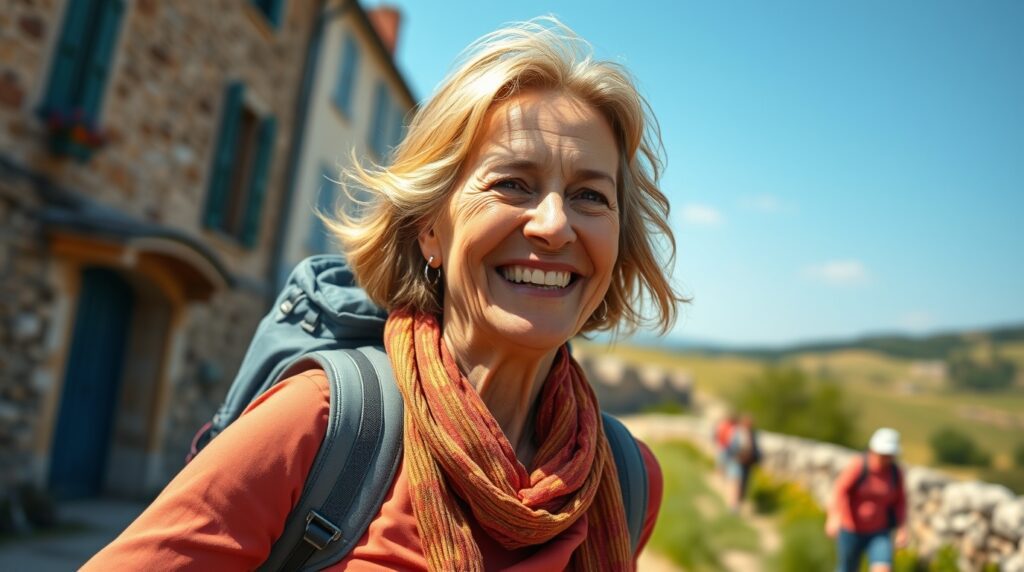

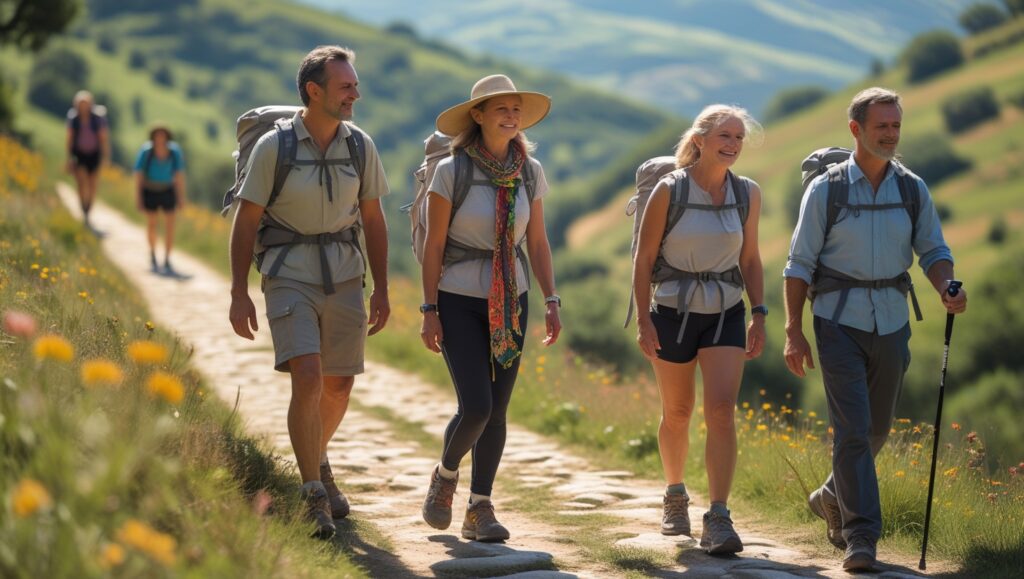
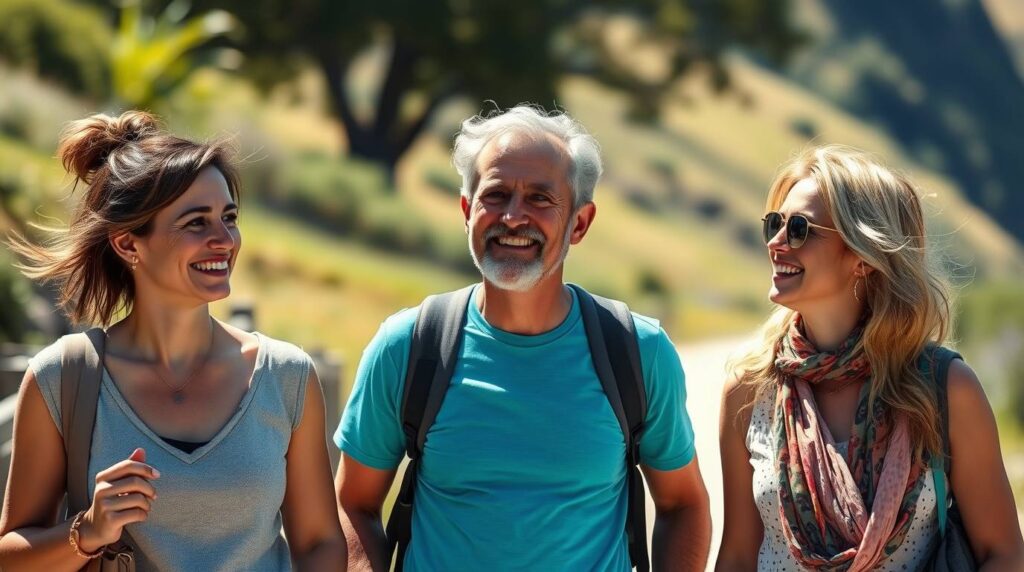
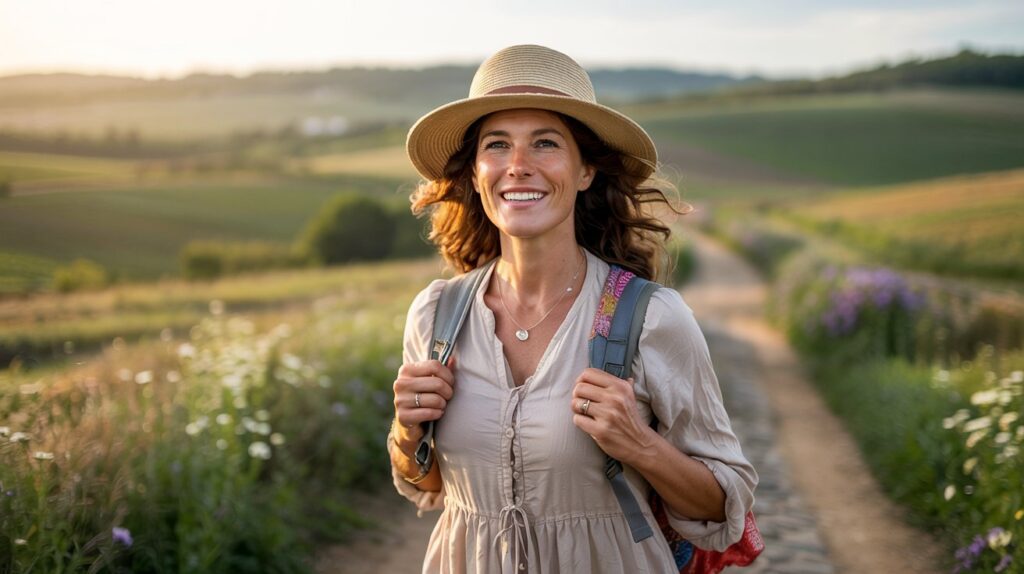
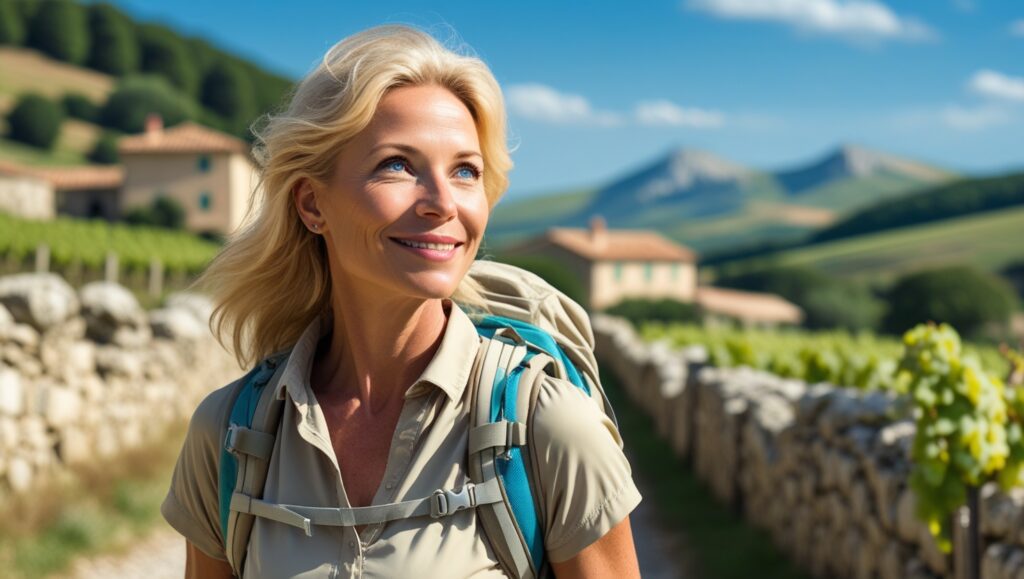
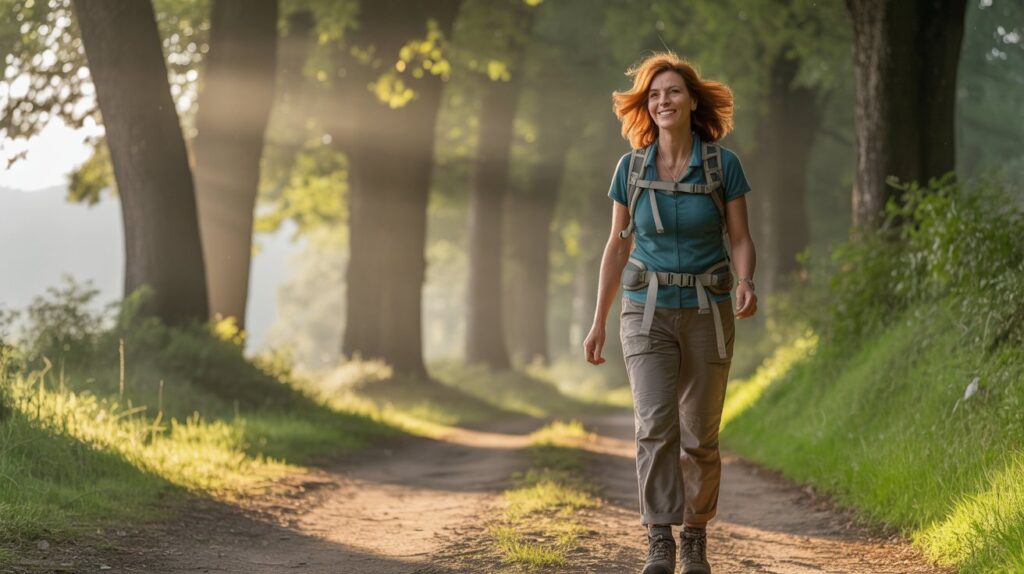
I host exclusive 5-day Camino de Santiago walking retreats that focus on this very stretch of the path. My retreats are designed for those who want to experience the profound magic of the Camino without the stress of logistics. We provide a “soft landing” into the world of pilgrimage, offering:
- Expert Guidance: Deep insights into the history, culture, and spirit of the Gers.
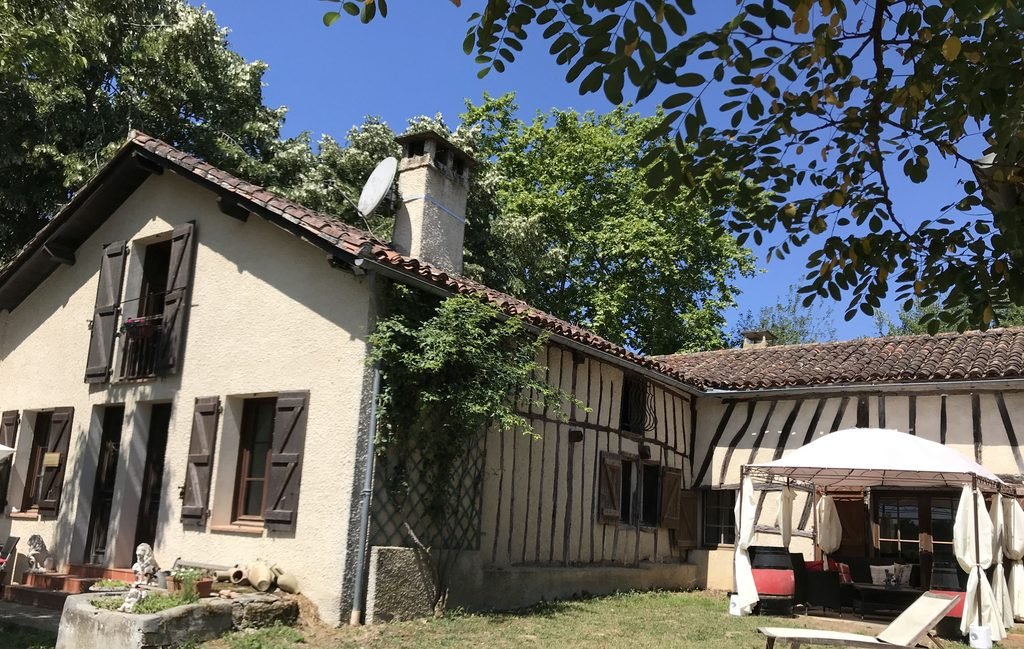
- Boutique Comfort: Carefully selected accommodation in a 200-year old farmhouse that reflect the charm of Gascony.
- Gourmet Experiences: From Armagnac tastings to traditional duck-focused feasts.
- Total Support: No heavy rucksack, you only carry what you need for the day.
My retreats are more than just a walking tour; they are a space for reflection, community, and rejuvenation. Whether you are at a crossroads in your life or simply need to reconnect with the beauty of the natural world, the path from Eauze to Nogaro is waiting to welcome you.
Are you ready to find your rhythm on the road? Spaces for the upcoming season are limited to ensure an intimate and impactful experience for every participant.
Click here to inquire and book your 5-day Gascon adventure today.
Do you dream of escaping your stressful life to raise a herd of goats or grow sunflowers in the south of France? Then you may be ready for an Esprit Meraki retreat. Get access to this “very serious” quiz to help you figure out how urgent your need for a change of scenery is, when you subscribe to my monthly newsletter.
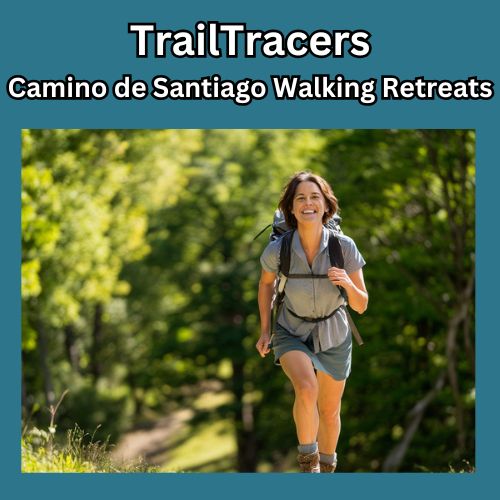
If your soul is craving fresh air, meaningful movement, and a chance to reconnect with nature, join us on a Camino de Santiago Walking Retreat in the southwest of France. This isn’t just a scenic hike – it’s a powerful, natural reboot for your body, mind, and spirit. Imagine quiet paths, rolling hills, cozy evenings, and slow conversations. No fitness requirements. No forced bonding. No pressure to have a breakthrough. Just one foot in front of the other, and finding your way to a brighter future.

Author Bio: Dr Margaretha Montagu – described as a “game changer”, “gifted healer”, “guiding light” and “life-enriching author” – is an experienced medical doctor, a certified NLP practitioner, a medical hypnotherapist, an equine-assisted psychotherapist (EAGALAcertified) and a transformational retreat leader who guides her clients through life transitions – virtually, or with the assistance of her Friesian and Falabella horses, at their home in the southwest of France.